Original Article
AWARENESS AND PERCEPTIONS OF URBAN ECOSYSTEM SERVICES IN CLIMATE CHANGE ADAPTATION: AN INDIAN CASE STUDY
|
Shaila Naaz 1* 1 Research Scholar, Gautam
Buddha University, Gautam Buddh Nagar, Uttar Pradesh, India 2 Head, Department of Urban and Regional
Planning, Gautam Buddha University, Gautam Buddh Nagar, Uttar Pradesh, India |
|
|
|
ABSTRACT |
||
|
Urban ecosystem services (UES) play a crucial role in reducing climate-related risks and boosting the adaptive capacity of cities, especially in the rapidly changing landscapes of the Global South Gómez-Baggethun et al. (2013), Haase et al. (2014). In India, urban growth often comes at the expense of ecological infrastructure, and public awareness is a vital yet underexplored factor in the success of ecosystem-based adaptation (EbA) strategies Nagendra et al. (2018), McPhearson et al. (2016). This research assessed public awareness of UES in Dwarka, New Delhi. Using a mixed-methods approach that combines site studies, structured interviews, and mapping of green and blue infrastructure, the study investigates how various stakeholders perceive the ecological, socio-cultural, and adaptive roles of urban ecosystems. The results indicate a strong emphasis on provisioning and regulating services, such as tree cover, shade, and air quality, while supporting and cultural services, like biodiversity support and heritage landscapes, are frequently undervalued Andersson et al. (2014), Kabisch et al. (2016). Awareness levels are shaped by factors such as education, proximity to green spaces, socioeconomic status, and civic engagement Raymond et al. (2017), Ernstson and Sörlin (2013). The findings are derived from 200 in-person surveys conducted with randomly selected visitors to parks and other areas, along with 122 Google Form responses from various stakeholders. Keywords: Ecosystem Services, Urbanisation,
Climate Change, Stakeholders and Awareness |
||
INTRODUCTION
Urban areas
worldwide are increasingly exposed to the adverse impacts of climate change,
including intensified heatwaves, urban flooding, and declining air quality IPCC (2022). In response, urban ecosystem services
(UES)—the benefits humans derive from ecosystems in cities—are recognized as
critical assets for climate adaptation and sustainable urban living Gómez-Baggethun
et al. (2013), Haase et
al. (2014). UES contribute to urban resilience by
regulating microclimates, managing stormwater, enhancing biodiversity, and
supporting mental and physical health Elmqvist
et al. (2015). As cities expand, particularly across the
Global South, integrating nature-based solutions (NBS) and ecosystem-based
adaptation (EbA) measures into urban planning has emerged as a priority for
mitigating vulnerability Kabisch
et al. (2016), Nagendra
et al. (2018).
However, the
effectiveness of ecosystem-based interventions largely depends on public
awareness, perception, and stewardship Raymond
et al. (2017), Andersson
et al. (2014). Studies suggest that while policy
frameworks increasingly acknowledge the role of ecosystems, community-level
understanding of UES remains fragmented or limited, especially in
fast-urbanising contexts McPhearson
et al. (2016), Ernstson
and Sörlin (2013). In India, urban expansion often results in
ecological degradation, with wetlands, urban forests, and green spaces being
systematically reduced to accommodate infrastructural growth Singh et
al. (2022). Promoting public ecological literacy is
essential in this scenario to foster greater civic engagement with sustainable
urban development and climate resilience strategies.
Dwarka, a sub-city
in the National Capital Territory of Delhi, offers a compelling case for
examining public awareness of UES. Originally conceptualized as a planned urban
expansion, Dwarka is now facing rapid densification, infrastructure stress, and
ecological transformation, reflecting broader patterns across Indian cities.
Despite a relatively high level of infrastructural development, public
interaction with and perception of natural ecosystems remains underexplored.
Understanding the local population's awareness of ecosystem services can thus
illuminate gaps between urban planning objectives and lived environmental
realities.
AIM AND OBJECTIVES
This study aims to
evaluate public awareness of urban ecosystem services in Dwarka, specifically
in the context of their role in climate change adaptation. Through a
mixed-methods approach combining household surveys, interviews, and spatial
mapping, it seeks to identify the socio-demographic and environmental factors
that influence awareness levels. The research ultimately contributes to broader
discussions on urban resilience, participatory planning, and the
operationalization of nature-based solutions in emerging urban contexts.
STUDY AREA
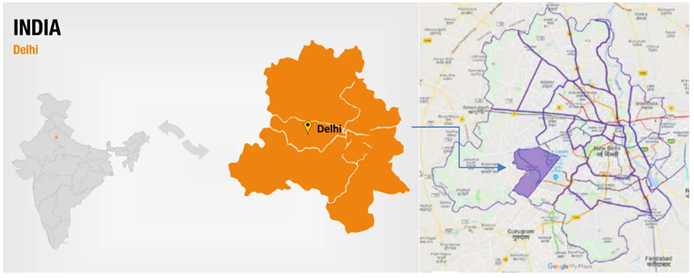
The study area is
Zone K-II (Dwarka Sub city) in Delhi. The Planning Zone K-II includes the
Dwarka Sub-city and the area in between Bijwasan road and the National Capital
Territory (NCT) of Delhi boundary and is bounded in east by Delhi Rewari
railway line, on the south by National Capital Territory of Delhi boundary in
the west by Najafgarh drain and in the north by Najafgarh road & Pankha
road. Dwarka Sub-City, which is most of the area of zone K-II, was mainly
planned as residential area to accommodate the extra population that was being
attracted towards Delhi. The planning zone K-II of the Master Plan of Delhi
(MPD) – 2021, with an area of 5924 hectares includes the Dwarka Sub-city and
has been approved by the Central Government, on 8th March 2010. Institutions
involved in planning and development of Dwarka are South Delhi Municipal
Corporation (SDMC) & Delhi Development Authority (DDA).
|
Figure 1
|
|
Figure 1 Location of Dwarka Source: Comprehensive Mobility Plan
Dwarka (K-II Area) |
LITERATURE STUDY
In urban
environments, even modest green areas can deliver significant ecosystem
services if they are thoughtfully designed. For instance, small wetlands can
enhance urban water management by filtering pollutants and preventing floods,
as noted by Pankratz et al. Additionally, green roofs can reduce the energy
costs associated with heating and cooling buildings and mitigate stormwater
runoff. These rooftops also contribute to local biodiversity, supporting not
only the initial plantings but also attracting beetles, spiders, birds, and
other plants that subsequently inhabit the area. Another crucial ecosystem
service is the potential to improve air quality in cities. In the United
States, urban trees remove 711,000 tons of air pollutants each year, which equates
to an economic benefit of $3.8 billion. Expanding urban greenery can also
capture significant amounts of carbon, potentially having a greater impact on
carbon budgets than trees located outside urban areas. Urban forests, including
public parks and gardens, offer substantial recreational and relaxation
benefits, which are often not reflected in market transactions and thus lack a
market price. Consequently, these non-market benefits are frequently overlooked
or undervalued by policymakers when considering urban development strategies.
MATERIALS AND METHODS
METHODOLOGY
The methodology
for this paper was adopted as a mixed approach method which included the
questionnaire survey, site visit and data collection from online and offline
both the sources. The survey was designed to collect information on urban
ecosystems, related policies and planning instruments. The survey was conducted
to gather information from academicians, researchers, people working on the
same domain and other stakeholders to gather different opinions and
experiences. The goal of the survey was to understand people’s awareness of the
concept of ecosystem services and climate change. Indicators that can play an
important role in developing comprehensive Eco-City indicators which can be
evaluated and analyzed. This survey is aimed at different stakeholders involved
in the process. Researchers developed a structured questionnaire, with a few
open questions and with the option to add their existing knowledge and
observation along the process of answering
·
The
questionnaire was divided into six sections:
·
Section
I – Basic information of the interviewee.
·
Section
II – Awareness of Urban Ecosystem Services.
·
Section
III – Perception of climate change Impact-related questions.
·
Section
IV-Role of Urban Ecosystem Services in Climate Change Adaptation.
·
Section
V- Implementation and Challenges in Urban Ecosystem Services.
·
Section
VI-Community Engagement and Future Actions.
The survey was
administered through an online platform and was carried out voluntarily.
Policymakers, stakeholders and researchers were invited through:
·
E-mailing.
·
Presentation
of the initiative during conferences and seminars.
·
Personal
contacts.
SCOPE AND LIMITATION
Despite the
increasing emphasis on talks about climate change and related issues. There is
a lack of comprehensive studies focusing on the role of ecosystem services in
climate change adaptation. Previous research has mostly focused on general
indicators which are not focused specifically on the role of ecosystem services
in climate change adaptation. The research scope is to examine how different
urban ecosystems can be studied in an area and the importance of these urban
ecosystem services. However, the study area chosen may provide some of the
urban ecosystem services which have an impact on the micro level and may not
apply to other areas or sites.
RESULTS AND DISCUSSIONS
DATA ANALYSIS
The researchers
also assessed the level of awareness of people based on certain principles of
urban eco system services. To accomplish this, the researchers drafted a formal
survey questionnaire with questions relating to the individuals’ perception
towards urban eco system services. These questions addressed opinions about
aesthetics, management, people’s participation, willingness to pay and
awareness of rules, laws and policies under governance.
|
Figure 2
|
|
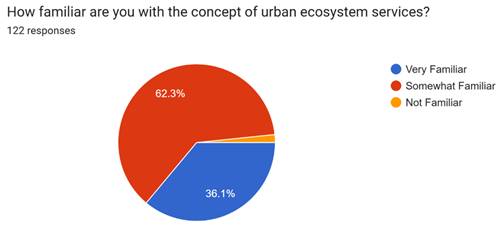
Figure 2 Understanding the Concept of Urban
ESS Source: Google Form Questionnaire by
the Author |
People in
Delhi-NCR are familiar with the concept of urban ecosystem services. Most
people know something about the urban ecosystem services, as something to do
with green areas, but not exactly how it works overall as supporting and
regulating climate change.
|
Figure 3
|
|
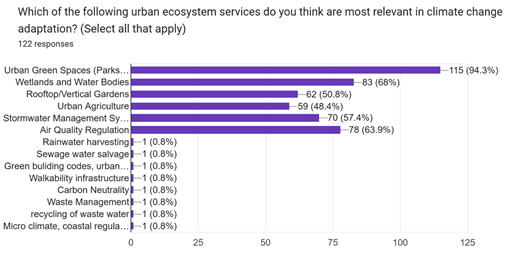
Figure 3 Most Relevant Urban ESS Source:
Google Form Questionnaire by the Author |
Urban Green Spaces
(Parks, Gardens, Trees), Wetlands and Water Bodies & Air Quality Regulation
are the most relevant in climate change adaptation.
|
Figure 4
|
|
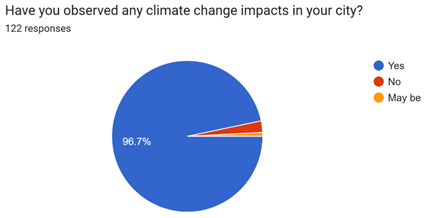
Figure 4 Climate
Change Impact Source:
Google Form Questionnaire by the Author |
The climate change
impacts are very evident in Delhi NCR. Most of the people have answered yes for
the observation in the climate change of Delhi
|
Figure 5
|
|
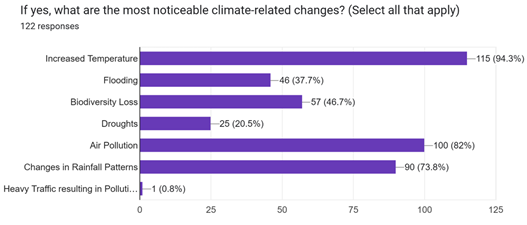
Figure 5 Most Noticeable Climate Related
Change Source: Google Form Questionnaire by
the Author |
Increased
Temperature, Air Pollution & changes in Rainfall Patterns are the most
commonly noticed changes due to climate change.
|
Figure 6
|
|
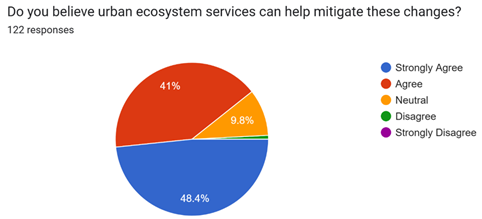
Figure 6 F Mitigation of Climate Change Source: Google
Form Questionnaire by the Author |
Urban Ecosystem
Services can play an important role in mitigating these changes.
|
Figure 7
|
|
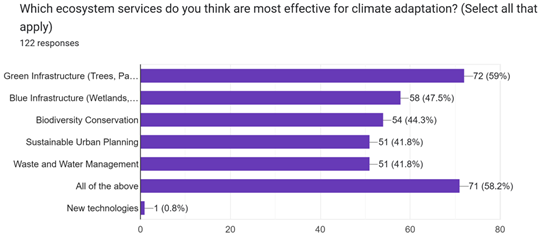
Figure 7 Role of Urban ESS in Mitigation of Climate Change Source: Google Form Questionnaire by
the Author |
Green
Infrastructure (Trees, Parks, Green Roofs), Blue Infrastructure (Wetlands,
Lakes, Rivers), Biodiversity Conservation, Sustainable Urban Planning &
Waste and Water Management all of these are effective measures for climate
change adaptation.
|
Figure 8
|
|
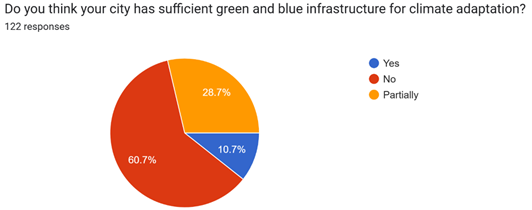
Figure 8 Sufficiency of Green & Blue
Infrastructure Source: Google Form Questionnaire by
the Author |
Most of the people
don’t think that Delhi has sufficient green and blue infrastructure for climate
change adaptation.
|
Figure 9
|
|
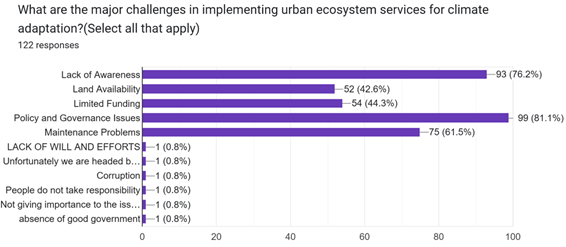
Figure 9 Challenges in Implementing Urban
ESS Source: Google Form Questionnaire by
the Author |
Major challenges
in implementing urban ecosystem services for climate change adaptation are as
follows: lack of awareness, maintenance problems and policy and governance
issues.
|
Figure 10
|
|
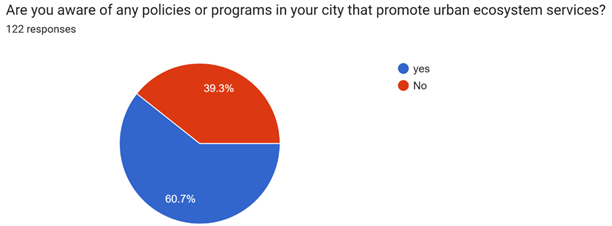
Figure 10 Awareness About Programs Source:
Google Form Questionnaire by the Author |
Since the survey
has been conducted with all the stakeholders, mostly the people working in this
field or the allied fields know about this, but the common people don’t have
in-depth knowledge.
|
Figure 11
|
|
Figure 11
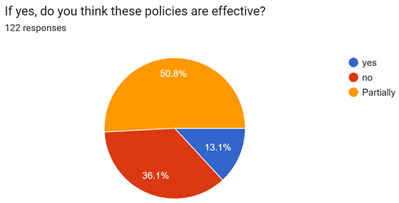
Effectiveness of Policies Source:
Google Form Questionnaire by the Author |
Most people think
that the policies are partially effective.
|
Figure 12
|
|
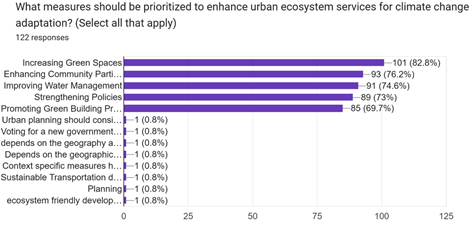
Figure 12 Measures for Enhancing urban ESS Source: Google Form Questionnaire by the Author |
Increasing Green
Spaces, Enhancing Community Participation, Improving Water Management,
Strengthening Policies & Promoting Green Building Practices measures should
be prioritised to enhance urban ecosystem services.
|
Figure 13
|
|
Figure 13 Initiatives for Conserving Urban
ESS Source: Google Form Questionnaire by the
Author |
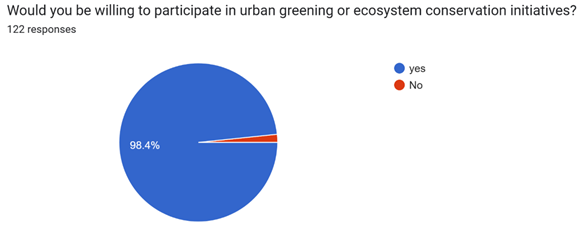
Most people want
to participate in urban greening or ecosystem conservation initiatives.
|
Figure 14
|
|
Figure 14 Role of Community in Urban ESS Source:
Google Form Questionnaire by the Author |
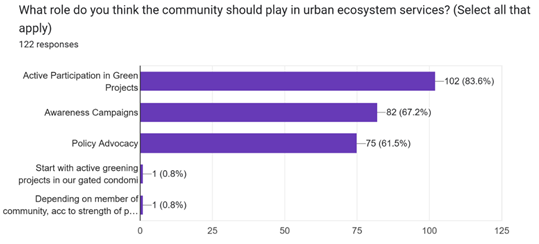
Active
Participation in Green projects, Awareness campaigns & policy advocacy are
the areas in which the community should play in urban ecosystem services.
CONCLUSION
Ecosystem services
in urban areas are well known, and most people know the basic concept of urban
greens but don’t know the details of urban ecosystem services. Most of the
people understand the urban greens (parks, forests, landscaping areas) and
urban blues as ecosystem services. The difficulty of defining what constitutes
an ecosystem becomes particularly evident in urban environments. Yet, the
gradual continuum between natural and human influences—which shapes the
potential for ecosystem services—is a challenge present across all types of
environments, not just urban ones.
Climate change is
very evident, and most of the respondents know about this. In case of Delhi the
climate change is most visible in terms of increased temperature, air pollution
& changes in rainfall patterns are the most noticed changes due to climate
change. The urban ecosystem services will impact climate change and help to
mitigate this climate change. This is also a known fact for most of the
respondents. Most of the respondents think that Green Infrastructure (Trees,
Parks, Green Roofs), Blue Infrastructure (Wetlands, Lakes, Rivers),
Biodiversity Conservation, Sustainable Urban Planning & Waste and Water
Management all of these are effective measures for climate change adaptation.
But there is a lack of green and blue infrastructure in Delhi as a city to
provide enough urban eco system services.Major challenges in implementing urban
ecosystem services for climate change adaptation are as follows: lack of
awareness, maintenance problems and policy and governance issues. The major
challenge from a conceptual perspective, existing ecosystem service frameworks
can indeed be applied to natural, managed, constructed, and heavily modified
systems. However, when dealing with urban ecosystems, it is crucial to
incorporate the roles of human intervention, modification, and the current
ecological status. There is a pressing need to clarify how key terms—such as
“ecosystem,” “urban,” and “nature”—are defined and interpreted within these
frameworks. From a methodological standpoint, ensuring comparability between different
ecosystem service assessments requires greater transparency. This includes
making explicit the theoretical foundations (such as normative assumptions and
conceptual relationships), as well as the practical considerations (such as
data limitations and methodological constraints) and their implications.
Increasing Green
Spaces, Enhancing Community Participation, Improving Water Management,
Strengthening Policies & Promoting Green Building Practices measures should
be prioritised to enhance urban ecosystem services. Since the survey has been
conducted with all the stakeholders, mostly the people working in this field or
the allied fields know about this, but the common people don’t have in-depth
knowledge. Moreover, there is a strong need for more case studies involving
modified ecosystems. These studies can deepen our understanding of the
mechanisms that shape ecosystem service bundles and trade-offs. Identifying the
barriers that disrupt ecosystem connectivity can also guide planning
efforts—such as the development of green infrastructure and nature-based
solutions. Most people want to participate in urban greening or ecosystem
conservation initiatives Overall, advancing research in this field demands
comprehensive approaches that integrate multiple ecosystem services, ecosystem
conditions, and degrees of human input and modification. One of the key
challenges ahead lies in identifying thresholds related to the extent of human
influence and the self-organizing capacity of ecosystems. Addressing this will
be crucial to enabling a more integrated analysis of ecosystem services across
varied environmental contexts.
ACKNOWLEDGMENTS
None.
REFERENCES
Andersson, E., Barthel, S., & Ahrné, K. (2014). Measuring Social–Ecological Dynamics Behind the Generation of Ecosystem Services. Ecological Applications, 24(5), 1183–1191.
Anujan, K., Velho, N., Kuriakose, G., Ebin, P. J., Pandi, V., & Nagendra, H. (2024). Beyond the Metropolis: Street Tree Communities and Resident Perceptions on Ecosystem Services in Small Urban Centers in India. Journal of Urban Ecology, 10(1), juae004. https://doi.org/10.1093/jue/juae004
Bhalla, P., & Bhattacharya, P. (2015). Urban Biodiversity and Green Spaces in Delhi: A Case Study of New Settlement and Lutyens' Delhi. Journal of Human Ecology, 51(1–2), 83–96. https://doi.org/10.1080/09709274.2015.11906933
Bhattacharya, P., Gandherva, D., & Bhattacharya, R. (2019). Assessment of Users’ Perception Towards Urban Green Spaces: A Case Study of Delhi, India. Journal of Ecology & Natural Resources, 3(1). https://doi.org/10.23880/jenr-16000156
Brink, E., Aalders, T., Ádám, D., Feller, R., Henselek, Y., Hoffmann, A., ... & Wamsler, C. (2016). Cascades of Green: A Review of Ecosystem-Based Adaptation in Urban Areas. Global Environmental Change, 36, 111–123. https://doi.org/10.1016/j.gloenvcha.2015.11.003
Buizer, M., Elands, B., & Vierikko, K. (2016). Governing Cities Reflexively—the Biocultural Diversity Concept as an Alternative to Ecosystem Services. Environmental Science & Policy, 62, 7–13. https://doi.org/10.1016/j.envsci.2016.03.003
Elmqvist, T., Setälä, H., Handel, S. N., van der Ploeg, S., Aronson, J., Blignaut, J. N., ... & de Groot, R. (2015). Benefits of Restoring Ecosystem Services in Urban Areas. Current Opinion in Environmental Sustainability, 14, 101–108. https://doi.org/10.1016/j.cosust.2015.05.001
Ernstson, H., & Sörlin, S. (2013). Ecosystem Services as Technology of Globalization: On Articulating Values in Urban Nature. Ecological Economics, 86, 274–284. https://doi.org/10.1016/j.ecolecon.2012.09.012
Frantzeskaki, N., Kabisch, N., & McPhearson, T. (2016). Advancing Urban Environmental Governance: Understanding Theories, Practices and Processes Shaping Urban Sustainability and Resilience. Environmental Science & Policy, 62, 1–6. https://doi.org/10.1016/j.envsci.2016.05.008
Gómez-Baggethun, E., Gren, Å., Barton, D. N., Langemeyer, J., McPhearson, T., O'Farrell, P., ... & Kremer, P. (2013). Urban Ecosystem Services. In T. Elmqvist, M. Fragkias, J. Goodness, B. Güneralp, P. J. Marcotullio, R. I. McDonald, ... & C. Wilkinson (Eds.), Urbanization, Biodiversity and Ecosystem Services: Challenges and Opportunities (pp. 175–251). Springer. https://doi.org/10.1007/978-94-007-7088-1_11
Guo, Z., Zhao, J., Yang, X., Ma, Y., Li, X., & Yang, J. (2024). Assessing Variation in the Perception of Urban Ecosystem Services at the Sub-City Level. International Journal of Urban Sustainable Development, 16(1), 317–329. https://doi.org/10.1080/19463138.2024.2401826
Haase, D., Larondelle, N., Andersson, E., Artmann, M., Borgström, S., Breuste, J., ... & Kabisch, N. (2014). A Quantitative Review of Urban Ecosystem Service Assessments: Concepts, Models, and Implementation. Ambio, 43(4), 413–433. https://doi.org/10.1007/s13280-014-0504-0
Jim, C. Y., & Chen, W. (2006). Perception and Attitude of Residents Toward Urban Green Spaces in Guangzhou (China). Environmental Management, 38, 338–349. https://doi.org/10.1007/s00267-005-0166-6
Kabisch, N., Qureshi, S., & Haase, D. (2016). Human–Environment Interactions in Urban Green Spaces—A Systematic Review of Contemporary Issues and Prospects for Future Research. Environmental Impact Assessment Review, 50, 25–34. https://doi.org/10.1016/j.eiar.2014.08.007
Kumar, P., Debele, S. E., Khalili, S., Halios, C. H., Sahani, J., Aghamohammadi, N., ... & Jones, L. (2024). Urban Heat Mitigation by Green and Blue Infrastructure: Drivers, Effectiveness, and Future Needs. The Innovation, 5(2), 100588. https://doi.org/10.1016/j.xinn.2024.100588
Kumar, A., & Bhattacharya, P. (2022). Urbanites’ Perceptions of Green Spaces and Their Roles in Effective Management: A Survey-Based Study from Delhi, India. Journal of Environmental Studies and Sciences, 12(1), 1–12. https://doi.org/10.1007/s13412-022-00799-1
Locatelli, B., Kanninen, M., Brockhaus, M., Colfer, C. J. P.,
Murdiyarso, D., & Santoso, H. (2008). Facing an Uncertain Future: How Forests and
People can Adapt to Climate Change (Forest Perspectives No. 5). CIFOR.
McPhearson, T., Andersson, E., Elmqvist, T., & Frantzeskaki, N. (2016). Resilience of and Through Urban Ecosystem Services. Ecosystem Services, 22, 139–146.
Nagendra, H., Bai, X., Brondizio, E. S., & Lwasa, S. (2018). The Urban South and the Predicament of Sustainability. Nature Sustainability, 1(7), 341–349. https://doi.org/10.1038/s41893-018-0101-5
Pandey, B., & Ghosh, A. (2023). Urban Ecosystem Services and Climate Change: A Dynamic Interplay. Frontiers in Sustainable Cities, 5, Article 1281430. https://doi.org/10.3389/frsc.2023.1281430
Raymond, C. M., Frantzeskaki, N., Kabisch, N., Berry, P., Breil, M., Nita, M. R., ... & Calfapietra, C. (2017). A Framework for Assessing and Implementing the Co-Benefits of Nature-Based Solutions in Urban Areas. Environmental Science & Policy, 77, 15–24. https://doi.org/10.1016/j.envsci.2017.07.008
Singh, R., Tiwari, A., Sharma, A., Patel, S., & Singh, G. (2022). Valuing Ecosystem Services of Sacred Natural Sites in the Anthropocene: A Case Study of Varanasi, India. Anthropocene Science, 1, 1–13. https://doi.org/10.1007/s44177-022-00012-6
 This work is licensed under a: Creative Commons Attribution 4.0 International License
© Granthaalayah 2014-2025. All Rights Reserved.