ShodhKosh: Journal of Visual and Performing ArtsISSN (Online): 2582-7472
|
|
Art Therapy Curriculum: A Cite-Space-Based Literature Review
Xiaohang Yu 1
 ,
Yiting Shen 2
,
Yiting Shen 2
1 Faculty
of Education, Southwest University, Chongqing Luneng Bashu
Secondary School, Chongqing 400715, China
2 Faculty
of Arts, Design and Architecture, University of New South Wales, Sydney 2052,
Australia
|
|
|
ABSTRACT |
|
|
Art therapy is
a psychological treatment technique that uses art as it’s
primary medium to help individuals or groups address psychological issues and
enhance mental resilience. Art therapy courses refer to curricula that
integrate art therapy techniques to promote the development of various mental
health literacies among students. By integrating these techniques into school
curricula and aligning them with holistic teaching themes centered on
students' psychological development, students' mental health can be
effectively improved. Using CiteSpace, this study
conducts a systematic review of the field and performs co-occurrence and
keyword clustering analyses. By synthesizing representative academic
achievements, several key themes are identified: research on the disciplinary
knowledge and construction of art therapy curriculum systems; intervention
studies on mental disorders and behavioral issues in children and
adolescents; research on art therapy’s impact on adult mental health; the
relationship between art therapy and traditional art education; intervention
studies on the mental health of college students; the application of art
therapy in special education for children and adolescents; and the
integration of art therapy into mental health curricula in primary schools,
secondary schools, and kindergartens. Based on the current state of research,
this paper proposes future directions: first, expanding research on the
standards and evaluation systems of school-based art therapy courses; second,
strengthening practical case studies on positive-orientation art therapy
courses; and third, enriching empirical research on art therapy courses using
Chinese student samples. |
|||
|
Received 28 February 2026 Accepted 29 March 2026 Published 28 April 2026 Corresponding Author Yiting
Shen, shenyiting1999@outlook.com DOI 10.29121/shodhkosh.v7.i1.2026.7817 Funding: This research
received no specific grant from any funding agency in the public, commercial,
or not-for-profit sectors. Copyright: © 2026 The
Author(s). This work is licensed under a Creative Commons
Attribution 4.0 International License. With the
license CC-BY, authors retain the copyright, allowing anyone to download,
reuse, re-print, modify, distribute, and/or copy their contribution. The work
must be properly attributed to its author.
|
|||
|
Keywords: Art Therapy, Course,Curriculum,
Literature Review, Research Prospects, Cite Space |
|||


1. INTRODUCTION
Exploring expression through art is a fundamental human instinct, serving as a conduit for both free and exhaustive self-expression. Artistic activities are inherently supported by advanced human information-processing mechanisms, facilitating the externalization of complex internal states that often elude verbal articulation. Historically, this foundational studies approach has bridged the gap between psychological development and artistic foundation, emphasizing that the creative process facilitates deep emotional processing and catharsis McWhinnie (1985). This premise suggests that art acts as a liminal space for transformation, particularly effective in fostering social and emotional well-being in children Atkinson and Robson (2012).
The field's formalization took a significant step with the establishment of the American Art Therapy Association (AATA) in 1966. The association defined art therapy as a psychological treatment modality that allows clients to combine verbal and nonverbal expression, a framework that was essential to the successful introduction of art therapy into the school system Bush and Levick (1997). Similarly, international perspectives emphasize a dynamic "triangular" interaction among the creator, the artwork, and the therapist, in which the therapist provides consistent presence and positive regard to ensure a safe therapeutic encounter Xiaohang et al. (2025). While historically rooted in clinical settings for severe pathologies, such as day treatment for schizophrenia Averch (1982) or sensory integration difficulties Kearns (2004), the scope of art therapy has expanded significantly into the broader educational domain Karkou (1999).
In the contemporary educational landscape, art therapy is no longer viewed merely as a clinical intervention but as a vital component of holistic pedagogy. Research indicates that art therapy counseling allows students to project their inner worlds, expressing the subconscious through imagery and metaphor. Compared to traditional talk therapy, these methods offer unique advantages in addressing emotional distress and enhancing self-esteem and resilience Xiaohang et al. (2023), Barron (2019), Heise (2014). For instance, mindfulness-based coloring and Zentangle activities have demonstrated significant efficacy in reducing test anxiety among adolescents and enhancing happiness among older adults Carsley and Heath (2018), McCord et al. (2025). Furthermore, the integration of arts-based learning has permeated specialized professional training, including medical education, to foster empathy and social connectedness among students De la Croix et al. (2011), Potash et al. (2012).
However, a critical distinction must be made between art healing and clinical art therapy, particularly within the Chinese educational context, where conceptual confusion often persists Ke et al. (2025), Xu et al. (2021). An art therapy course is not a mechanical superposition of therapy and curriculum; it is an organic, sustained fusion designed to address the specific needs of diverse populations, from at-risk youth in alternative schools to students with disabilities in inclusive classrooms Guay (1994), Kay (2008), Sitzer and Stockwell (2015).
Despite these advancements, a significant gap remains in the literature regarding the systematic integration of digital intelligence into standard high school curricula. While traditional expressive arts curricula have shown promise in promoting emotional regulation Hash (2021), Shen et al. (2021), the practical pathways for institutionalizing these programs in universities and secondary schools, especially through image-based therapeutic mechanisms, require further exploration Yang (2025), Yuan et al. (2025). This review aims to synthesize existing frameworks to provide a culturally relevant, pedagogically sound model for the future of art therapy education.
2. Methodology and Bibliometric Mapping
2.1. Data Retrieval and Analysis Tools
This study employs a systematic bibliometric approach using CiteSpace visualization software to map the developmental trajectory of art therapy curricula. The data were retrieved from two primary repositories: the China National Knowledge Infrastructure (CNKI), yielding 59 records (2004–2025) related to art therapy courses, and the Web of Science (WoS) Core Collection, yielding 20 records (1996–2025) under the intersection of Art Therapy and Curriculum or Course. This dual-database strategy provides a comparative lens for evaluating the field's evolution in both the Chinese domestic context and the global scholarly community.
2.2. Keyword Co-occurrence and Research Hotspots
To identify the core intellectual pillars of the field, keyword co-occurrence maps were generated in Figure 1 and Figure 2. In the domestic Chinese landscape (CNKI), high-frequency nodes such as Special Education, Mental Health, and Fine Arts Curriculum suggest a strong institutional focus on therapeutic integration within specialized pedagogical frameworks. The prominence of these terms reflects a trend in which art therapy is primarily used as a functional tool for developmental support and psychological resilience within the school system. Furthermore, emerging lower-frequency terms such as Artistic Healing and Integration of Medical and Educational Resources indicate a modern shift toward interdisciplinary collaboration, suggesting that aesthetic education is increasingly being integrated with clinical psychology to serve broader student populations.
Conversely, the international landscape (WoS) demonstrates a prevalence of terms such as Palliative Care, Creative Arts Therapies, and Curriculum Development. This indicates that international scholarship is frequently situated in healthcare and oncology settings, prioritizing art's role in mitigating the psychological impact of chronic illness. Additionally, the presence of keywords such as Blended Pedagogies and Mindfulness highlights a global focus on the field's technological and self-regulatory evolution. This suggests that while Chinese research is heavily anchored in educational reform and special needs, international scholarship often intersects with clinical healthcare standards and the modernization of therapeutic practice through diverse delivery models.
Figure 1
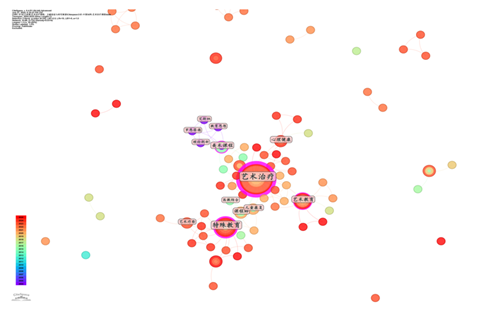
Figure 1 Keyword Co-Occurrence Knowledge Map
Figure 1 generated via CiteSpace from Chinese-language literature, illustrates the thematic landscape and interdisciplinary connections of the field. Art Therapy serves as the central core, exhibiting strong co-occurrence links with Special Education, Art Education, and Mental Health. The network structure highlights a clear progression from theoretical foundations (represented by nodes such as Lowenfeld and Eisner) to practical application domains, particularly in Child Rehabilitation and Med-Ed Integration.
Figure 2
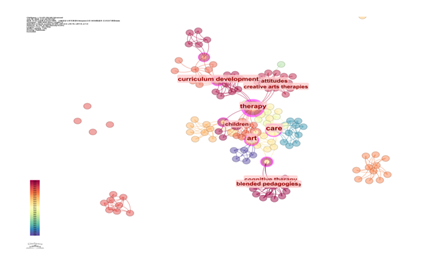
Figure 2 Keyword Co-Occurrence Knowledge Map
2.3. Structural Validity and Thematic Clustering
To ensure the identified thematic domains are statistically robust, this study used the CiteSpace clustering function, which aggregates closely related keywords based on their co-citation and occurrence patterns. The quality of these clusters was assessed using two primary metrics: the Modularity Q-value "(Q)" and the Mean Silhouette value "(S)" . Generally, a structure is considered significant when "Q>0.3" , signifying that the network has been effectively partitioned into distinct communities. Furthermore, the results are deemed highly convincing and homogeneous when "S ≥ 0.7" , indicating that the nodes within each cluster share a high degree of thematic consistency and internal logic.
As illustrated in Figure 3, the CNKI data yields a "Q = 0.745" and an "S = 0.9659" , indicating a distinct and credible clustering structure that effectively isolates specific pedagogical trends in Chinese art education. Similarly, the WoS data in Figure 4 demonstrates significant structural validity with a "Q = 0.8042" and an "S = 0.9515" , further confirming that the international research themes are remarkably distinct and statistically robust. By synthesizing these high "Q " and "S" values from both datasets, it can be concluded that the generated maps provide a reliable foundation for analyzing the core research themes and the evolving global landscape of art therapy curricula.
Figure 3
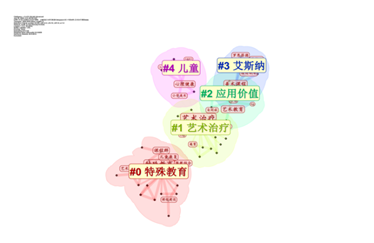
Figure 3 Keyword Clustering Knowledge Map
Figure 3 illustrates a keyword co-occurrence network generated via CiteSpace from Chinese-language literature. The network is divided into five major thematic clusters: #0 Special Education, #1 Art Therapy, #2 Application Value, #3 Eisner (Theoretical Frameworks), and #4 Children.
Figure 4
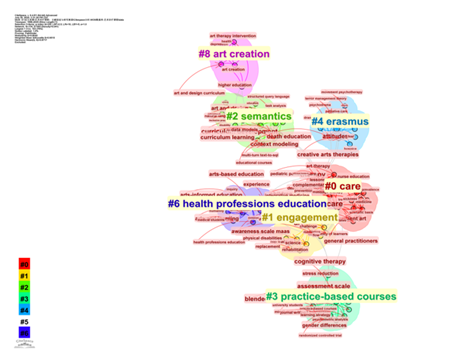
Figure 4 Keyword Clustering Knowledge Map
2.4. Identification of Core Research Domains
By synthesizing the highest-ranking clusters from the visualization data and their representative keywords, this review identifies the primary thematic directions defining the current literature. This process involves aggregating specific clusters into cohesive research domains based on their conceptual overlap and institutional focus. Figure 3 and Figure 4 provide the visual basis for this categorization, with their most significant data points systematically organized in Table 1 and Table 2, respectively. By translating these complex network connections into structured tables, we can identify the underlying theoretical priorities that govern both domestic and international scholarship.
Based on this systematic aggregation, the literature is categorized into two distinct thematic frameworks. The Domestic (Chinese) Perspective, derived from the clustering in Figure 3 and Table 1, emphasizes that the research domains within the field of art therapy curricula can be categorized into the following three primary areas:
1) Perspectives on Art Therapy Curricula within the Field of Special Education
2) Perspectives on Pedagogical Challenges in Art Therapy Curricula
3) Perspectives on the Applied Value of Art Therapy Curricula
Table 1
|
Table 1 Summary of Keyword Clusters (CNKI) |
||||
|
Cluster
ID |
Size |
Silhouette
(S) |
Start
Year |
Representative
Keywords |
|
0 |
18 |
0.964 |
2020 |
Special
Education; Art Therapy; Intellectual Disability; Museum; Special Children |
|
1 |
17 |
1 |
2021 |
Art
Therapy; Special Education; Curriculum and Teaching; Art Health and Wellness;
Cultural Confidence |
|
2 |
7 |
0.9 |
2021 |
Application
Value; Art Education; University Education; Counseling Orientation; Art
Therapy |
Conversely, from the International (Global) Perspective, integrating the keyword data from Table 2 and the visualization insights from Figure 4 provides a robust foundation for the subsequent analysis of how these diverse research paths intersect within the global art therapy landscape. The international research landscape of art therapy curricula can be categorized into five primary thematic directions, such as:
1) Perspectives on the Fundamental Domains of Nursing and Care
2) Perspectives on Marital Issues and Family Dynamics
3) Perspectives on Semantic Research Frameworks
4) Perspectives on Practice-Oriented Curricula
5) Perspectives on the European Union’s Erasmus+ Program
Table 2
|
Table 2 Summary of Keyword Clusters (WoS) |
||||
|
Cluster
ID |
Size |
Silhouette
(S) |
Start
Year |
Representative
Keywords |
|
0 |
21 |
0.962 |
2005 |
care;
palliative; sickness;complementary;
integrative medicine |
|
1 |
19 |
0.913 |
2010 |
engagement;
program; mothers; children; members |
|
2 |
18 |
1 |
2022 |
semantics;
task analysis; curriculum learning; curriculum development; museums |
|
3 |
14 |
0.964 |
2024 |
practice-based
courses; blended pedagogies; mindfulness; motivation; journal writing |
|
4 |
13 |
1 |
2020 |
erasmus; creative arts therapies; students; palliative
care; death education |
3. Descriptive Review: Synthesizing Representative Research Findings
Building upon the bibliometric clusters, the descriptive review explores the core thematic pillars of art therapy curricula. As of August 5, 2025, a comprehensive synthesis of the literature from Web of Science, Google Scholar, and CNKI reveals a multidimensional landscape characterized by the transition of art therapy from clinical practice to diverse educational frameworks. The objective of this review is to evaluate the qualitative efficacy and theoretical foundations of these curricula and to identify how various artistic modalities, from traditional painting to contemporary digital media, serve as tools for psychological and social transformation. The following sections evaluate the evidence across the lifespan, ranging from foundational pedagogical frameworks to clinical interventions, providing a holistic overview of the field’s global developmental trajectory.
3.1. The Convergence of Art Therapy and Art Education
Scholars have increasingly investigated the intrinsic links between clinical art therapy and traditional art education, emphasizing that therapeutically-oriented curricula exert a significant positive influence on students’ psychological and physical well-being Anderson et al. (1998), Barron (2019). Theoretical scaffolding for this integration is rooted in foundational developmental frameworks and analytical psychology, which provided the original structure for introducing therapeutic art into school systems Bush and Levick (1997), McWhinnie (1985). Modern advancements have further refined this convergence, leveraging digital intelligence pathways to align artistic production with psychological milestones Yuan et al. (2025). By allowing students to externalize internal conflicts within a safe educational environment, these curricula foster both artistic literacy and emotional resilience, serving as a proactive intervention for holistic student development.
From a postmodern perspective, visual arts activities grounded in Olivia Gude’s principles have proven effective in channeling adolescent anxiety into creative output Ferry (2016). Within the Chinese educational context, empirical evidence suggests that incorporating psychological drawing analysis and Social and Emotional Learning (SEL) into fine arts instruction effectively fosters social inclusivity and emotional self-awareness Atkinson and Robson (2012), Scicluna (2020), Xu et al. (2021). This integration allows students to navigate complex emotional landscapes by translating abstract distress into tangible imagery. Furthermore, the use of culturally adaptive artistic forms, ranging from traditional expressive modalities to contemporary mindfulness-based drawing, offers a unique developmental pathway for promoting emotional intelligence and psychological resilience Karkou (1999), McCord et al. (2025). By fusing these diverse artistic traditions with modern clinical frameworks, educators can create a liminal space for transformation that supports long-term mental well-being and adolescent growth.
3.2. Integration of Art Therapy within Primary, Secondary, and Early Childhood Education
Art therapy revitalizes mental health curricula in primary and secondary education by enhancing engagement, practicality, and psychological efficacy Carsley and Heath (2018), McManus (1993). International scholarly discourse emphasizes that integrating expressive arts into K-12 and early childhood programs enables structured exploration of emotional and affective challenges through nonverbal narration Atkinson and Robson (2012), Brown and Sax (2013). By utilizing Cognitive Behavioral Art Therapy (CBAT), educators have demonstrated significant gains in students' psychological resilience and social-emotional functioning Sitzer and Stockwell (2015). These initiatives are no longer marginalized as extracurricular activities but are increasingly viewed as core components of a proactive mental health strategy that addresses the developmental needs of diverse participant demographics.
Furthermore, the implementation of Art Therapy Group Counseling (ATGC) and arts-based interventions has proven highly effective in mitigating adolescent aggression and fostering social inclusivity in mainstream high school settings Gibbons (2010), Olson (2021). These programs address practical barriers, such as low student engagement in traditional self-awareness education, by providing a direct and immersive medium for emotional growth Heise (2014). In early childhood education, these curricula are essential for fostering multiple intelligences and emotional resilience from a formative stage Atkinson and Robson (2012). Most notably, recent research on the strategic evolution of the field suggests that integrating digital-intelligence pathways significantly enhances emotional management capabilities, offering a scalable and innovative model for high schoolers in the contemporary digital era Ke et al. (2025). This evolution confirms that art therapy has successfully moved from a clinical niche into a pioneering educational objective that supports holistic well-being.
3.3. Disciplinary Knowledge and Curricular Frameworks
The formalization of art therapy as an academic discipline requires the construction of robust knowledge systems and standardized training models. Scholarly discourse in this domain emphasizes three critical areas of development:
3.3.1. Professional Standards and Certification
The institutionalization of art therapy requires standardized educational frameworks and professional codes of conduct to ensure global consistency Potash et al. (2012). While art therapy training in China has gained significant traction, recent critical evaluations indicate that the disciplinary system and professional certification mechanisms still require comprehensive refinement to reach international maturity. To ensure long-term sustainability, modern training standards emphasize a transition toward rigorous competencies that prioritize digital ethics and research-led practice, bridging the gap between theoretical knowledge and professional expertise Ke et al. (2025), Gerber (2006).
3.3.2. Interdisciplinary Pedagogical Models
A prominent trend in the literature is the successful integration of art therapy into medical, nursing, and vocational curricula. Collaborative Expressive Arts programs have demonstrated that project-based art curricula significantly enhance empathy and deepen the cognitive grasp of the patient experience among medical and nursing students De la Croix et al. (2011). Similarly, in the vocational and higher education sectors, specialized frameworks have been established to cultivate composite talents proficient in both clinical rehabilitation and studio-based pedagogy Frenk et al. (2022). These models foster essential social-emotional reciprocity and interaction, demonstrating the versatility of art therapy as a tool for professional identity formation across diverse healthcare landscapes Atkinson and Robson (2012).
3.3.3. Theoretical and Multicultural Frameworks
Modern art therapy education is increasingly informed by diverse philosophical foundations, ranging from feminist pedagogy, which serves as a framework for social change, to transpersonal psychology, which bridges traditional psychology with consciousness studies Franklin et al. (2000), Hahna (2013). Furthermore, as the discipline expands globally, there is a critical push for multicultural and anti-racist frameworks. These guidelines assist educators in designing culturally sensitive curricula that remain relevant in diverse contexts, ensuring that training models are adapted to local cultural nuances rather than relying solely on Western paradigms Doby-Copeland (2006).
3.4. Special Education and Inclusive Curricula
Due to the physiological and psychological particularities of children with special needs, researchers advocate for unique pedagogical pathways that treat art as both a counselling tool and a robust educational medium Peter (2018), Xu et al. (2021). In modern work-study and inclusive environments, expressive arts therapy has proven highly effective in alleviating academic anxiety and impulsivity by facilitating non-verbal emotional regulation Sitzer and Stockwell (2015). For students with complex learning needs, specialized drawing-based interventions and group modalities are critical tools for stabilizing attention spans and enhancing cognitive concentration Brown and Sax (2013). Phenomenological studies of at-risk students further elucidate the critical points of convergence between therapeutic methodology and special education pedagogy, emphasizing the need for a scaffolded environment that supports individual developmental milestones Kay (2008).
Building on these foundational successes, the field has evolved toward a more integrated model that fuses clinical rehabilitation with structured studio pedagogy to address complex social deficits. Recent evidence-based frameworks suggest that specialized art therapy curricula are essential for fostering social-emotional reciprocity and interpersonal interaction within primary and secondary special education Atkinson and Robson (2012). These interventions move beyond simple symptom reduction to prioritize holistic development, using the creative arts to bypass cognitive barriers and enable students to engage relationally through artistic synchrony Friesem (2014). Furthermore, the strategic application of postmodern visual arts principles has been shown to effectively channel adolescent anxiety into productive creative output, fostering a sense of agency and professional self-confidence Ferry (2016). Ultimately, this comprehensive approach ensures that children with special needs can achieve greater emotional autonomy and social inclusivity within the mainstream educational landscape.
3.5. University Students’ Mental Health and Resilience
The application of art therapy in higher education has been empirically validated to enhance subjective well-being and psychological resilience among diverse student populations Atkinson and Robson (2012), Ferry (2016). By integrating positive psychology into counseling courses, these curricula significantly improve self-identity and interpersonal skills, fostering a developmental environment where students can navigate the complexities of social adaptability Shen et al. (2021). Recent advancements in digital intelligence pathways further support this growth, providing high school- and university-age students with innovative tools for emotional regulation and self-disclosure Yuan et al. (2025). This therapeutic alignment effectively mitigates academic burnout and modulates motivation to learn, providing a sense of achievement that bolsters professional self-confidence during critical developmental transitions Zhang and Abdullah (2024).
Beyond individual interventions, scholars increasingly advocate for structural and sustainable frameworks within campus mental health systems. The establishment of permanent Art Therapy Practice Bases is proposed as a vital strategic approach to ensure long-term support and exploration of the family of origin for the student body Atkinson and Robson (2012). These institutional practice bases enable the consistent application of drawing-based and mindfulness-integrated therapies, which have proven effective in enhancing distress tolerance and in mediating the relationship between psychological resilience and creative expression. This shift toward institutionalized practice, supported by the latest 2025 research, marks a transition from reactive counseling to a proactive, pioneering educational framework for university mental health.
3.6. Interventions for Specific Developmental Disorders
Art-based interventions offer unique advantages for neurodiverse populations by providing a sensory-rich, non-verbal medium for engagement. For children with ADHD, expressive arts curricula have proven effective in reducing classroom-disruptive behaviors and enhancing socialization by channeling high energy into structured creative output Henley (1999), Atkinson and Robson (2012), Tan et al. (2025). In the context of Autism Spectrum Disorder (ASD), drama therapy and curricula tailored to specific cognitive learning patterns are instrumental in mitigating stereotypical behaviors and increasing social engagement D’Amico et al. (2015), Lambert (2018), Tan et al. (2025). These specialized pedagogical models allow neurodiverse students to navigate social barriers through creative synchrony, fostering a deeper sense of relational connection and emotional autonomy.
Furthermore, the versatility of art therapy extends to children with sensory and communication impairments, where traditional verbal therapies may be limited. For those with complex developmental needs, art therapy provides a vital safe medium that fosters significant gains in cognitive processing and interpersonal communication skills Xu et al. (2021). Recent evidence-based frameworks suggest that these interventions are essential for fostering social-emotional reciprocity, moving beyond simple symptom reduction to prioritize holistic development Atkinson and Robson (2012). By fusing clinical rehabilitation with studio-based pedagogy, educators can create inclusive environments that empower students with developmental disorders to achieve meaningful academic and social milestones.
3.7. Adult Mental Health and Rehabilitation
Substantial evidence supports the efficacy of art therapy in adult psychiatric and community rehabilitation, where it serves as a bridge between clinical treatment and social reintegration. In psychiatric settings, systematic reviews confirm that art therapy alleviates the negative symptoms of schizophrenia while strengthening self-boundary capabilities and fostering a sense of agency Stuebing et al. (2020). Similarly, in recovery and correctional settings, specialized art curricula refine motivation and improve self-control by providing a structured outlet for emotional regulation and cognitive reframing. In carceral environments, art fosters a greater inclination toward gratitude and an objective perception of life, supporting a transformative path toward rehabilitation and long-term behavioral change Ferry (2016).
The application of creative arts therapies also plays a critical role in palliative and geriatric care, where the focus shifts to quality of life and dignity. Mindfulness-based and multimodal art interventions significantly alleviate anxiety and depression in the elderly and cancer patients, providing a unique psychological path for promoting emotional intelligence during terminal illness Barton (2011), Visser and Hoog (2008), Xia and Muslim bin Md Zalli (2025). Recent research highlights the evolution of these practices into contemporary mindfulness-based drawing, which serves as a unique developmental path for promoting psychological resilience in late-life transitions McCord et al. (2025). By fusing diverse artistic traditions with modern clinical frameworks, these interventions support long-term mental well-being across the adult lifespan.
4. Research Prospects: Expanding Directions for Art Therapy Curriculum Studies
4.1. Expanding Standards and Evaluation Frameworks for School-Based Art Therapy Curricula
Amid the widespread use of art therapy, schools serve as vital educational environments in which the development of standardized protocols and evaluation systems is paramount. As evidenced by the preceding review, while numerous studies have explored the efficacy of art therapy across various educational contexts, there remains a notable lack of systematic synthesis on specific curricular standards and evaluation methodologies for school-based programs.
Future research should prioritize expanding standards for school-based art therapy curricula by clearly defining key elements, including pedagogical objectives, content design, implementation protocols, and faculty qualifications, to ensure scientific rigor and instructional effectiveness. Concurrently, it is essential to establish a comprehensive and objective evaluation framework. This system should not only monitor improvements in students' mental health but also encompass instructional efficacy, student engagement, and curricular sustainability.
Furthermore, since art therapy has been shown to bolster students' self-confidence and self-efficacy while fostering a positive outlook on life, the evaluation framework must integrate these multidimensional factors to ensure the curriculum facilitates holistic personal development. By implementing rigorous standards and evidence-based assessment, researchers can provide a robust foundation for the scaling and optimization of school-based art therapy, ensuring it effectively serves the broader goals of mental health education.
4.2. Advancing Case Study Research on Positive-Oriented Art Therapy Curricula
Positive-oriented art therapy curricula focus on tapping into students' inner potential and cultivating positive psychological traits, such as optimism, self-confidence, and creativity. However, contemporary empirical research, particularly case studies within the school education sector, remains insufficient. To advance this orientation, future research must deepen the systematic extraction and analysis of practical case data.
By gathering longitudinal case studies from diverse school settings and age groups, researchers can synthesize successful implementation strategies and identify recurring challenges. Such efforts will facilitate the exploration of curricular models and pedagogical methods tailored to the specific needs of varied student populations. Furthermore, future inquiries should investigate the long-term impact of these courses on students’ psychological resilience and explore strategies for the organic integration of positive art therapy with conventional school curricula to foster a synergistic educational environment. A robust repository of practical case studies will provide the necessary empirical foundation to promote positive-oriented art therapy, ultimately advancing the holistic development of mental health education.
4.3. Enriching Empirical Research on Art Therapy Curricula Using Chinese Student Samples
Although research on art therapy curricula by Chinese scholars has increased in recent years, empirical studies specifically targeting Chinese student populations remain scarce compared to international counterparts. As of January 23, 2025, a search on the China National Knowledge Infrastructure (CNKI) with Art Therapy as the primary theme returned 1,460 articles. From 1983 to 2025, the volume of publications has shown a consistent upward trend, with a particularly significant surge occurring after 2004, as shown in Figure 5. Simultaneously, an analysis of contemporary digital-intelligence pathways and professional discourse networks reveals a burgeoning grassroots discussion and practical application of art therapy across various industries. It is evident that since the turn of the 21st century, the understanding of art therapy among Chinese scholars has deepened, resulting in notable academic achievements and the emergence of innovative, scalable models for emotional management and self-disclosure Ke et al. (2025).
However, an analysis of the distribution of major thematic data on CNKI, as shown in Figure 6, indicates that articles directly integrating art therapy into educational frameworks, such as Mental Health Education, Fine Arts Education, and Art Education, total only 81. This accounts for less than 10% of the total publications in the domestic Art Therapy field. Clearly, Chinese scholarship regarding the educational application of art therapy is still in its nascent stages. Further review of dissertations and journal articles reveals that research specifically combining Art Therapy and Curriculum is limited, primarily consisting of theoretical explorations and a few isolated case analyses, with a distinct lack of systematic empirical data.
Furthermore, while some studies demonstrate empirical intent, they often lack methodological innovation, generally adhering to two rigid perspectives:
1) Quantitative psychometric shifts: Utilizing scales (most commonly the SAS/SDS, alongside the Piers-Harris Children’s Self-Concept Scale, Mental Health Inventory for Middle School Students, Interpersonal Behavior Survey, and Group Counseling Satisfaction Self-Rating Scale) to measure numerical changes post-intervention as the sole evidence of mental health improvement.
2) Qualitative tracking: Employing projectivity tests (frequently the House-Tree-Person test) combined with interviews to monitor the psychological shifts of participants, thereby validating the curriculum's value.
In summary, existing research relies on a relatively narrow range of tools and methodologies, leaning heavily on traditional scales or basic interview protocols. There is a pressing need for greater innovation and scientific rigor in research design to provide more robust evidence for the field's development.
Figure 5
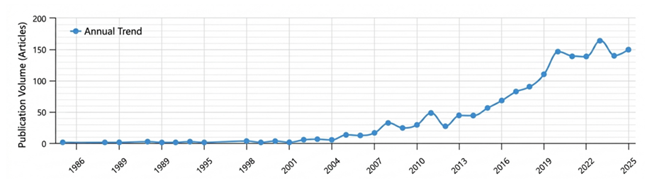
Figure 5 Publication Volume on "Art Therapy" via CNKI (1983–2025)
Figure 6
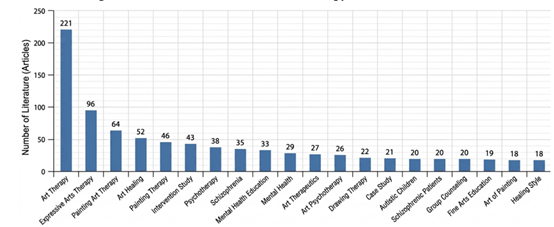
Figure 6 Publication Volume by Major Thematic Categories of
"Art Therapy" via CNKI (1983–2025)
International scholarship has extensively explored the application of art therapy within educational and curricular settings, providing empirical validation of its efficacy across various developmental stages. Over the past decade, international research in this field has trended upward, particularly in special education, where studies have demonstrated the positive impact of art therapy on learners' cognitive, emotional, and social capacities. In China, while interest in art therapy is burgeoning, a discernible gap remains in the volume and breadth of empirical research compared to global benchmarks.
From a socio-psychological perspective, psychological inquiry is inextricably linked to participants' ideology and cultural context. This underscores the necessity of recognizing sample specificity and developing population-specific norms. Consequently, conducting empirical research on art therapy curricula tailored to the Chinese context remains a highly innovative endeavor. To advance this field domestically, future studies must expand the empirical evidence base using Chinese student samples. Research should be grounded in the unique psychological profiles and cultural backgrounds of local students, with a focus on developing indigenous assessment tools and methodologies.
Specifically, researchers should adopt multidimensional assessment frameworks that integrate behavioral observation, in-depth interviews, and longitudinal case analyses to comprehensively evaluate the impact of art therapy on student well-being. Furthermore, emphasis should be placed on longitudinal tracking to explore the therapeutic role of art therapy across different educational tiers, including special education, primary/secondary schooling, and high school fine arts programs. By elucidating the current application status and underlying mechanisms of influence, researchers can provide the robust empirical support necessary to refine and implement large-scale art therapy curricula in China.
5. Conclusion
Through a systematic review of the art therapy curriculum landscape, this study has elucidated the multi-faceted research achievements and practical experiences within the field, while simultaneously identifying critical gaps that remain to be addressed. Future research should prioritize the following dimensions: first, the expansion of standardized protocols and evaluation frameworks for school-based art therapy to ensure scientific rigor and instructional efficacy; second, the strengthening of case study research on positive-oriented art therapy, specifically exploring its unique value in cultivating students' positive psychological traits; and third, the enrichment of empirical research utilizing Chinese student samples. By grounding studies in the local cultural context and developing indigenous assessment tools and methodologies, researchers can provide the robust evidence necessary to optimize and widely promote these programs. It is only through such advancements that art therapy curricula can fulfill their increasingly vital role within educational practice. Ultimately, this study anticipates a future where high-quality research outcomes continue to emerge, injecting renewed vitality and momentum into the field of mental health education.
CONFLICT OF INTERESTS
None.
ACKNOWLEDGMENTS
None.
REFERENCES
Anderson, T., Eisner, E., and McRorie, S. (1998). A Survey of Graduate Study in Art Education. Studies in Art Education, 40(1), 8–25. https://doi.org/10.1080/00393541.1998.11650042
Atkinson, S., and Robson, M. (2012). Arts and Health as a Practice of Liminality: Managing the Spaces of Transformation for Social and Emotional Wellbeing With Primary School Children. Health and Place, 18(6), 1348–1355. https://doi.org/10.1016/j.healthplace.2012.06.017
Averch, S. A. (1982). An Art Therapy Curriculum and Teaching Strategy for Schizophrenic Adults in a Day Treatment Setting. Harvard University.
Barron, V. R. (2019). Can Curriculum Art Lessons Develop Adolescents’ Healthy Self-Esteem, Emotional Wellbeing, Better Relationships and Art Grades? University of Buckingham Repository.
Barton, E. J. (2011). Movement and Mindfulness: A Formative Evaluation of a Dance/Movement and Yoga Therapy Program with Participants Experiencing Severe Mental Illness. American Journal of Dance Therapy, 33(2), 157–181. https://doi.org/10.1007/s10465-011-9121-7
Brown, E. D., and Sax, K. L. (2013). Arts Enrichment and Preschool Emotions for Low-Income Children at Risk. Early Childhood Research Quarterly, 28(2), 337–346. https://doi.org/10.1016/j.ecresq.2012.08.002
Bush, J., and Levick, M. F. (1997). The Handbook of School Art Therapy: Introducing Art Therapy into a School System. Charles C Thomas Publisher.
Carsley, D., and Heath, N. L. (2018). Effectiveness of Mindfulness-Based Colouring for Test Anxiety in Adolescents. School Psychology International, 39(3), 251–272. https://doi.org/10.1177/0143034318773523
D’Amico, M., Lalonde, C., and Snow, S. (2015). Evaluating the Efficacy of Drama Therapy in Teaching Social Skills to Children with Autism Spectrum Disorders. Drama Therapy Review, 1(1), 21–39. https://doi.org/10.1386/dtr.1.1.21_1
De la Croix, A., Rose, C., Wildig, E., and Willson, S. (2011). Arts-Based Learning in Medical Education: The Students’ Perspective. Medical Education, 45(11), 1090–1100. https://doi.org/10.1111/j.1365-2923.2011.04060.x
Doby-Copeland, C. (2006). Cultural Diversity Curriculum Design: An Art Therapist’s Perspective. Art Therapy, 23(4), 172–180. https://doi.org/10.1080/07421656.2006.10129330
Ferry, L. M. (2016). Turning Anxiety into Creativity: Using Postmodern Principles to Alleviate Anxiety and Stress Through the Art Curriculum and Beyond.
Franklin, M., Farrelly-Hansen, M., Marek, B., Swan-Foster, N., and Wallingford, S. (2000). Transpersonal Art Therapy Education. Art Therapy, 17(2), 101–110. https://doi.org/10.1080/07421656.2000.10129507
Frenk, J., Chen, L., Chandran, L., Groff, E., King, R., Meléis, A., and Fineberg, H. (2022). Challenges and Opportunities for Educating Health Professionals after the COVID-19 Pandemic. The Lancet, 400, 1539–1556. https://doi.org/10.1016/S0140-6736(22)02092-X
Friesem, E. (2014). A Story of Conflict and Collaboration: Media Literacy, Video Production and Disadvantaged Youth. Journal of Media Literacy Education, 6(1), 4–13. https://doi.org/10.23860/jmle-6-1-4
Gerber, N. (2006). The Essential Components of Doctoral-Level Education for Art Therapists. The Arts in Psychotherapy, 33(2), 98–112. https://doi.org/10.1016/j.aip.2005.08.002
Gibbons, K. (2010). Circle Justice: A Creative Arts Approach to Conflict Resolution in the Classroom. Art Therapy, 27(2), 84–89. https://doi.org/10.1080/07421656.2010.10129716
Guay, D. M. (1994). Students with Disabilities in the Art Classroom: How Prepared are we? Studies in Art Education, 36(1), 44–56. https://doi.org/10.1080/00393541.1994.11650437
Hahna, N. D. (2013). Towards an Emancipatory Practice: Incorporating Feminist Pedagogy in the Creative Arts Therapies. The Arts in Psychotherapy, 40(4), 436–440. https://doi.org/10.1016/j.aip.2013.05.002
Hash, P. (2021). Therapeutic Effects of Expressive Arts Curriculum in Composition Courses. Journal of Creativity in Mental Health, 16(3), 374–409. https://doi.org/10.1080/15401383.2020.1848679
Heise, D. (2014). Steeling and Resilience in Art Education. Art Education, 67(3), 26–30. https://doi.org/10.1080/00043125.2014.11519270
Henley, D. (1999). Facilitating Socialization within a Therapeutic Camp Setting for Children with Attention Deficits Utilizing the Expressive Therapies. American Journal of Art Therapy, 38(2), 40–45.
Karkou, V. (1999). Art Therapy in Education: Findings from a Nationwide Survey in Arts Therapies. International Journal of Art Therapy, 4(2), 62–70. https://doi.org/10.1080/17454839908413078
Kay, L. (2008). Art Education Pedagogy and Practice with Adolescent Students at Risk in Alternative High Schools. Northern Illinois University.
Ke, Z., Meng, X., and Mustafa, M. (2025). Art Healing or Art Therapy? Untangling Conceptual Confusion in China and Advancing a Pathway Toward Community Institutionalization. Frontiers in Psychology, 16, 1708156. https://doi.org/10.3389/fpsyg.2025.1708156
Kearns, D. (2004). Art Therapy with a Child Experiencing Sensory Integration Difficulty. Art Therapy, 21(2), 95–101. https://doi.org/10.1080/07421656.2004.10129551
Lambert, M. J. (2018). Adapting curriculum for autism in art education. UNI ScholarWorks.
McCord, A., McKenny, S., and Horstmanshof, L. (2025). Effects of Zentangle on Older Adults’ Anxiety, Happiness, and Dexterity. Activities, Adaptation and Aging, 49(1), 88–115. https://doi.org/10.1080/01924788.2024.2317026
McManus, A. (1993). The effectiveness of art therapy with grade 7 and 8 students in a special program attendance curriculum. Canadian Art Therapy Association Journal, 7(1), 15–29. https://doi.org/10.1080/08322473.1993.11434747
McWhinnie, H. J. (1985). Carl Jung and Heinz Werner and Implications for Foundational Studies in Art Education and Art Therapy. The Arts in Psychotherapy. https://doi.org/10.1016/0197-4556(85)90028-0
Olson, H. (2021). Group Curriculum Combining Expressive Arts Therapy and Rainbowdance: A Literature Review (Expressive Therapies Capstone Theses, 503).
Peter, M. (2018). Art for All-I: The Framework. Routledge. https://doi.org/10.4324/9781351111713
Potash, J. S., Bardot, H., and Ho, R. T. (2012). Conceptualizing International Art Therapy Education Standards. The Arts in Psychotherapy, 39(2), 143–150. https://doi.org/10.1016/j.aip.2012.03.003
Potash, J. S., Chen, J. Y., Lam, C. L., and Chau, V. T. (2014). Art-Making in a Family Medicine Clerkship: How does it Affect Medical Student Empathy? BMC Medical Education, 14(1), 247. https://doi.org/10.1186/s12909-014-0247-4
Scicluna, D. (2020). Integration of Social and Emotional Learning within a Photography Curriculum to Improve Student Resiliency (Master’s thesis, The University of the Arts).
Shen, P. Q., Duan, L. L., and Zhu, D. (2021). Feasibility Analysis of the Application of Expressive Arts in Mental Health Courses. Psychology Monthly, 16(6), 222–223. https://doi.org/10.19738/j.cnki.psy.2021.06.109
Sitzer, D. L., and Stockwell, A. B. (2015). The Art of Wellness: A 14-Week Art Therapy Program for at-Risk Youth. The Arts in Psychotherapy, 45, 69–81. https://doi.org/10.1016/j.aip.2015.05.007
Stuebing, M. D., Lorenz, H., and Littlefield, L. M. (2020). Literacy-Free 12-Step Expressive Arts Curriculum Enhances Engagement and Treatment Outcomes. Alcoholism Treatment Quarterly, 38(2), 250–265. https://doi.org/10.1080/07347324.2019.1681331
Tan, S., Lin, K., and Huang, R.
(2025). Neurodevelopmental
Impacts of Early Fluoride Exposure: Investigating Potential Links to ADHD and Public Health Implications.
Fluoride, 58(Suppl.), e364.
Xu, M., Meng, M., and Hou, Y. (2021). Theoretical Orientation and Educational Application of Visual Art Therapy. In Proceedings of the 2021 2nd International Conference on Computers, Information Processing and Advanced Education ( 1243–1246). https://doi.org/10.1145/3456887.3457499
Xia, Y., and Muslim Bin Md Zalli, M. (2025). Dimensions and Determinants of Psychological Adaptation Among Chinese College Students. International Journal of Management Thinking, 3(1), 38–60. https://doi.org/10.56868/ijmt.v3i1.87
Xiaohang, Y., Ladina, C. A., and Shile, C. (2025). Art Therapy Curriculum as a Pathway to Adolescent Mental Health. Arts Educa, 43.
Xiaohang, Y., Ladin, C. A., Dayou, D., Lei, N., Zihao, W., Shuo, W., Xinghua, L., and Qinghong, W. (2023). Applying the Artistic Psychological Painting Course to Improve the Mental Health of Middle School Students. American Journal of Education and Practice. https://doi.org/10.47672/ajep.1417
Yang, Y. (2025). Understanding Social-Emotional Development Through Music. Journal of Advances in Humanities Research, 4(2), 1–17. https://doi.org/10.56868/jadhur.v4i2.266
Yuan, Y., Wang, Z., Bai, X., and Fan, X. (2025). Research on the Application of Image Art Therapy in Universities. In Proceedings of the 4th International Conference on Science Education and Art Appreciation (p. 442). Atlantis Press. https://doi.org/10.2991/978-2-38476-452-5_56
Zhang, B., and Abdullah, A. (2024). The Effectiveness of Expressive Arts Therapy in Reducing Academic Burnout Among College Students. Artseduca, 39, 129–151. https://doi.org/10.15581/015.39.129-151
|
|
 This work is licensed under a: Creative Commons Attribution 4.0 International License
© ShodhKosh 2026. All Rights Reserved.