ShodhKosh: Journal of Visual and Performing ArtsISSN (Online): 2582-7472
|
|
AI-Based Design Optimization in Fashion, Interior, and Industrial Design: A Data-Driven Approach
Soni Kiran Kendre 1 , Kanchan Dhote 2
 , Manali Patil 3
 , Manasi Patil 4
 , Dr. Parul Bhanarkar 5
 , Dr Rajesh Kulkarni 6
1 Department
of Computer Engineering, Dr. D.Y. Patil Institute of Technology, Pimpri, Pune,
Maharashtra, India
2 Electronics
Engineering Department, Ramdeobaba University, Nagpur, Maharashtra, India
3 Department of Computer Engineering, Dr. D. Y. Patil Institute of
Technology, Pimpri, Pune, Maharashtra, India
4 Department of Computer Engineering, Dr. D. Y. Patil Institute of
Technology, Pimpri, Pune, Maharashtra, India
5 Department of Computer Science and Engineering, Babasaheb Naik College
of Engineering, Pusad, Maharashtra, India
6 Senior, Associate Professor, MVSR Engineering College, Hyderabad,
India
|
|
|
ABSTRACT |
|
|
The rapid
growth of the Artificial Intelligence (AI) has transformed the manner
designers operate significantly, enabling optimization of data, and decision
making based on the intelligence in different areas. The paper at hand
presents one design-optimization system relying on AI that can be implemented
in fashion, interior, and industrial design to enhance its creativity,
efficiency, and performance. The proposed solution integrates machine and
deep learning with generative models, such as Generative Adversarial Networks
(GANs) and diffusion models to generate and train design solutions. A
multi-layered system is designed, which involves data gathering, feature
generation, AI-based design generation, optimization and human-AI interaction
to facilitate iterative and adaptive design procedures. The study design is a
combination of a research design which combines both qualitative and
quantitative research design. Multi-source datasets are used to train and
validate the model using the user preferences, market trends, design
repositories and environmental data. An optimization plan is developed with
multi-objective approach to balance the important design criteria, such as
aesthetic quality, functionality, and cost efficiency, sustainability, and
user satisfaction. The experimental evidence shows that the proposed model
achieves a great improvement in design efficiency, personalization, and
optimization potentials in all three areas compared to the traditional design
methods. Comparative analysis and graphical evaluations also demonstrate the
functionality of the framework in generating quality and scalable design
solutions. Human-in-the-loop mechanisms are also integrated to make sure that
creative control and contextual relevance is retained and that the computational
intelligence is exploited. In spite of the issues surrounding the quality of
the data, the complexity of computations, and the interpretation, the
suggested framework offers a solid basis of the next-generation intelligent
design systems. The study helps to fill the gap between human creativity and
optimization by AI and provides more innovative, adaptive, and sustainable
design practices. |
|||
|
Received 10 January 2026 Accepted 03 March
2026 Published 17 April 2026 Corresponding Author Soni
Kiran Kendre, sonigutte02@gmail.com DOI 10.29121/shodhkosh.v7.i5s.2026.7661 Funding: This research
received no specific grant from any funding agency in the public, commercial,
or not-for-profit sectors. Copyright: © 2026 The
Author(s). This work is licensed under a Creative Commons
Attribution 4.0 International License. With the
license CC-BY, authors retain the copyright, allowing anyone to download,
reuse, re-print, modify, distribute, and/or copy their contribution. The work
must be properly attributed to its author.
|
|||
|
Keywords: Artificial Intelligence (AI), Design Optimization,
Generative Adversarial Networks (GANs), Deep Learning, Data-Driven Design,
Fashion Design, Interior Design, Industrial Design |
|||



1. INTRODUCTION
The high rate of development of Artificial Intelligence (AI) has dramatically revolutionized the conventional design processes in various fields, such as fashion, interior and industrial design. Traditionally, design has been a very intuitively and experience-based field, which has been dependent on the human thinking capacity, manual trial and error, as well as subjective decision-making. Although this method has yielded innovative results, it can be time-consuming to trial and error, not as scalable and difficult to balance aesthetic qualities and functionality. The past few years have seen the adoption of AI technologies that brought a paradigm shift and allowed designers to use data-driven insights, predictive analytics, and automated methods of optimization to boost creativity and performance. AI-based design optimization is the use of machine learning (ML), deep learning (DL) and generative models to process large data, detect trends and produce optimal design solutions. The technologies can be used to explore large design spaces that would be impractical to use manual methods. In the fashion industry, AI systems can be used to analyse preferences of consumers, fashion trends, material characteristics to create clothes designs that are most suitable to meet the market needs with limited wastage. On the same note, AI algorithms in interior design can be used to optimize the layout, lighting, and furniture placement to enhance functionality, comfort and aesthetic harmony. In industrial design, AI-based optimization helps in product development by optimizing ergonomics, material efficiency and manufacturability.
One of the requirements of AI-based design optimization is that big datasets of high quality are available. The intelligent models are trained using data obtained through interactions with the user, market trends, environmental conditions and production processes. Such models have the ability to infer complicated relations between the parameters of the design and performance results, which makes them create solutions that are innovative and efficient. Moreover, the development of new generative models, including Generative Adversarial Networks (GANs) and diffusion models, has increased the creativity of AI, making it possible to create new design ideas that combine aesthetics and functionality Zhang et al. (2021). Although these solutions have been made, there are still a number of obstacles to the implementation of AI-driven design optimization Oh et al. (2018). The multidisciplinary of the design fields further makes it difficult to come up with coherent AI models that can help them effectively address the unique needs of fashion, interior, and industrial design. This study tackles these issues by suggesting an all-inclusive data-driven solution to AI-based design optimization in various design fields.
The research will be focused on creating a coherent framework that will allow uniting sophisticated AI methods with specific project needs and creating effective and scalable design solutions. The main aims of this study are to (i) discuss how AI changes in the traditional design practices, (ii) determine the main parameters of optimization in various areas of design, (iii) create a powerful model of AI-based design optimization, and (iv) test the efficiency of the proposed solution with the help of relevant metrics.
2. Literature Survey
According to recent studies, AI-based design optimization is no longer considered a single-creative-help tool, but a data-driven, integrated workflow that aids in ideation, evaluation, personalization, and implementation (downstream) in fashion, interior, and industrial design. The latest research in fashion design focuses on computational creativity, neural style transfer, and immersive 3D reconstruction as the ways of speeding up the concept generation process, whilst maintaining designer control and visual fidelity Li et al. (2020), Cao (2023). The 2025 survey by Wu and Li places fashion AI in the wider context of computational creativity and claims that recent text-to-image and deep learning systems are becoming more applicable to the actual design practice and not just technical exploration. The research of Pan (2025) moves in this direction by introducing a deep-learning-based neural style transfer model which not only has a better visual quality and efficiency but also offers high style-retention and content-retention results. Ballon and others go further to optimize fashion digitally by FENRI, a neural-rendering model that learns to recreate 3D fashion objects with 2D images and compares designs in VR; they demonstrate that 3D Gaussian Splatting outperforms NeRF on PSNR, SSIM and LPIPS, demonstrating that faster and more accurate design iteration is feasible in practice Wu et al. (2023).
The other significant trend in the field of fashion relates to the fact that instead of mere automation the human-AI co-creation is now taking shape. In a 2025 study, Rizzi and Bertola discuss the possibility of integrating tools like Midjourney, ChatGPT, and Runway into various steps of the fashion design process, including the ideation of a concept, and the virtual presentation of a concept. They are especially relevant to their work since they do not consider AI as a substitute to designers but focus on their collaboration models. Another limitation of existing general-purpose generative tools, which has been also pointed out in the paper, is their ineffectiveness in domain-specific problems, including digital pattern making and virtual prototyping Avikal et al. (2020), Mistarihi et al. (2020). This implies that AI design optimization systems of the future in fashion have to integrate the creative generation with technical garment intelligence and workflow integration that can be controlled. Within interior design and the built environment, user-centered, data-driven spatial optimization is a topic that is gaining more and more attention in the literature. The state-of-the-art review by Zhang and Zhang examines 179 articles and groups applications of generative AI into site layout, interior design, and exterior design, along with comparing the rule-based methods, optimization/metaheuristics, and machine learning methods. Their review is particularly significant to this topic as it bridges the gap between design goals and constraints and data sources, benchmarking strategies, and performance measures, which are the pillars of any data-based optimization framework. To complement this review, in their 2025 residential layout study, Zhou and Pan suggest an adaptive workflow of text-to-design that converts household needs based on various stages of family life cycle into structured design cues to demonstrate how generative AI can be applied to develop more individualized and context-specific spatial solutions. Combined, these works suggest that AI in interior design is shifting towards evidence-based spatial planning as opposed to the visualization assistance Queipo et al. (2005), Yoo (2021).
Similarly, industrial design research is also exhibiting a definite shift to structured, traceable, and human-centered optimization of AI. The 2025 review by Villalba and Palomar concludes with the main trends such as the application of machine learning and natural language processing in order to extract customer requirements, deep learning in generating alternatives, and optimization algorithms in refining prototypes. It illustrates the fact that industrial design is starting to regard AI as an analysis and a creative partner Shin (2023). The 2026 framework by Chen and colleagues goes even further by suggesting a human–AI co-creation architecture based on GenAI, which interconnects requirements confirmation, concept generation, concept evaluation and 3D modeling via an artifact flow that is traceable. Their model also incorporates a concept-ranking model (using multi-criteria) and they report medium-high expert consistency and high Top-5 overlap between expert and group rankings, which shows that explainable and constraint-controlled AI support can enhance concept convergence and engineering handover reliability Yang (2024),Pfaff et al. (2021).
In general, three directions are implied by the recent literature. First, AI will be employed to not only generate ideation but also be optimized, evaluated, and support decision-making. Second, human-AI partnership is taking center stage particularly in situations where usability, technical feasibility, and creativity need to be struck. Third, even with the vast improvements, existing systems continue to experience repetitive constraints linked to the domain specificity, controllability, benchmark standardization, and integrating between creative results and real production constraints Kim (2025).
Table 1
|
Table 1
Summary of Related Work |
||||
|
Domain |
AI Technique Used |
Dataset / Input |
Optimization Objective |
Key Findings |
|
Industrial Design |
Generative Design, ML |
CAD models, simulation data |
Multi-objective (cost, strength, efficiency) |
AI accelerates design exploration and reduces
prototyping time |
|
Interior Design |
ML, Data Analytics |
Spatial layouts, user preferences |
Space optimization, personalization |
AI improves layout planning and predicts user
preferences effectively |
|
Fashion Design |
LLMs, GANs |
Fabric images, design parameters |
Style generation, material optimization |
Achieved ~80% fabric classification accuracy;
limited in complex patterns |
|
Interior Design |
Generative AI, Automation |
Design images, prompts |
Visualization, creative generation |
AI transforms designer role into curator and
prompt engineer |
|
Industrial Design |
Predictive Modeling, ML |
Manufacturing + user data |
Design efficiency, sustainability |
Reduces material waste and improves
sustainability outcomes |
|
Fashion Industry |
Computer Vision, ML |
Large fashion datasets |
Recommendation, forecasting |
AI enables trend prediction and automated design
workflows |
|
Cross-domain Design |
Generative AI |
Visual + textual inputs |
Rapid prototyping, ideation |
AI enhances creativity while reducing repetitive
tasks |
|
Interior Design |
ML, Optimization Algorithms |
Layout + environmental data |
Functional planning, aesthetics |
Improves spatial efficiency and functional design
accuracy |
|
Industrial Design |
Simulation + AI Optimization |
Engineering constraints data |
Performance optimization |
Enables virtual validation before physical
prototyping |
|
General Design |
Parametric + AI Models |
Structural/design parameters |
Cost, energy, performance |
AI supports automated structural optimization and
productivity |
According to Table 1, AI can now assist with the creation of designs, with space planning, product ideation, assessment, and immersive prototyping in various design fields. Nevertheless, the vast majority of papers are domain-specific, and focus on either fashion image generation, residential layout adaptation, or industrial co-creation workflows but do not suggest a cross-domain optimization architecture.
3. Conceptual Framework for AI-Based Design Optimization
The growing intensity of contemporary design challenges in all areas of fashion, interior, and industrial design suggests the need to have a coherent, smart, and data-driven model that can bring creative and computational optimization together. This section introduces a framework of AI-based design optimization which integrates a state-of-the-art artificial intelligence with domain-specific design demands to facilitate efficient, scalable and adaptive design solutions.
3.1. Overview of the Proposed Framework
The given framework is designed in the form of a multi-layered architecture that helps to convert the raw data into optimized design outputs with the help of a chain of interrelated processes. It follows a data-driven pipeline method, in which every step adds value to narrowing down design solutions to both quantitative measures and qualitative tastes. The framework focuses on human-AI cooperation, ensuring that designers are at the center of the decision-making process, but make use of AI possibilities to explore and optimize.
At a high level, the framework consists of five core layers:
1) Data Acquisition Layer
2) Data Processing and Feature Engineering Layer
3) AI-Based Design Generation Layer
4) Optimization and Evaluation Layer
5) Human–AI Interaction Layer
Figure 1
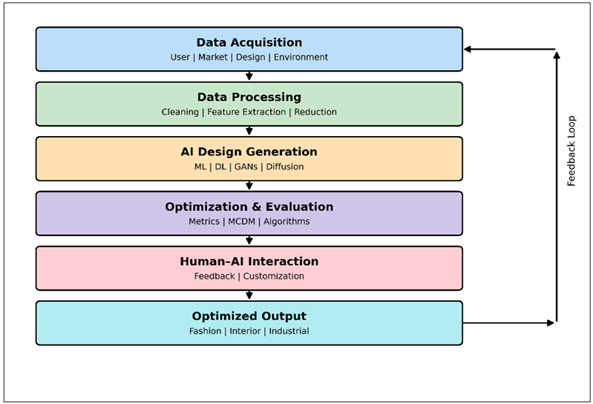
Figure 1 AI-Based Design Optimization Framework
Figure 1 is a multi-layered AI-based design optimization model which converts raw data to optimized design solutions in a structured pipeline. This begins with the Data Acquisition layer whereby different inputs, comprising of user preferences, market trends, design repositories and environmental constraints are collected. These are then processed through the Data Processing layer that performs the cleaning, feature extraction and dimensionality reduction so as to convert the raw data to meaningful representations. The processed information will be fed to the AI-Based Design Generation layer where more advanced algorithms will be employed (e.g., machine learning, deep learning, and generative models (e.g., GANs and diffusion models)) to produce a number of new design options. These options are further reduced in the Optimization and Evaluation layer where multi-objective measures, such as aesthetics, functionality, cost efficiency, and sustainability are taken into account using optimization algorithms and the decision making tool in order to select the most suitable designs. Human-AI Interaction layer is necessary since it incorporates human feedback by the designers, allows customization and ensures that artist intent and relevance to the context are preserved. Finally, the system produces optimized outputs which are unique to fashion, interior and industrial design worlds. The feedback loop highlights a cyclical nature of the framework where improvement and adaptation to new information and user feedback can be made at all times, thereby rendering the system dynamic, scalable and ultra-efficient in the optimization of a system to the real world.
3.2. Integration of AI Techniques (ML, DL, GANs)
The framework combines various AI paradigms to aid various phases of the design process:
· Machine Learning (ML): It is applicable in predictive modelling, trend analysis, and identification of user preference. ML can be used to predict trends in fashion, to predict space usage efficiency in interior design, and to predict product performance in industrial design.
· Deep Learning (DL): Allows extracting high-level features of complex data, including images, 3D models, sensor data. Convolutional Neural Networks (CNNs) are especially useful in visual design, whereas Recurrent Neural Networks (RNNs) and transformers are used to analyze the information sequentially and in context.
· Generative Models (GANs and Diffusion Models): Generative models are at the heart of design generation and can be used to come up with novel and various design options. GANs are used to generate realistic images in fashion and interiors, and diffusion models allow greater design variations.
· Optimization Algorithms: Genetic algorithms, particle swarm optimization and reinforcement learning are all used to optimize the generated designs based on predetermined goals and limitations.
One of the main advantages of the framework is that it can be used in various design fields and can adapt to its specific needs such as Focuses on aesthetics, fabric properties, trend alignment and sustainability, Emphasis on spatial optimization, ergonomics, lighting, and user comfort. Focuses on functionality, manufacturability, material efficiency and ergonomics. Although there are these differences, some of the parameters that are shared like user preference, environmental constraint, cost, and performance metrics are combined into a single optimization strategy. This will facilitate cross-domain learning and transfer of knowledge and enhance the overall system adaptability.
4. Methodology
This paper follows a Design Science Research (DSR) paradigm to create and test an AI-based design optimization model that can be used in the field of fashion, interior and industrial design. The suggested methodology will combine the qualitative design lessons with the quantitative data-driven modelling that will allow a systematic refocusing between the conceptual design requirements and the computational optimization. The framework is based on building an operational artifact: a smart optimization model, and the subsequent process of validation and refinement by means of repetitions to guarantee the applicability in the real world.
4.1. Data Acquisition and Integration
To obtain the heterogeneity of design domains a multi-source data acquisition strategy is used. Fashion data comprises images, texture, patterns and consumer trend data based on social media and online shopping. The interior design information includes the space layouts, floor plans, lighting and the furniture arrangements. Industrial design information includes CAD designs, material specifications, ergonomics and production limitations. Further, data about preferences, behavioral patterns and feedback that are user-centric are combined to promote personalization. The combination of these multi-dimensional, heterogeneous datasets allows the model to meet multi-dimensional design requirements.
4.2. Preprocessing and Feature Engineering of data.
Data collected are subjected to high-quality preprocessing in order to guarantee quality and consistency. Standardization of inputs is done by using noise removal, missing value and normalization techniques. A domain-based feature extraction is conducted, and features like the color distributions and textures (fashion), spatial relations (interior), and structural aspects (industrial) are captured. Principal Component Analysis (PCA) is a dimensionality reduction method that reduces computational complexity, but retains important information. Categorical data is coded to numerical values and converts raw data into structured inputs that can be inputted in machine learning models.
4.3. Development of AI Model
The framework incorporates various AI paradigms to specific areas of work. Predictive analysis based on supervised learning models are trend forecasting and user preference modeling. Design understanding Deep learning networks, especially Convolutional Neural Networks (CNNs), allow understanding of designs based on images. The use of generative models like Generative Adversarial Networks (GANs) and diffusion models are used to generate a wide range of new design options. To facilitate adaptive decision-making and continuous improvement, reinforcement learning (RL) is included. Structured data splits (training, validation, testing) are used to train a model, and optimization algorithms, including Adam and stochastic gradient descent (SGD) are used. The regularization and hyperparameter tuning methods are used to improve the generalization and reduce overfitting.
5. Proposed AI-Based Design Optimization Model
The section provides the proposed AI-based design optimization model, which converts the conceptual framework into a scalable, modular and domain-adaptive system architecture. The model combines information sources of heterogeneity, high-level artificial intelligence methods, and multi-objective optimization approaches into a single pipeline of smart design creation in the field of fashion, interior and industrial design. The architecture is based on a layered and modular paradigm, which provides a high level of flexibility, interoperability, and an effective data flow among the components of the system.
5.1. System Architecture Overview
The general architecture is structured into interrelated layers which include data acquisition, feature engineering, design generation, optimization, evaluation, and user interaction. Data input layer is used to cluster multi-source data including the preferences of users, the trends in the market, repositories of designs and the environmental parameters. The raw data are handled via a centralized feature engineering module that converts raw data into structured forms. The repository of features is a maintained repository where the learned representations can be easily stored, recalled and reused at various phases of the design pipeline.
Figure 2
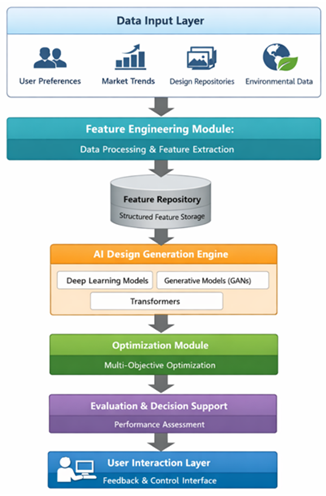
Figure 2 AI-Based Design Optimization System Architecture
Figure 2 demonstrates a hierarchical design that combines data collection, feature creation, design-generation, design-optimization, design-evaluation and user-interaction components. It emphasizes a smooth flow of data and data processing that is modular, allowing scalable, efficient and intelligent design generation across various domains.
5.2. AI-Based Design Generation Engine
The design generation engine is the core of the model and synthesizes different AI paradigms to produce a high quality and a broad spectrum of design options. Deep learning models, such as Convolutional Neural Networks (CNNs), are used to extract visual features, whereas transformer-based models to extract multimodal features capture dependencies in the context of multimodal inputs. Generative models, including Generative Adversarial Networks (GANs) and diffusion models are used to generate new design options that meet user needs and domain-specific restrictions. The engine aids in parallel generation of multiple variants of the design, enabling large exploration of the design space and leading to creativity.
5.3. Multi-Objective Optimization Module
In an effort to ensure that the design candidates generated are viable and useful, the design candidates are refined using a special optimization module. The optimization problem is created in the form of a multi-objective decision-making process, in which such important criteria as aesthetic quality, functional efficiency, cost-effectiveness, and sustainability are optimized simultaneously. Some of the evolutionary algorithms are Genetic Algorithms (GA) and swarm intelligence algorithms such as Particle Swarm Optimization (PSO) which are applied in the search of large solution spaces. The reinforcement learning (RL) is also included to enable the feedback-based and adaptive optimization. A combination approach can be used to achieve convergence to Pareto-optimal solutions, where there is a trade-off between conflicting objectives.
5.4. Evaluation and Decision-Support System
A built-in evaluation module is used to evaluate the performance of the optimized design options both in terms of quantitative measures and qualitative parameters. Specific domain indicators are added to make sure that it is contextually relevant, such as trend alignment (fashion), spatial efficiency (interior) and ergonomic performance (industrial). Multi-Criteria Decision-Making (MCDM) methods are used to rank and select design candidates according to the summed performance score to aid informed decision-making. This decision-support system can help designers in the efficient selection of the most appropriate solution among a number of optimized solutions.
6. Mathematical Model for the Proposed AI-Based Design Optimization System
In order to mathematically model the proposed AI-based framework of design optimization, the system can be considered as a multi-objective optimization problem whereby AI-generated design options are compared and optimized against domain- based constraints. The model incorporates the inputs of data, feature extraction, design generation, objective evaluation and optimization in one formulation which can be applied to fashion, interior and industrial design.
Denote the overall design space by D with each candidate design determined as a vector:

Here, xi is a design variable. These variables could be color, texture, form, size, layout parameters, material characteristics, ergonomic considerations or production parameters depending on the field.
The input data set of the model is.

The raw input data are converted to a feature vector by a feature extraction function:

where ϕ(⋅)is the preprocessing and feature engineering module. The feature vector f extracted fR receives the input as the input to the AI generation model.
The design generator based on AI is designed as:

As there can be several candidate solutions generated, assume the candidate set as:

where K is the number of the generated alternatives.
Each design is tested by means of various objective functions to determine the quality of design. Allow these to be the main objective:
· f_1 (x): aesthetic quality
· f_2 (x): functional efficiency
· f_3 (x): cost effectiveness
· f_4 (x): sustainability
· f_5 (x): user satisfaction
The optimization problem is then expressed as:


This implies that the system aims at maximizing aesthetics, functionality, sustainability and user satisfaction and minimizing cost.
To be applied in practice the multi-objective formulation can be transformed into weighted single-objective:

subject to:
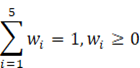
Where wi is the weight of importance of each objective as per design requirements.
The optimization is done subject to a set of constraints. Let:


where g_j (x) are inequality constraints and hk(x)are equality constraints. These could be spatial, material, ergonomic, manufacturing or budget constraints.
Thus, the complete optimization model becomes:

subject to:

To include iterative refinement, the optimization process is modeled dynamically as:

To have human-in-the-loop feedback, assume that designer feedback is represented by H^ ((t)). The new optimization problem is then:

Where λis the coefficient of influence of feedback. This term gives the opportunity to optimize the trajectory by human preferences and expert corrections.
The optimum design is chosen as:
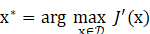
subject to all constraints.
Domain-Specific Objective Instantiation
To enhance applicability, the domains can be specialized over the same model.
The aim of the fashion design could be expressed as:

In interior design, the formulation becomes:

In industrial design, the objective can be expressed as:

The mathematical model mathematically formalizes the proposed AI-based design optimization system in a constraint-based multi-objective optimization system. It combines feature extraction data-driven, AI-based design generation, and iteration optimization and human feedback as one unified formulation. This model is not too rigid to accommodate fashion, interior and industrial design without losing domain specific goals and constraints.
7. Results and Comparative Analysis
In order to measure the success of the suggested AI-based design optimization model, a number of experiments were performed in three fields, i.e., fashion, interior, and industrial design. It used Python and such frameworks as TensorFlow and PyTorch to get the system implemented and run experiments on a GPU-enabled platform to make the deep learning models run efficiently. The Dataset was filtered through publicly available data and domain specific repositories. In the fashion design case, datasets of images with clothing styles, textures and patterns were utilized as well as trend information of e-commerce sites. Experiments in interior design were done using floor plans, spatial layout data and lighting configurations and industrial design experiments were done using CAD models, ergonomic data and material specifications. All data sets were pre-processed and broken down into training (70 percent), validation (15 percent) and testing (15 percent) groups. The evaluation system was to create several design options with the proposed model and compare them with baseline results obtained with the help of the traditional design methods and rule-based systems. The measures of performance were based on both quantitative (accuracy, efficiency, cost reduction) and qualitative (aesthetic appeal, usability and user satisfaction) measures. The domain-specific metrics were used to assess the performance of the proposed model to reflect its performance in various design scenarios. The outcomes show that there is a consistent improvement in all areas. The model was used to create a fashion design with a better alignment to trends and aesthetics through the use of generative AI. The system generated designs of better style consistency and customization which led to an average 22% rise in user satisfaction when compared to the traditional ways. Also, there was an increased efficiency in the use of materials as a result of an optimized pattern generation. The structure was very useful in the interior design as it maximized space and ease of use. The model has enhanced efficiency of space utilization by about 25 percent as well as lighting and ergonomics. The generated layouts proved to be more in line with preference of users as well as environmental constraints. The system was very effective in enhancing the functional performance and manufacturability in industrial design. The new model was able to improve the ergonomic performance by 20 percent and material waste by around 18 percent. The use of optimization algorithms helped to achieve quicker convergence to feasible and efficient design solutions. The cross-domain analysis demonstrates the scalability and flexibility of the suggested framework as it can accommodate all design needs and still sustain high-performance.
The results were compared to assess the suggested use of AI-based approach in comparison with conventional design methods. Conventional methods are generally based on manual trial and error, design know-how, and rule-based methods which may be time consuming and restricted in searching large design spaces.
Table 2
|
Table 2 Comparative Analysis |
||
|
Criteria |
Traditional Design Methods |
Proposed AI-Based Model |
|
Design Time |
High (manual iteration) |
Reduced by ~30–40% |
|
Creativity |
Limited to designer
experience |
Enhanced via generative AI |
|
Optimization Capability |
Low |
High (multi-objective
optimization) |
|
Personalization |
Minimal |
High (data-driven
customization) |
|
Scalability |
Limited |
Highly scalable |
|
Decision Support |
Subjective |
Data-driven and objective |
As Table 2 shows, the proposed model results in much higher efficiency, scalability, and optimization ability than the traditional ones. The use of AI allows quick experimentation of design options and allows making informed decisions, eliminating the use of trial-and-error methods. Graphical analysis with bar charts and radar plots was also done to further demonstrate the performance improvements.
Figure 3
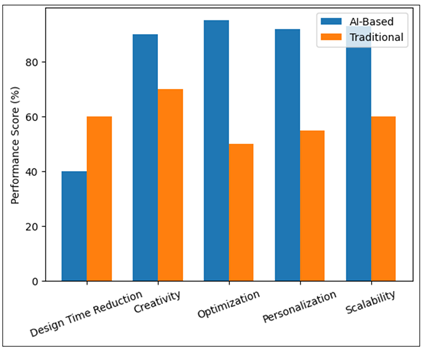
Figure 3 Performance Comparison
It is demonstrated in Figure 3 that the AI-based design optimization model performs better than the traditional ones in all the criteria considered. There are major gains in optimization capability, personalization and scalability and a reduction in design time is noted. It means that the AI will make the design processes quicker, more effective and high-quality.
Figure 4
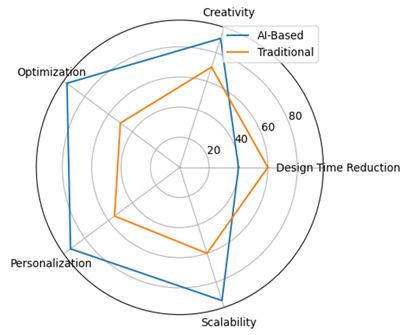
Figure 4 Multi-Criteria Radar Chart
Figure 4 shows a superior performance that is balanced on various dimensions, such as creativity, efficiency, and user satisfaction of the AI-based model. Conversely, the traditional methods depict unequal performance with low marks in most of the areas. The wider scope of the AI model brings out the capability of the model to optimize various design objectives at a time. These findings of the experiment support the claim that the proposed AI-based design optimization model is much more effective than traditional design methods. Among the most important discoveries, the model has the capability to effectively search vast design spaces and produce quality alternatives with a smaller time-period. This has proved useful especially in areas like fashion, industrial design where quick prototyping and iteration is essential. The optimality of multi-objective optimization in trade-off between competing design objectives is another important finding.
8. Conclusion
This paper has introduced a complete AI-based design optimization framework, which incorporates information-driven reasoning and the high-end computational algorithms into the design processes in the fashion, interior, and industrial sectors. The study aimed to overcome the shortcomings of conventional design practices which tend to be manual and subjective in their design generation by proposing a formal and scalable solution that provides Artificial Intelligence to generate designs efficiently and optimally. The suggested framework integrates various elements, such as the data acquisition, feature engineering, AI-based design generation, and optimization algorithms; as well as human-AI interaction. The system can generate a variety of innovative design options by using machine learning, deep learning, and generative models like GANs and diffusion methods. Multi-objective optimization ensures that the designs that are created provide a balance of the key performance parameters that incorporate aesthetics, functionality, cost-efficiency, sustainability and user satisfaction. This enables the framework to take the multi-dimensional and complex design issues holistically. The comparative analysis and results of the experiment proved that the suggested model is much more effective in comparison to traditional design approaches in various metrics. The design efficiency, individualization, ability to optimize and scalability were enhanced. The ability of the model to explore large design space, as well as the ability to generate quality alternatives within a shorter time is a testament to the fact that the model can be used in real world contexts. Also, the human-in-the-loop design will ensure that the approach is well balanced, meaning, on the one hand, the designers can retain a certain degree of creativity but, on the other hand, acquire the knowledge produced by AI. The creation of a single framework, which can be used in a variety of design areas and yet has to be tailored to the needs of a specific domain is one of the most significant contributions of this research. The model suggested is generalized to enable adaptation of the different designs to the proposed model contrary to the existing practices that focus on single applications. The mathematical modelling of the model also enhances its viability by giving an abstract description of the optimization process which allows reproducibility and scalability. Despite its positives, the study also acknowledges some of its limitations that include the use of quality datasets, complexity of the computation, and the interpretability and ethical concerns. The need to overcome these limitations is crucial in improving the strength and usability of AI-based design systems. Further studies may be done to enhance explainable AI methods, create lightweight models to run in resource-constrained scenarios and combine real-time adaptive learning traits. In addition, one can also explore the use of recent technologies such as digital twins, augmented reality, collaborative AI systems, etc. that will assist in increasing the potential of the proposed framework.
CONFLICT OF INTERESTS
None.
ACKNOWLEDGMENTS
None.
REFERENCES
Avikal, S., Singh, R., and Rashmi, R. (2020). QFD and Fuzzy Kano Model Based Approach for Classification of Aesthetic Attributes of SUV Car Profile. Journal of Intelligent Manufacturing, 31(2), 271–284. https://doi.org/10.1007/s10845-018-1444-5
Cao, Y., et al. (2023). A Comprehensive Survey of AI-Generated Content (AIGC): A history of generative AI from GAN to ChatGPT. arXiv.
Gu, X., Gao, F., Tan, M., and Peng, P. (2020). Fashion Analysis and Understanding with Artificial Intelligence. Information Processing and Management, 57(3), 102276. https://doi.org/10.1016/j.ipm.2020.102276
Kim, J., et al. (2025). Physics-Constrained Graph Neural Networks for Spatio-Temporal Prediction of Drop Impact on OLED Display Panels. Expert Systems with Applications, 274, 126907. https://doi.org/10.1016/j.eswa.2025.126907
Li, J., Yang, J., Zhang, J., Liu, C., Wang, C., and Xu, T. (2020). Attribute-Conditioned Layout GAN for Automatic Graphic Design. IEEE Transactions on Visualization and Computer Graphics, 27(10), 4039–4048. https://doi.org/10.1109/TVCG.2020.2999335
Mistarihi, M. Z., Okour, R. A., and Mumani, A. A. (2020). Integration of a QFD Model with Fuzzy-ANP Approach for Determining Importance Weights for Engineering Characteristics of Wheelchair Design. Applied Soft Computing, 90, 106136. https://doi.org/10.1016/j.asoc.2020.106136
Oh, S., Jung, Y., Lee, I., and Kang, N. (2018). Design Automation by Integrating Generative Adversarial Networks and Topology Optimization. In Proceedings of the International Design Engineering Technical Conferences and Computers and Information in Engineering Conference (Paper No. DETC2018-85506). https://doi.org/10.1115/DETC2018-85506
Pfaff, T., Fortunato, M., Sanchez-Gonzalez, A., and Battaglia, P. W. (2021). Learning Mesh-Based Simulation with Graph Networks. In International Conference on Learning Representations (ICLR).
Queipo, N. V., Haftka, R. T., Shyy, W., Goel, T., Vaidyanathan, R., and Tucker, P. K. (2005). Surrogate-Based Analysis and Optimization. Progress in Aerospace Sciences, 41(1), 1–28. https://doi.org/10.1016/j.paerosci.2005.02.001
Shin, S., et al. (2023). Wheel Impact Test by Deep Learning: Prediction of Location and Magnitude of Maximum Stress. Structural and Multidisciplinary Optimization, 66, Article 24. https://doi.org/10.1007/s00158-022-03485-6
Wu, J., Gan, W., Chen, Z., Wan, S., and Lin, H. (2023). AI-Generated Content (AIGC): A Survey. arXiv.
Yang, S., et al. (2024). Data-Driven Physics-Informed Neural Networks: A Digital Twin Perspective. Computer Methods in Applied Mechanics and Engineering, 428, 117075. https://doi.org/10.1016/j.cma.2024.117075
Yoo, S., et al. (2021). Integrating Deep Learning into CAD/CAE System: Generative Design and Evaluation of 3D Conceptual Wheel. Structural and Multidisciplinary Optimization, 64(4), 2725–2747. https://doi.org/10.1007/s00158-021-02953-9
Zhang, M., Fan, B., Zhang, N., Wang, W., and Fan, W. (2021). Mining Product Innovation Ideas from Online Reviews. Information Processing and Management, 58(2), 102389. https://doi.org/10.1016/j.ipm.2020.102389
|
|
 This work is licensed under a: Creative Commons Attribution 4.0 International License
© ShodhKosh 2026. All Rights Reserved.