ShodhKosh: Journal of Visual and Performing ArtsISSN (Online): 2582-7472
|
|
Data-Driven Storytelling Approaches for Enhancing the Narrative Depth of Digital Visual Artworks
Anshul Srivastava 1
 ,
Dr. Surbhi Saraswat 2
,
Dr. Surbhi Saraswat 2 ,
Kapil Mundada 3
,
Kapil Mundada 3 , Yang Lu 4
 ,
Dimple Bahri 5
,
Dimple Bahri 5 ,
Dr. M. Abirami 6
,
Dr. M. Abirami 6
1 Assistant
Professor, Amity International Business School, Amity University, Noida, India
2 Professor,
Amity Institute of English Studies and Research, Amity University, Noida, India
3 Associate Professor,
Department of Instrumentation and Control Engineering, Vishwakarma Institute of
Technology, Pune, Maharashtra 411037, India
4 Faculty of Education,
Shinawatra University, Bang Toei, Thailand
5 Assistant Professor,
Department of Civil Engineering, Faculty of Engineering and Technology, JAIN
(Deemed-to-be University), Bengaluru, Karnataka, India
6 M.Tech, Ph.D., Assistant
Professor, Department of Computer Science and Engineering, Panimalar
Engineering College, Tamil Nadu, India
|
|
|
ABSTRACT |
|
|
The active
evolution of digital technologies has impacted the contemporary visual art
colossally, as it has provided the possibility of creating new approaches to
the narration of stories based on the combination of data, artificial
intelligence, and the interactive technology. This essay provides an argument
about the idea of data-driven storytelling as the means of enriching the
narrative content of the digital visual images. It also examines the way in
which the structured and the unstructured data can be turned into meaningful
visual stories beyond the more traditional and non-evolving representations.
The article unveils some of the biggest hindrances to the process of filling
the gap between data analysis and the representation of this information in
art, in particular, the coherence, emotional appeal and interpretability. To
deal with these, a conceptual model is proposed which brings in five basic
components viz. data acquisition, data processing and analysis, narrative
construction, visual representation and user interaction. The form of
integrating computing techniques and design is the way of arriving at a
prototype system, depicting dynamic and interactive story telling. The
analogy to the traditional visual art narrates about the advantages of the
provided strategy in the framework of the richness of the stories,
malleability, interactivity, and engagement of the users. These findings
could indicate that data-driven narratives can be used to generate
multi-layered and non-linear narratives that can be updated with real-time
data and user feedback to generate more immersive and context-aware art
experiences. The future directions which might be considered by the study are
also touched upon like the use of immersive technologies and ethical concerns
on the use of data. In general, this research contributes in some way to the
future of digital art practices in that it provides a systematic approach of
incorporating information and storytelling to enhance the impact of the story. |
|||
|
Received 14 January 2026 Accepted 13 March
2026 Published 11 April 2026 Corresponding Author Anshul
Srivastava, anshul_sriv@rediffmail.com
DOI 10.29121/shodhkosh.v7.i4s.2026.7488 Funding: This research
received no specific grant from any funding agency in the public, commercial,
or not-for-profit sectors. Copyright: © 2026 The
Author(s). This work is licensed under a Creative Commons
Attribution 4.0 International License. With the
license CC-BY, authors retain the copyright, allowing anyone to download,
reuse, re-print, modify, distribute, and/or copy their contribution. The work
must be properly attributed to its author.
|
|||
|
Keywords: Data-Driven Storytelling, Digital Visual Art,
Narrative Depth, Data Visualization, Artificial Intelligence in Art,
Interactive Art, Generative Art, Visual Narratives |
|||



1. INTRODUCTION
In the past few decades, there has been a radical shift in digital visual art in terms of the rapid evolution of computational technologies, artificial intelligence, and data analytics. The traditional artistic practices that were originally founded on manual work and a non-living form of representation are being complemented and reinvented with the assistance of digital technologies, algorithms, and other processes. At this shifting landscape artists are no longer limited to established mediums, instead, they have the ability to operate with dynamic data, to maintain interactive systems and to employ generative approaches to produce works of art that can be both visually engaging and intellectually stimulating Zhang (2018). The most significant development of this sphere is the advent of data-driven storytelling where the data as a part can be one of the key elements of the story that generates the meaning and interpretation of digital works.
The use of storytelling has always been an important element in art, and a method by which artists may express ideas, feelings and cultural narrations. Digital visual art storytelling transcends linear storytelling and embraces multidimensional, interactive and non-linear storytelling. The process of applying both structured and unstructured data to the storytelling process is a new paradigm introduced by data-driven storytelling. Such a solution will enable the artist to convert the data that is too complicated (social media activity and environmental data, biometric and cultural data, etc) into the visual story that will be meaningful Zhang and Lugmayr (2019). In this way, works of art are able to portray the real-life phenomena, the changes over time, and concealed patterns, making them deeper in terms of narrative and more relevant. The combination of information and narration does not only contribute to the art itself but also allows viewers to perceive the artworks more deeply and thought-provoking Lee et al. (2020).
In spite of its increased popularity, the incorporation of the data-driven method into digital visual art has a number of problems. Among the most important ones is the successful conversion of abstract data into meaningful and emotionally appealing stories. Although data visualization methods are effective in depicting data in an efficient and effective manner, they are not very expressive and interpretive necessary to tell stories Lugmayr et al. (2017). On the other hand, representations that are purely artistic might emphasize aesthetics rather than informational clarity, which results in the fact that there is a lack of connection between the information and narrative meaning. It is an indication that the well-organized structures are needed, which would assist in resolving the deficit between analytical rigor and expression of creativity. In addition, the conventional methods of measuring narrative depth of digital objects do not exist and it is difficult to measure the efficiency of data-driven narration techniques.
The research will contribute to address the following problems by examining the possibility of data-driven storytelling techniques to facilitate the narrative richness of online visual art. The study examines the relationship between data science, visual design, and narrative theory in a bid to establish a complete picture of how data can be transformed to interesting art stories. it attempts to establish some key important elements, operations and design principles that contribute to making interesting stories of data-driven art Trajkova et al. (2020). Additionally, the given study implies the conceptual framework, which includes information gathering, information processing, storytelling, and visualisation, with the interactive feedback system that enhances the appeal of the audience. The significance of the work lies in the fact that the work is a multidisciplinary one that transcends the field of digital art, human-computer interaction and data visualization. The study provides a methodological perspective on data-driven storytelling, which contributes to its significance in the context of its contribution to theoretical and practical use in the visual culture today. It also introduces new possibilities to artists, designers and researchers to create more interesting, dynamic and situational pieces of art. Ultimately, it is supposed to be used in the formation of the knowledge regarding how the data might transcend its practical use and become a powerful means of telling a story so that digital visual artworks became even more narrative and have a greater cultural influence.
2. Background and Theoretical Foundations
The further evolution of visual art has always been under the impact of technological innovation and the transforming cultural paradigm, which led to the appearance of the new ways of expression and interpretation. Through photography, video art and digital media, every new shift brought more possibilities of narration to the artistic practice since the ancient painting and sculpture. The digital visual art storytelling has now become not only of the fixed image but also of the dynamic, interactive and computational generated images Hullman and Diakopoulos (2011). This transformation is strictly related to the emergence of digital technologies when artists had the chance to work with visual elements in real-time, to engage the audience, and to resort to a range of information sources. That has contributed to the contemporary digital art objects being more of an elaborate system of narrative rather than an object that can be given a number of interpretations and different meanings.
The ideas of data visualization and information design are one of the primary theoretical foundations of the data-driven storytelling. Traditionally, data visualization has focused on the effectiveness and clear communication of data by use of graphical representation such as charts, graphs and maps. But aesthetically they are also extended to concentrate on aesthetic involvement, appeal to emotions and narrative solidarity Islam et al. (2024). The on-screen presentation of data is not such an easy task and another challenge is to situate it into a coherent narrative pattern that can be trailed by the viewers. It requires a relation between a critical and creative expression where the visual element such as color, form, movement, and space is well correlated to convey information and narrative. The principles, in combination with the artists, can transform abstract datasets into visually stimulating narratives that can introduce quite complex concepts to the table with simple and engaging means.
The narrative theory also plays a critical role of explaining how the stories are created and perceived in the digital art pieces of the visual arts. Digital narratives can be non-linear, fragmented and interactive by being digitally interpreted in terms of plot, character, temporality, and perspective. Unlike traditional storytelling, digital storytelling can be developed by user contributions, environmental cues, or algorithms, and it often takes a predefined course and provides a personalized and dynamic story experience. This shift follows the bigger tendencies in human-computer interaction where the users are not mere passive viewers but they actively contribute to the narration process Joshi et al. (2025). The interaction itself becomes a tool of storytelling itself as well as it affects how the stories are being told and the value is created. In addition, the fusion of the big data technologies and the artificial intelligence has also generated new dimensions in the artistic creation. The machine-learning algorithms can handle lots of data, identify trends, and generate graphical representations that can be utilized to build the story. The technologies enable the creation and responsive works of art in response to real time information and the activity of the viewer Kusnick (2026). At the same time, they raise very important questions of authorship and creativity and the place of an artist in a databased world. Overall, the essential idea behind data-driven storytelling in computer-based visual art is the combination of visual design, narrative theory, and computer technologies, which is the key to the understanding of how data can be transformed into meaningful and immersive artistic narratives.
3. Literature Survey
The initial work in data-driven art was mainly the research of data visualization as a means of describing the complex information. Informational visualization studies placed a heavy emphasis on clarity, efficiency and usability with a strong emphasis on analysis communication and not the aesthetic or narrative qualities. But subsequent investigations started to search the communicative possibilities of data visualization with the realization that a visual depiction of data could be emotionally and interpretatively influencing. Researchers pointed to the idea of the so-called narrative visualization, i.e., data should be organized to narrate a story instead of providing facts alone Na (2025). These strategies preconditioned the incorporation of the elements of storytelling into the data-driven practices of visuality and made it possible to change the focus on the purely functional representations of the information to more immersive and significant artistic interpretations. Research on the topic of digital visual art has explored the capability to increase the depth of narrative by using computational methods in the field. Narrative depth can be described as the depth, richness, and interpretive possibilities of a narrative within a piece of art Katikala (2026). The issue of how one can layer the visuals with an element of time and how users can be involved in the enhancement of the narrative is the topic of study. To illustrate this, interactive installations and digital works have the merit of allowing the audience to discover themes of many narrative choices, therefore, offering them individual experience Sathe et al. (2026). This may be linked to the concept of non-linear storytelling whereby there is a number of story options available simultaneously and they unfold based on the user input or data sources.
Application of machine learning and artificial intelligence has put the concept of data-driven storytelling in even a larger perspective. GANs and neural networks are generative neural networks used to generate visual content which varies with the input data. It has been demonstrated that AI would be useful in pattern recognition, style transfer, and content generation and enable artists to produce complex and dynamic visual stories. It has also been explored that natural language processing can be used to generate textual narratives to enhance visual representation, to generate multimodal narratives. It is possible due to such developments suggesting the potential of AI as a creative companion and a contributor to the growth in narrative sophistication in digital art Sathe et al. (2026).
The interactive and generative art systems is another area that is of major importance to study. The input of these systems is often real time data, usually as environmental sensor data, user input, or Internet based data, to synthesize dynamic visual output. The scholars have emphasized the importance of interactivity in the development of the narrative experiences since it allows the viewers to engage actively in the story telling process. Such a participatory design enhances the participation and builds the sense of agency, when the users have influence on the course and the outcome of the story. In their turn, generative art systems are concerned with algorithmic operations generating distinctive and unforeseeable forms of visual information, which tend to give rise to emergent stories that are not fully defined by the artist. In spite of these developments, there are a number of limitations that exist in current research. The fact that there are no standard frameworks concerning the integration of data, narrative, and visual design in a unified way is one of the major challenges Barzaghi et al. (2025). A lot of literature concentrates on a particular element, that is, visualization methods or interaction design, without considering the process as a whole of narrative creation. Also, the analysis of the depth of the narrative is a matter of personal taste, and there are not many methodologies to quantify the audience engagement and the interpretive effect. Another concern is data bias and ethical issues, as well as the openness of the algorithms-driven processes, which may affect the stories produced by the data-driven systems.
To conclude, it could be emphasized that the literature indicates the strong advancement of the data-driven narration method in digital visual art. Nevertheless, it also shows that there is a necessity of holistic frameworks that can bridge the gap between data analysis, narrative theory and artistic practice. By filling these gaps, one can come up with more articulate, well-coherent, and effective digital art pieces, thus developing academic research and creative thinking in the sphere.
Table 1
|
Table 1 Summary of recent Work in the domain |
||
|
Methodology / Approach |
Key Findings |
Limitations |
|
NLP + visualization integration Lee et al. (2020) |
Combines text and visuals to improve storytelling
clarity and insight communication |
Limited artistic expressiveness |
|
Qualitative interviews with artists Lugmayr et al. (2017) |
AI reshapes artistic workflows and enhances
creativity in digital art |
Lacks technical framework |
|
Systematic survey Trajkova et al. (2020) |
Highlights evolution of narrative visualization
in digital humanities |
Focuses more on visualization than art |
|
System design + real-time data integration Hullman and Diakopoulos (2011) |
Enables interactive storytelling using
environmental and demographic data |
Limited evaluation of narrative depth |
|
Conceptual framework using generative AI Islam et al. (2024) |
AI enhances narrative creation through automated
visualization and storytelling |
Early-stage framework |
|
Case study + design analysis Joshi et al. (2025) |
Combines exploration, narration, and structured
navigation in storytelling |
Limited focus on artistic applications |
|
Semantic data + 3D visualization Kusnick (2026) |
Integrates data, narrative, and immersive
visualization for storytelling |
Domain-specific (heritage focus) |
The Table 1 of the literature review is a brief description of seven recent studies, which examine the overlap between data-driven storytelling, artificial intelligence, and the digital visual art. The chosen articles emphasize a variety of methods, such as automated storytelling with the help of natural language processing, AI-related creative frameworks, real-time multimedia systems, and multimedia narrative techniques, which presuppose visualization. Taken together, these researches prove the value of data conversion into meaningful visual stories, which makes it more efficient in communication, interactivity, and audience involvement. Also observable in the table, though, is the fact that although there has been great advancement in the combination of data, visualization and narrative, most of the current publications are aimed at analytical visualization, or the set up of technical systems and not at the artistic richness of the narrative. Also, there are a number of studies that highlight the increasing importance of AI in facilitating creative experiences, making it possible to generate and respond to narratives in a generative and adaptive fashion. Nevertheless, the weaknesses of the lack of detailed frameworks, domain-specific programmes, and inadequate assessment of the quality of the narrative suggest the existence of obvious research gaps.
4. Proposed Model / Framework
4.1. Conceptual Framework for Data-Driven Narrative Art
The conceptual framework of data-driven narrative art proposed is meant to syntactically combine data, computation and expressiveness to make digital visual artworks more narrative. This model does not consider data as a static input; however, it is a dynamic narrative resource that can be used to create meaning, context, and interpretation by the audience. It creates a multi-strata system according to which raw data are processed by analytical and creative processes to create digitally attractive and narrative works of art. The framework focuses on the interaction between data, narrative logic, and visual design with the aid of user interaction mechanisms that enable the dynamical evolution of the narratives. The framework can then be used to create adaptive, immersive and context-sensitive visual experiences by filling the divide between data science and the ability to tell stories artistically.
4.2. Components of the Framework
1)
Data
Acquisition Layer
The layer takes in data of relevance through multiple sources, including structured (e.g. databases, statistical records), and unstructured data (e.g. social media feeds, images, sensor data). Diversity of the sources of the data enables creating the narrative that is much more enriching through incorporating the personal world reality and the change of time. The data acquisition is also involved in filtration and selection of meaningful datasets in line with the artistic purpose and narrative goals.
2)
Data
Processing and Analysis Layer
Raw data cleaning and organization and analysis of these data in this layer is done by the use of data mining data, statistical analysis, and machine learning algorithms. The identifying of the patterns, correlations and trends is done to seek anything significant that can be applied to create the story. It is the phase at which raw information is transformed into interpretable information and the start of narration. It is also relevant in offering the integrity and relevance of data to be utilized in artistic representation.
3)
Narrative
Construction Engine
The narrative construction engine is the core of the construct whereby the data-driven knowledge is converted into reasonable narrative forms. This is through the generation of the narrative elements such as defining themes, sequences, relationship and emotional tone. We can create linear or non-linear storyline through way of algorithmic approaches like rule based systems and AI based narrative generation. This aspect also ensures that the information is not only narrated but placed in context in order to place it in a meaningful narrative framework.
4)
Representation
Layer Visual Representation Layer
The layer is meant to transform narrative structures to visuals according to the design principles and visualization techniques. Data and narrative can be presented through the application of such elements as color, composition, motion and space. It is possible to create the dynamic and interactive visual products using the advanced tools, including the generative art systems and the real-time rendering technologies. It is geared towards establishing a balance between focus on aesthetic and the clarity of information.
5)
Feedback
Loop and User Interaction
The final element is the introduction of interactivity and allows the viewer to engage in the process of the piece of art and influence the process of storytelling. These interaction mechanisms may be the user input or navigation controls or real time data updates. Other data regarding the activity of the users and their feedback can be used to adjust and perfect the story on the fly. Such an interlude increases the interest of the audience and makes the audience participants in the process of narration.
Figure 1
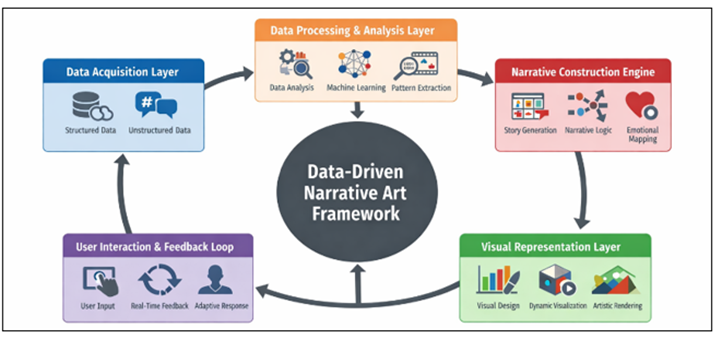
Figure 1 Framework for Data-Driven Narrative Art
The Figure 1 shows a cyclic model of data-driven narrative art, which can be considered as the flow of data in five major layers, which include acquisition, processing, narrative construction, visual representation, and user interaction. All of the components convert data into useful visual stories and the feedback loop provides constant optimization and user-driven dynamic storytelling.
4.3. Workflow of the Proposed Model
The process of the workflow of the proposed model is sequential and repetitive. At the first stage, quality and relevant data is obtained and preprocessed. The processed data is subsequently analyzed to gain some insightful information, which forms the foundation of story building. The narrative engine systematizes these insights into plotted stories which are then referred to as visual representation. The digital work is then given to the users who respond to the system and make feedback. This feedback is constantly fed into the system which allows a refinement of both the narrative and visual elements to be refined over time.
4.4. Design Principles for Narrative Enhancement
To make the story telling process effective, various design principles are used to guide the proposed framework. To begin with, coherence makes sure that information, narrative, and visuals are coordinated to tell a clear and significant story. Second, interactivity makes it more engaging by making the users navigate and shape the story. Third, aesthetic integration focuses on the smooth integration of information visualization and artistic design. Fourth, adaptability allows the system to react to new data and input by the users in favor of dynamic storytelling. Fifth, interpretability is given to make sure that sophisticated data is given accessibly and understandably. Lastly, emotional resonance aims at establishing effective experiences that touch the audiences intellectually and emotionally.
4.5. Methodology and Implementation
The research approach of this study is based on the design-oriented and exploratory research methodology to explore the potential to embed data-driven storytelling to make digital visual artworks more narrative. The strategy will incorporate data science, visual design, and narrative theory in developing and implementing a functional prototype on the basis of the proposed framework. The research process is organized in such a way that data collection, processing, the formation of narratives, visualization, and evaluation elements are integrated in a systematic manner, making sure that technical and artistic elements are systematically integrated. The first phase entails collection of data both structured and unstructured. Structured data are sets of data like statistical data, environmental data or curated digital archives whereas unstructured data may be a text, image or social media content. The data choice is based on the desired narrative theme in order to predetermine the context. One comes up with data cleaning, normalization and filtering techniques which are used in preprocessing to enhance the quality of data as well as its usability Na (2025).
The second stage involves computing and analysing data. The statistical analysis and machine learning are used to determine patterns, trends and relationships within the data. It is based on these insights, which lead to the development of the narrative. The computer tools like Python-based libraries of data analysis, visualization models, and AI systems are used to enable the effective processing and interpretation of data. The narrative construction step converts analytical information into elements of narrative. This includes determining elements of narrative like subjects, scenes and mood. Linear and non-linear narratives are made with the help of algorithmic methods (e.g., rule-based logic and generative models). The goal is to make sure that the data is not presented but also put into perspective by providing a logical and interesting plot. After constructing the narrative, the next step is a visual representation, which aims at converting the narrative into a digital piece of artwork. Dynamic visual outputs are produced by means of visualization tools and the use of generative design with inclusion of both aesthetic design and the clarity of information.
5. Comparative Analysis
The suggested framework shows much enhancement in depth of the narrative, as it integrates the multi-layered data insights into narration. In contrast to the usual way of storytelling, data-driven storytelling allows non-linear and multi-dimensional stories. Also, the level of interactivity is significantly increased, with users being able to actively explore and affect the narrative as well, resulting in an increase in the level of engagement. Flexibility is another important benefit, as the works of art can be updated as new data is provided, or as users respond back.
Table 2
|
Table 2 Comparative Analysis of Traditional Visual Art and Data-Driven Narrrative Art |
||
|
Criteria |
Traditional Visual Art |
Data-Driven Narrative Art |
|
Narrative Depth |
Moderate, linear storytelling |
High, multi-layered and dynamic narratives |
|
Interactivity |
Limited or none |
High user interaction and participation |
|
Adaptability |
Static and fixed |
Dynamic and data-responsive |
|
Data Integration |
Minimal or absent |
Extensive use of real-time and historical data |
|
User Engagement |
Passive viewing |
Active and immersive engagement |
The comparative Table 2 points out the main distinctions between the traditional visual art and the data-driven narrative art. It demonstrates that along the traditional practice, there can be seen the use of more passive viewing methods, in which traditional approaches are based on the use of the traditional, linear telling of stories with a low degree of interactivity and the use of the data. On the contrary, the suggested data-driven model adds narrative layers by means of dynamic and multi-layered storytelling and incorporates real-time data to produce more meaningful and context-aware artworks. Also, the table highlights that the issue of data-driven art facilitates the enhancement of interactivity, adaptability, and user engagement substantially because it enables the audience to be active participants in the storytelling process. Throughout the paper, it has been shown that although traditional art cannot be ignored in terms of aesthetic quality, data-driven storytelling provides the more immersive, adaptable and technologically enhanced way to approach digital visual art.
Figure 2
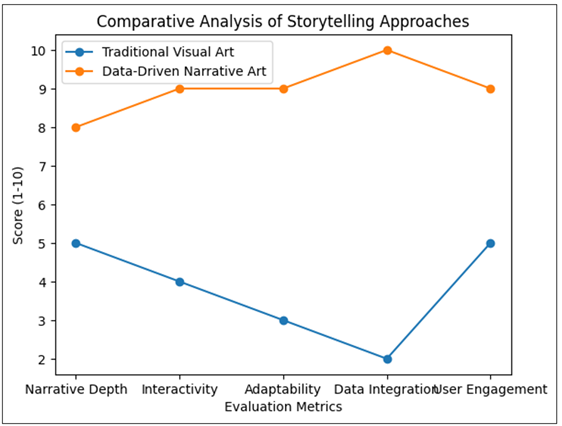
Figure 2 Comparative Analysis of Storytelling Approaches
The performance comparison between traditional visual art and data-driven narrative art presented in the graph provided in Figure 2 is presented visually in terms of five evaluation metrics. The scores are graded based on a scale of 1 to 10 indicating the relative performance. Based on the graph, it is clear that data-driven narrative art always performs better than traditional methods on most of the categories. The most drastic variations can be seen in data integration and adaptability with the traditional scoring very low since the concept of the traditional art is static whereas data-driven systems score high because of their capacity to integrate real-time data and dynamically change. In the same way, interactivity presents a significant disparity, as the way the users are involved in the storytelling process changes the experience. The communication model of traditional artworks is usually one-way, and the information-based systems provide the opportunity to use two-way interaction between the piece of art and the audience. Additional narrative depth in the proposed model is also achieved as a result of complex data overlay and algorithmic narration methods. Nevertheless, the use of traditional visual art continues to have a relatively high user interaction in terms of emotions and aesthetic value Katikala (2026).
6. Results and Discussion
6.1. Key Findings from Implementation
The process of implementing the suggested data-driven storytelling framework led to the creation of an effective prototype that is able to convert the datasets into dynamic visual narratives. The system managed to combine all five elements of data acquisition, processing, narrative construction, visual representation, and the users interaction that exhibited a smooth workflow of raw data to interactive art. It was found that the application of real-time and contextual datasets was hugely beneficial to the storytelling process by adding variability and relevance to the context. Also, the narrative construction engine could produce linear and non-linear story lines and there were flexible narrative structures.
6.2. Impact on Narrative Depth and Viewer Engagement
Real-time data also added to the dynamic nature of the narrative, which made the work of art more dynamic and context-driven. The results of the user testing showed that the level of engagement was higher, with the participants spending more time on interacting with the artwork and experimenting with its functionality. The visual appeal and information-driven perspectives made the mix of emotional benefit and information usefulness, which contributed to the greater overall storytelling experience.
6.3. Interpretation of Results
The findings indicate that data-driven storytelling may make a major impact on the expressivity of digital visual art. A combination of data into the structures of narrative makes it possible to create not only visual but intellectual artworks. The results show that the depth of the narrative itself is strongly interrelated with the successful conversion of the data into the coherent narrative elements. Moreover, interactivity is especially significant in defining the experience of users because it allows the viewers to be active participants of the narrative and not passive observers.
6.4. Critical Discussion
The difficulty of abstract data conversion into logical and emotionally charged stories is one of the main problems. Although some patterns can be identified and structures created using computational techniques, analysis and design of the pattern and the final structure needs human attention. Also, the fact of relying on data creates concerns about the quality of data, its bias, and ethical implications, which may affect the story being told. The other difficulty would be in the balancing of the aesthetic design with the informational clarity since too much emphasis on one factor will lead to neglecting the other. In addition, the assessment of the depth of the story is a personal one, which points to the necessity of more uniform methods of evaluation.
7. Conclusion and Future Scope
The fast development of the digital technologies gives important chances to the further development of data-oriented narrative in digital visual art. Integration of immersive technologies (augmented reality (AR), virtual reality (VR) and mixed reality (MR)) provide one of the most promising avenues of future research. These technologies have the potential to turn data-driven art pieces into complete physical spaces in which the user is able to experience narratives through space and interact with data in real time. Through the synthesis of the proposed framework and immersive platforms, artists will be able to design multi-sensory storytelling experiences, which go beyond the visual understanding and includes audio, movement, and a sense of touch. The other relevant aspect to consider in the future research is to develop real-time data-driven storytelling systems. As the number of live streams of sensors, social media, and Internet of Things (IOT) devices grows, digital artworks can be maintained as continuous evolving entities.
The creation of common structures and assessment approaches to the assessment of narrative depth, user interest, and art impact can also be achieved through joint work. This will facilitate in solving one of the existing constraints in the field where subjective assessment tends to prevail. To sum up, this paper has examined how data-driven storytelling can be viewed as a groundbreaking method to add a deeper narrative layer to digital visual art objects. As the study incorporates aspects of data collection, data processing, narrative, visualization, and the interaction between the user in a single structure, the study explains how data can be successfully converted to a significant and entertaining artistic story. The suggested model helps to solve the main problem connected to the gap between data analysis and creative expression, as it provides the systematic approach to creating dynamic and interactive digital artworks. The results point to the fact that data-driven storytelling is much more effective in enhancing the richness, flexibility, and involvement of the audience of the storytelling than the conventional methods. Simultaneously, the research highlights the necessity to find a balance between the technical and creative skill. In the end, this piece of work can add to the body of research in the intertwining of art and technology, which can be used to build up future research and creative work. With the further development of digital ecosystems, data-driven narratives can transform the process of creating, experiencing, and interpreting narrative in the modern visual culture.
CONFLICT OF INTERESTS
None.
ACKNOWLEDGMENTS
None.
REFERENCES
Barzaghi, S., Colitti, S., Moretti, A., and Renda, G. (2025). From Metadata to Storytelling: A Framework for 3D Cultural Heritage Visualization on RDF Data. arXiv preprint arXiv:2505.14328.
Hullman, J., and Diakopoulos, N. (2011). Visualization Rhetoric: Framing Effects in Narrative Visualization. IEEE Transactions on Visualization and Computer Graphics, 17(12), 2231–2240. https://doi.org/10.1109/TVCG.2011.255
Islam, M. S., et al. (2024). Automated Data-Driven Storytelling with Visualizations and Text. In Proceedings of the Conference on Empirical Methods in Natural Language Processing (EMNLP). ACL. https://doi.org/10.18653/v1/2024.emnlp-main.1073
Joshi, M., Tiwari, A., Dhabliya, D., Lavate, S. H., Ajani, S. N., and Gandhi, Y. (2025). Building AI-Driven Frameworks for Real-Time Threat Detection and Mitigation in IOT Networks. In Proceedings of the 2025 International Conference on Emerging Smart Computing Informatics (ESCI 2025). IEEE. https://doi.org/10.1109/ESCI63694.2025.10988310
Katikala, V. K. (2026). Automated Tattoo Recognition: A Machine Learning Approach Integrating Facial Biometrics. International Journal of Advanced Computer Engineering and Communication Technology, 14(2), 64–70. https://doi.org/10.65521/ijacect.v14i2.1526
Kusnick, J. (2026). A Survey on Visualization-Based Storytelling in Digital Humanities. Visual Informatics. https://doi.org/10.1016/j.visinf.2026.100312
Lee, B., Choe, E. K., Isenberg, P., Marriott, K., Stasko, J., and Rhyne, T.-M. (2020). Reaching Broader Audiences with Data Visualization. IEEE Computer Graphics and Applications, 40(2), 82–90. https://doi.org/10.1109/MCG.2020.2968244
Lugmayr, A., Stockleben, B., Scheib, C., and Mailaparampil, M. (2017). Cognitive Big Data: Survey and Review on Big Data Research and its Implications—What is Really “New” in Big Data? Journal of Knowledge Management, 21(1), 197–212. https://doi.org/10.1108/JKM-07-2016-0307
Na, J. (2025). A Real-Time Data-Driven Multimedia Platform Integrating Interactive Storytelling. Journal of Multimedia.
Sathe, S. V., Dhepe, A. G., and Nimbhore, D. S. S. (2026). A Comparative Study of Sentiment Analysis Techniques for Hindi Text: Machine Learning vs Deep Learning. International Journal of Advanced Computer Theory and Engineering, 15(1S), 133–137. https://doi.org/10.65521/ijacte.v15i1S.1311
Trajkova, M., Alhakamy, A., Cafaro, F., Vedak, S., Mallappa, R., and Kankara, S. R. (2020). Exploring Casual COVID-19 Data Visualizations on Twitter: Topics and Challenges. Informatics, 7(3), 35. https://doi.org/10.3390/informatics7030035
Zhang, Y. (2018). Converging Data Storytelling and Visualization. In Proceedings of the International Conference on Entertainment Computation (1–10). Springer. https://doi.org/10.1007/978-3-319-99426-0_36
Zhang, Y., and Lugmayr, A. (2019). Designing a User-Centered Interactive Data-Storytelling Framework. In Proceedings of the 31st Australian Conference on Human-Computer Interaction (428–432). ACM. https://doi.org/10.1145/3369457.3369507
|
|
 This work is licensed under a: Creative Commons Attribution 4.0 International License
© ShodhKosh 2026. All Rights Reserved.