ShodhKosh: Journal of Visual and Performing ArtsISSN (Online): 2582-7472
|
|
High-Resolution Photogrammetry for Accurate 3D Replication of Traditional Sculptural Works
Arpita A. Prajapati 1
 ,
Vishal Ambhore 2
,
Vishal Ambhore 2 , Shanthi P 3, Dr.
J Jabez 4
, Shanthi P 3, Dr.
J Jabez 4 , Ruchika
5 ,
Anoop Dev 6
, Ruchika
5 ,
Anoop Dev 6 ,
Suresh Arumugam 7
,
Suresh Arumugam 7
1 Lecturer,
Faculty of Engineering, Gokul Global University, Sidhpur, Gujarat, India
2 Assistant
Professor, Department of E and TC Engineering, Vishwakarma Institute of
Technology, Pune, Maharashtra 411037, India
3 Assistant Professor, Visual Communication, Meenakshi College of Arts
and Science, Meenakshi Academy of Higher Education and Research, Chennai, Tamil
Nadu 600080, India
4 Professor, Department of Computer Science and Engineering, Sathyabama
Institute of Science and Technology, Chennai, Tamil Nadu, India
5 Assistant Professor, Department of Computer Science and Engineerin
(AI), Noida Institute of Engineering and Technology, Greater Noida, Uttar
Pradesh, India
6 Centre of Research Impact and Outcome, Chitkara University, Rajpura
140417, Punjab, India
7 Scientist, Central Research Laboratory, Meenakshi College of Arts and
Science, Meenakshi Academy of Higher Education and Research, Chennai, Tamil
Nadu 600080, India
|
|
|
ABSTRACT |
|
|
High-resolution
photogrammetry has become an influential non-invasive procedure of the
non-erroneous 3D recreation of the conventional sculptural pieces, which has
numerous benefits compared to the traditional casting and hand modeling
procedures. The paper is a proposal of a high-fidelity photogrammetry system
to document complex geometric characteristics of textures on the surfaces of
iconic sculptures. The design incorporates the high-resolution imaging
sensors, controlled illumination scenes, and optimized multi-angle image
capture plans in order to provide maximum coverage and minimum reconstruction
error. A systematic pipeline is adopted which includes camera calibration,
feature detection by use of algorithms like SIFT, SURF and ORB and then an
efficient feature matching, sparse reconstruction and dense point cloud
construction. Different sculptural artifacts with different materials, size
and different levels of texture are tested experimentally under different
environmental conditions. The findings reveal that they are better, higher in
accuracy, more intense in preserving the surface details and complete
improvements in reconstruction than the traditional and baseline digital
approaches. The suggested methodology ensures that human intervention is minimized
but retains the cultural authenticity hence is very applicable in the digital
archiving, restoration, online exhibition, and preservation of heritage. The
paper will promote scalable, more accurate, and efficient 3D documentation
methodologies in the cultural heritage preservation field. |
|||
|
Received 19 January 2026 Accepted 26 March
2026 Published 11 April 2026 Corresponding Author Arpita A.
Prajapati, aaprajapati.ce.hcet@gokuluniversity.ac.in
DOI 10.29121/shodhkosh.v7.i4s.2026.7460 Funding: This research
received no specific grant from any funding agency in the public, commercial,
or not-for-profit sectors. Copyright: © 2026 The
Author(s). This work is licensed under a Creative Commons
Attribution 4.0 International License. With the
license CC-BY, authors retain the copyright, allowing anyone to download,
reuse, re-print, modify, distribute, and/or copy their contribution. The work
must be properly attributed to its author.
|
|||
|
Keywords: High-Resolution Photogrammetry, 3D Reconstruction,
Cultural Heritage Preservation, Multi-View Geometry, Point Cloud Generation |
|||



1. INTRODUCTION
Conservation of the classical sculptural pieces is a sensitive element of protecting cultural heritage since the artifacts are a historical account of the past, artistic methods as well as the regional identities that have been shaped over centuries. Nevertheless, the numerous sculptures are susceptible to degradation of the environment, physical damages, and irrecoverable losses through the natural calamities or due to human activities. Traditional methods of replication, like casting, moulding and manual sculpture, are usually physical in nature, which can potentially damage delicate surfaces and cannot reproduce delicate geometric and textural features with high precision. In this regard, there has been a high need to find accurate, non-invasive, and scalable digital replication techniques especially as the focus on digital-based archiving, virtual museums and restoration planning continues to grow. High-resolution photogrammetry has become a ground breaking option to digital representation and reproduction of sculptural objects Onyia et al. (2025). With the principles of multi-view geometry, photogrammetry is used to create three-dimensional (3D) models by comparing overlapping two-dimensional (2D) images taken in different viewpoints. This procedure is fully non-contact in contrast to the conventional ones and able to retain complex surface structures, such as micro-textures, finer carvings, and material gradation. The development of high-speed imaging sensors, computer processing and algorithms of computer vision has further improved the accuracy, resolution, and efficiency of the photogrammetric reconstruction systems Haleem et al. (2022). The latest achievements of feature detection and matching algorithms including Scale-Invariant Feature Transform (SIFT), Speeded-Up Robust Features (SURF) and Oriented FAST and Rotated BRIEF (ORB) have made a great contribution to the robustness of keypoint extraction even in different light conditions, scale, and viewpoints. These algorithms also facilitate competent correspondence estimation among a series of pictures and they are the basis of accurate estimation of the camera pose and three-dimensional structure recovery Adamczak et al. (2023).
Moreover, by the merging of dense reconstruction strategies, it is possible to realistically generate the point clouds and textured meshes of the highest detail, which are applicable to the creation of digital copies that are realistic and can be analyzed and displayed, as well as preserved. Although these have been made, a number of issues still affects the realization of the ultra-high-resolution 3D replication of traditional sculptures. The difference in characteristics of materials including reflectivity and translucency may influence image quality and feature detection. Complicated shapes with occlusions and narrow undercuts need optimal image acquisition technique in order to be fully covered Onaji et al. (2022). In Figure 1, multilayered framework opens the way to precise replication of sculptures with high-resolution 3D sculptures. Moreover, the nature of the environment, like poor lighting and sounds in the background, may create reconstruction errors.
Figure 1
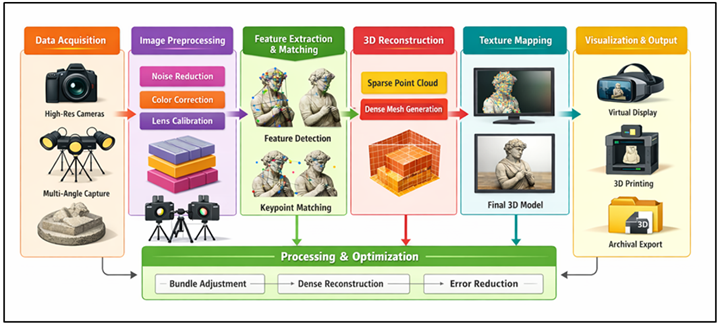
Figure 1 Multilayered High-Resolution Photogrammetry
Framework for Accurate 3D Sculptural Replication
The solution to these problems requires a well-thought photogrammetry platform including the controlled conditions of imaging, optimization of the acquisition protocols, and the innovative computation processes. The study is a high-resolution photogrammetry model that is adapted to the 3D replication of classic sculptural items with high precision. The solution proposed is based on systematic data collection, accurate camera calibration, and effective algorithm processing and features high geometric accuracy and surface fidelity Panagiotidis and Zacharias (2022). This work will also help in the establishment of effective, effective, and scalable digital preservation strategies by incorporating the best computer vision algorithms with practical considerations on the cultural heritage artifacts.
2. Background and Related Work
2.1. Traditional methods of sculptural replication (casting, molding, manual modeling)
The conventional methods of replication of sculptures have always been used to preserve and reproduce culturally important objects. The most common of these are casting and molding, which entails the development of negative impressions made of plaster, silicone rubber or latex and then the positive reproductions are made. Although the methods are able to reach reasonable geometric accuracy, they are also invasive in nature and can be potentially destructive to fragile or the historically important sculptures because of physical contact Chaudhary and Govil (2022). Also, the replication process is in most instances laborious and takes experience to preserve fidelity. Another traditional method is that of manual modeling, which involves recreation of sculptures through hand by an artisan using reference measurements, photographs, or sketches. Even though the method can be used to undertake interpretive restoration and gives artistic freedom, it is very subjective and can cause inconsistency, particularly in its ability to reproduce fine surface details or complicated geometries Wang (2022). Moreover, the utilization of conventional approaches is not that scalable and digital as it is necessary to be applied in the current preservation processes. These constraints have led to movement into non-contact and digital methods including photogrammetry which is more precise, repeatable and compatible with virtual archives Cui et al. (2021).
2.2. Fundamentals of Photogrammetry and Multi-View Geometry
Photogrammetry is a computational method that builds of two-dimensional images, in a way designed to create three-dimensional constructions, using geometrical linkages between two or more images. In its most basic form it consists of the concept of multi-view geometry which provides the relationship between image points at various positions of the camera in order to generate depth and structure in space. This starts with feature detection, which involves identifying keypoints that are distinctive over images by using algorithms like SIFT, SURF or ORB. These characteristics are then compared to draw up correspondences on which camera parameters and scene geometry can be estimated Nisiotis et al. (2020). An important idea in photogrammetry is the epipolar geometry that limits the search of the corresponding points in pairs of images, enhancing the efficiency of the computations and their accuracy. Camera poses and 3D point coordinates are optimized together by means of bundle adjustment in order to reduce the error of reprojection. Sparse reconstruction gives a rough geometry framework, which is later elaborated using dense reconstruction methods to come up with detailed point clouds. Visual realism is also further reinforced by surface reconstruction and texture mapping Monaco et al. (2022). Photogrammetry can be successfully used in cultural heritage usage by employing high resolution imaging and powerful optimization techniques that allow it to provide precise and scalable 3D reconstruction.
2.3. Review of Existing 3D Reconstruction Techniques in Cultural Heritage
The use of 3D reconstruction technologies in cultural heritage has attracted a lot of attention, and various approaches to the implementation of the works based on methodological accuracy in digital preservation are developed. Laser scanning, especially the LiDAR systems have been popular in acquisition of accurate geometric data with high precision and depth resolution. Nevertheless, these systems can be costly, need special equipment, and not provide detailed texture data as compared to image based methods Sommer and Seiffert (2022). Structured light scanning can provide better detail capture on the surface, but cannot be applied in the outdoor or large-scale setting because of sensitivity to ambient light conditions. Photogrammetry is one of the image-based reconstruction techniques that have now become affordable and versatile. These techniques utilize ordinary digital cameras and sophisticated computer vision programs in order to create high-resolution painted frameworks. The new progressions add hybrid methods that integrate photogrammetry with laser scanning so as to have not only geometrical accuracy but also detailed texture detailing Wan et al. (2025). Table 1 contrasts the procedures, precision, constraints, use in heritage reconstruction. Moreover, the reconstruction algorithms based on deep learning have been proposed to boost the feature extraction, noise removal, and surface completion especially when there are occlusions or degraded artifacts.
Table 1
|
Table 1 Summary of Related Work on High-Resolution Photogrammetry and 3D Reconstruction for Sculptural Heritage |
|||||
|
Technique Used |
Data Type |
Sensors/Tools |
Key Contribution |
Limitations |
Application Domain |
|
Laser Scanning Chen et al. (2025) |
3D Point Cloud |
LiDAR Scanner |
High geometric precision
capture |
Expensive, low texture
detail |
Heritage Documentation |
|
Photogrammetry He et al. (2024) |
Multi-view Images |
DSLR Camera |
Cost-effective 3D
reconstruction |
Sensitive to lighting |
Cultural Artifacts |
|
Structured Light Scanning |
Depth + Image |
Structured Light Sensor |
Fine surface detail
extraction |
Limited outdoor usage |
Museum Digitization |
|
Hybrid (LiDAR + Image) Ghonmode and Tulsiramji (2025) |
Multi-modal |
LiDAR + Camera |
Combined geometry and
texture |
Complex setup |
Digital Archiving |
|
SfM + MVS |
Image Dataset |
High-Res Cameras |
Dense reconstruction
pipeline |
High computation cost |
Sculpture Modeling |
|
Deep Learning Reconstruction |
Image + Depth |
CNN Models |
Improved feature extraction |
Requires training data |
Smart Heritage Systems |
|
UAV Photogrammetry Kravari et al. (2022) |
Aerial Images |
Drone Camera |
Large-scale artifact capture |
Limited fine detail |
Archaeological Sites |
|
Multi-view Stereo |
Image Sequences |
Multi-camera Rig |
High-density point clouds |
Occlusion issues |
Cultural Preservation |
|
AI-Enhanced Photogrammetry |
Image Dataset |
AI + Vision Models |
Noise reduction and
refinement |
Computational overhead |
Digital Restoration |
|
Real-Time 3D Reconstruction |
Video Frames |
RGB-D Cameras |
Fast reconstruction pipeline |
Lower accuracy |
Interactive Systems |
|
High-Resolution
Photogrammetry |
Ultra-HD Images |
Mirrorless Cameras |
Fine texture preservation |
Large data size |
Museum Archives |
3. Proposed High-Resolution Photogrammetry Framework
3.1. System architecture for high-fidelity 3D capture
The system architecture proposed will allow capturing traditional sculptural artifacts in high fidelity of 3D, based on a modular and scalable structure. It is made up of four main layers, namely, data acquisition, preprocessing, reconstruction, and visualization. The data acquisition layer has high-resolution imaging gadgets which are placed strategically around the sculpture to capture as much as possible. The preprocessing layer is used to rectify images, reduce noise and color correct to increase consistency of features among datasets. The reconstruction layer is then involved and more sophisticated photogrammetry algorithms are used in detecting features, matching, estimating camera pose, and creating 3D points. The central aspect of the architecture is the incorporation of a central processing unit that is capable of processing huge amounts of image data and performing computationally expensive operations like bundle adjustment and dense reconstruction. Parallel processing and processing with graphics card acceleration are done to enhance efficiency, and to cut down processing time.
3.2. Integration of High-Resolution Imaging Sensors and Controlled Lighting
It is essential to bring together high-resolution imaging sensors and controlled lighting conditions in order to obtain accurate and detailed 3D reconstruction. The suggested design will use professional-level digital cameras with high megapixel sensors and fixed focal-length lens to reduce distortion and need maximum image clarity. The sensors can record finer surface textures, complex carvings and subtle material differences and these are what are required to create highly realistic digital replications. The lighting is controlled so that the illumination is even and shadows, specular highlights, and reflections are minimised which may disrupt feature detection and matching. The diffused lighting systems such as softboxes and ring lights are systematically placed in order to achieve uniform lighting in all the images taken. Polarization filters are applied in situations in which the material is reflective and/or translucent so that the undesired glare can be dampened and the image makeup can be better. The timing of imaging sensors and lighting systems are well coordinated to ensure that the process of acquisition remains constant. Colors and geometric distortions are also corrected by the use of calibration targets. Such a combined method has the benefit of improving the reliability of feature extraction, increasing the accuracy of reconstruction and providing a high quality of texture mapping, which plays a considerable role in ensuring the overall fidelity of the 3D model.
3.3. Automated Image Acquisition Strategies (Multi-Angle, Overlap Optimization)
High-quality photogrammetric reconstruction must have an effective and precise image capture. The suggested framework is that of automated image acquisition strategies, which have been proposed to have comprehensive and well overlapping datasets. An image of the multi-angle method is applied, in which there are several different elevations and circumferential positions of sculpture where images are taken. This makes sure that a complex geometry such as undercuts and hidden areas is fully covered. In Figure 2, there is capture multi-angle, which guarantees maximum overlap to facilitate reconstruction. This overlap optimization is very essential to the process of acquisition, where the overlap between adjacent images is recommended to be 70-85 percent in order to guarantee strong matching of features.
Figure 2
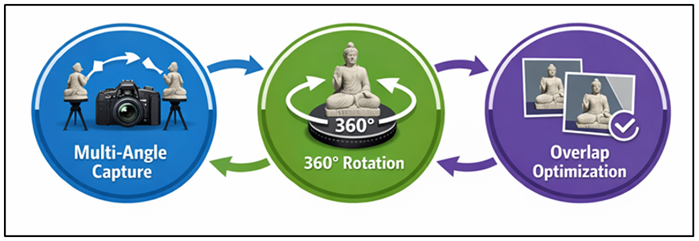
Figure 2 Automated Image Acquisition Strategies for
Multi-Angle Capture and Overlap Optimization
To ensure the spacing, angles, and distances are constant during the image-taking process, the automated camera rigs/turntable systems are used. Moreover, there are adaptive acquisition strategies, which are used to cope with the sculptures of different sizes, textures and complexities. An example is that more image density is used to capture regions that are more complicated and fewer images in regions that are less complicated.
4. Data Acquisition and Experimental Setup
4.1. Selection of traditional sculptural artifacts (material, size, texture diversity)
The choice of the sculptural artifacts is the key to the assessment of the soundness and generalizability of the suggested photogrammetry structure of high resolution. A varied range of traditional sculptures is selectively used in this research to show different variations in material composition, geometrical complexity and surface texture. The materials are stone, wood, metal, and clay and each one possesses unique optical and structural characteristics which affect the image capture and the quality of reconstruction. As an example, stone artworks tend to have smooth engravings and textures and metallic objects might be problematic because of reflectivity. The chosen artifacts also differ in their sizes, small handheld items and medium size sculptures allow evaluating the scalability and adaptability of the framework. The other important aspect that cannot be ignored is texture diversity because surfaces can be smooth, carved patterns, weather patterns and decorative features. These variations challenge the performance of the algorithms of feature detection and matching in various conditions.
4.2. Camera Calibration and Imaging Parameters (Resolution, Focal Length, ISO)
Proper camera calibration and good selection of imaging parameters is necessary in order to obtain high precision photogrammetric reconstruction. Here, the intrinsic and extrinsic camera parameters are estimated with the calibration algorithms that make use of the known reference patterns, e.g., checkerboard grids. The calibration is done to correct lens distortions, align image coordinates, and correct estimation of principal points and focal length, as well as enhance the consistency in geometry across images. The use of high-resolution imaging is used to record finer detail on the surface and the cameras set to work at the highest or close to the highest resolution settings. Fixed focal length lenses are also used over the zoom lens in order to reduce variability and distortion. The focal length will depend on the size and the distance of the sculpture, a good coverage must be provided without compromising sharpness and depth of field. The ISO settings are well regulated to bring about a balance between the image brightness and noise levels. A reduction in the ISO values is normally applied to cut noise levels and save detail whereas the exposure is set to a position that will ensure a good illumination. Aperture values are also controlled to have adequate depth of field so that the whole sculpture is in focus. A combination of these calibrated and standardized imaging parameters help to improve in the accuracy, consistency and reliability of the 3D reconstruction process.
4.3. Environmental Conditions (Lighting Uniformity, Background Control)
Photogrammetry is sensitive to controlled environmental conditions, which are essential in testing and selecting the high image quality and reducing reconstruction errors. In the research, imaging is done in a controlled indoor setting in which lighting, background, and extraneous disturbances can be successfully controlled. The diffused sources of light, including softboxes and LED panels, become uniform sources of lighting and decrease strong shadows and reflections. Even lighting of the entire perspective improves the detection and matching of features. Background control is applied to separate the sculpture with the surrounding and hence the reduction of noise, and better segmentation. The contrast between the object and its environment is created with the use of neutral, non reflective backgrounds e.g. matte black or gray screens. This makes proper edge detection and eliminates interference in reconstruction. Stability of the environment is also ensured by reducing the vibration, disturbance of airflow and variation in the lighting in the image capture. The selections are made to provide the camera with stability during the use of tripods and fixed mounts, whereas controlled exposure settings provide consistency in the image. The framework helps to improve the quality of data, minimize reconstruction artifacts and achieve consistent and dependable production of high-resolution 3D models by creating a stable and consistent imaging environment.
5. Algorithmic Implementation and Workflow
5.1. Stepwise photogrammetry pipeline
The photogrammetry workflow suggested is based on a multi-stage pipeline following a structured approach to guarantee the correct and high-resolution three-dimensional reconstruction of sculptural objects. This is done by first of all, capturing the images in a systematic manner, i.e. the overlapping images are captured by a series of positions in order to provide full coverage. These images are then taken through preprocessing procedures such as colour correction, removal of distortions and reduction of noise in order to promote uniformity and quality. During the feature extraction phase, unique keypoints are identified over the images with powerful algorithms, allowing one to successfully identify similar regions. It is then succeeded by feature matching in which descriptors are matched between image pairs to achieve correspondences. An outlier rejection strategy is used including RANSAC that can remove false matches and enhance robustness. This is followed by the reconstruction stage, which consists of camera pose estimation and sparse point cloud reconstruction based on the methods of a structure-from-motion (SfM). The process of bundle adjustment is used to optimize the camera. The pipeline also proceeds to dense reconstruction, surface modeling and texture mapping with a final product of a detailed and visually realistic 3D model. This process is digital sculpture replication that is accurate, scalable and repeated.
5.2. Feature Detection Algorithms (SIFT, SURF, ORB)
Photogrammetry is based on feature detection and description to define equivalent features across two or more images. This framework uses three popular algorithms namely Scale-Invariant Feature Transform (SIFT), Speeded-Up Robust Features (SURF) and Oriented FAST and Rotated BRIEF (ORB) which have different advantages in terms of robustness, speed and computer efficiency. SIFT has been described as very robust to scale, rotation and illumination. It identifies key points on the basis of identifying the extrema in the scale-space and produces unique descriptors that render it very dependable on complex and textured surfaces. Nonetheless, it is computationally expensive and could be a source of processing time when working with large datasets. SURF is a refined version of SIFT, which is more rapidly computed by uses of integral images and rough filters. It is not as robust as the SIFT, but offers a good trade-off between speed and accuracy, so it can be used in medium-scale reconstruction. ORB on the other hand is a simple and effective algorithm that is used on real time applications. It integrates FAST key point identifier with BRIEF feature and is additionally oriented with compensation, making it fast and reliable to run with a reduced level of computation. These algorithms are integrated to improve flexibility and strength in different imaging conditions.
6. Results and Comparative Analysis
The suggested high-resolution photogrammetry system shows the better results in the precision of the reconstruction of traditional sculptural objects, as it provides the higher level of the geometrical accuracy and preservation of the fine texture. Compared to traditional replication techniques as well as the baseline digital techniques, comparative assessment shows that much is gained in reconstruction completeness, detail fidelity on the surface and processing power. Efforts in quantitative measures which include accuracy, precision and F1-score demonstrate steady increases and especially in complicated geometries and textured surfaces. Moreover, it is demonstrated that the framework is robust to diverse conditions of materials and lighting, which confirms that it is applicable to the reliable cultural heritage digitization and sophisticated 3D documentation processes.
Table 2
|
Table 2 Comparative Performance Evaluation of Reconstruction Methods |
||||
|
Method |
Accuracy (%) |
Precision (%) |
Recall (%) |
F1-Score (%) |
|
Manual Replication |
79.2 |
78.5 |
77.8 |
78.1 |
|
Laser Scanning |
88.6 |
87.9 |
87.2 |
87.5 |
|
Basic Photogrammetry |
90.8 |
90.1 |
89.6 |
89.8 |
|
Hybrid (Laser +
Photogrammetry) |
93.4 |
92.8 |
92.2 |
92.5 |
Table 2, shows a comparative assessment of the various reconstruction methods on the basis of essential performance measures, such as accuracy, precision, recall and F1-score. The performance of manual replication is the lowest, and the accuracy is 79.2, which indicates that the replication process relies on a human factor and has a weak ability to reproduce fine geometric and surface features with the same performance. Figure 3 compares precision and accuracy of the two processes of replication and digitization.
Figure 3
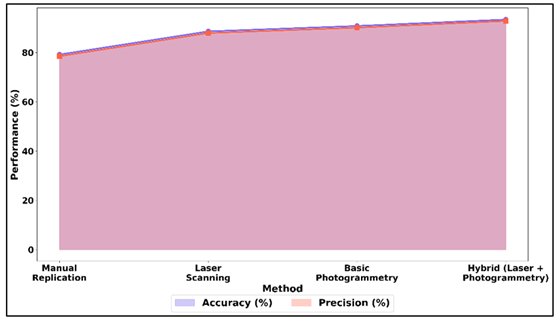
Figure 3 Comparison of Accuracy and Precision Across
Replication and Digitization Methods
Laser scanning has a high level of performance with a success rate of 88.6% accuracy because of its fine geometrical measurements; yet it might not have rich texture descriptions. Simplified photogrammetry also improves performance reaching as high as 90.8 percent because it is able to capture the geometry and surface texture simultaneously with multiple view imaging. The hybrid method that uses laser scanning and photogrammetry has the best performance of the current methods with a 93.4% accuracy and reliably good values of precision and recall. In Figure 4, a metric comparison was performed between manual, laser, photogrammetry and hybrid techniques. This means that the shortcomings of any of the technologies can be countered by the integration of the complementary technology and enhance the quality of the reconstruction overall.
Figure 4
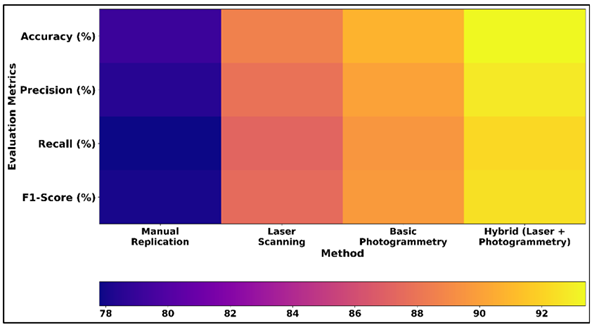
Figure 4 Accuracy, Precision, Recall, and F1-Score Across
Manual, Laser, Photogrammetric, and Hybrid Methods
In general, the table shows the evident transition between classic and modern digital approaches to the performance, but it is clear that the image-based and hybrid techniques are the most effective in the search of the accurate and reliable duplication of sculptural piece in 3D.
7. Conclusion
This paper introduces a rigorous high-resolution photogrammetry system to the process of precise 3D reproduction of the traditional sculpture, which can solve the major canonic issues of cultural heritage conservation. Through the combination of the newest imaging technologies, controlled environmental parameters, and powerful computation algorithms, the given method makes the non-invasive and high-fidelity approaches to digital rebuilding of artifacts with the complex geometry and detailed surface texture. Consistency, accuracy and scalability of the variability of sculptural shapes are guaranteed by the structured workflow that includes the optimization of data collection, accurate camera calibration, matching of features and dense point cloud generation. The experimental findings indicate that the framework is much superior in terms of geometric accuracy, texture preservation, and completeness of reconstruction, when compared to the traditional replication techniques and baseline digital techniques. High resolution sensors and automated acquisition strategies increase the coverage and minimize the need of human intervention, whereas the inclusion of efficient feature detection algorithms makes it more resilient across diverse conditions. In addition, the fact that the system is adaptable to various materials and environmental conditions demonstrates its usefulness in practice. In addition to replication, the produced 3D models could be used to provide useful space in digital archiving, planning and restoration, virtual exhibition, and dissemination through education.
CONFLICT OF INTERESTS
None.
ACKNOWLEDGMENTS
None.
REFERENCES
Adamczak, M., Kolinski, A., Trojanowska, J., and Husár, J. (2023). Digitalization Trend and its Influence on the Development of the Operational Process in Production Companies. Applied Sciences, 13(3), 1393. https://doi.org/10.3390/app13031393
Chaudhary, K., and Govil, A. (2022). Application of 3D Scanning for Reverse Manufacturing and Inspection of Mechanical Components. In Springer International Publishing. https://doi.org/10.1007/978-3-030-73495-4_5
Chen, J., Ping, S., Liang, X., Ma, X., Pang, S., and He, Y. (2025). Line-Structured Light-Based Three-Dimensional Reconstruction Measurement System with an Improved Scanning-Direction Calibration Method. Remote Sensing, 17(13), 2236. https://doi.org/10.3390/rs17132236
Cui, B., Tao, W., and Zhao, H. (2021). High-Precision 3D Reconstruction for Small-to-Medium-Sized Objects Utilizing Line-Structured Light Scanning: A review. Remote Sensing, 13(21), 4457. https://doi.org/10.3390/rs13214457
Ghonmode, B. N., and Tulsiramji, A. G. (2025). A Study on the Role of Social Media Analytics in Understanding Consumer Behavior through Power BI at Cryptex Technologies, Nagpur. International Journal of Research in Data Mining and Management Research, 14(1), 112–118. https://doi.org/10.65521/ijrdmr.v14i1.305
Haleem, A., Javaid, M., Singh, R. P., Rab, S., Suman, R., Kumar, L., and Khan, I. H. (2022). Exploring the Potential of 3D Scanning in Industry 4.0: An Overview. International Journal of Cognitive Computing in Engineering, 3, 161–171. https://doi.org/10.1016/j.ijcce.2022.08.003
He, J., Li, P., An, X., and Wang, C. (2024). A Reconstruction Methodology of Dynamic Construction Site Activities in 3D Digital Twin Models Based on Camera Information. Buildings, 14(7), 2113. https://doi.org/10.3390/buildings14072113
Kravari, K., Emmanouloudis, D., Korka, E., and Vlachopoulou, A. (2022). The Contribution of Information Technologies to the Protection of World Cultural and Natural Heritage Monuments: The Case of Ancient Philippi, Greece. Science and Culture, 8, 169–178.
Monaco, D., Pellegrino, M. A., Scarano, V., and Vicidomini, L. (2022). Linked Open Data in Authoring Virtual Exhibitions. Journal of Cultural Heritage, 53, 127–142. https://doi.org/10.1016/j.culher.2021.11.002
Nisiotis, L., Alboul, L., and Beer, M. (2020). A Prototype that Fuses Virtual Reality, Robots, and Social Networks to Create a New Cyber-Physical-Social Eco-Society System for Cultural Heritage. Sustainability, 12(2), 645. https://doi.org/10.3390/su12020645
Onaji, I., Tiwari, D., Soulatiantork, P., Song, B., and Tiwari, A. (2022). Digital Twin in Manufacturing: Conceptual Framework and Case Studies. International Journal of Computer Integrated Manufacturing, 35(8), 831–858. https://doi.org/10.1080/0951192X.2022.2027014
Onyia, T. M., Olarinoye, I. A. A., and Jimoh, S. A. (2025). Advancements and Challenges in 3D Scanning. African Journal of Advanced Science and Technology Research, 18, 191–206. https://doi.org/10.62154/ajastr.2025.018.010640
Panagiotidis, V. V., and Zacharias, N. (2022). Digital Mystras: An Approach Towards Understanding the Use of an Archaeological Space. Science and Culture, 8, 89–103.
Sommer, M., and Seiffert, K. (2022). Scan Methods and Tools for Reconstruction of Built Environments as Basis for Digital Twins. In Springer International Publishing. https://doi.org/10.1007/978-3-030-77539-1_4
Wan, T., Su, T., and Wang, Z. (2025). Towards Unified Structured Light Optimization. arXiv.
Wang, Y. (2022). Image 3D Reconstruction and Interaction based on Digital Twin and Visual Communication Effect. Mobile Information Systems, 2022, 1–12. https://doi.org/10.1155/2022/8510369
|
|
 This work is licensed under a: Creative Commons Attribution 4.0 International License
© ShodhKosh 2026. All Rights Reserved.