ShodhKosh: Journal of Visual and Performing ArtsISSN (Online): 2582-7472
|
|
Ethics of Digital Representation in Visual and Performing Arts
Nisha Wankhade 1 , Manoj Kumar Singh 2
 , Dr. Ramya Chellammal M 3
 , Leena Bharat Chaudhari 4
 , Milind Patil 5
 ,
,
Dr. Vijay Suresh Karwande 6
1 Department
of Information Technology, Yeshwantrao Chavan College of Engineering, Nagpur,
India
2 Department
of Computer Science and Engineering, Shri Shankaracharya Institute of
Professional Management and Technology, Raipur, Chhattisgarh, India
3 Department of Pediatric and Preventive Dentistry, Sree Balaji Dental
College and Hospitals, Bharath Institute of Higher Education and Research,
Tamil Nadu, India
4 Department Electronics and Telecommunication Engineering, Bharati
Vidyapeeth's College of Engineering, Lavale, Pune, Maharashtra, India
5 Assistant Professor, Department of E&TC Engineering, Vishwakarma
Institute of Technology, Pune, Maharashtra, India
6 Assistant Professor, Department of Computer Engineering, Sandip
Institute of Technology and Research Centre, Nashik, India
|
|
|
ABSTRACT |
|
|
Rapid
emergence of the digital technologies has witnessed a massive transformation
of the production, expression, and dissemination of the visual and performing
arts. The technologies of artificial intelligence, virtual and augmented
reality, motion capture, and synthetic media have offered potent tools of
applying new forms of artistic expression, and creating immersive experiences
to the audience. They are expanding the creative opportunities and the global
reach, but these technologies are causing acute ethical concerns on
authenticity, cultural representations and identity of the performers,
intellectual property and privacy of information. These problems must be
taken into consideration in order to align technological innovation in the
arts with responsible and culturally sensitive practice. This paper examines
ethical aspects of digital representation of visual and performing arts
according to the analysis of the literature available on the topic of digital
media ethics, artificial intelligence in art, and cultural heritage
preservation. The essay addresses the significant technologies that enable
the production of the digital pieces of art and mainstream ethical concerns
that provide authenticity, cultural appropriation, algorithms bias, rights to
own, and privacy issues. Comparative evaluation of the current existing
ethical frameworks has shown that the current models tend to consider
individual variables of digital ethics and not give a detailed analysis in
the context of art. In order to fill these gaps, the paper suggests a
conceptual artistic ethical framework of digital representation. The
framework combines the concepts of responsible digital art creation, ethical
design standards of artists and institutions, governance structure of digital
platforms, and the workflow of ethical artistic production and distribution.
The model suggested should help facilitate transparency, cultural
authenticity, performer permission, and responsible artificial intelligence
usage in artistic activities. The results emphasize the significance of
inter-disciplinary cooperation of artists, technologists and policymakers and
cultural institutions in formulating ethical principles that facilitate
creativity without undermining artistic integrity and cultural diversity in
the dynamic digital arts ecosystem. |
|||
|
Received 13 January 2026 Accepted 21 March
2026 Published 03 April 2026 Corresponding Author Nisha
Wankhade, nisha.wankhade@gmail.com DOI 10.29121/shodhkosh.v7.i3s.2026.7449 Funding: This research
received no specific grant from any funding agency in the public, commercial,
or not-for-profit sectors. Copyright: © 2026 The
Author(s). This work is licensed under a Creative Commons
Attribution 4.0 International License. With the
license CC-BY, authors retain the copyright, allowing anyone to download,
reuse, re-print, modify, distribute, and/or copy their contribution. The work
must be properly attributed to its author.
|
|||
|
Keywords: Digital Representation, Digital Art Ethics,
Artificial Intelligence in Arts, Cultural Heritage, Ethical Framework, Visual
and Performing Arts, Intellectual Property, Algorithmic Bias, Digital
Creativity |
|||



1. INTRODUCTION
1.1. Background of Digital Representation in Arts
Traditionally, art was used as a means of expressing culture, telling stories and reflecting socially. Visual and performing arts, including painting, sculpture, theatre, dance and music, have long been based on physical space along with human performance to convey artistic concepts and feelings. The quick advancement of digital technologies has however changed the way art is created, represented, preserved and experience. Digital representation Digital representation is the conversion of artistic creations or performances into digital formats with the help of increasing technologies like computer graphics, artificial intelligence, motion capture, and immersive media. Digital representation allows artists to establish new modes of expression that no longer rely on time, space, and material. As an illustration, digital paintings, virtual performances, holographic concerts, and computer-generated imagery gives the artists the opportunity to use their creativity that could not be achieved before. Moreover, online audiences can now view artworks remotely in an online exhibition, stream performance, and virtual museums due to digital platforms. Consequently, the digital representation has emerged as a critical aspect of modern practice of art and cultural distribution. Although these are the benefits, the transition to digital representation presents valuable ethical concerns with respect to authenticity, ownership, cultural sensitivity, and artistic integrity. With the growing role of digital tools in expressing artworks, ethical implications of the digital representation have become a critical subject of study in the intersecting fields of art, technology, and digital media studies.
1.2. Growth of Digital Technologies in Visual and Performing Arts
The environment of visual and performing arts has been significantly altered with the help of high-tech digital technologies. Technologies that have enabled artistic creation and interaction with the audience to become larger are artificial intelligence (AI) and virtual reality (VR), augmented reality (AR), motion capture systems, and generative algorithms. Generative Systems AIs find application in visual arts to generate complex visual artworks through the assistance of algorithms, digital painting software that enables the creation of visual artworks. Similarly, online modeling and 3D visualization allow the possibility to build a rich virtual space and an interactive installation. The performing arts have also been practiced using motion capture and digital avatars and the performer can employ physical movements to bring out a virtual character enabling the performer act on a virtual stage or a digital environment. The enhancing aspect of VR and AR platforms is that they increase the engagement of the audience they provide the experience of immersion of the viewers into the art through allowing them to interact with art pieces in real-time. There is also the fact that the online streaming services and cloud distribution means enable the sharing of performances over the internet, therefore, becoming more accessible and intercultural Heinrich (2014).
1.3. Ethical Concerns in Digital Artistic Representation
The digital technologies give many creative opportunities, yet, they also present a complex ethical issue that can be linked to the problem of artistic representation. One of the issues is the problem of authenticity and ownership of art. Art created using artificial intelligence and works that were digitally manipulated by the artificial intelligence are likely to blur the distinction between the human creativity and the machine, and they also question the question of authorship and intellectual property rights. Another ethical concern is also related to the image of cultural heritage and identity. The process of reproduction and transformation of cultural artifacts or performance digitally may lead to misrepresentation, cultural appropriation or loss of contextual meaning. A case in point is the digitization of traditional performance without any cultural context or even permission would result in the misrepresentation of the cultural context of the original. Moreover, there are new threats of digital manipulations, which have been presented by new technologies, such as deepfakes and synthetic media. These technologies could recreate or modify the work of human performers without their consent, raising ethical issues connected to the identity rights, the agreement of the performer, and false information. Privacy and data protection problems are also evident when digital systems are involved to track information about user interaction or biometrics of the performers or audiences. These moral problems should be tackled to make the use of digital technologies in the artistic representation responsible and sustainable.
1.4. Research Problem and Motivation
Although the digital representation has become more widespread in the art practices, the code of ethics of being in the realm of visual and performing arts has not been agreed upon in a wide manner. The existing literature makes a tendency of focusing on technological innovation or inventive usage instead of collecting ethical issues in different areas such as media studies, cultural heritage preservation and digital ethics. The absence of serious moral theory can lead to the subsequent issues: the use of artistic resources without permission, infringement of copyright on works, discrimination in the selection of algorithms of AI-generated pictures, and cultural identity distortion. Furthermore, those online platforms that provide space to artistic materials lack clear policies regarding the protection of intellectual property and performance rights and the responsible use of AI Carrasco-Barranco (2014).
The challenges bring about the need to conduct a systematic study concerning the problem of ethical issues in digital representation and develop systematic models that ought to make artists, institutions, and technology developers responsible. The following research is therefore informed by the necessity of delving into the ethical dilemmas that are associated with digital representation in the performing and visual arts as well as propose an intellectual paradigm that will enable ethical arts and distribution to thrive in the digital realm.
2. Literature Review on Digital Ethics in Arts
2.1. Ethical Frameworks in Digital Media
Digital media ethical frameworks lay guidelines on proper utilization of technologies by considering issues of transparency, accountability, privacy, and intellectual property. They also have a focus on ethical governance in new tools like AI and digital platforms, as well as encourage inclusivity and cultural sensitivity and respect to creative ownership, that technological innovation and social, cultural, and artistic ideals are aligned.
2.2. Ethics of Representation in Visual Arts
The study of ethics of representation in visual arts analyses the impact of digital technologies on the representation of cultures and identities and narratives. Although digital tools help to boost creativity, they elevate the issues of authenticity, misrepresentation, and cultural appropriation. The Ethics promote respectful representation, maintenance of artistic integrity and safeguarding cultural heritage in digital arts practices. Gilmore (2011).
2.3. Ethical Issues in Digitally Mediated Performing Arts
Nevertheless, issues of identity of the performers, their consent, ownership of digital performance data, authenticity of live performances and privacy of the audience and performer interaction data on the digital platform are ethical issues.
2.4. AI-Generated Art and Authenticity Debates (50 words)
AI art is ethically questionable and brings up the issue of authorship, originality, and human creativity. With AI models being trained to work by large volumes of already existing artworks, there is an issue of copyrights and cultural ownership. Artificial intelligence requires ethical systems to establish transparency, accountability, and responsible application in the production of art. Carroll (2022).
2.5. Intellectual Property and Ownership in Digital Art
Intellectual property (IP) rights safeguard the artistic business of the people and they also make sure that the individual is recognized and rewarded. However in digital settings, IP protection is not easy due to the fact that it is so easy to copy, alter and distribute digital content across the world without authorization. This raises copyright breach and illicit distribution. There are also collaborative digital projects that have artists, programmers and technological systems, which make ownership and authorship even more difficult. The emergence of AI-generated art also poses the question of who is supposed to be the author. To overcome these issues, scholars come up with digital rights management, ownership record-keeping with blockchain, and licensing mechanisms that are transparent to safeguard artists and also promote creativity in the field of digital artistic creation.
Table 1
|
Table 1 Literature Review Table on Ethical Issues in Digital Representation in Arts |
|||
|
Research Focus |
Methods Used |
Key Findings |
Limitations |
|
Development of ethical
guidelines for responsible digital technology use Danto (2003) |
Conceptual analysis, policy
review, interdisciplinary studies |
Ethical frameworks promote
transparency, accountability, privacy protection, and responsible AI
governance in digital environments |
Often general in scope and
not specifically tailored to artistic practices |
|
Ethical implications of
digital representation of cultural identities and narratives Carroll (2019) |
Theoretical analysis,
cultural studies, case-based evaluation |
Digital tools enhance
creativity but raise concerns about authenticity, cultural appropriation, and
misrepresentation |
Limited focus on
technological implementation and practical governance mechanisms |
|
Ethical concerns in digital
performances using technologies such as VR and motion capture Monseré and Vandenabeele (2012) |
Case studies, qualitative
analysis of digital performances |
Highlights issues of
performer consent, identity rights, authenticity of live performances, and
privacy in digital platforms |
Lack of standardized
frameworks for protecting performer rights in digital environments |
|
Ethical debates regarding
authorship and originality in AI-generated art Levinson (2011) |
Conceptual studies, AI
ethics analysis, technological evaluation |
AI-generated art challenges
traditional notions of creativity, authorship, and artistic ownership |
Limited empirical research
on real-world AI artistic production |
|
Challenges of copyright
protection and ownership in digital artistic production Zangwill (2007) |
Legal analysis, policy
studies, technological review |
Emerging solutions such as
blockchain and digital rights management can improve ownership tracking and
attribution |
Legal frameworks still
evolving and not fully adapted to AI-generated or collaborative digital art |
2.6. Summary of Research Gaps
Recent work has been made in the domain as indicated in the Table 1 above. Though studies have been done on the ethical concerns in digital media, visual arts and artificial intelligence, there are few gaps concerning digital representation in arts. Numerous researches are devoted to certain technologies like AI-generated art or digital archiving without examining the ethical implications of overall art. The visual and performing arts are also commonly discussed as distinct fields in existing work, although interdisciplinary integration is growing increasingly intermedia and immersive technology Nguyen (2020). Moreover, the existing codes of ethics primarily focus on data privacy and technology responsibility, and provide very little information about the artistic scenarios, including cultural representation, consent of performers, authenticity, and intellectual property rights. The paper will fill these gaps by exploring the ethical issues and suggest a model of responsible digital artistic practice Caldarola (2022).
3. Technologies Enabling Digital Representation in Arts
The rise of new technologies which enable artistic works to be produced, edited, and experienced in virtual space much shapes the digital representation in the arts of the present day. The technologies increase the limits of the traditional art practices by providing the immersive experience, interactive storytelling and the novel creative cooperation between the machines and the people. Artificial intelligence, immersive reality systems, motion capture, and synthetic media tools have now become part of the modern artistic production both in visual arts and in performing arts Gaut (2010). To analyze the ways in which digital representation is transforming artistic expression and the emergence of ethical issues in technologically mediated artistic spaces, it is important to understand these technologies as presented in Figure 1.
Figure 1
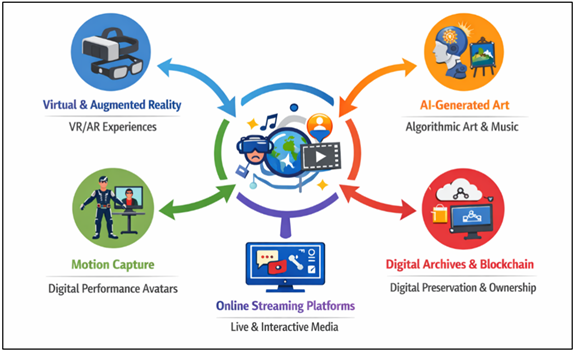
Figure 1 Technologies enabling digital representation in Arts
3.1. Artificial Intelligence and Generative Art
Intellectual property (IP) rights protect artistic works of artists and ensure that they are treated well. In the digital mediums, however, reproduction, transformation and duplication of works of art becomes very easy without any permission, contributing to the problem of copyright. Authorship and ownership is also hard when it comes to joint digital work and machine learning art. To get rid of these challenges, the researchers propose the solutions that involve the digital rights management, ownership tracing via blockchain and transparent licensing structures Lanfranchi (2021).
3.2. Virtual Reality (VR) and Augmented Reality (AR) Performances
The Virtual Reality (VR) and the Augmented Reality (AR) technologies have transformed the experiences of artists by rendering it immersive in terms of narration and interactive shows. VR is an entirely online platform in which screeners and actors are able to experience the virtual reality, and AR overlays the digital environment with the real one with the assistance of their smart phones or an AR-glass Vilar (2017). The technologies may be applied to support the visual and contextual data that is presented on the performance, exhibitions, and cultural heritage presentation. They are used in online museums, digital exhibitions so as to increase the amount of interaction between the audience. However, similar to the immersive technologies, there are also such ethical concerns as accessibility, cultural representation, and authenticity. There must be inclusive access and responsible usage in the digital artistic spaces, hence Bourriaud (2002).
3.3. Motion Capture and Digital Avatars
Motion capture technology is technology that transforms human movements into digital format through sensors, cameras and tracking. Within the performing arts, it allows dancers and actors to act using digital representations in virtual theatre, digital dance and immersive storytelling. Motion capture is also useful in capturing performance movements to digital archive and study in the future. These avatars are commonly employed in the online concerts and interactive settings where they form simulations that are real on the computer. Nevertheless, some ethical issues are associated with the consent of the performers, the right to motion data, as well as the possibility of digital representations misuse Supekar and Deulkar (2025). It requires that there are appropriate rules that will see the identities and artistic contributions of the performers are respected in cases where motion data is being captured, re-used or edited.
3.4. Deepfake and Synthetic Media Technologies
Motion capture technology is technology that transforms human movements into digital format through sensors, cameras and tracking. Within the performing arts, it allows dancers and actors to act using digital representations in virtual theatre, digital dance and immersive storytelling. Motion capture is also useful in capturing performance movements to digital archive and study in the future. These avatars are commonly employed in the online concerts and interactive settings where they form simulations that are real on the computer Thompson (2020). Nevertheless, some ethical issues are associated with the consent of the performers, the right to motion data, as well as the possibility of digital representations misuse. It requires that there are appropriate rules that will see the identities and artistic contributions of the performers are respected in cases where motion data is being captured, re-used or edited.
4. Ethical Challenges in Digital Representation
Nevertheless, there are also important ethical issues that the digital revolution of artistic practice poses, which should be resolved to guarantee the responsible usage of the technology Thompson (2023). Digital representation can entail manipulation, reproduction and distributing artistic content using computational systems that may impact concerns of authenticity, cultural representation, rights of performers, and privacy. This part analyzes the significant ethical issues that are related to the digital representation in modern art practices. The Figure 2 indicates various ethical issues in digital representation in Arts.
Figure 2
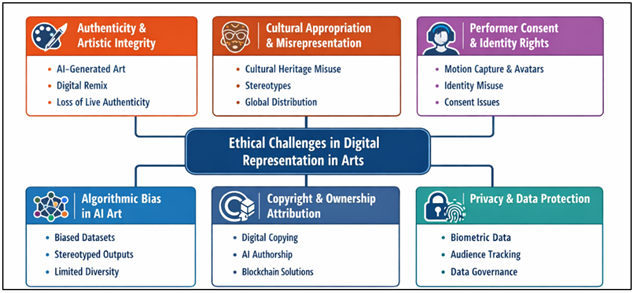
Figure 2 Challenges in Digital Representation
4.1. Authenticity and Artistic Integrity
The traditional arts have been associated with authenticity and artistic integrity which is representative of originality and the intended meaning of the artist. But algorithmic, replicative, and modified artworks and performances made possible by digital technologies defy the traditional concept of authenticity. Artificial intelligence (AI) art and digital reproduction confuses the user between original and modified art pieces and ethical behaviors are required to maintain the artistic intent and artistic integrity. Dhaku Jadhav et al. (2025)
4.2. Cultural Appropriation and Misrepresentation
Cultural artifacts that are digitally represented may provoke the issue of cultural misrepresentation and cultural appropriation. Several artistic traditions present the identity of the community and the history and incorrect digital reinterpretation can alter their meaning. Cultural heritage can also be digitized or commercialized unlawfully using the global platforms. Cultural sensitivity, appreciation of community ownership, and equitable involvement in preservation processes are ethical traits in the digital representation.
4.3. Consent and Performer Identity Rights
To replicate the movements and expressions of performers using technologies, digitally mediated performances make use of motion capture, facial recognition, and digital avatars. Nevertheless, the technologies pose threats to the rights of consent and identity since the digital representations can be used or edited without authorization. The principles directing ethics have to safeguard the rights and interests of the performers, uphold the rights of identity, and control the utilization of the data that the digital performances provide.
4.4. Bias and Algorithmic Representation in AI Art
The use of artificial intelligence in art creation is based on a set of training data, which can be culturally, gender-based, or stylistically biased. Such biases may affect the works of AI-generated art, resulting in stereotypical image or a lack of diversity in artistic works. The solution to the problem of algorithmic bias is to be transparent in designing datasets, inclusive training data, and ethically evaluating them to provide fair and cultural representation in digital art.
4.5. Copyright, Ownership, and Creative Attribution
The copyright and ownership is complicated by the digital character of the contemporary art. Digital art is easily duplicated, altered and distributed without due credit on the internet. Joint projects with artists, programmers, and developers make the problem of authorship even more complicated. The art generated by AI creates more challenges. New technologies such as blockchain and digital rights management can be useful in tracking ownership and enhancing transparency. Thompson (2023)
4.6. Privacy and Data Protection in Digital Performance
Digital performance tends to gather data of performers and viewers, such as gestures, facial expressions, biometrics, and participation phones. This is beneficial in terms of improving experiences however poses a privacy risk. The biometric and behavioral information can be stored or reused unprotected. To practice ethics, informed consent, secure data storage and governance of data as well as clear policies must be practiced.
5. Comparative Analysis of Existing Ethical Frameworks
As digital technologies increasingly enter art creation and presentation, a multiplicity of ethical theories have been designed to guide ethical behaviour in digital media and creative careers. All the issues that these frameworks are supposed to address include intellectual property rights, the transparency of the algorithm system, cultural representation, and safeguarding of the artistic identity. However, the existing rules may be considered a patchwork and fitting into different domains such as digital media ethics, artificial intelligence rules, and cultural heritage conservation. This part will examine some of the models of ethics that have been established as working in digital arts, explain their effectiveness, and also identify their limitations that can be used to arrive at the conclusion that there should be a more comprehensive model of ethics that is utilized in digital representation of visual and performing arts. Dhaku Jadhav et al. (2025)
5.1. Overview of Existing Ethical Guidelines in Digital Arts
Several ethical principles have been developed in order to regulate the use of digital technologies in the creative processes. These principles are normally extracted based on broader morals in online media, artificial intelligence computing, and cultural heritage information. Among the key points of these frameworks, one can single out such aspects as transparency of technological processes, protection of intellectual property, fairness of the algorithmic systems, and appreciation of cultural diversity. Digital media ethics theories aim at the responsible creation of contents, fair representation of individuals and the society, and protection of the user rights. Similarly, the policies of artificial intelligence in the creative industry focus on the issues of transparency in the products created by the artificial intelligence, accountability in making decisions by the algorithms, and fairness in training data. The cultural heritage frameworks, instead, emphasise the need of maintaining cultural authenticity and also the need to make sure that the digital representations are not disrespectful of historical and cultural contexts. Though these frameworks offer useful moral guidelines, they are generally intended to be applied on a larger technological or cultural scale and not to deal more directly with the dynamics of digital artistic representation. Consequently, the ethical issues affecting digital artists and performers tend to need more professional guidelines.
5.2. Comparative Evaluation of Current Ethical Models
The available models of ethics pertinent to the digital representation may be grouped into three main groups, which are digital media ethics frameworks, artificial intelligence ethics frameworks, and cultural heritage ethics guidelines. Both of these models deal with some of the various ethical aspects that apply to the digital arts, but are focused in different ways. Digital media ethics systems are mainly focused on responsible content production, ethics of digital communication and safeguarding user rights on the internet. These frameworks may serve as a decent set of guidelines regarding how to handle the digital space and ethical dissemination of artistic works. Transparency, fairness, and accountability of AI systems are the areas to which the artificial intelligence ethics frameworks are concerned. They emphasize the importance of reducing the biases in the training data, the explainability of the results of the used algorithms, and the correction of the human factor in the automated systems. These ideals are relevant to AI art in particular and generative creative systems. Guidelines to cultural heritage ethics are concerned with preservation, authenticity and engagement of the community in the presentation of cultural objects and custom artistic forms. These structures are particularly applicable to the cases where the digital technologies are present in the procedure of recording or reproducing the artworks and performances of cultural value. Despite the fact that these two forms of ethics point at such critical questions of digital representation, none of them can be regarded as a wholesome practice that would bring together technological innovation, artistic integrity, and cultural responsibility. Vijayakumar et al. (2026)
5.3. Evaluation Criteria for Ethical Digital Representation
In order to analyze the existing ethical frameworks in a systematic manner, it is needed to design the criteria of evaluation that would capture the ethical needs of digital arts practices. The ethical frameworks are assessed in digital representation based on the commonly used criteria. Authenticity and Artistic Integrity criterion evaluates the capability of a framework to protect the original artistic intent and discourage the alteration of the artistic meaning in the process of digital reproduction. Cultural Sensitivity and Representation criterion examines whether the framework encourages respectful values of cultural heritage and on whether cultural identities are misappropriated or misrepresented. Transparency and Accountability criterion is used to investigate the nature of technological processes, especially AI-generated output, and the issue of accountability to digital content. Intellectual Property Protection criterion will examine whether the framework is efficient in safeguarding the right of artists, properly attributing their works, and deterring copying of artistic works. Performer and Identity Rights: This standard measures the quality of digital framework to protect the consent and control of digital representations by the performers. Data Privacy and Security criterion focuses on the issue of personal and performance-related data being secured by the help of suitable privacy policies and data governance framework. Based on these criteria, the currently existing ethical frameworks can be contrasted to determine the advantages and shortcomings of these frameworks when solving ethical issues related to the field of digital artistic representation. Vasanthan and Nandhini (2022)
Table 2
|
Table 2 Comparative Analysis Table of Existing Approaches |
|||
|
Ethical Framework |
Primary Focus |
Strengths |
Limitations |
|
Digital Media Ethics
Frameworks |
Responsible digital
communication and content management |
Emphasizes transparency,
user rights, and ethical media practices |
Limited focus on artistic
authenticity and performer identity |
|
AI Ethics Guidelines |
Algorithmic fairness,
transparency, and accountability |
Addresses bias in
AI-generated art and promotes responsible AI development |
Does not fully address
cultural representation and artistic ownership |
|
Cultural Heritage Ethics
Frameworks |
Preservation of cultural
artifacts and historical authenticity |
Promotes cultural
sensitivity and community involvement |
Focuses primarily on
heritage preservation rather than contemporary digital art |
|
Intellectual Property
Frameworks |
Copyright protection and
ownership of creative works |
Protects artists’ rights and
ensures attribution |
Struggles to address
AI-generated art and collaborative digital creation |
|
Platform Governance Policies |
Regulation of online content
and digital distribution |
Provides rules for digital
content sharing and moderation |
Often lacks specific ethical
guidance for artistic representation |
The comparative analysis presented in Table 2 indicates that although each framework deals with certain aspects of ethics, no one deals in full approach with all the ethical aspects of digital artistic representation.
5.4. Limitations of Current Ethical Frameworks
Even though there are various ethical frameworks that exist to be applied to the digital media, artificial intelligence and cultural heritage, they are scarcely applied to digital arts. Most frameworks are domain specific e.g. AI governance or cultural preservation, without tackling the ethical issues of digital artistic production more broadly. They usually consider more the regulation of technologies without paying attention to such problems as artistic authenticity, ownership of creativity, and rights to identity as a performer. According to the current policies, there are also new ethical challenges that have emerged due to rapid changes in technology such as deepfakes, virtual performers, and AI generated art that have not been addressed by existing policies. Also, the cultural diversity of the world makes it hard to set the universal ethics. Rawandale and Kolte (2024)
6. Proposed Ethical Framework for Digital Representation in Arts
The increasing flow of digital technologies into visual and performing art requires an ethical set of principles, which can be imposed on the artists, institutions, and technology developers to aid them in making responsible the creative act they are involved in. Though the existing ethical norms address a portion of the aspects of digital media and artificial intelligence, they are not rather consistent, considering the artistic, cultural, and technological aspect of digital representation. The proposed ethical framework is likely to provide a comprehensive model that would include ethical principles and design policies, governance, and operational procedures involved in digital artistic production. It is a framework which tries to ensure that digital technologies are used responsibly but without necessarily compromising the artistic authenticity, protecting the rights of the performers, cultural diversity. The framework is created to assist artists, cultural organizations and digital platforms to utilize ethical practices to the entire lifecycle of digital artwork creation and distribution.
6.1. Principles of Responsible Digital Art Creation
1) Authenticity
and Artistic Integrity:
Digital technologies must enhance and not distort the original meaning of the artist. The application of artificial intelligence, editing, and digital transformations must not loss the conceptual sense and emotional expression of works of art.
2) Transparency
in Digital Processes:
It is necessary that artists and platforms should explicitly disclose the usage of digital technologies (AI, motion capture, synthetic media) in the creation of artistic work. Transparency makes the audience comprehend the creative process, and eliminates misleader representations.
3) Respect
for Cultural Context:
Cultural artifacts, traditional performances and heritage materials have to be digitally represented in a sensitive and appropriate way in order to be in a correct context. Where digitalization of cultural content is concerned, community involvement and cultural consultation is encouraged.
4) Performer
Consent and Identity Protection:
Creators and entertainers should retain the right to the creation, storage and purpose of their online ego. The recording or reproduction of the movements, voice or likeness of a performer should always be done with explicit permission.
5) Fair
Attribution and Intellectual Property Protection:
Art work created digitally should contain attribution to the creators and contributors. The protection of intellectual property rights should be taken seriously to give a good award and remuneration on artistic work. These are the principles of the ethical basis of responsible digital artistic practices.
6.2. Ethical Design Guidelines for Digital Artists and Institutions
To apply the ethical concepts in the real life, the digital artists and cultural organizations must consider certain design principles when creating and presenting digital art and performance. The first recommendation is that artists must continue to engage in ethical creative practices as this means that digital tools are used with responsibility and the source of creative content is credited accordingly. In the context of AI-based systems, the artists are to make sure that the training datasets are obtained in an ethical manner and do not infringe upon the copyright and cultural ownership rights. Second, organizations that engage in digital exhibitions, virtual performances or digital archives ought to adopt ethical content management policies. These policies would outline the cultural representation standards, performer consent standards and protection of intellectual property. Third, the digital art project must be more inclusive and accessible. The digital platforms must also offer easy interfaces that can enable different audiences to interact with artistic works without the constraints of geographical or physical distance. Lastly, there is the need to implement open-documentation by artists and the institutions which documents the technological processes involved in creating digital-based artworks. These records contribute to preservation of transparency and enable further studies, conservation and ethics consideration of digital art practices.
6.3. Ethical Governance Model for Digital Art Platforms
1) Policy
Framework:
Platforms ought to set up explicit ethical guidelines that govern the creation, dissemination, and online presentation of content. Such policies must discuss the protection of the copyright, the necessity of the consent, and the responsible usage of AI.
2) Content
Verification Mechanisms:
Platforms are advised to introduce measures to check the authenticity of digital content and verify that the creators of the content possess the right to disseminate their work.
3) Ethical
Review Processes:
The digital art platforms can also form ethical review committees, which assess the projects that involve highly sensitive cultural materials or sophisticated technologies of synthetic media.
4) User
Consultation and Revelation:
Platforms must notify users when the artistic content has been created or altered with the help of AI or synthetic media technologies. Openness helps to increase trust in the audience and encourages responsible online interactions.
6.4. Architecture of the Proposed Ethical Framework
This ethical model can be viewed as a multi-layered architecture in Figure 3 combines the processes of technology and ethical governance structures.
Figure 3
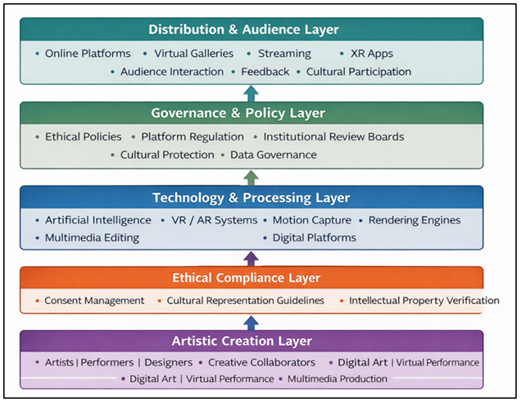
Figure 3 Proposed Multi-layered Architecture
The architecture consists of the following layers:
1) Artistic
Creation Layer:
Artists, performers, designers, and other creative collaborators comprise this layer and create digital artworks through technology that has been applied in AI, VR/AR, motion capture, and multimedia tools.
2) Ethical
Compliance Layer:
This layer will make sure that ethical principles are practiced in the creative process. It encompasses approval management systems, cultural representation rules, intellectual property checking systems, and ethical AI assessment systems.
3) Technology
and Processing Layer:
Digital technologies, such as AI systems, rendering engines, immersive media platforms, and digital editing tools, are found in this layer and are useful in the production of art.
4) Governance
and Policy Layer:
The institutional policies, ethical review mechanisms, and platform governance systems are contained in this layer and take control of distributing digital contents.
5) Distribution
and Interaction of Audience Layer:
It is the last layer that provides digital art and performances to be distributed by the means of the online platform, virtual gallery, streaming platform, and the environment. This tiered system also features an ethical consideration at each phase of digital artistic creation and distribution.
6.5. Workflow for Ethical Digital Art Production and Distribution
The planned framework as presented in figure below Figure 4 also involves a systematic workflow that will direct the ethical lifecycle of digital artistic projects.
Figure 4
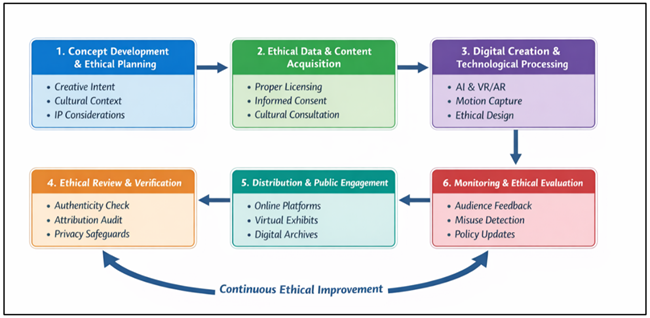
Figure 4 Workflow for Ethical Digital Art Production
Step 1 Concept Development and Ethical Planning.
Artists establish the artistic idea and find out such ethical issues like cultural representation, consent of the performers, and intellectual property.
Step 2: The acquisition of Ethical Data and Content.
When necessary, appropriate consent, licensing and cultural consultation are created to gather creative materials, datasets, and recordings of performances.
Step 3: Digital Creation and Technological Processing.
Digital technologies like AI tools, motion capture systems, and immersive media platforms allow artists to create artistic material according to the ethical design norms.
Step 4: Review and verification of ethics.
The project is evaluated by institutions or other digital platforms according to the policy criteria regarding the ethical aspects of authenticity, attribution, and privacy protection.
Step 5: Public Engagement and Distribution.
The online releases of the digital artwork or performance are made in forms of online, virtual exhibitions, or digital archives where the information on the technologies employed is made transparent.
Step 6: Ethical Monitoring and Evaluation.
Post-release monitoring also implies that the artwork will not be used or manipulated, audiences and stakeholders can comment on the ethical consideration which will contribute to the ethical improvements in the future.The proposed ethical framework is a systematic scale to make ethical responsibility be placed within the digital artistic practice. The framework will assist in responsible innovation in the digital representation field by integrating ethical values, governance, and operational processes and maintain artistic integrity, cultural sensitivity, and individual rights.
6.6. Evaluation Matrix for the Proposed Ethical Framework for Digital Artistic Representation
Table 3
|
Table 3 Evaluation Matrix |
||||
|
Framework Layer |
Evaluation Criteria |
Key Ethical Indicators |
Evaluation Method |
Expected Outcome |
|
Artistic Creation Layer |
Creative authenticity and
artistic integrity |
Preservation of artistic
intent, originality of content, transparency of AI assistance |
Expert artistic review, peer
evaluation |
Authentic and ethically
produced digital artworks |
|
Ethical Compliance Layer |
Ethical compliance in
creative production |
Performer consent, cultural
sensitivity, intellectual property verification |
Ethical checklist, consent
documentation, cultural review panels |
Responsible artistic
practices and ethical production processes |
|
Technology & Processing
Layer |
Responsible technology
implementation |
Bias mitigation in AI
models, secure data handling, transparent algorithms |
Algorithm auditing, dataset
evaluation, technical testing |
Fair and accountable
technological systems |
|
Governance & Policy
Layer |
Institutional ethical
governance |
Compliance with legal
standards, ethical review mechanisms, cultural protection policies |
Policy analysis, governance
audits |
Strong regulatory oversight
and ethical accountability |
|
Distribution & Audience
Layer |
Ethical distribution and
audience protection |
Privacy protection, fair
content access, respectful cultural representation |
Platform monitoring,
audience feedback surveys |
Inclusive, transparent, and
responsible digital dissemination |
Figure 5
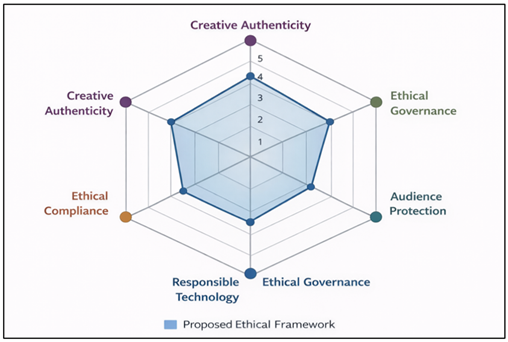
Figure 5 Evaluation of the Proposed Ethical Framework for
Digital Artistic Representation
The radar chart of Figure 5 and Table 3 demonstrates the functionality of the suggested ethical framework of digital artistic representation in terms of a range of evaluation criteria. The axes are major ethical considerations, including the creative authenticity, ethical governance, audience protection, responsible technology, and ethical compliance. A rating on each axis is conducted of a scale (typically 1-5) and it illustrates the effectiveness of the framework in addressing the respective elements of ethics. General capability of the proposed framework is represented by the grey polygon that implies a balanced operation in the different ethical dimensions. As evident in the chart, the framework concurs greatly with creative authenticity, ethical governance and responsible use of technology in addition to ensuring the safety of the audience and ethical behavior. Based on visual comparison of these criteria, the diagram illustrates how the suggested framework considers ethical considerations in the development of digital art by applying technologies, controlling, and sharing the works.
7. Expected Outcomes and Impact
The changes will have several advantages that are bound to emerge as a result of the implementation of an orderly ethical framework of digital representations in the visual and performing arts. As the process of introducing digital technologies into artwork as the form of artificial intelligence, virtual reality, and synthetic media continues its growth, it is of great importance to ensure that the use of such tools should be responsible and ethical. The provided framework is expected to assist artists and institutions in acquiring responsible creative practices that would not pose a risk to artistic integrity, cultural values, and individual rights. The framework will facilitate a positive relationship between the technological innovation and ethical responsibility in the digital arts ecosystem through establishing clear ethical principles and regulations of the ecosystem. One of the greatest contributions of the suggested framework is the introduction of ethical artistic practices in the digital creative settings. The digital technologies provide artists with numerous opportunities of experimentation and expression, but, in case they are deprived of the sense of ethics, the problems such as manipulations of the unauthorized contents of the material, the inappropriate use of the digital identities, or the lack of the proper attribution can also emerge. The framework will encourage the artists and the cultural institutions think of ethical concerns on every level of the creative process, even the one of developing the very concept and digital distribution. The model helps in professional integrity within the digital arts world by laying special emphasis on the aspects of transparency, accountability and respect to the areas of art ownership. It is also a good strategy to create the trust of the audience and it makes the viewer’s more confident that the digital art works are created and presented responsibly.
There are numerous visual and performing arts, which are closely related to the cultural heritage, community traditions and historical accounts. In cases of the digitalization of such artworks, they are prone to being misinterpreted or the meaning may lose its context. As a part of the suggested ethical framework, cultural sensitivity is emphasized as an essential aspect requiring artists and institutions to respond to cultural communities during the period of digitizing or documenting traditional artistic activity. The framework supports the preservation of artistic works by maintaining the cultural context and original intent as opposed to distorting these works into a source of cultural preservation through digital representation. The framework also helps in respectful exchange of cultural heritage as well as increasing the way around the world to artistic traditions. The framework also helps in growing the way around the world towards the artistic production using artificial intelligence and other emerging digital technologies. Imagery, music, animation, performance simulations are also produced by AI-based creative tools which are becoming more and more popular. As much as these technologies present promising prospects in artistic creativity, they also pose problems with regards to authorship, openness, and algorithmic discrimination. The suggested structure will promote the ethical application of AI by supporting the transparency of AI-generated materials, accountable choice of datasets, and human control in the creative process. The steps will assist in achieving the goal of elevating and not destroying artistic creativity and equality through digital technologies. The framework facilitates the incorporation of advanced technologies in the artistic practice through introducing explicit ethical guidelines in the adoption of technologies.
8. Challenges and Future Research Directions
The high-paced penetration of digital technologies in visual and performing arts has given a new way of creative expression and exchange of culture across the globe. With the development of new technologies like artificial intelligence, immersive media, motion capture, and consumption of synthetic material, the concept of ethics should also change to meet new challenges. The digital artistic landscape is complex and requires artist, technologist, policymaker, and research collaborations to make sure that the technological innovation is offset with social accountability and cultural awareness.
The main obstacle is the fact that the digital technologies have evolved at a very high rate and ethical frameworks need to keep up with these changes. There are new tools and platforms being developed constantly and therefore artists are able to produce more advanced digital art works and performances. Nevertheless, ethics tend to evolve slower than the technological advances. This loophole may result in cases whereby other newer technologies have gained wide use before their ethical consequences are clearly understood. In particular, state-of-the-art generative AI tools and synthetic media technologies can generate artistic works of very high realistic quality, and the questions of authenticity, authorship, and misuse are also questioned. Thus, ethical models should be dynamic and adjustable, and they can adapt to changes in technology as well as preserve the key values of accountability and openness.
The other major issue is the fact that different societies have different cultures and ethical points of view. The sphere of artistic expression is strongly connected with the cultural identity, the historical background, and the values of the community. Since the digital platforms can be used to spread artistic content all over the world, ethics should take into account the cultural diversity and not apply similar rules which cannot be reflected in the cultural practices of a particular region. Digital representation ethical frameworks must promote cross-cultural communication and cultural ownership of cultural heritage by the communities. Inclusion of the cultural stakeholders in the process of digital preservation and representation is crucial in ensuring that the cultural traditions are respected and represented correctly. Another significant issue that faces policymakers and scholars is the regulation of creative content that is produced by AI. Architecture, music, plays and other narrative visual art are increasingly able to be created through AI technologies with little human involvement. This raises tricky concerns such as protection of intellectual property, authorship and accountability to the production of the algorithmic information. The existing copyright policies are not always within a position to address these issues particularly when the AI systems are generating content independently. One of the most significant areas of policy making in the future is the establishment of regulatory policies that would weigh innovation and protection of rights of artists. The subsequent action in investigating the ethics of digital art ought to be to adopt inter disciplinary one that incorporates the expertise of art studies, technology ethics, cultural heritage preservation and digital policy. The scientists are able to think of new strategies to create works of art using AI, how to preserve the personality of artists in a virtual world, and how to create online archiving that is culturally sensitive. Moreover, the study about the perception of authenticity and trust in digitally mediated art among the audience could be a valuable addition to the role of ethical practices in the formation of the interest in the community to view digital artistic material. In such a manner, further studies and collaboration will be required to ensure that digital representation of the arts proceed in a responsible, inclusive and ethically sustainable manner.
9. Conclusion
The presence of new technologies such as artificial intelligence, virtual and augmented reality, motion capture and synthetic media has enhanced the opportunities of artistic expression and enabled artists to reach the world wide audience through digital technology. Although these innovations are a chance to be creative and more affordable, a great deal of ethical concerns is added that need to be addressed to ensure that the art being practiced is responsible. In this paper, the ethics of digital representation in arts were discussed based on the literature available in the field of digital media ethics, artificial intelligence in art creation and production, and cultural heritage preservation. As it has been discussed, authenticity and artistic integrity, cultural appropriation and misrepresentation, the right of identities of the performers, an AI-generated art as algorithmic bias, or protection of intellectual property, or privacy issues of digitally mediated performances are some of the necessary ethical issues. These problems demonstrate that the space of digital art must have an unambiguous ethical principle that would permit technological progress at the same time to protect the artistic and cultural principles.
It was realized in the comparative study of the already existent formats of ethics that the currently existing frameworks have primarily covered the digital ethics in individual segments and rather not in an overall terms with respect to direct application in digital arts. To address this gap, the paper has proposed a conceptual ethical framework which brings in the arrangement of ethical principles, systems of governance and the working norms in responsible creation and distribution of digital art. The model emphasizes openness, ethics towards culture, artist approval, and maintenance of intellectual property and promotes the ethical use of new technologies in art.
Overall, the given structure may be included into the question of ethics in digital art by providing a systematic approach towards the management of ethical concerns in the sphere of art, which is technologically driven. Since digital technologies continue to evolve, there would be a need to continuously collaborate with artists, technologists, policymakers, and cultural organizations in the development of adaptive ethical standards. Further research is also required to investigate inter-disciplinary approaches of strengthening of ethical governance that fosters inventive innovation in the digital art ecology.
CONFLICT OF INTERESTS
None.
ACKNOWLEDGMENTS
None.
REFERENCES
Bourriaud, N. (2002). Relational Aesthetics. Les Presses Du Réel.
Caldarola, E. (2022). Symposium: Installation Art. Journal of Aesthetics and Art Criticism, 78, 339–343. https://doi.org/10.1111/jaac.12734
Carrasco-Barranco, M. (2014). Valeurs Esthétiques Et Valeurs Artistiques. Nouvelle Revue D’esthétique, 13, 7–20. https://doi.org/10.3917/nre.013.0005
Carroll, N. (2019). Art, Beauty and Criticism. In W. Huemer and I. Vendrell (Eds.), Beauty: New Essays in Aesthetics and the Philosophy of Art ( 171–184). Philosophia Verlag. https://doi.org/10.2307/j.ctv2nrzh64.10
Carroll, N. (2022). Forget Taste. Journal of Aesthetic Education, 56(1), 1–27. https://doi.org/10.5406/15437809.56.1.01
Danto, A. C. (2003). The Abuse of Beauty: Aesthetics and the Concept of Art. Open Court.
Dhaku Jadhav, K., Bhilare, M., Patil, M., and Ali, S. (2025). Bridging Knowledge Gaps: Conceptual Frameworks for Inclusive Learning Dissemination in Development Impact Assessment. Enterprise Development and Microfinance, 35(1), 223–242. https://doi.org/10.3362/edm.v35i1.17
Gaut, B. (2010). A Philosophy of Cinematic Art. Cambridge University Press. https://doi.org/10.1017/CBO9780511674716
Gilmore, J. (2011). A Functional View of Artistic Evaluation. Philosophical Studies, 155, 289–305. https://doi.org/10.1007/s11098-010-9570-8
Hazarika, I. (2014). Performance Metrics Versus Wealth Metrics of Dubai Telecommunication Sector. In Proceedings of the International Business Information Management Association Conference (IBIMA) (Vol. 23).
Heinrich, F. (2014). Performing Beauty in Participatory Art and Culture. Routledge. https://doi.org/10.4324/9781315797984
Lanfranchi, M. (2021). What Do We Talk About When We Talk About Participatory Art? An Artistic Point of View. In R. Corcione (Ed.), Intimate Bridges: Towards an Intercultural Participatory Model in Performing Arts ( 30–38).
Levinson, J. (2011). Beauty is Not One: The Irreducible Variety of Visual Beauty. In P. Goldie and E. Schellekens (Eds.), The Aesthetic Mind (190–207). Oxford University Press. https://doi.org/10.1093/acprof:oso/9780199691517.003.0011
Monseré, A., and Vandenabeele, B. (2012). Beauty and Artistic Value. In G. S. (Ed.), Exploring the Critical Issues of Beauty ( 35–42). Brill. https://doi.org/10.1163/9781848881105_005
Nguyen, C. T. (2020). The Arts of Actions. Philosophers’ Imprint, 20, 1–27.
Rathore, Y., Mishra Chaturvedi, V., Sujay Madhukar, K., Karwande, V. S., Rokade, A. H., and Nagargoje, Y. (2023). Patient Engagement and Satisfaction in AI-Enhanced Healthcare Management. In Proceedings of the International Conference on Artificial Intelligence for Innovations in Healthcare Industries (ICAIIHI 2023). https://doi.org/10.1109/ICAIIHI57871.2023.10489712
Rawandale, U. S., and Kolte, M. T. (2024). Improving the Hearing Aid System Using Optimized Variable Bandwidth Filter Based on Wolf Optimization. Multimedia Tools and Applications, 83, 79503–79531. https://doi.org/10.1007/s11042-024-19748-x
Supekar, M. G. S., and Deulkar, D. W. N. (2025). Efficient Configuration of Steel Lateral Load Resisting System (LLRS) Considering Progressive Collapse. IJRAET, 14(2), 62–66.
Thompson, J. (2020). Towards an Aesthetics of Care. In A. S. Fisher and J. Thompson (Eds.), Performing Care: New Perspectives on Socially Engaged Performance. Manchester University Press. https://doi.org/10.7765/9781526146816.00010
Thompson, J. (2023). Care Aesthetics: For Artful Care and Careful Art. Routledge. https://doi.org/10.4324/9781003260066
Vasanthan, R., and Nandhini, R. (2022). Integrating the Sub-Skills of LSRW for ESL Learners. In Contemporary ELT Strategies in Engineering Pedagogy: Theory and Practice ( 95–116). https://doi.org/10.4324/9781003268529-9
Vijayakumar, M., Muniyandy, E., Mirajkar, G., et al. (2026). Intrusion Detection and Localization Using Deep Learning Approaches in VANET Environments. SN Computer Science, 7, 234. https://doi.org/10.1007/s42979-026-04769-0
Vilar, G. (2017). Precariedad, Estética Y Política. Círculo Rojo.
Zangwill, N. (2007). Aesthetic Creation. Oxford University Press. https://doi.org/10.1093/acprof:oso/9780199261871.001.0001
|
|
 This work is licensed under a: Creative Commons Attribution 4.0 International License
© ShodhKosh 2026. All Rights Reserved.