ShodhKosh: Journal of Visual and Performing ArtsISSN (Online): 2582-7472
|
|
Dance, Movement Therapy, and Neurocognitive Well-Being
Vinodinee Vasant Giri 1 , Uddhav T. Kumbhar 2
 ,
Jyoti Gautam 3
,
Jyoti Gautam 3 , Nagarajan Geethapriya 4
 , Swati G. Kale 5
 , Nilesh M. Pawar 6
1 Bharati
Vidyapeeth (Deemed to be University) College of Engineering, Pune, Maharashtra, India
2 Department
of Community Medicine, Krishna Institute of Medical Sciences, Krishna Vishwa
Vidyapeeth “Deemed to be University”, Taluka-Karad, Satara, 415 539,
Maharashtra, India
3 Department of Computer Science and Engineering, Shri Shankaracharya
Institute of Professional Management and Technology, Raipur, Chhattisgarh,
India
4 Department of Conservative Dentistry and Endodontics, Sree Balaji
Dental College and Hospital, BIHER, Chennai, Tamil Nadu, India
5 Assistant Professor, Department of Information Technology,
Yeshwantrao Chavan Collage of Engineering, Nagpur, Maharashtra, India
6 Department of Information Technology, Yadavrao Tasgaonkar Institute
of Engineering and Technology, Bardi, 410201, Maharashtra, India
|
|
|
ABSTRACT |
|
|
Dance and
movement therapy (DMT) has become a multidisciplinary practice that combines
making use of performing arts, psychology, neuroscience, and rehabilitation
science to encourage mental, emotional, and cognitive wellness. The growing
number of neurological and psychological disabilities like depression,
anxiety, dementia, as well as Parkinson disease have aroused enthusiasm into
non-pharmacological interventions that may be used to enhance neurocognitive
well-being. The simultaneous activity of several brain systems, such as motor
control systems, emotion control systems, memory systems, and social
cognition systems, is involved in the dance and movement activities. Dance
therapy promotes neural plasticity and improves cognitive processes including
attention, executive functioning and memory acquisition through body movement
with rhythmic patterns, music synchrony and expression. The given research
paper will provide an insight into the effectiveness of dance and movement
therapy in the field of neurocognitive well-being enhancement of children,
adults, and older adults. The paper examines the current literature on
neurological underpinnings of the movement-based therapies, and evaluates
their use in the context of mental health care, neurological rehabilitation,
and community health. An overview of therapeutic models that are currently
available is provided to compare their performance in terms of improving
cognitive functioning and emotional stability. Moreover, in the paper, a
unified neurocognitive movement therapy framework is suggested, which
integrates neuroscience, creative arts therapy, and digital health monitoring
technology. The results indicate that interventions based on dance are highly
beneficial in enhancing psychological health, cognitive flexibility, and
socialization and minimizing stress and neurological deterioration symptoms.
The suggested model identifies the possibility of the interdisciplinary
teamwork among neuroscientists, therapists, artists, and healthcare
practitioners. The authors find that dance and movement therapy can be a
useful complement to conventional medical methods of the modern society of
holistic health and neurocognitive development support. |
|||
|
Received 12 January 2026 Accepted 05 March
2026 Published 11 April 2026 Corresponding Author Vinodinee
Vasant Giri, vvgiri@bvucoep.edu.in DOI 10.29121/shodhkosh.v7.i4s.2026.7442 Funding: This research
received no specific grant from any funding agency in the public, commercial,
or not-for-profit sectors. Copyright: © 2026 The
Author(s). This work is licensed under a Creative Commons
Attribution 4.0 International License. With the
license CC-BY, authors retain the copyright, allowing anyone to download,
reuse, re-print, modify, distribute, and/or copy their contribution. The work
must be properly attributed to its author.
|
|||
|
Keywords: Dance Therapy, Movement Therapy, Neurocognitive
Health, Expressive Arts Therapy, Mental Health, Neurological Rehabilitation,
Embodied Cognition |
|||



1. INTRODUCTION
1.1. Background of Dance and Movement Therapy
Dance, throughout the history of humanity, occupied an important part of the human culture since the times of the Sorrow of Dances and the sacramental drama of the ancient human soul, and it was dances which were used to provide the healing of all kinds of souls and all levels of spirituality. The historical record of movement-based practices depicts that they were employed in the diverse cultures as one of the means of supporting physical resources and psychological stability. Dance has developed into a systematic method of treatment in the current healthcare situations which is called dance and movement therapy (DMT). The field combines the concepts of psychology, kinesiology, neuroscience, and performing arts to contribute to mental and physical well-being. The psychotherapeutic application of movement in achieving emotional, cognitive, physical and social integration is known as dance and movement therapy. In contrast to the recreational dance events, DMT is centered in purposeful movement experiences under the guidance of the trained therapists who provide these experiences through facilitation of self-expression, body processing, and emotion processing. The method has identified the body as a key channel of communication and psychological change. During the last 20 years, the interconnection between the physical movement and the brain functioning has become the subject of growing interest among the researchers. The development in neuroscience has exposed the fact that motor activity is a key determinant in developing the neural pathways, which are connected to memory, emotion regulation, and cognitive flexibility. Being a organized set of motion in rhythm with music, dance activates intricate brain network which coordinates the sensory input, motor control, and emotional involvement Abraham et al. (2018).
1.2. Neurocognitive Well-Being
Neurocognitive well being is the best functioning of the cognitive processes including memory, attention, problem solving and emotional regulation. It also includes the overall well being of the neural systems that enable one to learn, be creative and adapt. Neurocognitive well-being is critical to the lives of people at various levels of life such as childhood development, and healthy aging. Over the past few years, there has been a growing interest in non-pharmacological interventions that have a potential to facilitate cognitive wellbeing and help avoid neurological deterioration. Physical activity, social interactions, and creativity can be mentioned among lifestyle factors that have been found to be essential to the well-being of the brain. These aspects are holistically combined in a way of dance and movement activities, which is a promising tool in turning them into more neurocognitively resilient individuals. Andreasen (1984).
1.3. Relationship Between Movement and Brain Function
Body motion is closely connected to thinkers processing based on the idea of embodied cognition which implies that the cognitive processes are deeply embedded in the bodily experiences. A brain is constantly fed with sensory information through the musculature, joints and the vestibular system, which in turn helps the brain produce movement and stay aware of space. Such interactions activate neural pathways that are associated with memory encoding, attention regulation and emotional regulation. Dance movements in particular involve the use of several brain parts like the motor cortex, cerebellum, the basal ganglia and the limbic system. The rhythmic quality of the dance also involves activation of auditory and timing networks which help in the synchronization and pattern recognition. This multisensory integration facilitates the neural plasticity which is the capacity of the brain to restructure and create new connections.
1.4. Research Objectives
This research has the following main goals:
1) To discuss the theoretical basis of the dance and movement therapeutic approach as applicable to neurocognitive health.
2) To examine the literature in the field regarding the neurological and psychological advantages of the dance-based interventions.
3) To make a comparison between the various therapeutic models in movement-based rehabilitation.
4) To suggest the combined model of the dance therapy to aid the neurocognitive well-being.
5) To examine the possible future scenarios of how movement therapy can be used in healthcare and community.
2. Literature Review
2.1. Development of Dance Therapy in Healthcare
Dance therapy as a formal practice started in the middle of the twentieth century when the representatives of the expressive arts therapy came to the realization of the psychological benefits of the movement. Practitioners working with trauma victims in the early years noted that emotional trauma survivors could more easily express themselves by moving around the body than by speaking. These observations over time culminated in the process of coming up with systematic approaches to therapeutic approaches that incorporate dance improvisation practice, body awareness practices, and exploration of creative movement. The studies conducted in this area have shown that movement-based interventions can make a great contribution to improving emotional well-being and self-confidence. Hospitals, rehabilitation centers, schools and community associations have instituted programs of dance therapy, which are usually aimed at promoting body awareness, expression of emotions and socializing among the participants. Aweto et al. (2012) The programs are usually geared towards nurturing the body awareness, emotional expression and socializing among the participants.
Table 1
|
Table 1 Literature Review of Recent Studies on Dance, Movement Therapy, and Neurocognitive Well-Being |
||||
|
Ref |
Method |
Techniques Used |
Key Findings |
Limitations |
|
1 |
Systematic review of clinical trials Beck et al. (1996) |
Dance Movement Therapy programs for Parkinson’s
disease, Mild Cognitive Impairment, and Alzheimer’s |
Significant improvement in global cognition,
memory, and executive function; better balance and gait in Parkinson’s
patients |
Limited evidence for Alzheimer’s disease; small
sample sizes and heterogeneous interventions |
|
2 |
Experimental intervention studies Beck et al. (1961) |
Dance improvisation, rhythmic movement exercises,
and music synchronization |
Dance stimulates brain regions responsible for
memory, executive function, and motor coordination |
Variation in intervention duration and
measurement tools across studies |
|
3 |
Systematic literature review Behrends and Dziobek (2009) |
Structured dance therapy sessions focusing on
emotional expression and body awareness |
Increased positive affect and improved emotional
regulation among participants |
Lack of longitudinal studies and limited clinical
sample diversity |
|
4 |
Clinical intervention review Berrol (2009) |
Multi-modal dance therapy including music,
movement memory exercises, and social interaction |
Improvement in emotional expression, social
interaction, and cognitive engagement in dementia patients |
Need for standardized intervention protocols and
large clinical trials |
|
5 |
Randomized controlled trial Bläsing et al. (2012) |
12-week dance therapy program with structured
movement sessions |
Reduced body weight and improved physical health
indicators among patients with schizophrenia |
No significant change in metabolic markers such
as cholesterol or glucose levels |
|
6 |
Conceptual and experimental study Bojner et al. (2010) |
XR-based dance therapy using virtual reality
environments |
XR-based therapy improved anxiety reduction and
emotional engagement |
Technology accessibility and hardware
requirements may limit widespread adoption |
|
7 |
Clinical intervention study Bojner et al. (2006) |
Group dance therapy sessions combined with music
and guided movement |
Reduced agitation and improved emotional
communication in dementia patients |
Small sample size and short intervention duration |
|
8 |
Meta-analysis of systematic reviews Bradt et al. (2015) |
Dance-based physical activity programs for older
adults |
Significant improvement in global cognition and
memory scores compared with control groups |
High heterogeneity across included studies |
|
9 |
Experimental intervention study Bräuninger (2014) |
XR-based dance movement therapy sessions
delivered remotely |
Effective in preventing anxiety and improving
emotional well-being |
Limited participant numbers and need for
long-term evaluation |
|
10 |
Experimental neuroscience study Bryl (2018) |
EEG hyperscanning and 3D motion capture during
dance improvisation |
Dance training increased inter-brain
synchronization and cognitive coordination during group movement |
Experimental environment may not fully represent
real-world therapy settings |
As presented in Table 1 of the recent studies, it is noted that dance and movement therapy is now being found as an effective non-pharmacological intervention to improve neurocognitive health. Clinical trials and systematic reviews show that dance-based interventions have a potential to improve memory performance, executive control, emotional regulation and motor control. These benefits are obtained due to the fact that dance involves simultaneous activation of motor, sensory, cognitive, and emotional brain systems, hence, neural plasticity, and cognitive resilience. There are however, a number of limitations noted in literature. Most studies have small samples, limited periods of interventions and inadequate measurement of results. Moreover, the studies concerning some neurological disorder like the Alzheimer one are still small and need to be done with more strict clinical experiments.
2.2. Neuroscientific Foundations of Movement Therapy
The developments in neuroimaging techniques including functional magnetic resonance imaging (fMRI), and electroencephalography (EEG) have given new information about the neural processes involved in dance and movement behaviors. Research has revealed that dancing can engage more than one part of the brain at the same time, such as brain parts that process motor functions, auditory data, and emotional functions. Basal ganglia and the cerebellum are crucial to the control of rhythmic movement and balance. At the same time, the hippocampus is involved in memory of space as well as navigation in dances. The limbic system that controls the emotions is activated when people listen to music and perform expressive movement. These interrelated brain functions are part of the cognitive advantages of the dance therapy. The practice of movement enhances neuropathways and neuroplasticity allowing the individual to develop better coordination, memory, and emotional control Koch et al. (2014).
2.3. Dance Therapy in Mental Health Treatment
Dance and movement therapy has been extensively utilized in mental health disorders like depression, anxiety and post-traumatic stress disorder (PTSD). The movement activities enable people to dispel the emotional strain and get back to their bodies in conducive therapeutic settings. It has been found out that rhythmic movement with music has the capacity to trigger the release of neurotransmitter like dopamine and serotonin that are attributed to positive mood and motivation. The use of breathing exercises, improvisational movement, and group interaction are the common features of dance therapy sessions, and they all contribute to improving psychological well-being.
2.4. Movement Therapy for Neurological Disorders
Activities that involve movement have equally been used in neurological therapy like Parkinson disease, the recovery of Alzheimer disease, and stroke. Dance activities enhance balance, coordination, and motor control with the same time involving cognition processes. Dances are also incorporated in rehabilitation programs of Parkinson to ensure that patients remain mobile, rather than stiffening up to a point of immobility. On the same note, the dance classes with people who have dementia arouse their memory by listening to common songs and by following the same sequences of movements.
2.5. Digital Technologies in Movement Therapy
The current trends in digital technologies have increased the opportunities of dance therapy and health interventions based on movement. The virtual reality along with motion tracking systems and wearable sensors are able to track the movement patterns and feed back to therapists and participants. These technologies enable the researcher to study the movement dynamics and estimate the therapeutic progress more accurately. Remote therapy sessions are also possible via digital platforms making the process more accessible to those who might not be able to access the traditional places of therapy.
3. Existing Methods of Dance and Movement Therapy
Dance and Movement Therapy (DMT) is an assortment of therapeutic methods that employ body movement as the chief means of psychological expression, cognitive stimulation and physical rehabilitation. The basis of these approaches amounts to the fact that movement is an indicator of emotional states and cognition, which is why it is an effective instrument of ensuring neurocognitive well-being. There are current therapeutic practices which integrate elements of expressive arts, somatic awareness, music therapy and physical rehabilitation techniques. In the subsequent subsections, the significant techniques being applied at present in dance and movement therapy programs and its applicability in mental health, emotive regulation, and neurological recovery are outlined Karpati et al. (2018).
Figure 1

Figure 1 Existing Methods of Dance and Movement Therapy
The Figure 1 presented below depicts the primary therapeutic methods applied in Dance and Movement Therapy (DMT) to encourage neurocognitive and emotional health. The focus of the picture is a dancer who represents the combination of body movement and mental health. Five important approaches to movement therapy are surrounding the central element. Expressive Dance Therapy involves emotional, creative, and improvisation to allow people to shed emotions and become more self-aware. Somatic Movement Practices focus on the presence of the body and conscious movement as they lead people to relate physical sensations to emotional experiences and establish deeper relationships. Rhythmic Movement Therapy is based on the principle of rhythm, music, and coordinated patterns of movement in order to enhance motor coordination, timing, and thinking. Dance Therapy in Neurological Rehabilitation is aimed at people with a neurological condition like Parkinson disease or stroke and it helps them recover motor, balance as well as cognitive skills. CBDPs promote social interaction, culture, and movement as a social activity that induces promotion of wellness and social interaction.
3.1. Expressive Dance Therapy
Expressive Dance Therapy is an approach which has been mostly practiced in dance movement therapy. It revolves around the application spontaneous and creative movement as an emotional expression and psychological search. The participants in this technique are invited to dance freely to music, images or even internal emotional feeling instead of performing to set choreography. The major purpose is to help the person to release emotions, understand themselves and be changed by means of the body. During expressive dance therapy, the therapist gives directions to the participants to engage in movement improvisation, body awareness, and reflective discussions. These practices assist a person to recognize the emotional habits that were stored in the body and release them in movement. The therapist is likely to pay attention to posture, quality of movement, and space patterns to comprehend psychological conditions and to specify therapeutic actions. Neurocognitively, expressive dance therapy activates brain parts related to the processing of emotions and formation of memory. The limbic system that controls the emotion is actively involved in the expressive movement process. Moreover, improvisational dancing involves decision-making and creative thinking in real-time, which uses prefrontal cortex and increases cognitive flexibility. Expressive dance therapy has found its way in a different range of clinical areas such as recovering trauma, depression therapy and managing stress. According to research, persons who engage in expressive dance therapy tend to enjoy a better mood, less anxiety and more emotional stability. Nonetheless, the approach involves the applications of trained therapists who are capable of deciphering movement patterns and making sure that the participants are psychologically safe when expressing emotions.
3.2. Somatic Movement Practices
Somatic movement is a practice that addresses the creation of body consciousness of the body sensations and inner physical experiences. Its name is somatic which is a Greek word soma meaning the living body. Somatic therapies also focus on the mind-body relationship as they push individuals to focus on the subtle physical sensations including tense muscles, breathing rates, and postures. Somatic practices are used in dance and movement therapy as slow mindful medicine to make movement more aware and to promote relaxation. The methods usually involve breathing, mild stretches, guided body scans and movement exploration done with concentration. Compared with expressive dance therapy, which focuses on the emotion, somatic practices lay stress on interior perception and sensory feeling. The practices are especially useful when it comes to dealing with stress-related disorders and trauma. The psychological stress is usually physically reflected in the bodies and through somatic movement, people can release the tension stored in the body through controlled movement. Through heightening of body perceptions, participants will increase self-control and emotional equanimity. Hackney and Earhart (2009).
Neurologically, somatic movement triggers sensory mechanisms that lead to the connection between the body and the brain. Muscles and joints provide proprioceptive information to the central nervous system and aid people in improving their spatial awareness and movement control. This sensory integration improves neural interaction of the motor cortex, the cerebellum and the sensory processing areas. In therapeutic methodsSomatic movement is widely practiced in such approaches to therapy as body-mind centering, Feldenkrais method, and Laban movement analysis. Such strategies are frequently included into the programs of dance therapy of people who have been exposed to anxiety disorders, chronic stress, or psychosomatic symptoms. Somatic practices can have a great psychological value, but it might have to undergo a long period of training and practice to attain long-term outcomes of the therapy process.
3.3. Rhythmic Movement Therapy
The Rhythmic Movement Therapy (RMT) formulates its use on the principles of rhythmic movement and coordinated movement patterns to activate cognitive and motor processes. Rhythm is one of the essential elements of human movement and has a significant role in coordinating the activity of the neural parts in various parts of the brain. In rhythmic movement therapy, the participants carry out organized sequences of movements in time with music or rhythmic sounds. This therapy has got the rhythmic part that stimulates the timing and coordination systems of the brain especially the basal ganglia and cerebellum. The structures in the brain control the timing of movement, motor coordination and balance. The auditory-motor integration is also stimulated by rhythmic synchronization which gives the brain the ability to process auditory signals and translate them into coordinated physical responses.
Rhythmic movement exercises can be used in a therapeutic context; these exercises can be clapping, stepping, arm coordination movements, and group dance moves in time with music. These activities improve motor coordination, attention and memory as they involve the participants to adhere to the patterned exercises. Rhythmic movement therapy has extensively been used in the educational and developmental setting. Rhythmic movement exercises are often helpful with children who have developmental problems like attention deficit hyperactivity disorder (ADHD) or learning disabilities to enhance attention and motor functioning. On the same note, adults who are stressed or fatigued of the mind can engage in rhythmic dance exercises to regain mental alertness and emotional equilibrium. Another benefit of the rhythmic movement therapy is the social aspect of it. Most of the rhythmic activities are group based which promotes socialization and working together. This social interaction provokes the release of the hormone oxytocin that is related to the process of bonding and experiencing positive emotions. Rhythmic movement therapy has some advantages; however, it is not applicable to persons with serious motor disability and advanced neurological disorders unless appropriately modified. Therapists have to make a deliberate planning of movement sequences that are compatible with the physical ability of the participants.
3.4. Dance Therapy for Neurological Rehabilitation
Dance therapy has been proposed as an alternative treatment method in rehabilitation of patients with neurological conditions, including Parkinson disease, stroke, and dementia. These disorders tend to worsen the motor control, cognitive impairment, and mood. Movement-based therapies offer the holistic rehabilitation system as a treatment approach that involves physical, cognitive, and emotional systems in one process. Dance therapy in neuronal rehabilitation schemes is designed in such a way that it enhances balance, coordination, and spatial awareness. The participants are made to repeat patterns of movements which enhance neural connections that control motor activities. Additional music accompaniment also improves the coordination of the movements by giving them rhythmic cues through which the motor timing is synchronized. Dance therapy may be of great benefit to people with Parkinson disease in enhancing the steady movement and decreasing the rigidity in movements. Dances like tango and ball room dancing have also been integrated in the rehabilitation programs, since they involve controlled movements, body movements and the interaction of partners. These components arouse balance control and motor planning. Dance therapy assists in the recovery of motor patterns and re-establishing motor coordination in patients who have suffered a stroke. Dancing repetitively also promotes the process of neuroplasticity, whereby the brain is able to restructure neural networks after an injury. In the long run, patients can resume normal functioning mobility and enhanced cognitive functioning. Dance therapy is also helpful to those who are demented. Recurring dance motifs and music will activate memory and trigger emotional appeal. The movement activities are also associated with positive responses of the participants despite the deterioration of their verbal communication skills. In spite of the promising outcomes of dance therapy in the neurological rehabilitation, the implementation of such programs presupposes the cooperation of therapists, neurologists, and rehabilitation specialists. Moreover, universal clinical procedures are yet to be formulated so as to make the treatment results similar Fathima (2025).
3.5. Community-Based Dance Programs
The community-based dance programs are a non-clinical method of movement therapy that aims at supporting the health of the whole community, interpersonal communication, and cultural participation. These programs are normally held in community centers, schools and cultural bodies. In contrast to sessions in clinical therapy, community dance programs are characterized by participation, pleasure, and experience. Dance programs in the community offer easy access to people of all ages to movements which promote physical health and mental outcome. Frequent enrollment to dance lessons promotes physical activity that enhances cardiovascular fitness and body strength. Simultaneously, when dance routines are learned, memory and coordination is tested and hence cognitive functioning is aided. The other notable idea of community dance programs is their social-connection purpose. Group dances activities create a feeling of inclusion and group identity among the individuals involved. During the dance sessions, social interaction will help to minimize the loneliness and isolation, especially among the elderly. Researches have revealed that community dance programs have a great effect on psychological well being and life satisfaction.
Part of the community-based dance initiatives is also cultural expression. Cultural performance and other traditional dance forms enable the participants to reach their heritage and identity in the process of a meaningful physical activity. These are a combination of cultural expression and mobilization, which adds to emotional satisfaction and mental fortitude. Community dance programs are not as structured as a clinical dance therapy session, regardless of the beneficial effect they have in the therapeutic environment. Depending on their individual medical or psychological conditions, the participants might need extra assistance of trained therapists to participate safely and effectively.
4. Comparative Analysis of Movement Therapy Models
Movement therapy involves a number of therapeutic modalities which make use of body movement to promote psychological health, cognitive health and physical health. In the process of conducting a comparative analysis of the various models of movement therapy, it is important to note that although each of the approaches pursues a specific objective in terms of therapeutic goals, the common goal of all the approaches is to facilitate the process of achieving the integration of mind and body. Expressive Dance Therapy is more about the focus on the emotional expression and healing of the psyche, based on improvisational movement and creative discovery. It is also useful especially in dealing with emotional disorders like anxiety, depression and trauma as it helps people express the feelings that might be hard to verbalize. Somatic Movement Practices on the other hand focus on mindful movement and the inner awareness of the body. These strategies are focused on enhancing self-control, alleviating stress, and becoming more conscious of physical sensations, so they can be helpful to those who are experiencing chronic stress or other psychosomatic disorders.
The Rhythmic Movement Therapy is based on guided rhythmic patterns and music to improve coordination, timing and cognitive functions. It has a lot of application in educational and developmental scenarios to facilitate attention and motor control. Neurological Rehabilitation Dance Therapy is a program working with the persons with neurological problems, whose balance, gait, and motor skills are to be enhanced with the help of professional structured dance exercises. In the meantime, the Community-Based Dance Programs are more focused on social activities and involvement into cultural programs than on clinical therapy.
Table 2
|
Table 2 Comparative Analysis Table |
|||
|
Method |
Application Area |
Cognitive Benefits |
Limitations |
|
Expressive Dance Therapy |
Mental health |
Emotional release, self awareness |
Requires trained therapists |
|
Rhythmic Movement Therapy |
Neurological rehabilitation |
Motor coordination |
Limited accessibility |
|
Somatic Movement Therapy |
Trauma therapy |
Body awareness |
Time intensive |
|
Community Dance Programs |
Social well-being |
Social engagement |
Less clinical structure |
A systematic comparison of various forms of therapeutic approach in dance and movement therapy is brought out in the movement therapy models comparative analysis Table 2 above. This table is aimed at pointing out that different methods are different in their application areas, therapeutic benefits, and possible limitations. Arranging these aspects in an ordered form, the researchers and practitioners will be able to learn more about what model of movement therapy is most appropriate in particular clinical or community context. Some of the key methods that are normally compared in the table include expressive dance therapy, somatic movements practices, rhythmic movement therapy, neurological rehabilitation dance therapy, and community-based dance programs. All the methods are considered based on the parameters of therapeutic focus, techniques employed, cognitive benefits, and challenges of implementation. Rehfeld et al. (2017).
To illustrate, the expressive dance therapy focuses on emotional expression and creative motion in order to enable individuals to process psychological experiences and enhance their emotional state. Somatic movement practices, in their turn, are based on body awareness and mindful movement, which allow the participants to develop greater relationships between bodily experiences and emotional conditions. Rhythmic movement Therapies based on neurological rehabilitation employ patterns of structured movement that are oriented to the beat of music to maximize motor coordination, attention, and mental engagement.Dance therapy is a therapy designed to treat neurological diseases (such as Parkinson disease or stroke) to increase balance, movement, and mental activity. At the same time, community-based dance programs place a focus on social interaction, participation in culture, and wellness as opposed to clinical intervention. The comparative analysis also highlights the drawbacks of both approaches like requiring trained therapists, absence of standard procedures or accessibility. In general, the table has detailed a broad viewpoint that aids in the choice and inclusion of suitable movement therapy frameworks towards enhancing neurocognitive performance. Kumar and Jadhav (2023)
5. Proposed Neurocognitive Movement Therapy Framework
The presented model combines the ideas of neuroscience and expressive arts therapy to develop a systematic approach to movement-oriented cognitive therapy.
Figure 2
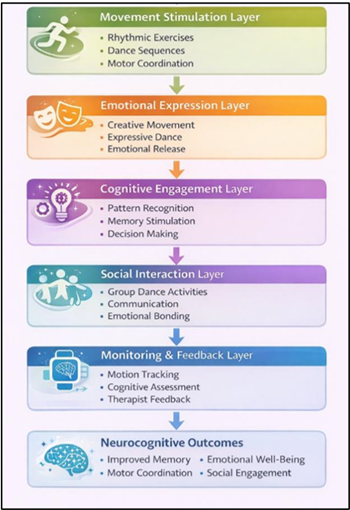
Figure 2 Poopsed Neurocognitive Movement Therapy Framework
The Proposed Neurocognitive Movement Therapy Framework in Figure 2 is a combination of neuroscience, psychology, and expressive arts therapy principles to form an organized structure of movement-based cognitive therapy. The framework will be developed in the form of the multi-layer architecture, with every layer enhancing certain features of neurocognitive functioning. The framework is based on Movement Stimulation Layer. It also involves rhythmic activities, organized body movement, and organized physical activities that engage motor parts of the brain and arouse the neural connections related to balance, use of coordination, and body consciousness. The Emotional Expression Layer enables people to be expressive in expressing themselves creatively by use of movement and expression dance. This layer is used to discharge the emotional stress and psycholological health by involving the limbic system which controls the emotional reactions.Cognitive Engagement Layer is designed to stimulate the higher level functions of the brain like memory, attention and problem-solving. Dances involving pattern recognition and movement planning favor plasticity in the brain and cognitive flexibility. The Social Interaction Layer promotes group interaction and dancing. The social engagement enhances motivation, emotional attachment, and communication abilities that are requisite in psychological resilience. Lastly, the Monitoring and Feedback Layer defines therapist observations, motion tracking technologies, and cognitive assessments to analyze the progress of therapy and give feedback that is personalized. Combined, these layers create a complex therapeutic approach involving the improvement of motor capabilities, emotional, and cognitive health, which leads to the general neurocognitive well-being. Suri et al. (2025)
6. Expected Outcomes and Applications
The suggested neurocognitive movement therapy framework implementation is likely to deliver numerous positive outcomes in cognitive, emotional, social, and physical fields. Combining the organized movement exercises with the principles of expressive arts and neuroscience, the framework fosters the overall well-being and helps people who are of various ages and health statuses. The next subsections explain the most important consequences and application of movement-based therapy in different situations.
Table 3
|
Table 3 Expected Outcomes and Applications of Neurocognitive Movement Therapy |
|||
|
Category |
Expected Outcomes |
Description |
Application Areas |
|
Cognitive Enhancement |
Improved memory, attention, and executive
functioning |
Movement-based activities stimulate multiple
brain regions such as the hippocampus, cerebellum, and prefrontal cortex.
Dance patterns and coordinated movements improve cognitive flexibility,
spatial awareness, and problem-solving abilities. |
Education, cognitive training programs, elderly
cognitive health programs |
|
Emotional Regulation |
Reduced stress, anxiety, and depression |
Expressive movement and rhythmic dance activities
facilitate emotional expression and psychological release. Participation in
movement therapy stimulates neurotransmitters such as dopamine and serotonin,
which enhance mood and emotional stability. |
Mental health therapy, trauma recovery programs,
stress management initiatives |
|
Social Interaction and Community Engagement |
Improved communication, empathy, and social
bonding |
Group dance sessions encourage collaboration and
interpersonal interaction among participants. These activities create
supportive social environments that foster belonging and community
participation. |
Community wellness programs, cultural
initiatives, group therapy programs |
|
Rehabilitation and Aging Support |
Improved motor coordination, balance, and
mobility |
Structured dance exercises support neurological
rehabilitation by strengthening motor pathways and enhancing neuroplasticity.
Movement therapy can help patients recover from neurological disorders and
support healthy aging. |
Stroke rehabilitation, Parkinson’s therapy
programs, elderly care and geriatric wellness programs |
These findings are important and summarized in the Table 3, the key therapeutic results and applications of neurocognitive movement therapy. It shows that the interventions based on movement can help enhance cognitive progress, emotional health, social integration, and physical restoration. Having sorted out these outcomes into certain categories, the table gives a good piece of the picture of possible benefits of the dance and movement therapy programs and areas of real life implementation.
6.1. Cognitive Enhancement
The expected outcome of dance and movement therapy is to enhance cognitive functioning, one of the primary expected ones. Activities involving movement engage several parts of the brain at the same time and these are; the motor cortex, cerebellum, hippocampus, and the prefrontal cortex. These areas deal with memory, coordination, decision-making and executive functioning. Dances that involve pattern recognition, space consciousness and time involvement provoke neural plasticity and brain connection. Movement therapy can be conducted on a regular basis to enhance attention span, working memory and problem-solving abilities. Dance-based learning is a potential approach to learning in the educational environment as it enhances the adaptability and innovativeness of cognition. In the case of elderly individuals, mobility practice can be used to slow them down in cognitive decline and keep the mind sharp through constant interaction with neural networks that are related to memory and attention. Rawandale et al. (2025)
6.2. Emotional Regulation
Emotional regulation is another very important result of movement therapy. The physical movement enables people to have a way of expressing emotions in terms of body gestures, posture, and rhythm which can act to relieve psychological tension and alleviate stress. In general, expressive dance therapy allows the participants to express their feelings, which might be hard to articulate in words. Neurotransmitters like dopamine, serotonin, and endorphins, which cause positive mood and emotional stability, can also be caused by engaging in rhythmical movement and dance. Consequently, movement therapy has been largely applied to help individuals with anxiety, depression, trauma, and emotional distress. In the long run, the participants become more self-aware and emotionally tough and this enhances their capacity to deal with day to day challenges. Rathore et al. (2023)
6.3. Social Interaction and Community Engagement
Socialization and community involvement is also encouraged through dance and movement therapy. Group dance practices promote teamwork, interaction, and experience amongst the dancers. This form of social interaction assists in the enhancement of interpersonal relationships and create a feeling of belonging. Dance programs in the community make people of different backgrounds to engage in creative movement programs. These initiatives may boost culture, group identity and community unity. In the case of lonely or socially isolated people (e.g., older adults), dance-based group programs can serve as a strong boost of psychological well-being and life satisfaction. Moreover, joint dance classes allow developing empathy, collaboration, and emotional connection among the participants. Such social good is not only applicable to therapeutic environments but also these have led to the formation of supportive communities that consider mental and emotional health to be a priority. Hazarika et al. (2019)
6.4. Rehabilitation and Aging Support
There is a great potential of movement therapy in rehabilitation and aging assistance. Dance activities in a structured form can also help individuals who are recuperating the effects of a neurological condition including stroke, Parkinson, or brain injury to enhance their motor coordination, balance and mobility. The monotony of movement triggers neuronal pathways and enhances neuroplasticity that recover motor functions that have been lost. Dance therapy can facilitate healthy aging in aging populations through physical activity, cognitive functioning, and social interaction. The elderly individuals involved in dance-based programs usually have better balance, fewer falls, and increased memory. Moreover, habitual music and rhythmic dance may trigger the recollection of people with dementia or mild cognitive impairment. All in all, the anticipated results of the suggested framework prove that dance and movement therapy may be used as an all-inclusive intervention instrument to enhance cognitive health, emotional well-being, and physical functioning.
7. Challenges and Limitations
Although the importance of the dance and movement therapy (DMT) as an effective modality in enhancing neurocognitive well-being is increasingly recognized, various issues and constraints influence the successful application and scientific justification of this technology. Although there are promising outcomes to movement-based therapeutic interventions in the treatment of mental health, neurological rehabilitation, and community wellness programs, scholars and practitioners still face a challenge regarding standardization, interdisciplinary collaboration, accessibility and long term scientific evidence. It is necessary to deal with these issues and enhance the validity and clinical significance of movement therapy in medical institutions and research groups. The subsections below comment on the key restrictions of the existing movement therapy practices.
7.1. Lack of Standardized Therapeutic Protocols
Lack of unified therapeutic guidelines is one of the key issues of research and practice in the field of dance and movement therapy. Movement therapy programs differ greatly in their form, duration, intensity and approach unlike many medical therapies which adhere to a well-established clinical process. Expressive dance therapy sessions can also be based on different approaches to the same practice depending on the practice of the practitioner, the school of therapeutic thought, or even the culture. On the same note, somatic movement practices and rhythmic therapy programs may have variation in terms of duration, frequency, and exercises that are done. This is not uniform and thus, it is hard to adopt standard treatment structures which can be generalized in all clinical practices.
The lack of standardized treatment procedures also makes it problematic to assess the effectiveness of the therapy. The research articles that strive to quantify the effects of movement therapy usually depend on varying instruments of assessment, duration of the intervention, and sample groups. Consequently, the comparison of results in the studies becomes complicated, and one is not likely to make general conclusions regarding the efficiency of particular therapeutic models. Moreover, medical workers could be reluctant to implement dance therapy into the medical treatment programs as there are no universally accepted standards. Standardized frameworks, evidence-based models of intervention and clear training standards on therapists may contribute greatly to the reliability and acceptability of movement therapy in medicine and psychology.
7.2. Limited Interdisciplinary Collaboration
The absence of robust interdisciplinary research, health, and artist collaboration is also an additional major limitation in the development of dance and movement therapy. Movement therapy is orchestrally dynamic in its fusion of several fields, among which, are neuroscience, psychology, performing arts, rehabilitation science, as well as education. Yet, such disciplines tend to be disconnected and, therefore, research activities and integration of knowledge are not unified. To give an example, neuroscientists in the research of brain activity in movement might not necessarily partner with dance therapists with practical experience in developing interventions based on movement. In the same manner, the role of healthcare providers in the sphere of neurological rehabilitation might not fully involve the application of artistic or expressive movement methods in the therapeutic programs. The lack of interdisciplinary cooperation may restrict the creation of wider therapeutical models that are based on scientific rigour and artistic creativity. The successful models of the movement therapy practice necessitate contribution of various disciplines to consider both physiological and psychological human health. Joint research projects would be very helpful in the development of novel therapeutic methods. The collaboration of neuroscience, psychology, dance therapy, physical therapy, and digital health technologies experts can help researchers create more efficient interventions and assess their consequences with the help of sophisticated analysis tools. This kind of collaboration would also aid in the development of interdisciplinary training programs to equip the therapists with the knowledge of science and artistic knowledge.
7.3. Accessibility and Cost Barriers
Another significant issue regarding the large-scale implementation of the programs of dance and movement therapy is accessibility. A lot of the therapeutic interventions involve trained professionals, special facilities or structured therapy sessions, which are not easily available in every region. Specifically, people in rural or underserved societies might lack access to competent movement therapists or healthcare facilities where they end such programs. Another important factor that can limit the movement therapy programs is cost. Professional therapy sessions can be associated with consultation expenses, facility expenses and specially designed program resources. To persons lacking proper healthcare insurance or finances, such costs can be an obstacle to receiving movement-based therapeutic interventions.
There are also some groups of the population, including the elderly, physically disabled people, or those with severe neurological disorders, who can have difficulties with the movement therapy programs. Their inability to gain the benefit of such interventions may further be limited by physical constraints, transportation, or other supportive infrastructure. In order to deal with these challenges, exploring new methods that can enhance accessibility is important. Movement therapy could be made more accessible to larger groups of people by community-based programs, online therapy, and virtual reality movement training programs. Remote therapies can also be provided through online services where geographical restrictions can be overlooked, and therapy becomes cheaper.
7.4. Need for Empirical Longitudinal Studies
As much as the available literature offers promising data about the power of dance and movement therapy, there should be a greater number of rigorous empirical studies especially longitudinal studies. Numerous contemporary researches are characterized by small sample sizes, brief intervention, or inadequate methodology, and therefore do not allow evaluating the long-term therapeutic effects. Longitudinal studies are critical in the realization of how movement therapy affects the brain functionality, cognitive growth, and emotional well-being in the long-term basis. These types of studies would be able to follow the participants over a period of months or years to see whether or not the improvements in the memory, emotional regulation, and motor coordination would be long-lasting.
The other weakness of the existing studies is the use of subjective assessment scores like self-reported psychological well-being or the observation made by therapists. Although these tests can give important information, they cannot necessarily identify the neurological mechanisms of therapeutic effects. When measuring the effects of the movement therapy, the use of objective measurement tools, including neuroimaging, motion tracking, and physiological monitoring devices, might contribute to more accurate data. Moreover, comparative research that would analyze various models of movement therapy in various populations would allow determining the most promising models of therapy of particular conditions. The extensive clinical trials would also be useful when it comes to scientifically supporting the introduction of dance therapy into the healthcare systems.
The increase in empirical studies in this area will not just enhance the scientific basis of the movement therapy but also enhance its eminence among the medical practitioners and policymakers. The possibilities of dance and movement therapy as a complementary treatment modality of neurocognitive well-being will be identified as more rigorous research is carried out.
8. Future Research Directions
Since the study of dance and movement therapy persistently grows in the realms of neuroscience, psychology, and rehabilitation science, a number of opportunities in further research have been outlined. Although it has been shown that movement-based interventions have the potential to enhance neurocognitive well-being, the scientific basis of this interdisciplinary method still needs to be prepared with the help of additional research. Future studies ought to endeavor to combine modern technologies, do long-term clinical research, come up with standardized therapeutic models and look into wider application of movement therapy in health care and community practice. The adoption of digital technologies and smart monitoring systems in movement therapy programs is one of the key future research directions. The development of wearable sensors, motion tracking systems, and artificial intelligence can allow the researcher to study the movement patterns and physiological reactions in real time. As an example, it is possible to measure heart rate, body movement, balance, and coordination during the dancing therapy with the help of wearable devices. These evidence-based methods can assist therapists to evaluate the advancement of the therapy in a more precise way and tailor the interventions to the needs of an individual. Moreover, the artificial intelligence algorithms may be involved to test large sets of the movement patterns and find the correlations between particular activities related to dances and cognitive results.
Virtual reality (VR) and augmented reality (AR) technologies are another research promising field used in movement therapy. Immersive environments have the potential to be interesting and therapeutic experiences by letting the participants engage with virtual dancing partners, music environments, or movement routines. The therapy programs based on VR might be especially useful with people that have mobility restrictions or are unable to visit therapy centers. Remote therapy also becomes possible through such kinds of digital platforms, making it more accessible to people in rural or underserved areas. Longitudinal clinical studies should also be considered in future research as this will be more effective in determining the long-term effects of movement therapy on the health of the brain and its cognitive abilities. Most of the studies that have been conducted are characterized by limited intervention time and sample sizes, and they do not help to assess the long-term therapeutic effects. The impact of consistent attendance at dance therapy and its effect on memory retention, emotional stability, and neural plasticity with age, should be established through long-term studies of heterogeneous groups of people. Additional neuroimaging (functional magnetic resonance imaging (fMRI) and electroencephalography (EEG)) methods could also be useful in understanding the neurological mechanisms involved with movement-based cognitive enhancement.
The other important research direction is that of the design of standardized treatment regimes and assessment schemes. It would be possible to develop some general principles of movement therapy intervention that would allow the researcher and healthcare professionals to compare the findings of different studies better. The cognitive improvement, emotional well-being and motor coordination might be measured in a systematic and reliable fashion by means of standardized assessment tools. These models would also assist in the inclusion of dance therapy in mainstream medical and rehabilitation services.
9. Conclusion
Dance and movement therapy (DMT) has become an interdisciplinary method of importance that combines the neuroscientific, psychological, and performing arts principles to enhance neurocognitive well-being. The study reviewed the theoretical basis, current therapeutic approaches and practice of movement-based intervention in improving cognitive, emotional and social well-being. These findings indicate that organized movement activities had the potential to engage more than one system in the brain resulting in better cognitive functioning, mood stability, and psychological well-being. The paper has examined some of the current approaches to dance and movement therapy, which include expressive dance therapy, somatic movement practices, rhythmic movement therapy, neurological rehabilitation dance therapy, and community-based dance programs. These three approaches have their own role in therapeutic results as they pay attention to various aspects of mind-body interaction. Creativity and emotional expression are the focus of expressive dance therapy and body awareness and self-regulation are the result of somatic practices. The therapy based on rhythmic movement is applied to enhance the coordination and cognitive process by employing music and intermeditatively arranged patterns, and the neurological rehabilitation therapy based on dance is applied in order to recover motor impairment and cognitive loss. Other examples of social and cultural advantages of group movement activity are community-based dance programs.
Comparative analysis of these models reveals that movement therapy is a holistic approach to better mental and physical health. The neurocognitive movement therapy model offered in this paper incorporates several levels of therapy such as movement stimulation, emotional expression, cognitive involvement, social interaction, and monitoring systems. Such a framework shows that the systematic implementation of structured movement interventions can be used to facilitate cognitive enhancement, emotional management, social engagement, and rehabilitation. Even with the encouraging advantages, there are a number of issues to be faced before the more widespread use of dance and movement therapy. The unavailability of standardized treatment regimens, the paucity of interdisciplinary cooperation, and access issues as well as the scarcity of longitudinal research all indicate the necessity of further scientific studies and institutional encouragement. These limitations will be crucial to overcome as the movement therapy should become one of the highly accepted aspects of the modern healthcare and wellness packages.
CONFLICT OF INTERESTS
None.
ACKNOWLEDGMENTS
None.
REFERENCES
Abraham, A., Hart, A., Andrade, I., and Hackney, M. E. (2018). Dynamic Neuro-Cognitive Imagery Improves Mental Imagery Ability, Disease Severity, and Motor and Cognitive Functions in People with Parkinson’s Disease. Neural Plasticity, 2018, Article 6168507. https://doi.org/10.1155/2018/6168507
Andreasen, N. C. (1984). Scale for the Assessment of Negative Symptoms. Iowa City, IA:
University of Iowa.
Aweto, H. A., Owoeye, O. B., Akinbo, S. R., and Onabajo, A. A. (2012). Effects of Dance Movement Therapy on Selected Cardiovascular Parameters and Estimated Maximum Oxygen Consumption in Hypertensive Patients. Nigerian Quarterly Journal of Hospital Medicine, 22, 125–129.
Beck, A. T., Steer, R. A., Ball, R., and Ranieri, W. F. (1996). Comparison of Beck Depression Inventories-IA and -II in Psychiatric Outpatients. Journal of Personality Assessment, 67(3), 588–597. https://doi.org/10.1207/s15327752jpa6703_13
Beck, A. T., Ward, C. H., Mendelson, M., Mock, J., and Erbaugh, J. (1961). An Inventory for Measuring Depression. Archives of General Psychiatry, 4(6), 561–571. https://doi.org/10.1001/archpsyc.1961.01710120031004
Behrends, A., and Dziobek, I.
(2009). Assessment of Spontaneous Interaction in
Movement (ASIM). Unpublished manuscript.
Berrol, C. (2009). Dance/Movement Therapy and Acquired Brain Trauma Rehabilitation. In S. Chaiklin and H. Wengrower (Eds.), The Art and Science of Dance/Movement Therapy: Life is Dance (195–216). New York, NY: Routledge.
Bläsing, B., Calvo-Merino, B., Cross, E. S., Honisch, J., and Stevens, C. J. (2012). Neurocognitive Control in Dance Perception and Performance. Acta Psychologica, 139(2), 300–308. https://doi.org/10.1016/j.actpsy.2011.12.005
Bojner Horwitz, E., Kowalski, J., Theorell, T., and Anderberg, U. M. (2006). Dance/Movement Therapy in Fibromyalgia Patients: Changes in Self-Figure Drawings and Their Relation to Verbal Self-Rating Scales. The Arts in Psychotherapy, 33(1), 11–25. https://doi.org/10.1016/j.aip.2005.05.004
Bojner Horwitz, E., Kowalski, J., and Anderberg, U. M. (2010). Theater for, by and with Fibromyalgia Patients—Evaluation of Emotional Expression Using Video Interpretation. The Arts in Psychotherapy, 37(1), 13–19. https://doi.org/10.1016/j.aip.2009.11.003
Bradt, J., Shim, M., and Goodill, S. W. (2015). Dance/Movement Therapy for Improving Psychological and Physical Outcomes in Cancer Patients. Cochrane Database of Systematic Reviews, 2015(1), CD007103. https://doi.org/10.1002/14651858.CD007103.pub3
Bryl, K. (2018). The Role of Dance/Movement Therapy in the Treatment of Negative Syndrome and Psychosocial Functioning of Patients with Schizophrenia. Schizophrenia Bulletin, 44(Suppl. 1), S315–S316. https://doi.org/10.1093/schbul/sby017.770
Bräuninger, I. (2014). Specific Dance Movement Therapy Interventions—Which are Successful? An Intervention and Correlation Study. The Arts in Psychotherapy, 41(5), 445–457. https://doi.org/10.1016/j.aip.2014.08.002
Fathima, M. (2025). Determinants of Cross-Cultural Competence Among IT Professionals in Chennai. International Journal of Research and Development in Management Review, 14(2), 9–19. https://doi.org/10.65521/ijrdmr.v14i2.923
Hackney, H., and Earhart, G.
(2009). Health Benefits of Dance for People with
Parkinson’s Disease. Journal of Neural Transmission, 116(4), 463–471.
Hazarika, I., et al. (2019). Role of HR Metrics in Enhancing Firm Performance of Selected UAE Airline Companies. Academy of Strategic Management Journal, 18(6), 1–8.
Karpati, J., et al. (2018). Dance and the Brain: A Review. Annals of the New York Academy of Sciences, 1423(1), 140–149. https://doi.org/10.1111/nyas.12632
Karthikeyan, J., Vasanthan, R., and Dzuvichu, K. (2023). A Sociolinguistic Discourse Analysis of Assimilated English Words: A Usage-Based Model of Language Acquisition. Salud, Ciencia y Tecnología—Serie De Conferencias, 2, 600. https://doi.org/10.56294/sctconf2023600
Koch, S., Kunz, T., Lykou, S., and Cruz, R. (2014). Effects of Dance Movement Therapy and Dance on Health-Related Psychological Outcomes. The Arts in Psychotherapy, 41(1), 46–64. https://doi.org/10.1016/j.aip.2013.10.004
Kumar, C., and Jadhav, K. (2023). Antecedents of Ecotourism Development: An Empirical Analysis of case Study in Maharashtra. Academy of Marketing Studies Journal, 27(1), 1–9.
Rathore, Y., Mishra Chaturvedi, V., Sujay Madhukar, K., Karwande, V. S., Rokade, A. H., and Nagargoje, Y. (2023). Patient Engagement and Satisfaction in AI-Enhanced Healthcare Management. In International Conference on Artificial Intelligence for Innovations in Healthcare Industries (ICAIIHI 2023). IEEE. https://doi.org/10.1109/ICAIIHI57871.2023.10489712
Rawandale, U. S., Kotkar, S., and Middha, S. (2025). Self-Learning Adaptive Hearing Aid Filter Using Q-Learning. In 2025 International Conference on Information, Implementation, and Innovation in Technology (I2ITCON) (1–6). Pune, India: IEEE. https://doi.org/10.1109/I2ITCON65200.2025.11210507
Rehfeld, P., et al. (2017). Dance Training Improves Hippocampal Plasticity and Balance. Frontiers in Human Neuroscience, 11, Article 305. https://doi.org/10.3389/fnhum.2017.00305
Suri, S., Lakshman, K., Goyal, E., Goyal, G., Sood, G., Mirajkar, G. S., and Anerao, P. (2025). Emotion Modeling in Sculpture Design Using Neural Networks. ShodhKosh: Journal of Visual and Performing Arts, 3(3s), 31–40. https://doi.org/10.29121/shodhkosh.v6.i3s.2025.6756
|
|
 This work is licensed under a: Creative Commons Attribution 4.0 International License
© ShodhKosh 2026. All Rights Reserved.