ShodhKosh: Journal of Visual and Performing ArtsISSN (Online): 2582-7472
|
|
Visual Communication and Information Design in Public Health Campaigns
Ganesh Rohidas Tungaskar 1 , Yugantara Ramesh Kadam 2
 , Garima Sinha 3
 , T. Puhazhendhi 4
 ,
Nilesh M. Pawar 5
,
Nilesh M. Pawar 5 , Raju M. Sairise 6
1 Bharati
Vidyapeeth (Deemed to be University) College of Engineering, Pune, India
2 Department
of Community Medicine, Krishna Institute of Medical Sciences, Krishna Vishwa
Vidyapeeth (Deemed to be University), Taluka-Karad, Satara, 415 539,
Maharashtra, India
3 Department of Artificial Intelligence and Machine Learning, Shri
Shankaracharya Institute of Professional Management and Technology, Raipur,
Chhattisgarh, India
4 Department of Public Health Dentistry, Sree Balaji Dental College
and Hospital, Bharath Institute of Higher Education and Research, Tamil Nadu,
India
5 Department of Information Technology, Yadavrao
Tasgaonkar Institute of Engineering and Technology,
Bardi, 410201, Maharashtra, India
6 Department of Electronics and Telecommunication Engineering, Yadavrao Tasgaonkar College of Engineering and Management,
Bardi, 410201, Maharashtra, India
|
|
|
ABSTRACT |
|
|
Communication
skills are critical in effective public health campaigns, particularly in the
delivery of complex health information in a manner that is easy to
understand, engage and to be reached by the various populations. Information
design and visual communication is particularly important to influence the
perceptions, interpretations, and reactions of the audience on the health
messages. Over the last few years, there has been a rise in the use of visual
data like infographics, pictograms, data visualizations, and interactive
media in the dissemination of important information concerning disease
prevention, vaccination, hygiene, and lifestyle modifications by governmental
bodies in the area of public health. The COVID-19 pandemic showed the
relevance of effective visual communication in regulating the behavior of the
population and decreasing misinformation. Nevertheless, regardless of the
general use of visual components in health campaigns, there are still
concerns of readability, cultural inclusiveness, usability, and information
overload. The present research paper will explore how visual communication
and information design can be used to make the public health campaigns more
effective. The research presents the literature on the field of health communication
design, assesses the most popular visual techniques, and determines the
weaknesses of the existing practices. The traditional text-based
communication and visual-centric health messaging are comparatively analyzed
to prove the advantages in the understanding, memory, and the involvement of
viewers. It is on the basis of these findings that a structured Visual Health
Communication Framework (VHCF) is suggested in the paper, which is a
combination of a design principle, behavioral psychology, and digital media
technologies. The framework will enhance clarity of messages, understanding
of the audience, and their involvement in the public health programs. The
paper concludes that strategic visual design is important in increasing the
reach and effectiveness of a public health campaign. A combination of data
visualization, culturally mindful imagery, and user-friendly design
principles can help the organization of the field of public health to develop
more effective communication approaches. This research can be of great use to
designers, policy-makers, and health care providers who can enhance health
literacy and favorable health behaviors by using visual media. |
|||
|
Received 16 January 2026 Accepted 23 March
2026 Published 03 April 2026 Corresponding Author Ganesh
Rohidas Tungaskar, grtungaskar@bvucoep.edu.in DOI 10.29121/shodhkosh.v7.i3s.2026.7440 Funding: This research
received no specific grant from any funding agency in the public, commercial,
or not-for-profit sectors. Copyright: © 2026 The
Author(s). This work is licensed under a Creative Commons
Attribution 4.0 International License. With the
license CC-BY, authors retain the copyright, allowing anyone to download,
reuse, re-print, modify, distribute, and/or copy their contribution. The work
must be properly attributed to its author.
|
|||
|
Keywords: Visual Communication, Information Design, Public
Health Campaigns, Infographics, Health Literacy, Health Communication, Data
Visualization |
|||



1. INTRODUCTION
Public health campaigns are critical in educating people about the prevention of diseases, the health risks, and behaviour that ensure health. These campaigns help governments, global organizations and healthcare facilities to shape the minds of the people and make them take certain measures like vaccination, hygiene, healthy dieting and screening of the diseases. The success of these campaigns, however, is highly dependent on the manner in which information is presented and sold. Classical approaches to public health communication have traditionally been based on material use that is rich in text, such as pamphlets, posters, and policy documents. Although these formats have a lot of detailed information, they do not tend to attract audiences with different literacy levels. Consequently, there are numerous people who are unable to process complicated medical data that may result in misunderstanding, miscommunication, and ill health. Visual communication has come out as solution to this dilemma. Icons, diagrams, charts, and infographics are visual elements that help simplify complex information and allow the audiences to access the necessary messages in a fast and straightforward manner. Visual design can be used in the field of public health to convey instructions, give an idea of how a disease is spread, and show preventive behaviors. The possibilities of visual communication in health campaigns have also been increased by the blistering development of the digital media. Social media and mobile applications, as well as interactive dashboards, can help social health organizations provide visually appealing content that can reach a huge audience within seconds. The use of visual storytelling methods, animation, and dynamic infographics has become more widespread in the campaigns aimed at discussing such problems as vaccination awareness, mental health, and prevention of epidemics. Although these have been made, quite a number of the public health campaigns continue to be designed without consistency, are not accessible and they are not culturally adjusted. Illustrations with inadequate design can mislead or they can fail to pass important health information in a precise manner Garcia (2024). Thus, there is an increased need in the studies that will explore the ways in which the principles of visual communication may be applied in designing public health information in a systematic manner. This paper intends to examine the importance of visual communication in health-related campaigns and a framework can be designed to improve the clarity of messages, level of engagement, and effectiveness of the messages.
2. Background
The purpose of public health campaigns is to educate the communities on disease prevention and healthy behaviors in addition to risk management. Communicating complicated medical terms to the different populations having different literacy levels is however a major challenge. The traditional health communication strategies with active use of the text-based materials do not always attract attention and cannot deliver essential information. Consequently, a considerable number of people fail to interpret significant health instructions especially when the health of the people is in danger. Information daesign and visual communication have become useful means of dealing with this challenge. Visual representations enable health messages to be simplified and made easier to understand by greater audiences by incorporating things like infographics, icons, charts, and pictograms Patel and Kumar (2023).Visual representations assist viewers to process information faster, understand it better and increase their ability to remember the information. Visual design in communicative campaigns of health has achieved intense developments in recent years, especially via digital media and social networks, which allow health authorities to disseminate more effectively and bring into effect positive health behaviors. Also, visual communication is significant in breaking the language barrier or cultural differences that is usually evident in the multicultural societies. Health messages may be delivered in simple visual symbols and illustrations that can be understood regardless of the level of literacy among the audience and even languages. As the digital technologies become more accessible, designers and public health workers can develop interactive visual materials that can enhance the engagement and involvement. Therefore, the need to incorporate the best information design concepts in health promotion campaigns has been imperative to enhance the level of awareness of the population, health literacy, and promotion of long-lasting behavior change Chen (2023).
3. Related Work
3.1. Health Communication and Public Awareness
Health communication can be said to be the process of informing and influencing individual and community decisions regarding health. Communication strategies are important in enhancing the results of the health of the population particularly in the case of a disease outbreak or emergency. Scholars have highlighted the need to have effective communication that is timely, clear, and accessible to various groups of people. It has been determined that visual aids enhance comprehension of medical information to a great extent than text does. Illustrations are used to make the audience grasp the main messages and retain valuable instructions easily.
3.2. Information Design Principles
Information design entails the arrangement and display of information in a manner that is most comprehensible. The main principles comprise: Clarity, Simplicity, Visual hierarchy, Consistency, Accessibility. These principles can be applied to public health campaigns, thus making sure that complicated medical information of the health campaign is shared with the population.
3.3. Visual Communication in Health Campaigns
Visual communication is a combination of graphic design, data visualization and visual story telling to pass messages by use of images and symbols. Popular types of used Public health campaigns are: Infographics, Pictograms, Educational illustrations, Data visualizations, Animated videos. The tools are useful in the simplification of complex health concepts like disease transmission, vaccination mechanisms, and preventive measures.
4. Literature Review & Existing Methods in Public Health Visual Communication
Modern public health campaigns have become incomplete without using visual communication. Health information is in most cases complex and hard to be understood by the general population especially when there are differences in the level of literacy within the societies. Infographics, posters, animations, charts, and visual storytelling are some of the visual elements that simplify the health data and enhance the understanding of the health messages and thereby make health messages more accessible and memorable. The use of visual forms is becoming more popular in international organizations due to the ability of such forms to use critical health messages to reach audiences with varying literacy and education levels. Smith and Jones (2022).
The visual communication has one of the greatest benefits in its capability to merge complex medical data and turn them into formations that are easily comprehended. Infographics can be described as a graphical representation with brief textual descriptions that convey the necessary health data in a more effective way. Studies have shown that infographics are useful tools in health promotion campaigns since they may enhance knowledge acquisition, attitude change, and behavior adoption.
Various researches have tested how well visual media can be used in educating the masses about the effects of health. Indicatively, studies examining health infographic by agencies like the Centers for Disease Control and Prevention (CDC) and the World Health Organization (WHO) had revealed that visual forms are especially effective in enhancing interest and the general populace. Animated infographics can be more interacted and easily comprehended than the non-moving image since it combines visual narration with the use of motions to explain.
One more significant research field is devoted to the visual data communication. A scoping review, which analyzes the data on public health visualization, identified many current methods of using the techniques in modern campaigns, such as bar charts, line graphs, maps, heat maps, and interactive dashboards. These visualization methods enable the audiences to understand disease patterns, risk factors and preventive measures better than when just a text is used to explain the topic.
Conventional visual media like posters and leaflets will also continue playing a crucial role in health communication especially in school and community based campaigns. The experimental studies looking at the effectiveness of the educational material using printed materials showed that the participants had an impact in their knowledge and attitude towards healthy lifestyles when exposed to the visual health posters and leaflets. These resources are particularly helpful in those places where digital technologies are not as widespread.
Visual communication has been instrumental in health campaigns across the globe also. As an example, the government health programs have employed catchy slogans and advertisement posters to propagate preventive practices. The famous hygienic respiratory campaign - Catch It, Bin It, Kill It - shows how the simple visual message supplemented with precise instructions can change the behavior in case of disease outbreaks. Kumar et al. (2022).
According to recent studies, user-centered design is also an essential component of visual health communication. Proper visuals should not overlook cultural backgrounds, color symbolism, legibility and demographics of the audience. Visual communication can be created in conformance to these principles and thus, break language barrier and enhance communication in multilingual societies. This applies especially in the multinational nations whereby textual information might not be applicable to reach all communities.
Visual communication in public health campaigns also has some challenges even though it has advantages. Low quality visuals can result in inappropriate health information interpretation or simplification. Moreover, the visualizations should be balanced in their aesthetics and accuracy to guarantee that the audience obtains the information that is reliable and, at the same time, scientifically correct. In turn, the latest studies confirm the necessity of evidence-based designing approaches and the methodological assessment of visual communication techniques. Lopez (2021).
Altogether, the available studies prove that visual communication contributes to the overall effectiveness of the public health campaign by increasing the level of information understanding, enhancing the audience interaction, and promoting behavioral change. Nevertheless, to create standardized frameworks of visual health communication strategy design and evaluation, additional research is needed.
Table 1
|
Table 1 Recent Studies on Visual Communication in Public Health |
|||
|
Authors / Year |
Technique Used |
Application Area |
Key Findings |
|
Data visualization tools Golchha et al. (2024) |
Public health data communication |
Identified 25 visualization techniques such as
maps, charts, and dashboards for health data interpretation |
Limited evaluation of user comprehension |
|
Infographics and graphical media Ofori et al. (2025) |
Health awareness campaigns |
Visual media significantly improves knowledge
acquisition and behavioral change |
Mostly literature-based analysis |
|
Animated and static infographics Barnes et al. (2024) |
Health education campaigns |
Animated infographics show higher engagement than
static visuals |
Limited sample of infographics analyzed |
|
Billboards and infographic campaigns Kardgar et al. (2025) |
COVID-19 vaccination awareness |
Visual billboards positively influence preventive
behaviors |
Cultural context limited to one country |
|
Public health infographics Mohamadpour et al. (2024) |
Health awareness in India |
Visual symbols help overcome literacy and
language barriers |
Design guidelines not standardized |
|
Evidence-based infographics Kulkarni and Sharma (2024) |
Medical education and communication |
Visual communication improves understanding
across different literacy levels |
Limited empirical testing |
|
User-centered
infographic design Chanzu et al. (2023) |
Health communication platforms |
User-centered design
increases engagement and comprehension |
Focused mainly on infographic design |
|
Visual abstracts and infographics Baxter (2022) |
Research dissemination |
Visual abstracts help communicate scientific
findings effectively |
Limited focus on public health campaigns |
|
Posters and leaflets Wadehra (2022) |
School health education |
Printed visuals improved knowledge and attitudes
among students |
Short-term evaluation period |
|
Posters and slogans Hasanica et al. (2020) |
Disease prevention campaigns |
Simple visual messages can influence public
hygiene behavior |
Difficult to measure long-term impact |
There are a number of visual communication methods used in public health campaigns to deliver information. Infographics are a set of images, icons and little text that are used to show complex data in a visual form. They are commonly adopted to describe health instructions, immunization, and preventive measures. Pictograms involve simple symbols to provide information fast and universally. They are specifically applicable in multicultural backgrounds where there is a language barrier. Charts, graphs, and dashboards are used to communicate epidemiological data including the rate of infection, the rate of vaccination and mortality. Online portals enable health officials to disseminate graphic materials within a short period. Social media respond especially well to animated messages and infographics in form of short visual messages.
Figure 1
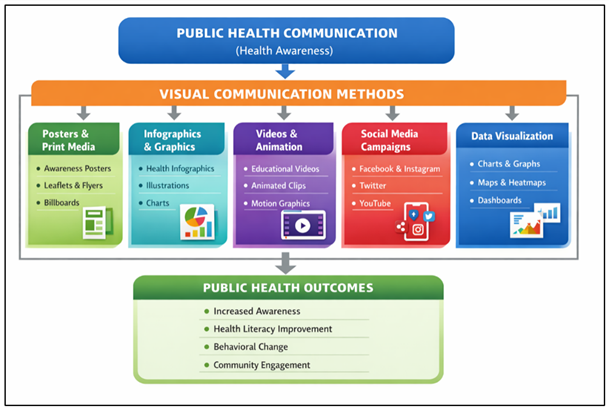
Figure 1 Visual Communication Methods in Public Health
The Table 1 shows the key visual techniques that are employed in health campaigns by the state. It all boils down to public health communication whose focus is to create health-related information to the populace. Posters, infographics, videos, social media campaigns, and data visualization tools are some of the visual forms of communication that are essential in the simplification and presentation of intricate health data in an exciting way. These images enhance the comprehension and readability of messages at various levels of literacy. Therefore, positive visual communication helps to enhance health awareness, health literacy, positive behavior change, and community involvement in community health programs.
4.1. Existing Methods in Public Health Visual Communication
Public health visual communication involves the application of visual representation as images, graphics, symbols and multimedia information to communicate health related messages to the masses. Given that most health information is sometimes complicated and non-experts might not understand it, the use of visual means of communication enables simplification of messages and makes them comprehensible by various groups of people. With time, various techniques have been devised and are extensively employed by governments, health organizations, and non-governmental organizations to encourage health awareness and disease prevention as well as behavioral change Nanchang et al. (2025).
1) Print-Based
Visual Communication
One of the oldest and most common means of the public health campaign is print-based communication. This one involves posters, brochures, leaflets, pamphlets, and billboards that have been done with visual materials to convey health information. To enhance the visibility and attract a large number of people, posters are usually found in hospitals, schools, community centers, and other places where people pass by. They typically include basic drawings, symbols, and brief texts that draw attention to such key health behaviors as vaccination, sanitation, and disease prevention. The print media come in especially handy in regions with poor internet connectivity since they offer cheap and readily circulated mode of communication. Banerjee and Hazarika (2014)
2) Infographics
and Graphic Design
The infographics are popular in the current day health communication since they display complicated data in a visual format. Infographics are used to describe the medical terms, health statistics, and preventive steps using icons, charts, illustrations, and brief text. Visual hierarchy, color contrast, alignment, and grouping are information design principles that assist the audience to grasp the message very fast. The illustration of the symptoms of diseases, vaccination regimes, and nutrition rules can be given as an example. They have better visual composition since the viewers are able to process information faster as compared to long written explanations.
3) Data
Visualization Techniques
Data visualization techniques are employed to display big volumes of health data graphically, in charts, graphs, maps, dashboards. These visual tools are used in reporting patterns with regard to disease outbreaks, death rates, vaccination coverage and environmental health factors by the public health organizations. Mapping and charting of data can assist the policymakers and the general population to comprehend health trends more conveniently. As an example, epidemiological maps with rates of infections in various areas can enable authorities and communities to detect the high-risk areas and take preventive actions.
4) Video
and Animation-Based Communication
Video and animation are effective communication tools in the field of public health since they allow using both visual and auditory messages to communicate the clear and interest messages. The health practices taught through educational videos include handwashing techniques, vaccination procedures and hygiene practices. Animated graphics come in handy, especially when describing complicated biological processes like the transmission of the virus or the action of the immune system. Such techniques will significantly increase the interaction of the audience and make the messages more memorable than the still pictures. Moulick et al. (2025)
5) Social
Media Visual Campaigns
The social media platform has emerged as a significant visual health communication channel with the expansion of digital technology. Instagram, Facebook, Twitter, and YouTube are some of the platforms that allow health organizations to post visual content promptly and reach a vast number of people. Short videos, visual posters, infographics as well as interactive graphics are frequent components of social media campaigns that serve to attract attention and share. These platforms as well permit real-time distribution of information in case of a public health crisis like pandemics.
6) Interactive
and Digital Visualization Tools
The new technological developments have also come with interactive visualization techniques by which a consumer can interactively learn about health information. It can be interactive dashboards, mobile health apps, and web-based visualization tools that show health statistics in the form of interactive charts, maps, and simulations. These visual tools allow the user to analyse trends of diseases, vaccination, and access to healthcare. Enhanced user engagement and decision-making in the area of public health Interactive visualization can be used to enhance user engagement and facilitate data-driven decision-making. Rawandale and Kolte (2024)
5. Comparative Analysis of Existing Communication Methods
This part will compare the success of various types of visual communication applied in population health campaigns. The traditional and digital visual communication methods differ in the scope of reach, involvement, and the clarity of information and influence on the behavior of the population. Comparison will allow revealing the advantages and drawbacks of each approach and pointing out the most efficient methods to use in the contemporary health communication strategies. Traditionally, public health campaigns have been based on print-based media, including posters, brochures, and leaflets. These distribution methods are affordable and can be distributed in hospitals, schools, and even community centres. Their efficiency however is usually constrained with stagnant topics and limited audience. Conversely, the contemporary approach to visual communication, including infographics, video, social media images, and interactive dashboard, is more engaging and allows spreading the information about health even further owing to digital opportunities.
Infographics is a great invention of traditional print media since they use visual signs, charts and text that is simplified to pass complex health information within a short period of time. They are especially effective in explaining prevention strategies of disease and schedule of vaccination and health statistics. The inclusion of video and animation forms of communication also enhances comprehension since it gives a detailed view of how things work out through visual and dynamic demonstrations that ensure more people remember the message presented in the video. The visual campaigns in social media have become one of the most effective means of communication on the matters of health to the people. Instagram, Facebook, and YouTube are some of the platforms, through which health organizations can disseminate visual messages to extensive audiences within a short time. Interaction and sharing through social media also enhances increased reach and influence of health campaigns. Data-driven platforms and health dashboards are interactive visualization technologies that offer a more sophisticated means of visual communication. These tools enable users to view the health data in a dynamic way, and hence get a better insight into the trends of the disease and health statistics. Although interactive systems have proven to be very effective, they also demand digital infrastructure and technological understanding which might restrict their availability in certain parts.
Figure 2
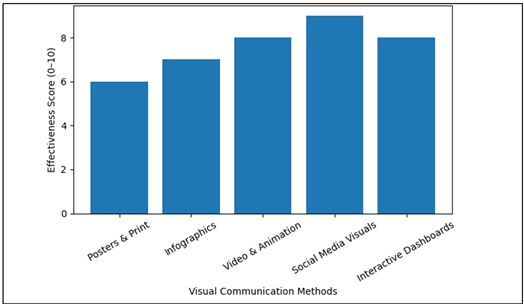
Figure 2 Effective of Different Visual Communication Methods in Public Health
Figure 2 above is a graph that compares the effectiveness of the various visual communication techniques used in the public health campaigns in terms of the evaluation scores obtained through the common research findings on health communication literature. As the graph indicates, the social media visual campaigns are the most effective as they are likely to attain the highest score in the effectiveness because of the level of reach, information dissemination and the level of audience appeal. The effectiveness of video and animation-based communication is also high since it enhances understanding and memorization of the message. Infographics is better than a conventional poster since it can render the information in a visual, well-organized way that changes complicated concepts in health. High levels of effectiveness are also associated with interactive dashboards being able to present more detailed health data in a visual form though this might not be as deeply accessible. Vasanthan and Nandhini (2022)
Table 2
|
Table 2 Comparative Analysis Table |
|||||
|
Method |
Communication Reach |
Audience Engagement |
Information Clarity |
Cost Efficiency |
Overall Effectiveness |
|
Posters & Print Media |
Medium |
Low |
Medium |
High |
Moderate |
|
Infographics |
Medium |
Medium |
High |
Medium |
Good |
|
Video & Animation |
High |
High |
High |
Medium |
Very Good |
|
Social Media
Visual Campaigns |
Very High |
Very High |
High |
High |
Excellent |
|
Interactive Dashboards |
Medium |
High |
Very High |
Low |
Very Good |
The table of comparative analysis analyzes the already available visual communication methods based on a number of criteria: the scope of communication, the involvement of the audience, the clarity of information, affordable prices, and the effectiveness of the entire process. The traditional print media like posters are still handy when conducting localized campaigns since they are cheap and simple to distribute. Nevertheless, they are not very active and therefore their effectiveness decreases as compared to the digital communication. Infographics are better at presenting information and enhancing the comprehension of the audience through the visual structuring of complicated health data. The video and animation communication strategies prove to be more engaging because they involve motion, sound and images to explain health concepts in a better manner. The social media visual campaigns are the most effective as they have the highest reach and interaction since users can share and interact across geographical locations. The interactive dashboards have very specific and customizable data visualization options, which can be of good use to policy makers and researchers. They, however, have a high technological infrastructure that might limit their availability to the common people. Desai et al. (2026)
6. Challenges in Existing Methods in Public Health Visual Communication
Despite the fact that some of the visual means of communication like posters, infographics, videos, and digital media are greatly contributing to the effectiveness of the way people are influenced with regards to the importance of the given campaign, there are a few challenges that could restrain and restrict their influence. The reasons behind these challenges are the variation in the literacy levels, accessibility of technology, cultural diversity, and the complexity of health information. It is valuable to know these limitations to create more efficient and inclusive strategies of public health communication.
1) Limited
Health Literacy
The difference in health literacy of various populations is one of the greatest challenges in the public health visual communication. Health literacy is a concept that implies that people are able to perceive the information about their health and make knowledgeable decisions. Most of the visual information contains medical terms, statistical data, or complicated graphs that can be hard to analyze by people who are not well educated. When pictures are applied, the viewers can fail to interpret the message in the right way unless the design is not plain and culturally correct. Consequently, visual campaigns of communication do not pass correct information about health at one time.
2) Cultural
and Linguistic Barriers
Public health campaigns tend to reach various populations of diverse cultural backgrounds, language and social practices. Varying meanings of various cultures on visual symbols, colors and illustrations can easily create confusion or misinterpretation of health messages. Indicatively, some signs, which are employed in health campaigns in the west, might not be readily perceived by other communities. Moreover, the campaigns reaching multilingual societies may be restricted by the lack of multilingual visual sources.
3) Digital
Divide and Accessibility Issues
Though digital technologies and social media platforms have facilitated the scope of visual communication, not all people in the populations have equal access to the technologies. Communities in the rural areas, the aged, and poor people might not access the internet, or may not be digitally literate. Consequently, vulnerable groups who potentially have the greatest need of health information, would be incapable of accessing digital visual communication campaigns. There are also problems to do with accessibility by the people who may be unable to read graphical information because of either being visually impaired or disabled.
4) Information
Overload and Message Saturation
As the digital media continues to grow at an alarming rate, people are being exposed to a lot of visual information on a daily basis. Advertisements and other information that are made available online usually clash with the messages of public health. This information overload has the capability of minimizing the effectiveness of visual communication campaigns since audiences may fail to pay attention to important health messages. The repetition of certain visual images can also cause message fatigue, causing a decrease in the audience with time.
5) Misinterpretation
of Visual Data
Charts, graphs, and maps are some of the most commonly used forms of data visualization in communicating health in the public to show disease statistics and patterns in health. Nonetheless, the visualizations that are not designed appropriately can result in misinterpretation of the information. Considering an example, the reliance of scales, labels, or wrong types of charts can disfigure data meaning. Visual data may be misinterpreted by the audience and create misleading conclusions about the message and distrust in health communication.
6) Lack
of Standardized Design Guidelines
The other major obstacle is that there are no standard design principles of visual health communication. Various organizations usually produce their visual materials in different styles, colors, and formats, which can cause weaknesses in the delivery of the message. Lacking clear design standards, visual materials can lack adherence to such principles as readability, visual hierarchy, and accessibility. This contradiction can undermine the success of the campaigns on the health of the whole population.
7) Limited
Evaluation and Impact Measurement
Numerous visual communication campaigns used in the field of public health are not carried out systematically to gauge their effectiveness. The effects of visual materials on the knowledge, attitudes, and behavior of the people are often hard to quantify. The absence of appropriate evaluation strategies can make organizations stick to using unproductive visual communication strategies without determining what can be improved.
8) Resource
and Design Constraints
Creating good quality visual communication tools takes talented designers, technological facilities and money to develop them. Some of the public health organizations, particularly of developing areas might not have access to professional tools of design or trained specialists in communication. This can lead to inability to design visual materials well hence less attention and ability to pass health information effectively. Jadhav et al. (2025)
7. Proposed Visual Communication Framework for Public Health Campaigns
The public health campaigns should have proper communications strategies that ensure the society receives the right information about their health besides influencing them to change their behaviors positively. The conventional communication channels are able to utilize the written content or the bare visual contents that are not useful to address different populations with the diverse literacy levels. To address these weaknesses, the proposed study implies a Visual Communication Framework of Public Health Campaigns that would integrate the principles of the information design, digital media technologies, and through the use of multiple communication channels. The proposed model will be designed to simplify complex health information into simplified and appealing and socially relatable graphic messages that are easily understood by the masses. The framework is a set of the data-guided communication, visual design techniques, online platforms, and feedback channels of the audience that can aid the success and accessibility of health campaigns. The key points of the proposed framework are described in the subsections below.
7.1. Design Principles for Effective Health Communication
In the case of effective visual communication in any campaign promoting the idea of health, it is crucial to establish the principles of the design that will be clear, accessible, and engaging. These values are used to design visual materials like posters, infographics, animation and digital graphics. Simplicity and clarity is one of the principles. The presentation of health messages must be done through simple graphic, minimum text, and clear graphical images so that, the information can be easily understood by the audiences with varying levels of literacy. Difficult medical terms need to be registered in simplified diagrams or step-by-step visual illustrations. Visual hierarchy is another principle that is required and arranges the information in a hierarchical fashion. Preventive measures, warning signs or emergency instructions should be displayed in important fonts, bold colors or at the center. Visual hierarchy is used to enable the audience to figure out the important information easily. It is also essential to have consistency in design elements. The constant color schemes, icon styles and layout structures enhance readability and recognition. Indicatively, medical information is frequently represented in certain color code in health campaigns like red color when there is a warning or green color when there is a safety message.
Cultural sensitivity is a concept that is especially vital in communicating public health. The use of visual symbols, images and characters must be in a way that they are an expression of the culture of the target audience. Culturally relevant visuals that are designed promotes health message acceptance and understanding. Lastly, visual design should be done keeping the accessibility and inclusiveness in mind. The visual materials are supposed to serve the disabled or those with visual impairment or with limited access to digital materials. Increased color contrast, big fonts and alternative formats of communication helps in improving accessibility.
7.2. Components of Visual Health Communication
Visual health communication entails a number of elements which interact together to provide effective health messages to the masses. The first is the health data and information sources. Public health communication campaigns are based on reliable data of hospitals, health surveys, research organizations, and government bodies. Correct and evidence-based information will see visual materials present reliable information. The second element is creating visual content. Health communication and designers translate health information into a visual format including infographics, posters, charts, illustration and animation. The information design method assists in arranging the material in a presentation format that is easy to read and comprehend. The third element is channel and medium of communication. Visual health messages are channeled using the different platforms, such as social media networks, websites, televisions, mobile applications, and community information boards. Health campaigns can be more effective and have bigger reach to a greater number of people through the use of several channels of communication.
Audience interaction and engagement is another significant element. The digital platforms enable the users of the information to engage with the visual data by commenting, sharing, conducting surveys, and providing feedback. Audience participation helps to gain appropriate insights into the way health messages are perceived and received. Evaluation and monitoring is the last component. The effectiveness of the campaigns can be evaluated using the following metrics: the audience reach, the level of engagement, increase in knowledge, and change in behavior. Assessment aids the making of organisations perfect their communication plans and enhance health campaigns in the future.
7.3. Proposed Visual Communication Architecture
The proposed architecture will incorporate data sources, visual design modules and communication platforms within a single system which facilitates effective communication of public health.
Figure 3
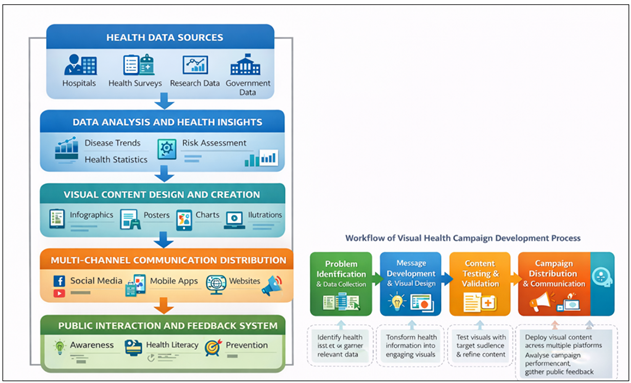
Figure 3 The Proposed Architecture for Visual Communication
The architecture depicts the flow of health information between the sources of data to the visual design processes and communication channels up to the point of reaching the population. The audience feedbacks are used to test and improve communication strategies.
7.4. Workflow of Visual Health Campaign Development
There is a workflow process on developing a visual public health campaign, which guarantees proper and effective communication. Problem identification and data collection is the first stage. Disease outbreaks, vaccination or sanitation enlightenment are major health problems identified by health authorities. Appropriate health information and research evidence is gathered using reliable sources. The second step is development and visualization of messages. Health professionals work with designers to transform medical data into visual forms. This step implies the development of infographics, posters, videos, or animation, which conveys preventive steps and health rules correctly. Testing and validation of the content is at stage three. The visual materials are tried on the target audiences before the campaign is launched to make sure that the message is comprehensible and culturally suitable. Pilot testing provides content on how to perfect the design. The fourth phase is campaign distribution and communication. Visual materials are shared via various communication platforms which include social media platforms, televisions, community centers, and medical centers. The last step is feedback analysis and evaluation. Engagement metrics, surveys, and responses of the population are some of the tools that health organizations use to analyze the outcomes of the campaigns. Such analysis assists in evaluating the success of the campaign and gives solutions on how to improve on the communication strategies in the future.
7.5. Implementation Strategy
The health organizations, communication experts, designers, and digital technology providers should work together in the successful implementation of the proposed visual communication framework. The design of integrated communication teams comprising of public health professionals, graphic designers and data analysts is one of these strategies. The interdisciplinary approach makes visual materials scientifically accurate and effective in terms of visuals. The other approach is plugging into digital technologies and social media to increase the coverage of the public health campaigns. The visual health information can be shared among large populations within a short time through the help of the mobile applications and the social media networks. Health communication professional training programs are also necessary. These programs are advised to be based on the principles of information design, the techniques of visual stories and digital communication tools in order to enhance the quality of the visual health campaigns. Lastly, governments and government health facilities ought to come up with standardized visual health communication guidelines. Setting design standards and evaluation frameworks: This will bring consistency and effectiveness in various campaigns.
8. Expected Outcomes and Impact
The suggested visual communication framework will be aimed to make the public health campaigns more efficient by increasing the effectiveness of the health information delivery and perception by the community. The framework will provide an opportunity to present understandable, interesting, and approachable health messages by combining the ideas of data-driven communication strategies, visual information design principles, and the usage of various media channels. The anticipated results of the practice are an enhancement in the level of public awareness, a change in behavior towards the positive perspective, the rise of community involvement, and enhanced policy and educational support of health programs. These expected impacts are explained in the following subsections.
8.1. Improved Public Awareness and Health Literacy
The enhancement of the public awareness and health literacy is among the main anticipated outcomes of the offered framework. Health literacy is the capacity of people to comprehend health related data and make informed choices regarding their health. Most of the public health campaigns fail to convey complex medical knowledge to different audiences with different levels of education. Visual communication, which involves the use of infographics, diagrams, icons, and visual storytelling, eases complex information on health and makes it easier to understand. Disease symptoms, prevention, and treatment procedures can be better explained with the help of visual materials than by text only. When in need, e.g., illustrated guidelines on how to properly wash their hands or vaccination plans can make the audiences quickly grasp which health practices are recommended. Also, visual communication would be able to overcome the language barrier based on universal symbols and images. It comes in handy more so in a multicultural society where there are varying languages used. Consequently, visual health communication practices lead to the expansion of knowledge of health information as well as to informed choices of communities.
8.2. Behavioral Change through Visual Messaging
The other notable effect of the suggested framework is that it facilitates a positive behavioral change by use of visual messages. The objective of public health campaigns is not just to educate the people but also to help to change their healthy behaviors like immunization, hygiene, healthy meals, and frequent check-ups. Visual communication is an important influence of behavior since images and visual stories may have more powerful emotional and cognitive impact than the textual messages. As an example, posters depicting the effects of smoking or inadequate hygiene may encourage people to change their lifestyles to healthier ones. On the same note, preventive measures during a disease outbreak can be promoted through animated instructional videos that elaborate on the transmission of diseases. The visual communication that is integrated in a variety of platforms such as social media and digital media enhances exposure of the message and supports behavioral change. Regular contacts with effective and vivid visual messages can make individuals internalize health guidelines and integrate them into their everyday life.
8.3. Community Engagement and Participation
Communities should be engaged in the implementation of effective public health campaigns. The suggested visualization communication system will promote the involvement of people in the community by making health-related messages more interactive and relatable. Pictorial narration, participatory graphics, and culturally pertinent drawings assist viewers to identify with the message and know that they are personally engaged in health campaigns. Interactive participation is also made possible by digital communication platforms, which have social media sharing, comments, feedback surveys, and online discussions. These interactive features enable communities to question, share experiences and disseminate health information through their social circle. The community involvement is especially significant when dealing with issues on public health like the vaccination programs, disease prevention programs and environmental health programs. Communities are influenced to embrace preventive behaviours more and sustainably when they are actively engaged in health communication campaigns.
8.4. Policy and Educational Implications
There are also significant implications of the introduction of a systematic visual communication system, both on the field of public health and on the education systems. Visual communication strategy can enable policymakers to be more effective in delivering health guidelines and make sure that information about the population health is communicated to the diverse populations. Standardized visual communication guidelines can be embraced in government agencies and health organizations to enhance uniformity and quality of health campaigns. These guidelines can encompass design requirements in infographics, color scheme in health warnings and accessibility in visual contents. Visual communication methods can be incorporated in the health education programs in schools and universities in the educational sector. Educational video, diagram, and interactive visual resources can be used as visual learning tools to improve the knowledge of students on the concepts of health and motivate them to follow a healthy lifestyle throughout their lives. Moreover, more effective strategies to communicate health to the population can be ensured by adopting visual communication structures in policy and education, enhancing the interaction of health professionals, educators, designers, and communication specialists.
9. Future Research Directions
Though visual communication has greatly enhanced the efficiency of any public health campaign, there are still a lot of prospects of further research and development of this area. With fast emerging digital technologies, data analytics, and interactive media, designs of health information and delivery are opening new opportunities. The future research direction should include incorporating the newly emerging technologies, making visual health communication more accessible, and creating common frameworks that can increase the efficiency of visual health communication. The possible future research directions would be highlighted by the following. AI can help reshape the communication of health (to the general population) by facilitating the generation of visual health content and customizing it to the user. Through AI, the system can process large amounts of health data and produce visual interfaces to the data (infographics, charts, predictive visualizations). Machine learning algorithms have the potential to process the behavior of the audience on the digital platform to determine the best types of visual message. Further studies might focus on creating AI-based design systems which would automatically create visual health communication messages depending on real-time health information and audience demographics. New opportunities in interactive health education emerge with the development of new immersive technologies, including Augmented Reality (AR) and Virtual Reality (VR). The technologies enable users to have health information in a 3D and interactive environment. As an illustration, AR applications may be used to showcase good medical practice, whereas VR simulations can be used to show the transmission of infectious disease or the consequences of poor lifestyle practices. The effectiveness of immersive visual technologies in achieving learning and behavioral change in public health education can be explored by future research.
The next focus of the future research is the creation of customized visual health communication systems. Diverse people and groups possess different health requirements, literacy, and cultures. Visual communication strategies might be tailored to the characteristics of the user (age, location, language, and health conditions) to meet the individual needs of consumers. Customized visual content that can be provided on digital platforms and through mobile health applications can serve particular health risks or avoidable behaviors that each user may have. Inquiry in the field may enhance the efficiency of specific health campaigns. Smart healthcare technologies and digital health infrastructures can be incorporated into future systems of public health communication. Internet of Things (IoT)-based smart healthcare systems, wearable health monitors, and health information systems produce voluminous amounts of health data in real-time. A combination of visual communication framework and these systems can support real-time visualization of health information and alerts. However, such examples as dashboards illustrating live disease trends, vaccination coverage, or environmental health risks, may be shown. Further studies are necessary on how technologies of visual communication can be incorporated into smart healthcare systems to facilitate proactive health management. Public health campaigns tend to work with various populations, which have different cultural backgrounds and languages. Further studies should aim at coming up with inclusive and culturally adaptive visual communication tools that will make sure that health messages are understood in the right way by various communities. Research can be conducted in order to compare the perception of visual symbols, colors and imagery between various cultures and how culturally sensitive design enhances stronger communication. The formulation of international design principles of culturally inclusive health communication would help in a big way to improve international public health courses. The other notable direction in research is the creation of standardized evaluation procedures as well as performance measures of visual health communication campaigns. The current campaign lacks systematic evaluation models that assess the effectiveness of the campaign regarding the improvement of knowledge, behavioral change, and the attainment of the long-term health outcomes. Future studies can come up with analytical models that will integrate engagement analytics, behavior data, and health indicators of the population to assess the effectiveness of visual communication strategies.
10. Conclusion
Information design and visual communication have gained the status of inseparable elements of contemporary public health campaigns. With health issues becoming more complicated and worldwide in nature, there is need to develop efficient strategies of communication so that vital information can be communicated to the various people in understandable and interactive way. Visual design methods like infographics, pictograms, and data visualization have been shown to be far more effective in terms of understanding, retention, and engagement of the audience than more traditional methods of communication using text. The research paper has looked at how visual communication can be exploited to increase the effectiveness in communicating public health. The review examined current visual communication strategies, explored their advantages and disadvantages, and pointed to the increased role of visual design in the health education and health awareness. The comparison showed that visual-focused communication techniques offer better clarity, availability, and interactivity, especially in a multicultural context and in both online and offline media. The paper suggested Visual Health Communication Framework (VHCF) to overcome the shortcomings of the current methods. This model incorporates the information design principle, visual-based encoding techniques as well as digital distribution pathways to develop a framework approach to the design of effective health communication products. The framework will enhance health literacy among the population and promote healthy behavior change by making complex medical information easier to understand and absorb and by making the information intuitively available in visual formats. The results elaborate that effective public health campaigns should not be held back by the conventional communication models but should adopt interdisciplinary designing approaches. Developing effective visual health communication systems requires collaboration among the public health professionals, designers, data scientists and communication specialists. The potential future achievements of artificial intelligence, interactive visualization, and digital media will expand the possibilities of visual communication in the sphere of health of the population. Through the implementation of novel design approaches and the utilization of new technologies, the construction of more robust communication infrastructures by the organizations of public health can be achieved to meet health issues in the world.
CONFLICT OF INTERESTS
None.
ACKNOWLEDGMENTS
None.
REFERENCES
Banerjee, R., and Hazarika, I.
(2014). Determinants of
Financial Performance of Commercial Banks in Dubai,
UAE—A CAMELS Model Analysis. International Proceedings of AWBMAMD Conference,
Dubai.
Barnes, S., Holmes, R., and Nguyen, T. (2024). The Impact of Infographics on Health Communication and Public Awareness. International Journal of Communication and Media Studies, 14(2), 45–58.
Baxter, S. (2022). User-Centered Design Principles for Effective Health Infographics. Information Design Journal, 26(2), 150–165. https://doi.org/10.1075/idj.20017.bax
Chanzu, M., Wanjala, L. K., and Ochieng, D. (2023). Evidence-Based Infographics for Improving Health Literacy. Health Promotion International, 38(1), 1–10.
Chen, L. (2023). Visual Storytelling in Health Communication. International Journal of Health Education, 30(1), 44–56. https://doi.org/10.1080/15551393.2022.2160983
Desai, V. P., Shinde, P. P., Mirajkar, G. S., Pillai, P. K., and Oza, K. S. (2026). Assessment of Adulteration in Edible Oil Using Machine Learning. IAENG International Journal of Computer Science, 53(1), 456–464. https://www.iaeng.org/IJCS/issues_v53/issue_1/IJCS_53_1_43.pdf
Garcia, R. (2024). Visual Communication Strategies in Public Health Campaigns. Health Communication Journal, 38(2), 155–168.
Golchha, R., Khobragade, P., and Talekar, A. (2024). Design of an Efficient Model for Health Status Prediction Using LSTM, Transformer, and Bayesian Neural Networks. 2024 International Conference on Innovations and Challenges in Emerging Technologies (ICICET), Nagpur, India, 1–5. https://doi.org/10.1109/ICICET59348.2024.10616353
Hasanica, N., Ramic, A., and Pavlovic, E. (2020). The Effectiveness of Health Education Through Visual Materials Among School Students. Journal of Preventive Medicine and Public Health, 53(4), 250–257.
Jadhav, K. D., Bhilare, M., Patil, M., and Ali, S. S. (2025). Bridging Knowledge Gaps: Conceptual Frameworks for Inclusive Learning Dissemination in Development Impact Assessment. Enterprise Development and Microfinance, 35(1), 223–242. https://doi.org/10.3362/edm.v35i1.17
Kardgar, M., Johnson, S., and Lee, P. (2025). Effectiveness of Animated Infographics in Public Health Education. Journal of Health
Communication, 30(1), 12–24.
Kulkarni, S., and Sharma, R.
(2024). Role of Visual
Communication in Improving Health Awareness
in Developing Countries. International Journal of
Public Health Research, 12(3), 210–218.
Kumar, P., et al. (2022). Pictogram-Based Health Communication.
Journal of Health Communication, 27(3), 190–205.
Lopez, M. (2021). Designing Effective Public Health Posters. Global Health Promotion, 28(2), 120–130.
Mohamadpour, M., Shakiba, M., and Rahimi, H. (2024). Using Infographic Billboards to Promote COVID-19 Vaccination: A Public Health Communication Approach. BMC Public Health, 24, 1–11. https://doi.org/10.1186/s12889-024-18135-3
Moulick, J., Phursule, R., Kale, A. P., Rana, V. S., Goswami, S., and Karwande, V. S. (2025). Real-Time Crypt Analysis and Defense Mechanisms in Cloud Computing Services. Journal of Discrete Mathematical Sciences and Cryptography, 28(5), 1753–1761. https://doi.org/10.47974/JDMSC-2175
Nanchang, C., Pinsagul, C., Sailaaiad, C., and Phumdara, T. (2025). Community Participation in Solid Waste Disposal of People in Dusit District, Bangkok. International Journal of Research in Development and Management Review, 14(1), 35–45. https://doi.org/10.65521/ijrdmr.v14i1.104
Ofori, S. I., Kadiyala, and Kim,
J. A. (2025). Data Visualization
in Public Health Communication: A Scoping
Review. Journal of Medical
Internet Research, 27, 1–15.
Patel, S., and Kumar, M. (2023). Data Visualization for Epidemic Awareness. Journal of Medical Informatics, 45, 210–220.
Rawandale, U. S., and Kolte, M. T. (2024). Improving the Hearing Aid System Using Optimized Variable Bandwidth Filter Based on Wolf Optimization. Multimedia Tools and Applications, 83, 79503–79531. https://doi.org/10.1007/s11042-024-19748-x
Smith, and Jones, T. (2022). Infographics for Public Health Awareness. Public Health Reports, 136(5), 620–628.
Vasanthan, R., and Nandhini, R. (2022). Integrating the Sub-Skills of LSRW for ESL Learners. In Contemporary ELT Strategies in Engineering Pedagogy: Theory and Practice (95–116). https://doi.org/10.4324/9781003268529-9
Wadehra, R. (2022). Visual Abstracts and Infographics in Scientific Communication. Journal of Visual Communication in Medicine, 45(3), 145–153.
|
|
 This work is licensed under a: Creative Commons Attribution 4.0 International License
© ShodhKosh 2026. All Rights Reserved.