ShodhKosh: Journal of Visual and Performing ArtsISSN (Online): 2582-7472
|
|
Ethics and Policy Challenges in the Digitization of Cultural Heritage
Dr. Rajesh Uttam Kanthe 1
 ,
Dr. Amutha M.V. Soorya 2
,
Dr. Amutha M.V. Soorya 2 , Snehal Patel 3
 ,
Nisha Wankhade 4
,
Nisha Wankhade 4 ,
Milagros B. Barruga 5,
Dr Swati Sachin Jadhav 6
,
Milagros B. Barruga 5,
Dr Swati Sachin Jadhav 6
1 Director,
Bharati Vidyapeeth (Deemed to be University), Institute of Management, Kolhapur,
416003, India
2 Department
of Paediatric and Preventive Dentistry, Sree Balaji Dental College and Hospital
Bharath Institute of Higher Education and Research (BIHER), Tamil Nadu, India
3 School of Management, Ramdeobaba University, Nagpur, Maharashtra,
India
4 Department of Information Technology, Yeshwantrao Chavan College of
Engineering, Nagpur, India
5 Mariano Marcos State University, Philippines
6 Assistant Professor, Department of Basic Science, Humanities, Social
Science and Management, D Y Patil College of Engineering, Akurdi, Pune, India
|
|
|
ABSTRACT |
|
|
The process of
cultural heritage digitization has turned to be one of the most important
strategies of preservation of the historical artifacts, manuscripts, art
pieces, and the digital age intangible traditions. Cultural institutions can
preserve heritage resources, capture more, and make them more accessible and
then ever before through the use of high-tech technologies such as the
features of 3D scanning, artificial intelligence, digital archiving, and
cloud data storage. The digitization also increases accessibility among
researchers, educators, and the general population as well as preserving the
cultural materials which are easily prone to damage, natural calamities and
war. Nevertheless, the fast pace of digital heritage projects pose the major
ethical and policy issues. The problems of the intellectual property rights,
cultural artifacts ownership, and presentation of culturally sensitive
materials have to be considered. In addition, the problem of community
approval and the rights of indigenous people also raises the question of the
inclusivity and cultural sensitivity of digitalization activities.
International and national policy and legal frameworks are also very
important in regulating the preservation of digital heritage especially in
areas like copyright, licensing and cross-border data sharing. |
|||
|
Received 21 January 2026 Accepted 19 March
2026 Published 03 April 2026 Corresponding Author Dr.
Rajesh Uttam Kanthe, rajesh.kanthe@bharatividyapeeth.edu DOI 10.29121/shodhkosh.v7.i3s.2026.7439 Funding: This research
received no specific grant from any funding agency in the public, commercial,
or not-for-profit sectors. Copyright: © 2026 The
Author(s). This work is licensed under a Creative Commons
Attribution 4.0 International License. With the
license CC-BY, authors retain the copyright, allowing anyone to download,
reuse, re-print, modify, distribute, and/or copy their contribution. The work
must be properly attributed to its author.
|
|||
|
Keywords: Cultural Heritage Digitization, Digital
Preservation, Ethics in Digital Archives, Cultural Heritage Policy,
Intellectual Property Rights |
|||



1. INTRODUCTION
Cultural heritage refers to general memory, identity and historical heritage of societies in the world. It includes both tangible and intangible objects that include monuments, manuscripts, artifacts, artworks and archaeological sites and include traditions, rituals, languages and performing arts and oral histories. Cultural heritage ought to be retained in order to maintain continuity of culture, bring about social cohesion, and also enable the future generation to be aware of the historical and cultural background of the human civilization. However, many cultural heritage sites are at stake because of natural calamities, erosion, urbanization, armed conflicts, physical material decadence and other causes. Digital technologies are increasingly becoming powerful tools of recording, storing, and sharing cultural heritage resources to solve these problems Aormina and Baraldi (2022). It is possible to say that digitization of cultural heritage is the process of converting physical or intangible cultural objects into digital format that can be stored, managed and accessed with the help of digital media. The history of technologies of high-resolution imaging, 3D laser scanning, artificial intelligence, machine learning, and digital archiving systems enabled museums, libraries, and the cultural institutions to create detailed digital images of cultural objects and cultural practices. The technologies facilitate the possibility to record improved, possess slight remoteness, and interactively engage cultural resources Kelly and Taffe (2022). There is also the effect of digitization that allows the researchers and general population to access the collections of cultural heritage to cross geographical and institutional borders which enhances the opportunity of education and research. Despite these advantages, digitalization of cultural heritage has several complex ethical, legal, and policy-related consequences. Among the largest issues is connected with ownership and intellectual property rights of digitized heritage materials Gallou (2022).
The cultural artifacts may be created by a specific community or indigenous group and the digitization process may bring issues on who ought to have the right to do so, create profit out of them or share such works with others. In addition to that due to the digital form of culturally sensitive objects, spiritual traditions, or community knowledge, there may be ethical issues of appropriation, misrepresentation, or misuse of heritage materials Ateca-Amestoy et al. (2021). These problems also highlight the necessity to include the local populations and cultural stakeholders in digitization process. The legal frameworks and the policy are also essential in determining the way in which digital heritage projects are regulated. The policies and laws of the international conventions, both national and copyrights provide a guideline, as to how the cultural resources are to be safeguarded, and the control of the digital access to the collections of the heritage Knapik and Król (2023). Figure 1 shows the ethical governance and policy factors that will lead to cultural heritage digitization. However, as there are inconsistencies between legal systems, as well as, the fact that digital technologies are evolving at a very rapid pace, it is usually difficult to control the digital heritage materials because of the gaps in the regulations.
Figure 1
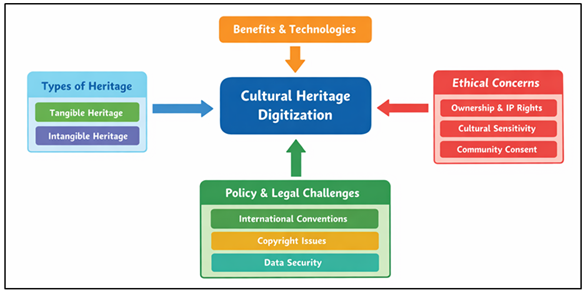
Figure 1 Ethical and Policy Framework for Cultural Heritage Digitization and Preservation
Besides, the problems of digital divide, long-term sustainability of digital archives, and the achievement of authenticity and security of digital data are also problematic to the efficiency of heritage digitization programs. According to these considerations, the question of ethical aspects and policy-related issues related to the process of cultural heritage digitization should be discussed. The paper is about the theoretical foundation of cultural heritage digitization, the most significant ethical concerns and legal aspects, and the technological and institutional aspects and challenges of digital preservation and access Renn et al. (2021). These concerns will help the study to further contribute to the development of responsible, holistic, and sustainable strategies on the way to safeguard cultural heritage in the digital age.
2. Related Work
Recent data on cultural heritage digitization indicates the increased usage of digital technologies in the protection and distribution of cultural resources and increases ethical and policy issues at the same time. The use of computerized tools in the form of high-resolution images, three-dimensional (3D) scanning, artificial intelligence, and online digital repositories to the documentation and preservation of historical artifacts and cultural traditions has been thoroughly investigated by the scholars Trittin-Ulbrich et al. (2021). The initial research on digital heritage was predominantly based on technological frameworks to digital archiving and museum informatics and it is the capacity of digital platforms to establish precise virtual versions of artifacts and archaeological sites. These programs made the cultural resources more accessible through the means of virtual settings and online databases that allowed scholars and members of the population to access museum collections and heritage sites. Various authors have explored the contribution of the digital heritage projects to the cultural preservation and community interaction Harfst et al. (2021). Virtual heritage and digital museum projects enable institutions to exhibit cultural artifacts in an interactive interface that enables users to gain access to historical data without being constrained by geographical boundaries. Research also shows that digitization can minimize the danger of harm to delicate objects because it can minimize their physical handling, without restricting detailed record keeping or academic examination Khobragade et al. (2024).
Moreover, artificial intelligence and machine learning have empowered the development of automated metadata, object detection, and recovery of damaged cultural resources and have been used to ensure the efficiency of heritage management systems. Nevertheless, the literature also lists ethical issues, which are also significant when the digitalization of the cultural heritage is involved. The scholars also underline that cultural artifacts can possess symbolic, spiritual and social values which are not limited by their material appearance Paschalidou et al. (2022). The digitalization of the mentioned materials can also raise issues of cultural misrepresentation, misinterpretation, and commercialization of heritage materials. Certain works have noted that indigenous communities often lack a high degree of control over the activities involved in the digitization, storage, and distribution of their cultural heritage, making the issues of consent, cultural ownership, and fair representation in digital archives controversial. These issues have caused growing demands of participatory practices, which entail the inclusion of local communities in the processes of decision-making regarding heritage digitization Elkhial (2024). Besides the ethical issues, researchers have delved into the policy and legal aspects of preservation of digital heritage. Table 1 presents a summary of the studies on the subjects of ethics, policy, technology, and digitization issues. Studies of the copyright law, intellectual property rights and international heritage conventions show that legal systems may have difficulties in keeping up with the ever-changing digital technologies.
Table 1
|
Table 1 Summary on Ethics and Policy Challenges in Cultural Heritage Digitization |
||||
|
Study Focus |
Technology/Method Used |
Key Findings |
Application Area |
Limitation |
|
Digital preservation of museum artifacts Sandriester et al. (2022) |
High-resolution imaging, digital repositories |
Digitization improves preservation and global
accessibility |
Museums and art galleries |
Limited community participation |
|
Virtual heritage documentation Zhang et al. (2023) |
3D scanning and photogrammetry |
3D models support conservation and virtual
exhibitions |
Archaeological sites |
High technological cost |
|
Digital archives for historical manuscripts |
Optical scanning and metadata systems |
Digital libraries improve research accessibility |
Libraries and archives |
Complex copyright restrictions |
|
Indigenous cultural heritage digitization |
Audio-visual recording, digital platforms |
Community engagement improves ethical
preservation |
Indigenous heritage programs |
Limited technological resources |
|
AI in heritage restoration Richard (2025) |
Machine learning and image restoration |
AI enhances restoration of damaged heritage
materials |
Art conservation |
Risk of algorithmic misinterpretation |
|
Digital museum accessibility Garro et al. (2022) |
Virtual museum platforms and databases |
Virtual museums broaden global public engagement |
Museum education |
Digital divide affects accessibility |
|
Cybersecurity in digital archives |
Secure digital storage and encryption |
Security frameworks protect digital heritage
repositories |
Digital archives |
Implementation complexity |
|
AI-assisted heritage classification Partarakis et al. (2022) |
Deep learning image analysis |
AI improves artifact classification and
cataloging |
Museum databases |
Requires large datasets |
|
International digital heritage collaboration |
Cloud-based digital repositories |
Collaboration improves preservation of endangered
heritage |
Global heritage networks |
Legal differences between countries |
|
Digital cultural heritage governance |
Integrated heritage management systems |
Balanced policies needed for open access and
cultural protection |
National digital heritage initiatives |
Policy implementation challenges |
3. Concept of Cultural Heritage Digitization
3.1. Definition and types of cultural heritage (tangible and intangible)
Cultural heritage can be defined as the physical and non-physical inheritance of past generations that are being preserved in the current generation to be passed on to the generation to come. It is the detachment of identity, tradition, knowledge systems and creative expressions of societies at various times. Broadly cultural heritage can be categorized into two main categories i.e. tangible heritage and intangible heritage. The tangible cultural heritage refers to the hardcopy cultural objects and locations that comprise of monuments, historical buildings, archaeological artifacts, manuscripts, paintings, sculptures, and museum collections. These material resources can be held in museums, archives, libraries and heritage sites where they serve as historic evidence and can be used to teach. On the other hand, intangible cultural heritage is non-physical cultural expressive forms including oral traditions, folklore, performing arts, traditional crafts, rituals, festivals, languages and indigenous knowledge systems. [12]
3.2. Role of Digitization in Preservation and Accessibility
These methods are, however, not always effective in preventing environmental damage, aging, disasters or human conflict of cultural materials. Digitization provides another option as it is transforming the physical and intangible cultural assets into digital forms that can be stored, reproduced, and shared by using digital infrastructures. By means of digitization, museums, libraries and archives are able to produce good quality of digital copies of artifacts, manuscripts and artworks. These online images enable the cultural contents to be maintained despite the fact that the original objects may fall into ruins with time. Moreover, digital archives provide the opportunity to document and systematically catalog cultural resources over a long period.
Figure 2
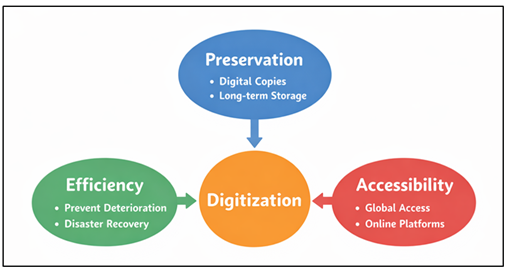
Figure 2 Conceptual Model of Digitization for Cultural Heritage Preservation and Global Accessibility
The increased capacity to store large amounts of digital collections with greater reliability and backup systems is further enabled by the advanced digital storage systems and cloud-based platforms. Figure 2 describes digitization as a way of maintaining, accessing, sharing, and heritage knowledge. Access to cultural heritage resources also is enhanced heavily by the process of digitization. The digital platforms enable researchers, teachers, learners, and other citizens to remotely access heritage collections via the internet with the help of online databases, virtual museums, and digital libraries. This availability enhances the accessibility to education, cross-disciplinary research, and awareness of cultures in the world populations. Moreover, virtual reality and augmented reality as interactive digital technologies can provide immersive experiences enabling users to visit historical sites and artifacts in the virtual world.
3.3. Key Technologies Used in Heritage Digitization (3D Scanning, AI, Databases)
The computer models can be used in restoration planning, online exhibitions and data on historical buildings. Artificial intelligence (AI) is now also a significant means of cultural heritage digitization. Machine learning programs are able to model huge datasets of images and past data to determine patterns, categorize objects and automatically produce metadata. Image restoration methods allow the reconstruction of damaged manuscripts, or faded paintings, or incomplete archaeological information by using AI methods and thus help in conservation activities. Also, natural language processing technologies allow the digitization and translation of historical documents and manuscripts, which become more accessible to an audience of the whole world. Another technological element of the heritage digitization is digital databases and information management systems. Zhang et al. (2023)
4. Ethical Considerations in Cultural Heritage Digitization
4.1. Ownership and intellectual property rights
One of the most important of the ethical issues of
digitization of cultural heritage is ownership and intellectual property
rights. Cultural information, manuscripts, artifacts, and folk knowledge are
usually the results of a certain community, local people, or historical
society. When museums, archives, universities, and individuals digitize these
materials, there is a question of who has the legal and moral rights to the
digital version of these cultural properties. Historically, in most instances,
the heritage objects were historically displaced out of their community
contexts in the colonial times, and this also makes the matters of ownership
and control over digital representations very difficult. The intellectual
property laws are usually formulated to safeguard the contemporary creative
designs, yet it might not be sufficient to safeguard the cultural information
and the traditional designs. Consequently, the digitization of heritage
material can inadvertently result in unauthorized copying, commercialization,
or misuse of a culturally material. Indicatively, sacred signs, customary
artworks or local systems of knowledge can be replicated digitally without the
consent of the communities where they were originally produced. Moreover,
digital technologies enable the quick spreading and copying of cultural
materials in the global networks, and it is hard to control the use of the
materials when they are published publicly. Thus, digital transformation of
ethics needs to have definite policies on the ownership, copyright, licensing
and access. The agencies of cultural heritage digitization should make sure
that the protection of intellectual property does not violate the legal
frameworks or the rights of the communities of which the heritage materials
belong. Richard
(2025)
4.2. Cultural Sensitivity and Representation Issues
Ethical issues that should be taken into account in the digitization of cultural heritage include cultural sensitivity and representation. Cultural artifacts and traditions usually have profound historical, religious and symbolic connotations that are strongly associated with identity and values of particular communities. In cases where cultural materials are computerized and provided in the digital space, the chances of having these meanings misinterpreted, over-simplified, or not placed into the context of the culture are high. This misrepresentation may cause misunderstandings, stereotyping or the fact that the original cultural meaning of heritage objects or traditions will be lost. Some of the projects of digitization focus more on technological documentation even neglecting cultural narratives and social contexts that make heritage meaningful. As an example, digital archives can have artifacts as objects of visual representation but not describe how they became culturally relevant, used in rituals, or have a history. Cultural sensitivity, ethical representation, consent and community inclusion can be seen in Figure 3. This decontextualization can simplify complicated cultural practices into simplified digital images or records of data. Garro et al. (2022)
Figure 3
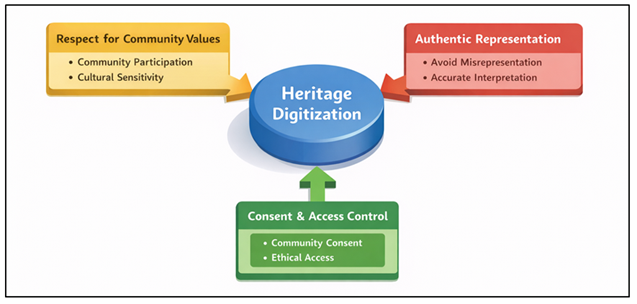
Figure 3 Cultural Sensitivity and Ethical Representation Framework in Cultural Heritage Digitization
The other issue is the digitalization of sacred or culturally restricted contents. In some societies, certain artifacts, rituals or ceremonial knowledge are regarded as personal or sacred and they are not meant to be on display. The moral of publishing such materials on open digital sites can be contravened by the cultural norms and values of the community. Partarakis et al. (2022)
4.3. Community Consent and Indigenous Rights
The most important ethical aspects of cultural heritage digitization are community consent and protection of indigenous rights. There are numerous cultural heritage resources of an indigenous or local community in which their traditions, knowledge base and cultural manifestations are part of their identity and heritage. These communities have historically been marginalized in the process of making decisions about the preservation, documentation and display of their cultural heritage. Unless communities contribute to the process of digitization, these inequalities may be reproduced accidentally. The digitalization of ethnical heritage involves the need to seek informed consent prior to documenting, digitizing, or publishing the ethnical works of a community. This entails engaging the community leaders, cultural practitioners, and local organizations so as to make sure that the digitization process is relevant to the cultural values and interests of the local communities. In most instances, the communities can demand limitations on the access, sharing, or replication of their heritage in the digital space. These preferences should be respected in order to uphold cultural integrity and trust.
5. Policy and Legal Frameworks
5.1. International conventions and heritage protection policies
The international conventions are quite useful in the process of enlightening the protection and digitization of cultural heritage globally. Various frameworks of preservation of heritage resources have been developed by international organizations such as UNESCO in a bid to promote sustainable conservation. One of the most potent conventions is the Convention Concerning the Protection of the World Cultural and Natural Heritage since it establishes international cooperation in terms of protecting exceptional cultural and historical locations. The other important framework is the Convention on the Safeguarding of the Intangible Cultural Heritage which is designed to preserve the intangibles of the traditions such as rituals, oral expression and performing arts. These world policies are the ones which encourage nations and cultural agencies to adopt preservation methods that incorporate digital recordings and archives. The digitization programs which are helped through international organizations are to save the endangered heritage and increase the availability of the international cultural products by offering online platforms and digital repositories. Much emphasis is also put on international organizations regarding the need of cooperation among museums, libraries, research institutions and governments to ensure that heritage data is kept in a responsible fashion and distributed in an ethical fashion. Dingankar et al. (2025)
5.2. National Regulations Governing Digital Archives
In addition to international conventions, country regulations also play a significant role when managing the digitization and management of cultural heritage collections. The governments also come up with legal frameworks that regulate museums, archives, libraries and cultural institutions that are capable of holding historical materials. The following issues are the usual areas of concern in these policies: archival management practices, digitization guidelines, safeguarding of cultural property, and online collections access privileges. The national heritage laws often dictate how cultural artifacts are documented, stored and shared through the assistance of the digital archives to ensure the preservation of such materials over a long period and responsible usage by the greater population. National level digitization plans have been postulated in most countries and these efforts have helped in the creation of digital libraries of historical records, manuscripts, artistic work, and archaeological records. These activities make sure that there is an up-to-date cultural heritage management and improves educational and research endeavors. The national digital archive systems, too, offer the guidelines on metadata documentation, format in digital storage and inter-institutional interoperability. The frameworks come in handy to ensure that digital heritage collections are available, searchable, and organized as time goes by. In any case, the environment of the regulation in the countries is very dissimilar, and it may be an issue of concern in an attempt to work together in heritage digitization projects. The dissimilarities in laws that govern data protection, legislation on heritage ownership and archival laws may hamper cross-border dissemination of digitized cultural information. In addition, there are low financial resources, absence of technical facilities as well as coordination of policies in certain areas that may affect the development and sustainability of the national digital archives. Vijayakumar et al. (2026) The policy formation, investing in the digital infrastructure, and cooperation between the government and the cultural institutions will have to maintain the digital heritage governance, therefore.
5.3. Copyright and Licensing Challenges in Digital Collections
The conventional laws on copyright usually safeguard creative work over a period of time, after which they get common ground. Yet, the legal situation surrounding digital reproductions of historical materials may be difficult especially where the original works are owned by more than one creators or community. To enhance accessibility, museums and other cultural institutions usually digitize heritage collections to facilitate accessibility via online platforms. Although this encourages the research and the involvement of the people, it can also lead to the duplication of cultural materials illegally, trade in them, or misuse. Consequently, they often introduce licensing agreements to the institutions in which the use of digital content is outlined. Creative Commons and open licensing systems as creative commons offer standardized and licensed sharing of digital cultural resources that safeguard the rights of both creators and institutions, and at the same time enable the sharing of digital cultural content. In spite of these mechanisms, quite a number of cultural heritage collections continue to suffer uncertainties related to the ownership of the copyright, particularly when it comes to works where the authorship is not well known or the traditional cultural expression. Karunanithi et al. (2020)
6. Challenges in Digital Preservation and Access
6.1. Digital divide and unequal access to heritage data
The digital divide is also one of the significant issues regarding the provision of equal access to digitized cultural heritage resources. Even though digitization provides cultural institutions with the means to make heritage collections accessible via online platform, the accessibility of these resources is frequently reliant on digital infrastructure (high-speed internet, computers and digital literacy). In most developing areas and rural societies, the lack of technological infrastructure makes the provision of people to enjoy the digital heritage projects unaffordable. Consequently, digitally stored cultural knowledge might continue to be inaccessible to the rest of the society. Longstanding inequity may also impact the communities that have a heritage that is being digitized. Cultural material or traditional knowledge may be digitized by communities of origin or local communities which may not need the means to access the resulting digital archives. This imbalance will attract the ethical concern of justice and cultural ownership. Besides, language barriers and lack of digital training and insufficient awareness of digital platforms can further widen the accessibility gap. Rawandale et al. (2022)
6.2. Long-Term Sustainability of Digital Archives
One of the issues of concern is the sustainability of the digital cultural heritage in a period of time. Even though the digitization may preserve the artifacts and historical record which may be destroyed physically, the digital forms are not faultless. Digital archives need technological infrastructure which include servers, storage systems which need to be maintained and updated on a regular basis. The old digital formats may also fail to be read due to technological obsolescence where after time the hardware or software that is compatible with the old format becomes unavailable. This is what is generally referred to as the digital decay and it is a huge obstacle to the heritage preservation programs. Financial sustainability is another aspect which has influence on digital archives. Figure 4 offers sustainability plans that will ensure maintenance, availability, safety of digital archives. Massive digital repositories require constant investment in storage capacity, computer security and expertise.
Figure 4
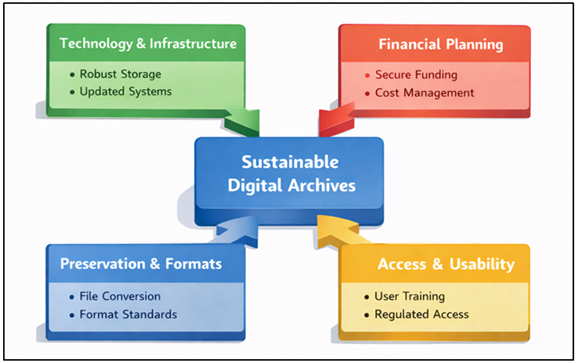
Figure 4 Long-Term Sustainability Framework for Digital Cultural Heritage Archives
The cultural institutions, including smaller museums and archives, might struggle to finance these resources on the long-term basis. The digital collections are at risk of becoming inaccessible or lost with time unless with a regular support of finances and institutions.
6.3. Data Authenticity, Integrity, and Security
Digital heritage data are needed to assure trust in digital archives through ensuring the data is authentic, integrity and secure. When the cultural artifact and historical records are scanned and made digital, the generated digital records should be a true reflection of the original materials, devoid of distortion and unwusfulteration. Authenticity means the consistency and trustworthiness of digital documents, and they are accurate and unbiased depictions of the original cultural items. Unless an appropriate verification system is in place, the digital reproduitions can be modified, misunderstood or manipulated, which can invalidate the historical importance of the archive. Data integrity is the idea of preserving the quality of digital data accuracy and consistency. Venkata et al. (2025)
7. Case Studies of Digital Heritage Projects
7.1. Digitization initiatives in museums and archives
Museums and other archival organizations all across the globe have been adopting digitization initiatives over the last couple of years as a way of preserving and disseminating cultural heritage materials. Large scale museums, libraries, and national archives have also initiated large scale projects, which involve scanning of manual documents, taking photographs of the objects, and creating digital descriptions of the historical items. These activities tend to produce high-resolution pictures, modeling three-dimensionally, and computer-aided cataloging systems to create elaborate online collections that are capable of being searched in information databases over the Internet. Digitization helps institutions to keep sensitive artifacts as the number of physical contacts to receive data is reduced, and scholars and the general public would be able to learn and analyze them on a case-to-case basis. Many museums have also established virtual exhibitions that provide cultural collections through the interactive internet platforms. By the use of these online galleries, the visitors can navigate through the artifacts, artworks and historical documents without having to physically move around the actual location of a museum and therefore enhance access to the heritage materials that are not physically provided by the real museum. Academic research also makes use of and now has searchable databases of digital archives which contain metadata such as historical context, provenance and conservation records. Patil et al. (2025)
7.2. Community-Driven Heritage Digitization Programs
The heritage digitization programs are a community-based cultural preservation initiative in which the system of cultural preservation puts the local communities directly into the process of their own cultural preservation documentation and management. These projects encourage people to engage in the community, the use of local expertise and complex decision making at the community level as opposed to the past digitization projects that were solely motivated by the major institutions. Through the assistance of researchers and digital archivists, local communities, indigenous communities, and cultural organizations preserve oral histories, traditional practices and languages and cultural artifacts. Such programs normally involve the training of the community members on how to utilize such digital applications as audio recorder, video cameras, and digital archiving software. It is an active process of capturing their heritage as it provides communities with the right to document their heritage in their own terms as well as according to the priorities of the community. It also assists in making sure sensitive cultural material is treated with sensitivity and also in making decisions regarding the access of content to the public or limited content. The digitization of traditional music, storytelling, rituals, and indigenous knowledge systems, are especially relevant to community-based digitization to preserve intangible cultural heritage. These cultural forms are commonly passed by word of mouth and they are also vulnerable to extinction unless they are put in writing.
7.3. International Collaborative Heritage Preservation Projects
International collaborative heritage preservation projects entail associations between more than one institution, government and research organizations of various nations. These programs are to conserve and catalogue culture with global historical importance or which is at risk because of conflict, environment threats, or natural calamities. Using international collaboration, organizations gain, exchange, and share expertise, technology, and financial resources to assist with large-scale digitization and conservation activities. Joint initiatives are usually aimed at the establishment of digital collections of rare manuscripts, archaeological excavations, and cultural objects that are inaccessible or can be damaged. In order to make digital collections compatible with digital collections in other countries, its researchers collaborate to establish standardized documentation practices, digital storage solutions, and metadata models. This type of cooperation also helps in sharing cultural knowledge and international awareness of a common heritage. The international collaboration is also important in the development of capacity as they offer training and technological assistance to the cultural establishments that have little resources in the resource-starved regions.
8. Conclusion
One of the major steps towards the conservation and sale of the historical and cultural resources in the digital world has been digitizing the cultural heritage. The recent developments of high-resolution images, 3-D scanner, artificial intelligence, and digital archiving systems make the cultural institutions more efficient in recording valuable artifacts, manuscripts, traditions and historical sites than ever. The digitization facilitates access, i.e. scholars, educators, and general population can study the cultural collections through online platforms, online exhibitions and online repositories. Digital heritage projects, therefore, positively affect education, research and international cultural awareness. Despite these benefits, digitization of cultural heritage does have complex ethical, legal, and technological complications that ought to be ethically, legally, and technologically responsible. The issue of ownership, and intellectual property rights and representation of cultures should be tackled with care to ensure that the operations of the digitization does not infringe the rights and values of the communities with the heritage materials. The need to seek the consent of communities and to prevent cultural misrepresentation explain the reasons why the digitization of the indigenous knowledge should be more inclusive and culturally sensitive. Policy and legal frameworks on national and international levels are another important reason in the regulation of digital heritage preservation.
CONFLICT OF INTERESTS
None.
ACKNOWLEDGMENTS
None.
REFERENCES
Aormina, F., and Baraldi, S. B. (2022). Museums and Digital Technology: A Literature Review on Organizational Issues. European Planning Studies, 30(10), 1676–1694. https://doi.org/10.1080/09654313.2021.2023110
Ateca-Amestoy, V., Villarroya, A., and Wiesand, A. J. (2021). Heritage Engagement and Subjective Well-Being in the European Union. Sustainability, 13(17), 9623. https://doi.org/10.3390/su13179623
Dingankar, S., Dixit, R., Jadhav, K. D., Bathla, G., Rane, M. E., and Raina, A. (2025). Synthesizing Best Practice Frameworks for Enhancing Financial Literacy Support in Microenterprise Lending. Enterprise Development and Microfinance, 35(1), 263–282. https://doi.org/10.3362/edm.v35i1.21
Elkhial, M. (2024). Integrating Preventive Conservation and Climate Change Adaptation: Strategies for Sustainable Protection of Cultural Heritage in Egyptian Museums. Science and Culture, 11, 49–62.
Gallou, E. (2022). Heritage and Pathways to Wellbeing: From Personal to Social Benefits, Between Experience Identity and Capability Shaping. Wellbeing, Space and Society, 3, 100084. https://doi.org/10.1016/j.wss.2022.100084
Garro, V., Sundstedt, V., and Sandahl, C. (2022). Impact of Location, Gender and Previous Experience on user Evaluation of Augmented Reality in Cultural Heritage: The Mjällby Crucifix Case Study. Heritage, 5(3), 1988–2006. https://doi.org/10.3390/heritage5030104
Harfst, J., Sandriester, J., and Fischer, W. (2021). Industrial Heritage Tourism as a Driver of Sustainable Development? A Case Study of Steirische Eisenstrasse (Austria). Sustainability, 13(7), 3857. https://doi.org/10.3390/su13073857
Karunanithi, V., Vasanthan, R., Kumar, S. H., Barman, B., and James, J. (2020). Analysis of Metacognitive Tasks for Second Language Speech Development: Theory and Research Implications. Journal of Critical Reviews, 7(3), 152–158. https://doi.org/10.31838/jcr.07.03.29
Kelly, M., and Taffe, S. (2022). When Digital Doesn’t Work: Experiences of Co-Designing an Indigenous Community Museum. Multimodal Technologies and Interaction, 6(5), 11. https://doi.org/10.3390/mti6050034
Khobragade, P., Dhankar, P. K., Titarmare, A., Dhone, M., Thakur, S., and Saraf, P. (2024). Quantum-Enhanced AI Robotics for Sustainable Agriculture: Pioneering Autonomous Systems in Precision Farming. 2024 International Conference on Artificial Intelligence and Quantum Computation-Based Sensor Application (ICAIQSA), Nagpur, India, 1–7. https://doi.org/10.1109/ICAIQSA64000.2024.10882412
Knapik, W., and Król, K. (2023). Inclusion of Vanishing Cultural Heritage in a Sustainable Rural Development Strategy—Prospects, Opportunities, Recommendations. Sustainability, 15(4), 21. https://doi.org/10.3390/su15043656
Partarakis, N., Zabulis, X., Foukarakis, M., Moutsaki, M., Zidianakis, E., Patakos, A., Adami, I., Kaplanidi, D., Ringas, C., and Tasiopoulou, E. (2022). Supporting Sign Language Narrations in the Museum. Heritage, 5(1), 1–20. https://doi.org/10.3390/heritage5010001
Paschalidou, E., Fafet, C., and Milios, L. (2022). A Strong Sustainability Framework for Digital Preservation of Cultural Heritage: Introducing the Eco-Sufficiency Perspective. Heritage, 5(2), 1066–1088. https://doi.org/10.3390/heritage5020058
Patil, R. V., et al. (2025). Decentralized Autonomous Organizations as Emerging Economic Entities in Accounting and Governance Frameworks. International Journal of Accounting and Economics Studies, 12(4), 166–177. https://doi.org/10.14419/1sy2j677
Rawandale, U. S., Ganorkar, S. R., and Kolte, M. T. (2022). Audiogram Study in Filter Bank Used for Hearing Aid System to Enhance the Performance. 2022 6th International Conference on Computing, Communication, Control and Automation (ICCUBEA), Pune, India, 1–4. https://doi.org/10.1109/ICCUBEA54992.2022.10010832
Renn, O., Beier, G., and Schweizer, P.-J. (2021). The Opportunities and Risks of Digitalisation for Sustainable Development: A Systemic Perspective. GAIA, 30(1), 23–28. https://doi.org/10.14512/gaia.30.1.6
Richard, D. K. S. (2025). Service Quality Dimensions Relationships With Satisfaction Among Domestic and Foreign Tourists in Pondicherry. International Journal of Research in Development and Management Review, 14(2), 20–26. https://doi.org/10.65521/ijrdmr.v14i2.924
Sandriester, J., Kern, C., and Harfst, J. (2022). The Impact of the COVID-19 Crisis on Tourism Development in Peripheral Areas in Austria. Tourism, Culture and Communication, 23(3), 233–248. https://doi.org/10.3727/109830422X16600594683454
Trittin-Ulbrich, H., Scherer, A.-G., Munro, I., and Whelan, G. (2021). Exploring the Dark and Unexpected Sides of Digitalization: Toward A Critical Agenda. Organization, 28(1), 8–25. https://doi.org/10.1177/1350508420968184
Venkata, S. B., Ashirova, A., Karwande, V. S., Aruna, T., Kholiyarov, E., and Singh, S. (2025). Towards Accurate Maritime Surveillance: A Hybrid CNN-Transformer Architecture for Ship Detection in SAR iMagery. International Conference on Innovations in Intelligent Systems: Advancements in Computing, Communication, and Cybersecurity (ISAC3 2025). https://doi.org/10.1109/ISAC364032.2025.11156808
Vijayakumar, M., Muniyandy, E., Mirajkar, G., et al. (2026). Intrusion Detection and Localization Using Deep Learning Approaches in VANET Environments. SN Computer Science, 7, 234. https://doi.org/10.1007/s42979-026-04769-0
Zhang, Q., Webster, N. A., Han, S. N., and Ayele, W. Y. (2023). Contextualizing the Rural in Digital Studies: A Computational Literature Review of Rural-Digital Relations. Technology in Society, 75, 102373. https://doi.org/10.1016/j.techsoc.2023.102373
|
|
 This work is licensed under a: Creative Commons Attribution 4.0 International License
© ShodhKosh 2026. All Rights Reserved.