ShodhKosh: Journal of Visual and Performing ArtsISSN (Online): 2582-7472
|
|
|
Art,
Technology, and Society: Emerging Intersections in Visual and Performing Arts
Research Dr.
Murali Basa 1 1 Assistant Professor, Department of Performing Arts, Assam University,
Silchar, India 2 Lecturer, Kocaeli University Ömer İsmet Uzunyol Vocational
School, Department of Auditory Techniques and Media Production, Turkey 3 Head, Department of Hindi & Research Director, Institute for
Excellence in Higher Education (IEHE), Bhopal, Madhya Pradesh, India 4 Assistant
Professor, Department of Computer Engineering, Sandip Institute of Technology
and Research Centre, Nashik, India 5 Associate Professor, Department of Media and Studies, School of Media
and Communication, Adamas University, Kolkata, West Bengal, India |
|
|
|




Dear Readers and Contributors,
The visual and performing arts have
historically served as dynamic mediums through which societies interpret
cultural identity, emotional expression, and technological transformation. In
the twenty-first century, these fields are undergoing profound changes driven
by digital technologies, artificial intelligence, immersive media,
interdisciplinary research, and increasing recognition of the arts as
instruments of social change and human well-being. This special issue of
ShodhKosh: Journal of Visual and Performing Arts brings together a diverse set
of scholarly contributions that explore these emerging intersections between
art, technology, culture, policy, and wellness.
A significant theme in this issue is the
expanding role of artificial intelligence and computational technologies in
artistic production and cultural analysis. Articles such as Artificial
Intelligence as a Creative Collaborator in Contemporary Visual and Performing
Arts, Artificial Intelligence–Generated Art and the Question of Authorship, and
Artificial Intelligence in Visual Design: Opportunities and Ethical Concerns
investigate how machine intelligence is reshaping creative processes while
raising important ethical and philosophical questions regarding authorship,
authenticity, and cultural ownership. These discussions are complemented by
research on cultural analytics, data visualization, and computational
creativity, which demonstrate how data science can reveal aesthetic trends,
audience behaviors, and evolving patterns of cultural engagement.
Another prominent focus of the special issue
is the digital transformation of artistic environments and cultural
institutions. Studies on virtual performance spaces, augmented reality in
museums, immersive stage design, and digital archiving of performing arts
heritage illustrate how emerging technologies are redefining the experience of
artistic production and consumption. These contributions highlight how digital
platforms, social media ecosystems, and OTT media services are reshaping the
global dissemination of art, enabling new forms of audience participation and
cross-cultural communication.
The integration of health, wellness, and
artistic practice represents another central theme of this issue. Contributions
exploring music therapy, dance and movement therapy, expressive arts therapy,
and mindfulness-based creative practices reveal the therapeutic potential of
the arts in promoting mental health, emotional resilience, and neurocognitive
well-being. Studies examining yoga, meditation, breathwork, and performance
training provide insight into how embodied practices enhance artistic creativity,
presence, and holistic wellness for performers and audiences alike.
The issue also explores how visual and
performing arts intersect with social transformation and policy discourse.
Articles addressing environmental narratives in documentary cinema, social
media as a platform for contemporary performance, cultural sustainability, and
public health communication demonstrate how artistic practices can serve as
powerful tools for advocacy, awareness, and community engagement. These
contributions reflect the growing recognition of the arts as a vital component
of social innovation and public dialogue.
In addition, several papers investigate the
emerging convergence of art with advanced technological infrastructures such as
Internet of Things (IoT) systems, digital twin environments, multimodal
generative systems, and machine learning frameworks. These studies highlight
new forms of cyber-physical artistic environments where technology functions
not only as a tool but also as an active collaborator in creative expression.
From intelligent stage environments to interactive art installations and
algorithmic storytelling, these innovations point toward a future where
artistic practice increasingly operates within technologically augmented
ecosystems.
The issue also presents important
perspectives on cinema studies, media culture, and visual narratives, examining
themes such as gender representation, historical aesthetics, national identity
in design, and the evolving dynamics of digital media platforms. These studies
illustrate how film and visual culture continue to shape public imagination and
socio-political discourse in the contemporary era.
Taken together, the articles in this special
issue highlight the importance of multidisciplinary research approaches that
integrate perspectives from visual arts, performing arts, technology studies,
psychology, social sciences, and digital humanities. The diversity of
contributions demonstrates how contemporary artistic practice is no longer
confined to traditional disciplinary boundaries but instead thrives within
networks of collaboration between artists, technologists, researchers, and
cultural institutions.
This special issue aims to foster dialogue
between scholars and practitioners working across these interconnected domains.
By exploring the intersections of creativity, technology, culture, and
well-being, the issue contributes to a deeper understanding of how visual and
performing arts can respond to the challenges and opportunities of an
increasingly digital and interconnected world.
The editors hope that the research presented here will inspire further interdisciplinary collaborations and support innovative approaches to artistic practice, cultural analysis, and creative scholarship. As technology continues to transform cultural landscapes, the visual and performing arts will remain essential spaces for experimentation, critical reflection, and the articulation of human experience.
Sincerely,
|
|
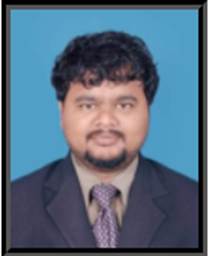
Dr. Murali Basa is a Department of Performing Arts at
Assam University, Silchar, established in 2017 under the Abanindranath Tagore
School of Creative Arts and Communication Studies, is dedicated to nurturing
India’s rich cultural heritage with a special emphasis on the artistic
traditions of Northeast India. The department offers undergraduate,
postgraduate, and doctoral programmes in disciplines such as Hindustani
Classical Music (Vocal), Drama and Theatre, Manipuri Dance, and Instrumental
Music (Tabla). It aims to blend traditional knowledge with contemporary
artistic practices, enabling students to develop both creative and
professional skills. Within a short span, the department has gained
recognition beyond Assam, attracting students from across the country. With
strong academic guidance and institutional support, it aspires to produce
skilled performers, researchers, and cultural ambassadors who contribute
meaningfully to the preservation and evolution of performing arts. |
|
|
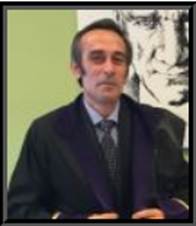
Dr. Bayram
ÇAĞLAR is an academic affiliated with Kocaeli University,
contributing to the field of social and human sciences through teaching and
research. His academic profile, available on the university’s AVESİS
system, highlights his involvement in scholarly publications, projects, and
interdisciplinary studies. His research interests primarily lie within social
sciences, reflecting a commitment to addressing contemporary societal issues
through academic inquiry. Over the course of his career, he has contributed to
various academic outputs, including publications and citations that
demonstrate his engagement with the research community. In addition to his
teaching responsibilities, he has been associated with institutional academic
activities and research initiatives. Through his work, Dr. Çağlar plays
a role in fostering knowledge production and supporting academic development
within his institution, contributing to the broader advancement of social
science research. |
|
|
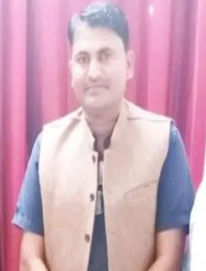
Dr. Nirpat Prasad Prajapati is a distinguished academician and
scholar in the field of Hindi literature, currently serving as Head of the
Department of Hindi and Research Director at the Institute of Excellence in
Higher Education, Bhopal. With a strong academic background, including a
Ph.D. focused on the poetry of Gajanan Madhav Muktibodh, he has made
significant contributions to literary research, particularly in areas such as
Dalit literature, social consciousness, and contemporary Hindi criticism. He
has qualified national eligibility tests like NET and SLET, reflecting his
academic excellence. Dr. Prajapati has authored several books and numerous
research papers published in reputed UGC Care and peer-reviewed journals. His
active involvement in seminars, academic projects, and content development
under NEP 2020 highlights his commitment to education and research. Through
teaching, research guidance, and scholarly publications, he continues to
contribute meaningfully to the advancement of Hindi literary studies.
|
|
|
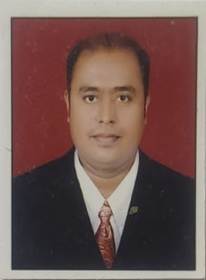
Dr. Vijay Suresh Karwande is an accomplished academician and
researcher in the field of Computer Science and Engineering with over 13
years of professional experience, including nearly 2 years in industry and
more than 11 years in teaching. He is currently serving as Head of the Department
(HOD) and Assistant Professor at Everest College of Engineering, Chhatrapati
Sambhajinagar. He holds a Ph.D. in Computer Science & Engineering along
with an M.E. in the same discipline, and has a strong academic foundation in
Information Technology. Dr. Karwande has contributed extensively to research with numerous publications in reputed journals and IEEE conferences, focusing on areas such as deep learning, machine learning, IoT, cloud computing, cybersecurity, and healthcare analytics. His Ph.D. work on sarcasm detection in tweets integrates deep learning with contextual handcrafted features. He has also actively participated in faculty development programs related to emerging technologies like AI, quantum computing, and cybersecurity. |
|
|
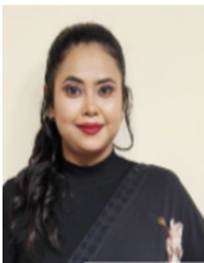
Dr. Noveena Chakravorty is an accomplished academician and
media professional, currently serving as an Associate Professor in the
Department of Journalism and Mass Communication at the School of Media and
Communication, Adamas University, Kolkata. With over 18 years of experience
in media academics and industry, she has built a strong foundation in
communication, film studies, and digital media. She holds a Ph.D. in
Journalism and Mass Communication with a specialization in Film Studies and
has completed her Master’s degree from Banaras Hindu University, along with
professional training from the Film and Television Institute of India. Her
research interests include cinema studies, social media, advertising, and
communication theories. Dr. Chakravorty has contributed extensively through
research publications, book chapters, and edited volumes with reputed
publishers. Beyond academia, she is also a filmmaker, voice artist, and
travel vlogger, with her works recognized in international film festivals. |
|
|
 This work is licensed under a: Creative Commons Attribution 4.0 International License
© ShodhKosh 2026. All Rights Reserved.