ShodhKosh: Journal of Visual and Performing ArtsISSN (Online): 2582-7472
|
|
Arts-Integrated Learning in School Education: Enhancing Creativity and Critical Thinking through Performing Arts
Dr. Pooja Singh
1
 ,
Dr. Virender Kumar Chandoria 2
,
Dr. Virender Kumar Chandoria 2 ,
Dr. Chetna Pandey 3
,
Dr. Chetna Pandey 3
 , Dr.
Shiny Bhardwaj 4
, Dr.
Shiny Bhardwaj 4 , Dr.
Pallavi 5
, Dr.
Pallavi 5 , Ritesh
Tomer 6
, Ritesh
Tomer 6
1 Assistant
Professor, College of Teacher Education, Nuh, Maulana Azad National Urdu
University, Telangana, India
2 Associate Professor, Department of Teacher Education, National
Council of Educational Research and Training, New Delhi, India
3 Associate
Professor, Department of Teacher Education, National Council of Educational
Research and Training, New Delhi, India
4 Academic Consultant, Central Institute of Educational Technology,
National Council of Educational Research and Training, New Delhi, India
5 Subject Matter Expert at PARAKH, NCERT, New Delhi, India
6 Assistant Professor, Mata Sundri College for Women, University of
Delhi, New Delhi, India
|
|
|
ABSTRACT |
|
|
Arts-Integrated Learning (AIL) is a new pedagogical method which is a combination of artistic expression and academic learning to improve student learning outcomes. This paper explores how AIL, which is performed through performing arts, can help the school students develop their creativity and critical thinking. The research design is a mixed-method design with a quasi-experimental approach that includes control and experimental groups, in order to compare the application of the traditional methods of teaching with the arts-based ones. The surveys were in the form of structured surveys, observation in the classrooms and semi-structured interviews were used to collect data that was analyzed by both statistical and thematic methods. The results indicate that students in performing art programs like drama, music and dance prove to have much more creativity, critical thinking, engagement and better academic performance, when compared to students in standard classes. Adoption of performing arts promotes experiential learning, active participation and enhancement of conceptual learning. Moreover, qualitative pieces of information also emphasize on the enhanced abilities of communication, cooperation, and the motivation of the learners within the setting of arts integration. The research also focuses on the importance of teachers and institutional facilitation in the successful implementation of AIL. Although it may seem that the limitations encountered, i.e., the lack of resources and training, the findings indicate that the methods of arts-integration approach can be quite successful in changing the traditional teaching methods into the dynamic and student-centered learning experiences. The study is one among the many that are supporting the notion of interdisciplinary and experiential education, especially in the context of modern educational changes. In general, the analysis has shown that Arts-Integrated Learning is an effective instrument to develop higher-order cognitive abilities and promote a holistic in school teaching. The long-term effects of impact assessment and incorporation of digital technologies into arts-based pedagogy are the directions of future research. |
|||
|
Received 12 January 2026 Accepted 23 March
2026 Published 03 April 2026 Corresponding Author Dr.
Virender Kumar Chandoria, chandoriakr@gmail.com DOI 10.29121/shodhkosh.v7.i3s.2026.7353 Funding: This research
received no specific grant from any funding agency in the public, commercial,
or not-for-profit sectors. Copyright: © 2026 The
Author(s). This work is licensed under a Creative Commons
Attribution 4.0 International License. With the
license CC-BY, authors retain the copyright, allowing anyone to download,
reuse, re-print, modify, distribute, and/or copy their contribution. The work
must be properly attributed to its author.
|
|||
|
Keywords: Arts-Integrated Learning, Performing Arts,
Creativity, Critical Thinking, Experiential Learning, Student Engagement,
School Education, Interdisciplinary Learning, Educational Innovation,
Teaching Effectiveness |
|||



1. INTRODUCTION
With the fast-paced dynamics of the new era in education, it is increasingly being acknowledged that the conventional pedagogical methods that largely focus on rote-based learning and standardised testing are no longer entirely adequate to equip students to meet the multidimensional demands of the 21 st century. Current education systems are more focused on higher-order thinking, especially creative and critical thinking, as a competence that is essential to innovation and problem-solving as well as lifelong learning. In this regard, Arts-Integrated Learning (AIL) has become a revolutionary learning process, which combines artistic practices with academic knowledge to promote student interaction and intellectual growth. Art-integration is a cross-curricular pedagogical approach that utilises various aspects and forms of art and culture as the basis for learning concepts across subjects. As a part of the thrust on experiential learning, art-integrated education will be embedded in classroom transactions, not only for creating joyful classrooms but also for imbibing the Indian ethos through the integration of Indian art and culture in the teaching and learning process at every level. NEP (2020). Art education gives all students adequate opportunities to openly express their ideas and feelings through a variety of art forms. When students create artwork together and work collaboratively, they recognise one another's strengths and develop deeper connections with the world around them. Such a process nurtures empathy, appreciation, cooperation, and trust, all of which are fundamental for developing social and human values, such as, Ahimsa, love, compassion, friendship, and peaceful co-existence National Council of Educational Research and Training (2023). Arts-Integrated Learning is a teaching and learning approach in which performing and visual arts are systematically introduced into the curriculum across the subjects (drama, music, dance, story, etc.). As opposed to the old fashioned arts education which sees art as a distinct study, AIL integrated artistic expression in the basic subjects such as science, mathematics, and social studies. The interdisciplinary practice allows the students to study ideas in more than one way, thus encouraging more profound learning and significant learning experiences Başaran and Bay (2023). In this case, especially in the field of performing arts, they are important in facilitating experiential and participatory learning. Role-play, theatrical performances, musical performances, and dance interpretations are examples of activities that help students to focus on content instead of passively receive it. The approaches facilitate imagination, emotional intelligence, and teamwork among learners. Engaging cognitive and affective domains, performing arts build an engaging learning climate that fosters creativity and, at the same time, develops the ability to analyze and evaluate.
Creativity, which is defined as the capacity to derive new and useful ideas is becoming one of the vital skills in education and career. Likewise, critical thinking, which is the ability to interpret, judge, and connect information, allows the learner to make sound decisions and address complicated issues. Studies have indicated that arts-based pedagogies play a major role in developing these skills through the promotion of exploratory learning, problem-based learning and reflective thought, which these methods promote open-ended exploration. As an example, the critical analysis of various perspectives can be promoted by dramatizing historical events when students write about science, whereas the creation of music or choreography can be encouraged by creative thinking. Experiential, multidisciplinary, and arts integrated methods of learning have been vociferously promoted by initiatives like the National Education Policy (NEP) 2020 in the Indian educational environment. The policy highlights how arts should be combined as an element of encouraging creativity, cultural sensitivity and comprehensive growth amongst students. There is a growing interest among schools in AIL strategies in order to develop interesting classrooms that appeal to different learning styles and intelligences. Nevertheless, systematic studies are still required even after these improvements to determine the usefulness of arts-integrated learning to promote creativity and critical thinking, especially with the use of performing arts. This research is meant to fill this gap by exploring how performing arts based AIL influenced the cognitive and creative skills among school students in the educational process. The study is aimed at learning the role played by organized incorporation of drama, music and dance in classroom learning and how it affects the learning in students. It is also aimed at comparing the traditional pedagogical practices with arts-based teaching models to determine their comparative capability in promoting the desiredness of the 21 st century skills. The importance of this study is that it may be relevant to education policy, curriculum, and instruction. The study will assist educators and policymakers to come up with new and creative educational systems by offering them empirical data on the role of arts-integrated learning in enhancing learning. Moreover, it explains the importance of performing arts, not only as the extracurricular activity but also as the potent instrument to boost academic learning and cognitive growth Gerber et al. (2024)Ghukasyan and Gevorgyan (2020).
The world education systems are changing at a huge pace due to the changing needs of the 21 st century. Conventional methods of teaching where major focus is placed on memorizing facts and standardized testing is increasingly being challenged due to its failure to bring about the much needed skills in creativity, critical thinking, teamwork and problem solving. With the increased knowledge-based and innovation-driven nature of the economies, there is the increased demand of the educational practices that foster the development that is holistic in nature and one that imparts the learners with those competencies that enable them to face the real-world complexity in ways that are most likely to prove to be effective. Arts-Integrated Learning (AIL) has become one of the innovative pedagogical strategies in this scenario by combining artistic procedures with the theoretical learning to promote learning outcomes. AIL is based on the interdisciplinary and experience learning theories, in which students are actively involved in building knowledge by being creative. In contrast to traditional arts education where in most cases art is regarded as a separate subject Hagenauer et al. (2021). AIL incorporates artistic aspects like drama, music, dance and storytelling in primary academic subjects. This integration allows the learners to study in many angles and hence learners gain more knowledge and information on what they are learning. In particular, performing art is important in creating the active and participatory learning environments. Other activities, including role-playing, theatrical performances, musical performances, and movement-based presentations, can prompt the students to engage with the contents in a matter of significance. These approaches exercise the imagination, encourage emotional involvement and stimulate cooperation in learning. Educational psychology research proposes that this type of experiential kind of learning is not only beneficial in cognitive development, but also in social and emotional learning which makes education more inclusive and involving Howard et al. (2021)Huber and Helm (2024).
The significance of creativeness and critical thinking in education has gained popularity in the policy frameworks today. Through creativity, a person will be able to come up with innovative ideas and adjust to new conditions, whereas critical thinking will help him/her analyze the information, compare options, and make a sound decision. But even in traditional classroom practice there are usually limited chances given to students to acquire these skills. The arts-integrated learning can seal this gap by promoting open-ended inquiry, reflective learning, problem-based learning thus promoting both creative and analytical skills at the same time. Educational reforms, including the National Education Policy (NEP) 2020, in the Indian context have been rather vocal in supporting the introduction of arts in the mainstream education. There is a growing trend toward schools implementing new teaching methods that no longer emphasize textbook teaching and introduce students to significant learning opportunities. Even though there are these policy initiatives, the adoption of arts-integrated learning in schools has occurred inconsistently, and very little empirical studies have assessed its effectiveness, especially with regards to performing arts. Besides, the current studies tend to concentrate on a certain art form or a particular age group and not much has been done to examine the overall effect of performing arts on creativity and critical thinking Lewandowska and Węziak‑Białowolska (2020). It is also important to investigate the comparisons of arts-integrated method with traditional teaching methods in the context of learning outcomes that can be measured. Also, variables like the preparedness of the teachers, institutional support and availability of resources are well provided in successful AIL implementation, but still, these issues are not well covered by existing literature. Thus, this paper will be placed in the wider perspective of educational innovation and will help to explore the importance of performing arts in terms of developing essential cognitive skills among school children. Through the structured investigation of arts-integrated learning and its results, the study also aims to make a contribution to the creation of the effective pedagogical frameworks that can be used within the modern educational perspectives. It also attempts to curb the discrepancy between policy advice and classroom procedures by providing empirical data on the use and effect of AIL Lewandowska and Węziak‑Białowolska (2023).
2. Review of existing studies
Arts-Integrated Learning (AIL) has been a topic of high interest over the last several years as a new form of pedagogical teaching that allows closing the gap between cognitive development and creative creativity. The introduction of performing arts to mainstream education has been highly researched to have an effect on improving creativity, critical thinking, engagement, and holistic learning outcomes. This section examines the major theoretical points of view, as well as the recent empirical research on the topic of the arts-integrated learning and its impact on school education. Constructivist learning theories, espoused by Piaget and Vygotsky, are theoretically related to the beginning of AIL, as they focus on active learning and social interaction, as well as the construction of knowledge based on experience. The Theory of Multiple Intelligences developed by Howard Gardner is yet another theory that reinforces the idea of arts in education by bringing up the various modalities of learning, such as musical, bodily-kinesthetic, and interpersonal intelligences. All these frameworks promote interdisciplinary and experiential teaching approaches, as performing arts are considered to be effective teaching tools to acquire knowledge and develop skills Lewandowska and Węziak‑Białowolska (2023).
Recent research has delved into the use of performing arts to improve the different facets of student learning. Scholars have discovered that drama and role-play play a role in enhancing comprehension, retention, and verbal communication in the classroom. Equally, learning through music has been linked to better memory, recognition of patterns as well as emotional involvement. Pedagogy centered on dance and movement has demonstrated good results in regard to spatial awareness, coordination, and collaborative learning. Moreover, some of the studies point to the importance of arts as a way of enhancing creativity and critical thinking. Activities based on arts promote diverse thinking, solving problems, and analysis. Indicatively, students who are involved in theatrical performances tend to have better analytical skills in terms of interpreting characters and narratives. Similarly interdisciplinary projects involving arts and science or mathematics have been found to improve conceptual clarity and innovation Lee et al. (2020).
Table 1
|
Table 1 Review of Existing methods |
||
|
Methodology |
Key Findings |
Limitations |
|
Experimental Study [11] |
Drama-based learning improved critical thinking
skills by 28% |
Limited sample size |
|
Survey + Case Study [12] |
Arts integration enhanced student engagement and
creativity |
Context-specific results |
|
Mixed Methods [13] |
Music-integrated teaching improved memory
retention and comprehension |
Lack of long-term analysis |
|
Quasi-Experimental [14] |
Dance-based pedagogy improved collaboration and
problem-solving skills |
Limited subject coverage |
|
Qualitative Study [15] |
Role-play activities enhanced communication and
analytical thinking |
Subjective assessment |
|
Comparative Study [16] |
AIL classrooms showed higher academic performance
than traditional methods |
Small geographic scope |
Although the body of literature has been growing, there is still a series of gap in the research that has been done as demonstrated in the Table 1. To begin with, most of the research work is geared towards individual arts and not on a holistic approach to performing arts included in the curriculum. Second, little empirical research has been done to compare the traditional method of teaching with the arts-integrated one in a systematic and quantifiable way. Third, the majority of studies are not highly dedicated to simultaneous progression of creativity and critical thought, and they tend to consider them as two distinct notions. Also, the research carried out in the context of the Indian school education is limited, especially when it comes to the correspondence with the recent policy frameworks, including NEP 2020. It is also necessary to investigate further the role of the teachers, institutional preparedness and curriculum flexibility in the implementation of AIL. By filling these gaps, it would be necessary to come up with a powerful framework to be used as the basis of practical application of arts-integrated learning in schools.
3. Conceptual Framework
The theoretical model of this paper is aimed at demonstrating how the inclusion of the performing arts into school education leads to the attainment of creativity and critical thinking in students. It offers a systematic insight on the connections among pedagogical actions, learning and cognitive results. The paradigm focuses on the significance of the arts-integrated learning (AIL) as the mediated strategy that converts the conventional teaching strategies into the interactive, experiential, and student-centered forms of learning. The model of performing arts assimilation in the curriculum is grounded on the interdisciplinary fusion of the academic disciplines with the artistic practices including drama, music, and dance. In this model, performing arts are not viewed as separate subunits but are integrated in the major disciplines to increase conceptual knowledge. As an example, the history can be explained with the help of theatrical performances, science can be discussed in terms of rhythmic patterns or music, and mathematics can be discussed in terms of movement-based activities. The integration facilitates active learning, experiential learning, and contextual learning and lets the students relate the theoretical knowledge with the real-life application. The teacher is also a key element of the model in which teachers will be observed as facilitators who can create innovative learning activities and promote cooperative learning amongst the learners. The connection between arts, creativity and thinking critically is the major axis of the framework. The thing is, the performing arts provoke creativity, promoting imagination, originality, self-expression. Role-playing, improvisation, and storytelling activities would demand students to be able to think divergently and come up with innovative ideas. Meanwhile, these activities foster critical thinking as they stimulate the analysis, interpretation, and evaluation of situations, characters, and results. As an illustration, when students do dramatizing a social issue they should analyze various positions, assesses outcomes, and create meaningful stories. Therefore, creativity and critical thinking are not two independent skills, but two related processes that are acquired simultaneously during learning activities based on arts.
The conceptual framework of the arts-integrated learning suggests the AIL as a dynamic system that has three main elements: the input factors, the process mechanisms, and the learning outcomes. Curriculum design, teacher competencies, institutional support and the availability of resources are the input factors. These inputs have a role to play in the process mechanisms which include implementation of performing arts-based teaching methods including collaborative performances, interactive workshops and experiential activities. It is the process stage, which is active, reflects on learning as well as peer interaction, as these contribute to the learning process. The processes of the given framework are observed in the evidences of the improved creativity, the development of the critical thinking skills, the improvement of the academic performance, and the growth of student motivations and interests. In addition, the framework recognizes the moderating factors that include classroom environment, diversity of students and integration of technology. Creation of supportive settings and digital tools can enhance the results of learning that involves arts because it offers new avenues through which creative expression can occur, including online performances and multimedia narratives. On the other hand, the resources or teacher training may be a setback to the implementation of AIL strategies.
Figure 1
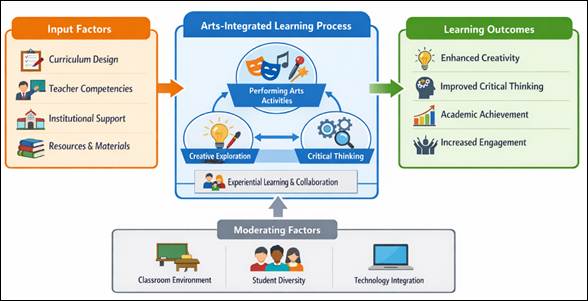
Figure 1 Conceptual Framework for Arts – Integrated Learning
Figure 1 conceptual framework demonstrates that Arts-Integrated Learning (AIL) improves the creativity and critical thinking of students in an organized process. It starts with such input factors as curriculum design, teacher competencies, institutional support and availability of resources. These inputs make it possible to realize AIL in the classrooms. This is mainly Arts-Integrated Learning Process, which involves teaching through the use of performing arts activities (drama, music, dance). In this way, students are involved in the creative exploration and critical thinking and are backed up with the help of the experience and cooperation. The result is learning outcomes such as improved creativity, improved critical thinking, improved academic performance and student engagement. Moreover, such moderate factors as classroom environment, student diversity, integration of technology determine the effectiveness of the overall process. The framework indicates that the inclusion of performing arts in education provides an interactive process of learning, which enhances the creative and analytical skills.
4. Research Methodology (Detailed Explanation)
The current research paper follows a mixed-method research design in order to thoroughly investigate the effects of the Arts-Integrated Learning (AIL) with the use of performing arts on the creativity and critical thinking of students. Mixed-method approach is selected because it is supposed to embrace the advantages of quantitative and qualitative research to allow the study to include measurable learning results and experiential data of the participants. The study takes the quasi experimental design in which two groups are compared and these include control and experimental groups and the study aims at evaluating the effectiveness of arts- integrated teaching in comparison with the traditional instruction methods.
1) Research
Design and Approach, Sampling Techniques
The study design is founded using a pre-test non-equivalent group design and post-test. Under this method both the experimental and the control groups are tested in pre-intervention and the post-intervention. Experimental group undergoes arts-based learning activities involving performing arts comprising of drama, music, and dance and the control group carries on with lecture-based teaching. Such a design can be used to measure the changes on creativity and the level of critical thinking that can be attributed to the intervention. The study is comparative and explanatory because it not only seeks to establish differences between the two groups but also to explain how and why arts-integrated learning would have an effect on the performance of students. The intervention normally takes a period of 6-8 weeks which is sufficient to expose the participants to the instructional strategies in performing arts. The sampling approach that will be used in the given study is the stratified random sampling technique, which guarantees the sample is representative in terms of academic levels and demographic backgrounds. It is made up of middle and secondary school students. The sample will take the form of two groups:
· Experimental Group: Students exposed to Arts-Integrated Learning
· Control Group: Students taught using traditional methods
The average sample population would be between 60 to 120 students, and it would be balanced between the two groups in order to achieve statistical balance. Also, the secondary participants are teachers and school administrators who will be involved in the implementation process to offer qualitative data on the process. The criteria of inclusion make sure that the participant is of comparable academic backgrounds and their baseline levels of performance are comparable as well. Ethical issues like informed consent and confidentiality, and voluntary involvement are adhered to.
2) Data
Collection Tools and Instruments, Data Analysis Methods
The instruments used in the study are several in order to provide a total collection of data:
1) Structured Questionnaires and Surveys: Surveys and Questionnaires: There are standardized measures of creativity and the level of critical thinking. These contain Likert-scale questions which evaluate factors like the ability to generate ideas, problem-solving capacity, analytical thinking and originality. Both groups are subjected to pre-test and post-test survey.
2) Classroom Observations: Systematic observation method is applied to document behavior of students, level of engagement, level of participation, collaboration and interaction of students during their learning processes. Checklists of observation are created such that they are consistent and objective.
3) Semi-Structured Interviews: The interviews will be carried out with the chosen students and teachers to obtain the qualitative information regarding the experiences they had with arts-integrated learning. These interviews are intended on the perceived benefits, challenges, and general effectiveness of performing arts in education.
4) Performance-Based Assessment: The creative works of students, including role-plays, musical pieces, and group plays among others, are subject to evaluation in terms of creativity, originality and critical interpretation through the use of rubrics.
Triangulation of evidence is guaranteed by the use of various tools which makes the research results more valid and reliable. The gathered data are interpreted with the help of quantitative and qualitative methods. Quantitative Analysis: The comparison of results between control and experimental groups with regard to pre-test and post-test scores is done using statistical analysis (descriptive statistics (mean, standard deviation) and inferential statistics (t-test, ANOVA)). Such techniques can be used to define the level of statistical significance of the observed differences. Qualitative Analysis: Thematic analysis is applied to the data of the observations and interviews. The main themes, like engagement of students, improvement of their creativity, collaboration, and effectiveness of teaching, are identified and explained. The responses are coded and the results are obtained to provide meaningful insights. Checks on Reliability and Validity: Cronbachs alpha is used to determine the reliability of instruments used in the survey and the content validity is checked by using expert review. The finding of triangulation of data sources also makes the data much more credible.
The researchers of the study follow the ethical research standards, such as the informed consent of participants, their anonymity and confidentiality, and the ability of participants to withdraw at any point. The study is carried out in a way that will not interfere with normal classroom work. The methodology of the research is based on integration of experimental comparison with multi-source data collection and rigorous analysis methods to test the efficiency of Arts-Integrated Learning. The quantitative and qualitative methodology are merged to give a comprehensive view of the role of performing arts in school education in terms of creativity and critical thinking.
5. Implementation of Arts-Integrated Learning
Arts-Integrated Learning (AIL) within school education needs to be a systematic effort to make the curriculum design, teaching methods, classroom activities, and institutional support compatible. This section explains the way in which performing arts can be successfully integrated into the process of teaching-learning in order to increase the level of creativity and critical thinking among the students. The curriculum model of arts-integrated learning is designed in such a way that it incorporates performing arts into the mainstream academic education instead of regarding them as disciplines. This is interdisciplinary in that the learning goals in various fields like science, mathematics and social studies will be met through creative expression and experiential learning. The methods of teaching are aimed at students with the emphasis on their active participation, active learning as a result of inquiry, and problem-solving. An example has been scientific concepts, which can be taught based on musical rhythms or dramatized experiments, and historical events, which can be researched and examined as theatrical performances. The lesson plans are created with explicit learning outcomes that combine both the academic content and artistic skills to create a whole learning experience.
The activities that occur in classrooms are critical towards the successful implementation of AIL. Interactive tools are performed arts like drama, music, and dance that are used to enhance the comprehension of concepts. Such activities as a role-playing, storytelling, and simulations, founded on drama allow students to analyze, examine different points of view, and communicate better. The music based learning requires composing songs, rhythm patterns, or incorporation of lyrics to describe complex issues that leads to better memory and engagement. The kinesthetic and group learning Dance and movement activities enable students to make abstract ideas concrete and encourage cooperative learning. Such activities do not only ensure that learning is made more interesting but also, promote creativity, teamwork, and self-expression among students. The teachers play the pivotal role in the successful implementation of arts integrated learning. Teachers are facilitators, guides, and creators of imaginative learning processes as opposed to just transmitters of knowledge. Their role involves scheduling and implementing of interdisciplinary lessons, promoting student engagement, and establishing an inclusive and accommodating classroom atmosphere. Professional development and training programs are necessary to provide the teachers with the relevant skills required in the process of integrating performing arts in teaching. Also, educators need to implement more adaptable forms of assessment that would test both academic knowledge and creativity.
It is also necessary to have institutional backing to the sustenance of the arts-integrated learning programs. The schools must have the sufficient resources in terms of space, materials and time to carry out performing arts activities. The role of administrative assistance in policy implementation, curriculum adaptation and promotion of innovative teaching actions is critical in the successful adoption. Additionally, they can consider recruiting the artists, cultural organizations, and community stakeholders to add their representations to the learning process and expose the students to the real world. The methods of technological integration, including digital storytelling and virtual performances, can also be used to increase the extent and efficacy of arts-based education. Arts-Integrated Learning implementation demands a well-coordinated action that includes curriculum innovation, creative teaching methods, active classroom practices and institutional support. Once properly implemented, it will turn the conventional classes into a dynamic learning environment where creativity and critical thinking can be developed.
6. Data Analysis and Results
This part will provide the discussion of the data gathered to know whether Arts-Integrated Learning (AIL) is effective in improving creativity and critical thinking among the students. The research is a comparison between the performance of the students that were exposed to the traditional method of instruction (control group) and those that were exposed to the performing arts-based learning (experimental group). The findings are interpreted by both quantitative and qualitative methods.
1) Descriptive
Statistics and Mean Comparison
Creativity and critical thinking post-test and pre-test scores were compared to evaluate the progress in both the groups. The findings show that there is a significant difference of the mean scores of the experimental group and the control group.
Table 2
|
Table 2 Mean Scores Comparison |
||
|
Variable |
Control Group (Mean) |
Experimental Group (Mean) |
|
Creativity Score |
65.2 |
82.6 |
|
Critical Thinking Score |
68.4 |
85.1 |
|
Academic Performance |
70.3 |
88.2 |
It can be seen that the experimental group demonstrates a visible improvement on all variables, which implies that arts-integrated learning has a positive impact on the performance of students.
2) Inferential
Analysis
An independent sample t-test was also used to ascertain the statistical significance of the observed differences. The findings demonstrated that the differences in the scores of creativity and critical thinking between the two groups are statistically significant (p < 0.05). This proves the fact that there is measureable effect of the use of performing arts-based teaching strategies on cognitive development.
3) Graphical
Representation of Results
Figure 2

Figure 2 Mean Comparison of Creativity and Critical Thinking
Figure 2 of this paper provides a bar chart comparing the results of the mean scores of both control group and experimental group, thus demonstrating that the experimental group is much higher in terms of performance with respect to creativity and critical thinking. The difference between the visually presented bars ascertains the effectiveness of AIL in enhancing the higher-order thinking skills.
Figure 3
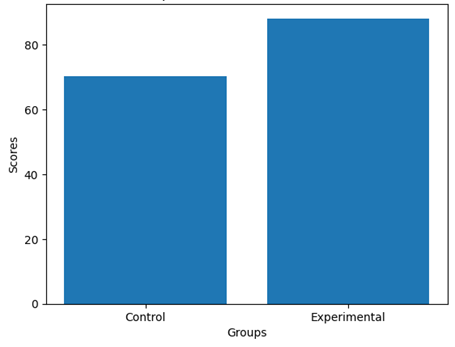
Figure 3 Academic Performance Improvement
In Figure 3, it is important to note that the scores of academic performance of students who were exposed to arts-integrated learning increased. The trend is showing that innovations in the teaching processes not only boost the cognitive processes but also lead to improved performance.
Figure 4
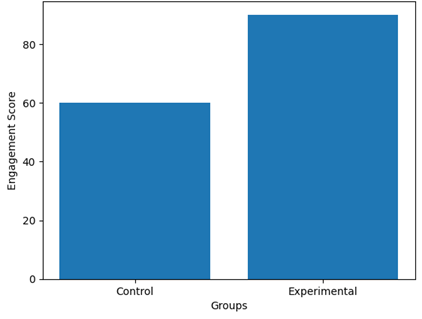
Figure 4 Student Engagement Levels
A comparative graph in Figure 4 of the level of student engagement shows that students who are allowed to engage in performing art activities demonstrate better levels of interest, participation and collaboration than those in traditional classrooms.
4) Qualitative
Analysis
The qualitative data obtained due to observing the classroom and conducting interviews give additional information on the effect of AIL. The students that were in the experimental group had a better enthusiasm, active participation and communication skills. According to the teachers, activities involving arts provided a more inclusive and interactive classroom setting, which allowed students to express their ideas freely and think critically. Also, students demonstrated increased confidence and cooperation when working in the groups like role-play and performances.
5) Discussion
of Results
In this study, the results are clearly stated that Arts-Integrated Learning is highly effective in increasing the level of creativity and critical thinking, and academic performance as a whole. The incorporation of performing arts into the classroom instruction encourages the experiential approach to the learning process that results in knowledge acquisition and increased retention. The findings also indicate the relevance of interactive and student-centered pedagogy in contemporary education.
7. Discussion and Implications
This study has produced strong evidence to support the claim that Arts-Integrated Learning (AIL), specifically, performing arts, has a positive effect on student creativity, critical thinking, academic performance, and engagement among students, which is significant. The findings of the quantitative and qualitative study show that, students who undergo arts-integrated pedagogical models perform better than students in the traditional learning set-ups. This follows the constructivist theories of learning that incorporate active learning, experience-based learning and building of knowledge by interaction and creativity. Among the main conclusions that the study has made is that there is a lot of connection between the acquisition of higher-order thinking and the performing arts activities. Drama, music, and dance activities motivate students to look at the concepts in different perspectives, analyse situations, and bring out ideas in a creative way. This does not only boost the divergent thinking but also boosts analytical thinking and problem solving skills. The awakening of creativity and critical thinking in the experimental group proves that arts-based learning provides a more stimulative and thought-provoking learning experience.
Student engagement is also mentioned as a mediating factor that is important in the study. Greater indications of engagement in arts-integrated classrooms imply that interactive and participatory forms of teaching are very beneficial in enhancing interest and motivation among students. Active learners will have a higher probability of being able to remember information, engage in the discussion, and cooperate with other learners. This kind of interest eventually leads to better academic results which can be seen in the results. Pedagogically, the results are a call to change the teacher-centered instructional approach to a student-centered one and an experiential model of learning. The inclusion possibilities of the arts-integrated teaching strategies are in the fact that they can accommodate different types of learning styles and intelligences. They allow teachers to design experiences of learning that go beyond the textbook lessons and thus they promote holistic learning among students. This study has implications on the policy and curriculum development in the field of education. According to the modern trends in education reform, including the National Education Policy (NEP) 2020, the importance of the integration of arts into mainstream education must be planned to be carried out within schools. The policy makers must think of integrating the arts into the curriculum, assessment, and teacher training. The adoption of AIL requires institutional support in terms of infrastructure, resources, and administrative support in order to be successful.
Moreover, the teacher preparedness can be seen as a very important element in the successful practice of arts-integrated learning. Workshops and professional development programs should be developed in such a way that the teachers should be provided with the knowledge needed to incorporate performing arts into their classroom instruction. Cooperation with artists, cultural institutions, and technology solutions may also be used to make the quality and access of arts-based education even better. In spite of the positive results of AIL implementation, there are some challenges, too. These are scarcity of resources, untrained academicians, time limits in inflexible curriculums and unwillingness to change in the traditional learning environments. It is a collaborative effort by teachers, administrators and policymakers to ensure that these challenges are overcome in order to establish a favorable environment to enable innovation in teaching and learning. It has been highlighted in the discussion that Arts-Integrated Learning is not just a different teaching approach, but a transformational one that improves cognitive as well as creative abilities of pupils. It can potentially transform the methods of classroom activities and help to create well-rounded individuals who possess the necessary skills of the 21st century.
8. Conclusion and Future Work
This paper discussed how Arts-Integrated Learning (AIL) especially performing arts can be used to improve the level of creativity and critical thinking in school students. The results of the studies clearly identify that incorporation of artistic activities in learning-teaching process (drama, music and dance) enhance the cognitive skills, the level of engagement, and the academic achievement of students greatly. Arts-integrated teaching produces a more interactive, experiential and student-centered learning environment, which allows the development of creative expression and analytical thinking, compared to traditional teaching methods. The findings of the research support the fact that performing arts are effective pedagogical tools that make the difference between theoretical and practical knowledge. AIL promotes the whole process of developing students through active participation, collaboration, and reflective learning. The enhancing creativity and critical thinking point to the efficiency of interdisciplinary approaches to learning in developing the much-needed 21st-century skills. Moreover, the research supports the relevance of implementing educational practices in accordance with the most recent policy frameworks focusing on experiential and multidisciplinary learning.
The research has some weaknesses, despite its contributions. The study was carried out in a sample and a certain setting and this could limit the extrapolation of the results. Also, the length of the intervention was not that long, and the long-term effects of arts-integrated learning were not thoroughly studied. Additional resource, training, and institutional issues are also possible factors affecting the implementation and results of AIL to various educational settings. This study can be expanded by future studies focusing on how arts-integrated learning has long-term consequences on the development of students in various educational settings. A larger and more diversified sample would give more information on how effective it is in different areas, age groups, and disciplines. The future research on the use of digital technologies, including virtual reality, multimedia, and online collaborative platforms, can broaden the field of arts-based education and make it more accessible. In addition, future research might be directed at creation of standardized assessment systems to evaluate creativity and critical thinking in arts-integrated setting in a more productive way. Investigations into the teacher training models and institutional preparedness will also be important in the provision of sustainable implementation of AIL. Interdisciplinary co-operations between teachers, artists and technologists may result in new teaching practices and increased learning experiences.
CONFLICT OF INTERESTS
None.
ACKNOWLEDGMENTS
None.
REFERENCES
Başaran, M., and Bay, E. (2023). The Effect of Project‑Based STEAM Activities on the Social and Cognitive Skills of Preschool Children. Early Child Development and Care, 193(5), 679-697. https://doi.org/10.1080/03004430.2022.2146682
Gerber, B. L., Guay, D. M., and Burnette, J. (Eds.). (2024). Reaching and Teaching Students with Special Needs Through Art (2nd ed.). Taylor & Francis Group.
Ghukasyan, L. E., and Gevorgyan, E. S. (2020). Creative Work as a Method of Correction of the Psychoemotional State in Pupils of High School. Proceedings of YSU B: Chemical and Biological Sciences, 54(2), 154-158. https://doi.org/10.46991/PYSU:B/2020.54.2.154
Hagenauer, G., Wallner‑Paschon, C., and Kuhn, C. (2021). Austrian Students' Experiences of Supportive Relationships with Teachers, Peers, and Parents and the Mediating Effect of School Belonging. Zeitschrift für Bildungsforschung, 11(1), 93-116. https://doi.org/10.1007/s35834-021-00300-y
Howard, J. L., Bureau, J. S., Guay, F., Chong, J. X. Y., and Ryan, R. M. (2021). Student Motivation and Associated Outcomes: A Meta‑Analysis from Self‑Determination Theory. Perspectives on Psychological Science, 16(6), 1300-1323. https://doi.org/10.1177/1745691620966789
Huber, M., and Helm, C. (2024). The Sense of Security and Comfort in Education-Development, Validation, and Interpretation of a New Questionnaire. Education Sciences, 14(11), 1162. https://doi.org/10.3390/educsci14111162
Lee, B. K., Enciso, P., and Brown, M. R. (2020). The Effect of Drama‑Based Pedagogies on K-12 Literacy‑Related Outcomes: A Meta‑Analysis of 30 Years of Research. International Journal of Education & the Arts, 21(30).
Lewandowska, K., and Węziak‑Białowolska, D. (2020). The Impact of Theatre on Empathy and Self‑Esteem: A Meta‑Analysis. Creativity Research Journal, 32(3), 237-245. https://doi.org/10.1080/10400419.2020.1821553
Lewandowska, K., and Węziak‑Białowolska, D. (2023). The Impact of Theatre on Social Competencies: A Meta‑Analytic Evaluation. Arts & Health, 15(3), 306-337. https://doi.org/10.1080/17533015.2022.2130947
Li, G., Li, Z., Wu, X., and Zhen, R. (2022). Relations Between Class Competition and Primary School Students' Academic Achievement: Learning Anxiety and Learning Engagement as Mediators. Frontiers in Psychology, 13, 775213. https://doi.org/10.3389/fpsyg.2022.775213
Martínez‑Gregorio, S., Tomás, J. M., and Oliver, A. (2023). A Psychometric Study of the Prosocial Behavior Scale: Differential Item Functioning by Gender. Behavioral Sciences, 13(3), 259. https://doi.org/10.3390/bs13030259
Martinsone, B., and Žydžiūnaite, V. (2023). Teachers' Contributions to the School Climate and Using Empathy at work: Implications from Qualitative Research in two European Countries. Frontiers in Psychology, 14, 1160546. https://doi.org/10.3389/fpsyg.2023.1160546
Ministry of Education. (2020). National Education Policy 2020. Government of India. https://www.education.gov.in/sites/upload_files/mhrd/files/NEP_Final_English_0.pdf
National Council of Educational Research and Training. (2023). National Curriculum Framework for School Education. NCERT, Government of India. https://www.ncert.nic.in/pdf/NCFSE-2023-August_2023.pdf
OECD. (2024). Social and Emotional Skills for Better Lives: Findings from the OECD Survey on Social and Emotional Skills 2023. OECD Publishing. https://doi.org/10.1787/35ca7b7c-en
Pratiwi, S. R., Sukmayadi, Y., and Nugraheni, T. (2023). Art Learning for Children as a Social Emotional Learning Program. Jurnal Obsesi: Jurnal Pendidikan Anak Usia Dini, 7(5), 5883-5894. https://doi.org/10.31004/obsesi.v7i5.5227
Yadav, M. V., Zalawadia, M. M., and Gurav, M. P. (2025). Comprehensive Real‑Time Fraud Detection Pipeline for Banking Using Behavioral Analytics and Adaptive Learning. International Journal of Advanced Computer Engineering and Communication Technology (IJACECT), 14(2), 18-25. https://doi.org/10.65521/ijacect.v14i2.961
|
|
 This work is licensed under a: Creative Commons Attribution 4.0 International License
© ShodhKosh 2026. All Rights Reserved.