ShodhKosh: Journal of Visual and Performing ArtsISSN (Online): 2582-7472
|
|
Visual Storytelling and Consumer Engagement: A Strategic Marketing Perspective on Digital Media and Brand Communication
Krishna Kumar TP 1
 ,
Dhanya Nair 2
,
Dhanya Nair 2 ,
Dr. Sarita Agarwal 3
,
Dr. Sarita Agarwal 3 ,
Dr. Kanaka Durga Hanumanthu 4
,
Dr. Kanaka Durga Hanumanthu 4 ,
Dr. Rajidi Rammohan Reddy 5
,
Dr. Rajidi Rammohan Reddy 5 ,
Dr. Anitha G 6
,
Dr. Anitha G 6
1 Professor
and Head, Nehru School of Management, NCERC, Pamapadi, Thiruvilwamala,
Thrissur, Kerala, India
2 Assistant
Professor, Nehru School of Management, NCERC, Pamapadi, Thiruvilwamala,
Thrissur, Kerala, India
3 Assistant Professor, School of
Business-MBA, Indira University, India
4 Assistant Professor, KL Business
School, Koneru Lakshmaiah Education Foundation, India
5 Associate Professor, Trinity College
of Engineering and Technology, Peddapalli, Telangana – 505172, India
6 Associate Professor, Maharaja Agrasen
Institute of Management Studies, New Delhi 110086, India
|
|
|
ABSTRACT |
|
|
In the rapidly
evolving digital landscape, visual storytelling has emerged as a strategic
tool for enhancing consumer engagement and brand communication. This study
examines the impact of visual storytelling on consumer engagement and brand
outcomes by proposing an integrated model linking storytelling, digital media
characteristics, engagement, and brand performance. Using a quantitative
approach, data were collected from active social media users through
structured questionnaires. The findings indicate that visual storytelling
significantly enhances cognitive, emotional, and behavioural engagement. In
turn, consumer engagement positively influences brand image, brand loyalty,
and perceived value, confirming its mediating role. Additionally, digital
media characteristics such as interactivity and content format strengthen the
effectiveness of storytelling. The results highlight that storytelling-driven
visual content is more effective than traditional informational content in
capturing attention and building meaningful brand relationships. The study
contributes by providing a comprehensive framework and offers managerial
insights emphasizing the use of emotion-driven narratives and interactive
digital platforms for improved marketing effectiveness. |
|||
|
Received 23 January 2026 Accepted 27 March
2026 Published 03 April 2026 Corresponding Author Krishna
Kumar T. P, tpk683@gmail.com DOI 10.29121/shodhkosh.v7.i3s.2026.7352 Funding: This research
received no specific grant from any funding agency in the public, commercial,
or not-for-profit sectors. Copyright: © 2026 The
Author(s). This work is licensed under a Creative Commons
Attribution 4.0 International License. With the
license CC-BY, authors retain the copyright, allowing anyone to download,
reuse, re-print, modify, distribute, and/or copy their contribution. The work
must be properly attributed to its author.
|
|||
|
Keywords: Visual Storytelling, Consumer Engagement, Digital
Marketing, Brand Communication, Social Media |
|||



1. INTRODUCTION
The rapid evolution of digital technologies has fundamentally transformed the landscape of marketing, shifting traditional communication models toward more interactive, data-driven, and consumer-centric approaches. The emergence of digital and social media platforms has enabled brands to engage with consumers in real time, fostering dynamic relationships that extend beyond transactional interactions. As highlighted by Dwivedi et al. (2021), digital media has redefined marketing strategies by integrating technological innovation with consumer engagement, thereby creating new opportunities for personalized and immersive brand experiences.
Within this evolving digital ecosystem, visual storytelling has emerged as a powerful strategic tool for brand communication. Storytelling allows brands to convey complex messages in a compelling and relatable manner, facilitating deeper emotional connections with consumers. Woodside et al. (2008) emphasize that storytelling is central to how consumers interpret brand narratives, as it enables the co-creation of meaning between brands and their audiences. Additionally, narrative processing plays a crucial role in shaping consumer perceptions and attitudes, as individuals tend to engage more deeply with stories than with purely informational content Escalas (2004). The effectiveness of storytelling is further reinforced by the transportation-imagery framework, which suggests that immersive narratives can significantly influence consumer attitudes and behaviours van Laer (2013), Green and Brock (2000).
At the same time, consumer engagement has become a critical determinant of marketing success in highly competitive and digitally connected markets. Engagement reflects the depth of consumers’ cognitive, emotional, and behavioural investment in brand interactions Brodie et al. (2011). In the context of social media, engagement is not limited to passive consumption but extends to active participation, such as sharing, commenting, and creating brand-related content Hollebeek et al. (2014), Muntinga et al. (2011). Prior research indicates that higher levels of engagement contribute to stronger brand relationships, enhanced customer loyalty, and improved marketing outcomes Dessart (2019).
Despite the growing body of literature on digital marketing, storytelling, and consumer engagement, existing studies have largely examined these constructs in isolation. While some research focuses on the impact of storytelling on brand experience and emotional connection Lundqvist et al. (2013), Pera and Viglia (2016), other studies emphasize the role of social media in driving engagement and brand performance Gensler et al. (2013), Stephen (2016). However, there remains a significant research gap in integrating visual storytelling, consumer engagement, and strategic brand communication within a unified framework. This lack of integration limits a comprehensive understanding of how storytelling-driven content can effectively enhance engagement and influence brand outcomes in digital environments.
In response to this gap, the present study aims to develop a strategic perspective on the role of visual storytelling in digital media and its impact on consumer engagement and brand communication. Specifically, the objectives of the study are threefold: (1) to examine the role of visual storytelling in digital marketing contexts, (2) to analyze its influence on consumer engagement, and (3) to understand its implications for brand communication and relationship building. By integrating insights from storytelling theory, consumer engagement literature, and digital marketing research, this study seeks to contribute to both academic knowledge and managerial practice in the field of strategic marketing.
2. Literature Review
2.1. Digital Media and Marketing Transformation
The rapid advancement of digital technologies has transformed marketing from traditional one-way communication to interactive and consumer-centric engagement. Digital and social media platforms enable real-time interaction, personalization, and data-driven strategies, making them essential tools for modern marketing Dwivedi et al. (2021). Social media, in particular, facilitates user-generated content and active participation, shifting control of brand communication from firms to consumers Kaplan and Haenlein (2010), Gensler et al. (2013). This transformation has made engagement a key objective of digital marketing strategies Stephen (2016).
2.2. Visual Storytelling in Marketing
Storytelling has emerged as a powerful tool for communicating brand values and creating emotional connections with consumers. It enables brands to present their messages in a relatable and engaging manner, enhancing consumer understanding and recall Woodside et al. (2008). Narrative processing plays a crucial role in influencing consumer attitudes, as individuals are more likely to engage with stories than with purely informational content Escalas and Bettman (2005).
The transportation-imagery theory explains how immersive narratives can influence consumer perceptions by transporting individuals into the story, thereby reducing resistance and increasing persuasion Green and Brock (2000), van Laer (2013). In digital contexts, visual storytelling—through images, videos, and multimedia—further enhances this effect by capturing attention and stimulating emotional responses.
Empirical studies support the effectiveness of storytelling in digital marketing. For instance, Pera and Viglia (2016) find that video storytelling strengthens consumer relationships, while Lundqvist et al. (2013) demonstrate its positive impact on brand experience. Recent studies also highlight that digital storytelling improves brand image and consumer perception, particularly on social media platforms Kaur et al. (2024), Mohamed (2025).
2.3. Consumer Engagement
Consumer engagement is a multidimensional construct involving cognitive, emotional, and behavioral interactions between consumers and brands Brodie et al. (2011). In digital environments, engagement extends beyond passive consumption to active participation, including sharing, commenting, and content creation Hollebeek et al. (2014), Muntinga et al. (2011).
Online engagement is influenced by factors such as content relevance, interactivity, and emotional appeal Calder et al. (2009), Dolan et al. (2016). Social media platforms provide opportunities for brands to foster deeper engagement by offering interactive and personalized experiences. Higher levels of engagement are associated with stronger brand relationships, increased loyalty, and improved marketing performance Dessart (2019).
2.4. Social Media and Brand Communication
Social media has become a central platform for brand communication, enabling two-way interaction and co-creation of content. Unlike traditional media, it allows consumers to actively engage with brands and influence brand narratives Gensler et al. (2013). The effectiveness of social media communication depends on content characteristics such as vividness, interactivity, and emotional appeal De Vries et al. (2012).
Content that evokes strong emotions is more likely to be shared and go viral, thereby increasing brand visibility and engagement Berger and Milkman (2012). Additionally, influencer marketing has emerged as a key strategy for enhancing engagement, as influencers provide credible and relatable content that resonates with consumers Hughes et al. (2019), Lou and Yuan (2019).
2.5. Storytelling, Engagement, and Brand Outcomes
The integration of storytelling and consumer engagement plays a crucial role in shaping brand outcomes. Storytelling enhances emotional connections, which in turn drive consumer engagement and influence brand perceptions Dessart (2019). Studies show that storytelling positively impacts brand experience and authenticity, leading to stronger consumer relationships Lundqvist et al. (2013).
Consumer engagement acts as a mediator between storytelling and brand outcomes such as brand loyalty, equity, and perceived value. Mandung (2024) highlights that storytelling techniques significantly influence brand loyalty, while Schivinski and Dąbrowski (2016) demonstrate that social media communication enhances brand equity through engagement. Similarly, Kim and Ko (2012) emphasize that social media marketing activities contribute to customer equity.
Perceived value is also influenced by engagement and storytelling, as consumers derive both functional and emotional benefits from meaningful brand interactions Sweeney and Soutar (2001). Strong engagement fosters long-term relationships and increases customer loyalty Labrecque (2014).
3. Research Gap
Existing literature provides substantial insights into digital marketing, storytelling, and consumer engagement; however, these constructs have largely been examined in isolation rather than as an integrated strategic framework. Studies on storytelling emphasize its role in shaping consumer perceptions and emotional connections, highlighting how narrative processing and transportation enhance persuasion Woodside et al. (2008), Escalas (2004), Green and Brock (2000). Similarly, research shows that storytelling enhances brand experience and relationships Lundqvist et al. (2013), Pera and Viglia (2016), yet it is rarely positioned within a broader digital marketing strategy.
Conversely, consumer engagement has been widely studied as a multidimensional construct involving cognitive, emotional, and behavioral dimensions Brodie et al. (2011), Hollebeek et al. (2014), but prior studies often overlook storytelling as a key driver. Moreover, social media research highlights the importance of interactivity and content characteristics in influencing engagement Gensler et al. (2013), De Vries et al. (2012), without explicitly linking these factors to storytelling mechanisms.
Although recent studies acknowledge the role of storytelling in enhancing engagement and brand outcomes Dessart (2019), Kaur et al. (2024), findings remain fragmented. Therefore, a clear gap exists in the absence of a unified framework integrating visual storytelling, digital media characteristics, consumer engagement, and brand outcomes, which this study aims to address.
4. Conceptual Framework
Based on the existing literature, this study proposes an integrated framework linking visual storytelling, digital media characteristics, consumer engagement, and brand communication outcomes.
Visual Storytelling as Independent Variable
Visual storytelling is conceptualized as a strategic marketing tool that combines narrative elements with visual content such as images, videos, and multimedia. It plays a crucial role in shaping consumer perceptions and emotional responses. Prior studies suggest that storytelling enhances narrative immersion and influences consumer attitudes through emotional and cognitive engagement Woodside et al. (2008), Escalas (2004). The transportation-imagery model further supports that immersive storytelling can significantly impact consumer behavior Green and Brock (2000), van Laer et al. (2013). In digital environments, visual storytelling becomes even more effective due to its ability to capture attention and communicate complex messages in an engaging format Pera and Viglia (2016), Lundqvist et al. (2013). Therefore, visual storytelling is considered the primary driver influencing consumer engagement.
Consumer Engagement as Mediating Variable
Consumer engagement is positioned as a mediating variable that explains how visual storytelling influences brand outcomes. Engagement reflects the level of consumers’ cognitive, emotional, and behavioral involvement with brand content Brodie et al. (2011), Hollebeek et al. (2014). In digital contexts, engagement includes activities such as liking, sharing, commenting, and content creation Muntinga et al. (2011). Storytelling-driven content has been found to enhance engagement by creating meaningful and emotionally appealing experiences Dessart (2019). Thus, consumer engagement acts as a key mechanism through which storytelling translates into tangible brand outcomes.
Digital Media Characteristics as Moderating Variable
Digital media characteristics are proposed as moderating variables that influence the strength of the relationship between visual storytelling and consumer engagement. These include: Interactivity, Content format (e.g., video, images), and Platform features. Research indicates that interactive and vivid content significantly enhances engagement levels De Vries et al. (2012), Cvijikj and Michahelles (2013). Additionally, digital platforms facilitate two-way communication and user participation, which strengthen storytelling effectiveness Gensler et al. (2013), Stephen (2016). Therefore, digital media characteristics amplify or weaken the impact of storytelling on engagement.
Brand Communication Outcomes as Dependent Variable
Brand communication outcomes represent the final results of the framework and include: Brand image, Brand loyalty, and Consumer perceived value. Studies show that storytelling positively influences brand image and perception Kaur et al. (2024), Mohamed (2025). Furthermore, engagement-driven interactions enhance brand loyalty and long-term relationships Mandung (2024), Dessart (2019). Consumer perceived value is also improved through meaningful and engaging brand experiences Sweeney and Soutar (2001). Thus, brand outcomes are the result of effective storytelling and engagement strategies in digital environments.
4.2. Conceptual Framework
Visual storytelling plays a significant role in enhancing consumer engagement, as story-driven visual content stimulates both emotional and cognitive involvement among consumers Dessart (2019). This heightened engagement, in turn, leads to stronger brand outcomes, as consumers who are more engaged are more likely to develop favorable brand relationships, exhibit loyalty, and perceive higher value Hollebeek et al. (2014).
Figure 1
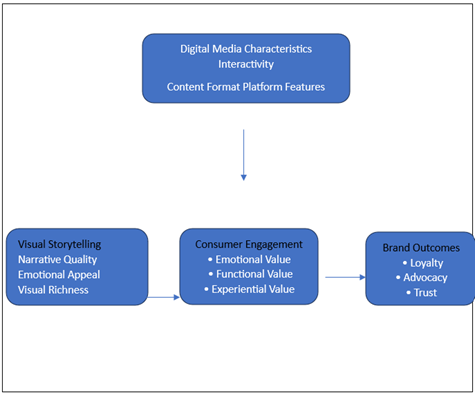
Figure 1 Conceptual Framework of the Study
Furthermore, the relationship between visual storytelling and brand outcomes is not direct but is mediated through consumer engagement, indicating that storytelling influences brand image, loyalty, and perceived value primarily by fostering deeper engagement. In addition, digital media characteristics act as important moderating factors in this process, as elements such as interactivity and platform features enhance the effectiveness of storytelling in driving engagement De Vries et al. (2012).
5. Hypotheses Development
H1: Visual storytelling has a positive impact on
consumer engagement.
Storytelling enhances emotional and cognitive involvement, leading to higher engagement levels Dessart (2019), Woodside et al. (2008). Visual elements further strengthen attention and interaction in digital environments.
H2: Visual storytelling has a positive impact on brand
image.
Narrative-based communication improves brand perception and image by creating meaningful associations Kaur et al. (2024), Lundqvist et al. (2013).
H3: Consumer engagement positively influences brand
loyalty.
Highly engaged consumers are more likely to develop long-term relationships and loyalty toward brands Hollebeek et al. (2014), Mandung (2024).
H4: Consumer engagement positively influences perceived
value.
Engagement enhances both emotional and functional value perceived by consumers Sweeney et al. (2001), Dessart (2019).
H5: Consumer engagement mediates the relationship
between visual storytelling and brand outcomes.
Storytelling drives engagement, which in turn leads to improved brand image, loyalty, and value Brodie et al. (2011).
H6: Digital media interactivity positively moderates
the relationship between visual storytelling and consumer engagement.
Interactive features enhance user participation and strengthen storytelling effectiveness De Vries et al. (2012), Cvijikj and Michahelles (2013).
H7: Content format (visual richness such as
video/images) strengthens the impact of storytelling on engagement.
Visual and multimedia content increases immersion and engagement compared to text-based communication Pera and Viglia (2016).
H8: Social media platform characteristics significantly
influence consumer engagement.
Platform features such as sharing, commenting, and connectivity affect engagement levels Gensler et al. (2013), Stephen (2016).
6. Research Methodology
This study adopts a quantitative, explanatory research design to examine the relationships among visual storytelling, consumer engagement, and brand communication outcomes, as such designs are effective for testing theoretical relationships and causal linkages Creswell (2014). A deductive research approach is employed, wherein hypotheses are developed based on established theories such as storytelling theory and consumer engagement theory and subsequently tested empirically Sekaran and Bougie (2016). Primary data are collected through a structured questionnaire administered to social media users and consumers exposed to digital brand content, as surveys are widely used for capturing perceptions and behavioral responses in marketing research Malhotra (2020). The study utilizes a convenience sampling technique, which is appropriate for exploratory and digital context studies where respondents are easily accessible Etikan et al. (2016). A sample size of 150–300 respondents is considered adequate for Structural Equation Modeling (SEM), ensuring sufficient statistical power and reliability of results Hair et al. (2019), with data primarily collected from urban, digitally active populations.
7. Results, Discussion and Managerial Implications
The empirical findings of the study indicate strong support for the proposed conceptual framework, demonstrating that visual storytelling has a significant positive impact on consumer engagement, thereby supporting H1 and confirming that narrative-driven visual content enhances consumers’ cognitive and emotional involvement with brand communication . The analysis further reveals that visual storytelling significantly influences brand image, supporting H2, as consumers exposed to storytelling-based content develop more favorable brand perceptions. Additionally, consumer engagement is found to positively affect brand loyalty and perceived value, supporting H3 and H4, indicating that engaged consumers are more likely to exhibit repeat purchase behavior and brand advocacy. Mediation analysis confirms that consumer engagement partially mediates the relationship between visual storytelling and brand outcomes, supporting H5, suggesting that storytelling enhances brand performance primarily through engagement. Furthermore, the moderating role of digital media characteristics is validated, with interactivity and content format strengthening the storytelling–engagement relationship (H6 and H7), while platform features significantly influence engagement levels (H8). Overall, the findings highlight that storytelling, when combined with interactive digital media, serves as a powerful driver of consumer engagement and effective brand communication.
8. Conclusion
The present study highlights the strategic importance of visual storytelling in contemporary digital marketing environments. With the rapid evolution of digital media, traditional communication approaches are no longer sufficient to capture consumer attention and foster meaningful relationships. Visual storytelling emerges as a powerful marketing tool that enables brands to communicate their values, identity, and messages in a compelling and emotionally engaging manner. The findings of the study demonstrate that visual storytelling significantly enhances consumer engagement by influencing cognitive, emotional, and behavioral responses. Through immersive and narrative-driven content, brands can establish deeper connections with consumers, thereby improving engagement levels and strengthening brand relationships. Furthermore, consumer engagement plays a crucial mediating role in translating storytelling efforts into positive brand outcomes, including improved brand image, increased loyalty, and enhanced perceived value. The study also underscores the importance of digital media characteristics, such as interactivity and content format, in amplifying the effectiveness of storytelling. Interactive platforms and visually rich content formats further enhance consumer participation and engagement, making storytelling more impactful in digital contexts. Overall, the study concludes that visual storytelling is not merely a communication technique but a strategic marketing tool that drives consumer engagement and enhances brand communication. In an increasingly competitive and digitally driven marketplace, the effective integration of storytelling into marketing strategies is essential for achieving sustainable success.
9. Limitations and Future Scope
Despite its contributions, the study has certain limitations that provide avenues for future research. First, the study is primarily limited to digital platforms, focusing on social media and online environments. As a result, the findings may not be fully generalizable to traditional marketing contexts or offline consumer behavior.
Second, the study adopts a generalized approach without focusing on specific industries or sectors. Consumer responses to storytelling may vary across industries such as retail, healthcare, tourism, or luxury branding, which warrants further investigation.
Future research can extend this study in several directions. One important area is the exploration of AI-based storytelling, where emerging technologies such as artificial intelligence and machine learning are increasingly being used to create personalized and automated brand narratives. Additionally, cross-cultural analysis can provide deeper insights into how storytelling effectiveness varies across different cultural contexts and consumer groups. Finally, industry-specific studies can help identify sector-based differences in the impact of visual storytelling on consumer engagement and brand outcomes.
By addressing these areas, future research can further enhance the understanding of storytelling as a strategic tool in digital marketing and contribute to the development of more effective and context-specific marketing strategies.
CONFLICT OF INTERESTS
None.
ACKNOWLEDGMENTS
None.
REFERENCES
Alalwan, A. A. (2018). Investigating the Impact of Social Media Advertising Features on Customer Purchase Intention. International Journal of Information Management, 42, 65–77. https://doi.org/10.1016/j.ijinfomgt.2018.06.001
Ashley, C., and Tuten, T. (2015). Creative Strategies in Social Media Marketing. Psychology and Marketing, 32(1), 15–27. https://doi.org/10.1002/mar.20761
Berger, J., and Milkman, K. L. (2012). What Makes Online Content Viral? Journal of Marketing Research, 49(2), 192–205. https://doi.org/10.1509/jmr.10.0353
Brodie, R. J., Hollebeek, L. D., Juric, B., and Ilic, A. (2011). Customer Engagement: Conceptual Domain and Research Agenda. Journal of Service Research, 14(3), 252–271. https://doi.org/10.1177/1094670511411703
Calder, B. J., Malthouse, E. C., and Schaedel, U. (2009). An Experimental Study of the rElationship Between Online Engagement and Advertising Effectiveness. Journal of Interactive Marketing, 23(4), 321–331. https://doi.org/10.1016/j.intmar.2009.07.002
Casaló, L. V., Flavián, C., and Ibáñez-Sánchez, S. (2020). Influencers on Instagram: Antecedents and Consequences of Opinion Leadership. Journal of Business Research, 117, 510–519. https://doi.org/10.1016/j.jbusres.2018.07.005
Cvijikj, I. P., and Michahelles, F. (2013). Online Engagement Factors on Facebook Brand Pages. Social Network Analysis and Mining, 3, 843–861. https://doi.org/10.1007/s13278-013-0098-8
De Vries, L., Gensler, S., and Leeflang, P. S. H. (2012). Popularity of Brand Posts on Social Media. Journal of Interactive Marketing, 26(2), 83–91. https://doi.org/10.1016/j.intmar.2012.01.003
Dessart, L. (2019). How Stories Generate Consumer Engagement. Journal of Business Research, 104, 183–195. https://doi.org/10.1016/j.jbusres.2019.06.045
Dessart, L., Veloutsou, C., and Morgan-Thomas, A. (2015). Consumer Engagement in online Brand Communities: A Social Media Perspective. Journal of Product and Brand Management, 24(1), 28–42. https://doi.org/10.1108/JPBM-06-2014-0635
Dessart, L., Veloutsou, C., and Morgan-Thomas, A. (2015). Consumer Engagement in Online Brand Communities. Journal of Product and Brand Management, 24(1), 28–42. https://doi.org/10.1108/JPBM-06-2014-0635
Dolan, R., Conduit, J., Fahy, J., and Goodman, S. (2016). Social Media Engagement Behaviour: A Uses and Gratifications Perspective. Journal of Strategic Marketing, 24(3), 261–277. https://doi.org/10.1080/0965254X.2015.1095222
Dwivedi, Y. K., Ismagilova, E., Hughes, D. L., Carlson, J., Filieri, R., Jacobson, J., Jain, V., Karjaluoto, H., Kefi, H., Krishen, A. S., Kumar, V., Rahman, M. M., Raman, R., Rauschnabel, P. A., Rowley, J., Salo, J., Tran, G. A., and Wang, Y. (2021). Setting the Future of Digital and Social Media Marketing Research: Perspectives and research propositions. International Journal of Information Management, 59, Article 102168. https://doi.org/10.1016/j.ijinfomgt.2020.102168
Escalas, J. E. (2004). Narrative Processing in Consumer Behavior. Journal of Consumer Psychology, 14(1–2), 168–180. https://doi.org/10.1207/s15327663jcp1401and2_19
Escalas, J. E., and Bettman, J. R. (2005). Self-Construal and Brand Meaning. Journal of Consumer Research, 32(3), 378–389. https://doi.org/10.1086/497549
Gensler, S., Völckner, F., Liu-Thompkins, Y., and Wiertz, C. (2013). Managing Brands in the Social Media Environment. Journal of Interactive Marketing, 27(4), 242–256. https://doi.org/10.1016/j.intmar.2013.09.004
Gilliam, D. A., and Flaherty, K. E. (2015). Storytelling by the Sales Force and its Effect on Buyer–Seller Exchange. Industrial Marketing Management, 46, 132–142. https://doi.org/10.1016/j.indmarman.2015.01.013
Green, M. C., and Brock, T. C. (2000). The Role of Transportation in Persuasion. Journal of Personality and Social Psychology, 79(5), 701–721. https://doi.org/10.1037/0022-3514.79.5.701
Hajli, N. (2014). A Study of the Impact of Social Media on Consumers. International Journal of Market Research, 56(3), 387–404. https://doi.org/10.2501/IJMR-2014-025
Harrigan, P., Evers, U., Miles, M., and Daly, T. (2017). Customer Engagement with Tourism Social Media Brands. Tourism Management, 59, 597–609. https://doi.org/10.1016/j.tourman.2016.09.015
Hennig-Thurau, T., Malthouse, E. C., Friege, C., Gensler, S., Lobschat, L., Rangaswamy, A., and Skiera, B. (2010). The Impact of New Media on Customer Relationships. Journal of Service Research, 13(3), 311–330. https://doi.org/10.1177/1094670510375460
Hollebeek, L. D., Glynn, M. S., and Brodie, R. J. (2014). Consumer Brand Engagement in Social Media. Journal of Interactive Marketing, 28(2), 149–165. https://doi.org/10.1016/j.intmar.2013.12.002
Hughes, C., Swaminathan, V., and Brooks, G. (2019). Driving Brand Engagement through Online Social Influencers: An Empirical Investigation of Sponsored Blogging Campaigns. Journal of Marketing, 83(5), 78–96. https://doi.org/10.1177/0022242919854374
Kaplan, A. M., and Haenlein, M. (2010). Users of the World, Unite! The Challenges and Opportunities of Social Media. Business Horizons, 53(1), 59–68. https://doi.org/10.1016/j.bushor.2009.09.003
Kaplan, A. M., and Haenlein, M. (2010). Users of the World, Unite! The Challenges and Opportunities of Social Media. Business Horizons, 53(1), 59–68. https://doi.org/10.1016/j.bushor.2009.09.003
Kaur, J., Saini, S., Behl, A., and Poonia, A. (2024). Impact of Digital Storytelling on Improving Brand Image Among Consumers. Journal of Promotion Management, 30(8), 1348–1376. https://doi.org/10.1080/10496491.2024.2403760
Kietzmann, J. H., Hermkens, K., McCarthy, I. P., and Silvestre, B. S. (2011). Social Media? Get Serious! Understanding the Functional Building Blocks of Social Media. Business Horizons, 54(3), 241–251. https://doi.org/10.1016/j.bushor.2011.01.005
Kim, A. J., and Ko, E. (2012). Do Social Media Marketing Activities Enhance Customer Equity? An Empirical Study of Luxury Fashion Brand. Journal of Business Research, 65(10), 1480–1486. https://doi.org/10.1016/j.jbusres.2011.10.014
Labrecque, L. I. (2014). Fostering Consumer–Brand Relationships in Social Media. Journal of Interactive Marketing, 28(2), 134–148. https://doi.org/10.1016/j.intmar.2013.12.003
Lee, J. E., and Watkins, B. (2016). YouTube Vloggers’ Influence on Consumer Luxury Brand Perceptions and Intentions. Journal of Business Research, 69(12), 5753–5760. https://doi.org/10.1016/j.jbusres.2016.04.171
Lou, C., and Yuan, S. (2019). Influencer Marketing: How Message Value and Credibility Affect Engagement. Journal of Interactive Advertising, 19(1), 58–73. https://doi.org/10.1080/15252019.2018.1533501
Lundqvist, A., Liljander, V., Gummerus, J., and van Riel, A. (2013). The Impact of Storytelling on the Consumer Brand Experience: The Case of a Firm-Originated Story. Journal of Brand Management, 20(4), 283–297. https://doi.org/10.1057/bm.2012.15
Mandung, F. (2024). The Influence of Storytelling Techniques in Digital Marketing on Brand Loyalty: A Consumer Psychology Perspective. Golden Ratio of Marketing and Applied Psychology of Business, 5(1), 66–78. https://doi.org/10.52970/grmapb.v5i1.782
Mavilinda, H. F., Putri, Y. H., and Nazaruddin, A. (2023). Is Storytelling Marketing Effective in Building Customer Engagement and Driving Purchase Decisions? Jurnal Manajemen Bisnis, 14(2), 274–296. https://doi.org/10.18196/mb.v14i2.17830
Mohamed, K. M. M. (2025). Visual Storytelling and Cultural Connection in GCC Social Media Advertising. Frontiers in Communication. https://doi.org/10.3389/fcomm.2025.1584156
Muntinga, D. G., Moorman, M., and Smit, E. G. (2011). Introducing COBRAs: Exploring Motivations for Brand-Related Social Media use. International Journal of Advertising, 30(1), 13–46. https://doi.org/10.2501/IJA-30-1-013-046
Okazaki, S., Li, H., and Hirose, M. (2013). Consumer Privacy Concerns and Preference for Degree of Regulatory Control. Journal of Advertising, 38(4), 63–77. https://doi.org/10.2753/JOA0091-3367380405
Pera, R., and Viglia, G. (2016). Exploring How Video Digital Storytelling Builds Relationship Experiences. Psychology and Marketing, 33(12), 1142–1150. https://doi.org/10.1002/mar.20951
Phua, J., Jin, S. V., and Kim, J. (2017). Uses and Gratifications of Social Networking Sites for Bridging and Bonding Social Capital: A Comparison of Facebook, Twitter, Instagram, and Snapchat. Computers in Human Behavior, 72, 115–122. https://doi.org/10.1016/j.chb.2017.02.041
Schivinski, B., and Dąbrowski, D. (2016). The Effect of Social Media Communication on Consumer Perceptions of Brands. Journal of Marketing Communications, 22(2), 189–214. https://doi.org/10.1080/13527266.2013.871323
Schouten, A. P., Janssen, L., and Verspaget, M. (2019). Celebrity vs. Influencer Endorsements in Advertising: The Role of Identification, Credibility, and Product–Endorser Fit. International Journal of Advertising, 39(7), 1–24. https://doi.org/10.1080/02650487.2019.1634898
Singh, S., and Sonnenburg, S. (2012). Brand Performances in Social Media. Journal of Interactive Marketing, 26(4), 189–197. https://doi.org/10.1016/j.intmar.2012.04.001
Stephen, A. T. (2016). The Role of Digital and Social Media Marketing in Consumer Behavior. Current Opinion in Psychology, 10, 17–21. https://doi.org/10.1016/j.copsyc.2015.10.016
Sweeney, J. C., and Soutar, G. N. (2001). Consumer Perceived Value: The Development of a Multiple Item Scale. Journal of Retailing, 77(2), 203–220. https://doi.org/10.1016/S0022-4359(01)00041-0
Tafesse, W. (2016). An Experiential Model of Consumer Engagement in Social Media. Journal of Product and Brand Management, 25(5), 424–434. https://doi.org/10.1108/JPBM-05-2015-0879
van Laer, T., de Ruyter, K., Visconti, L. M., and Wetzels, M. (2013). The Extended Transportation-Imagery Model: A Meta-Analysis of the Antecedents and Consequences of Consumers’ Narrative Transportation. SSRN Electronic Journal. https://doi.org/10.2139/ssrn.2033192
Vivek, S. D., Beatty, S. E., and Morgan, R. M. (2012). Customer Engagement: Exploring Customer Relationships Beyond Purchase. Journal of Marketing Theory and Practice, 20(2), 122–146. https://doi.org/10.2753/MTP1069-6679200201
Voorveld, H. A. M., van Noort, G., Muntinga, D. G., and Bronner, F. (2018). Engagement with Social Media and Social Media Advertising: The Differentiating Role of Platform Type. Journal of Advertising, 47(1), 1–17. https://doi.org/10.1080/00913367.2017.1405754
Woodside, A. G., Sood, S., and Miller, K. E. (2008). When Consumers and Brands Talk: Storytelling Theory and Research in Psychology and Marketing. Psychology and Marketing, 25(2), 97–145. https://doi.org/10.1002/mar.20203
|
|
 This work is licensed under a: Creative Commons Attribution 4.0 International License
© ShodhKosh 2026. All Rights Reserved.