ShodhKosh: Journal of Visual and Performing ArtsISSN (Online): 2582-7472
|
|
Data-Informed Decision Making in Arts and Cultural Management
Sathya Arthi R 1 , Keerthika K 2
 , Aswitha V 3
 , Menmozhi T 4, Bhavani Ganapathy 5
 , Wang Jiaojiao 6
 ,
,
1 Assistant
Professor, Department of Management Studies, Meenakshi College of Arts and
Science, Meenakshi Academy of Higher Education and Research, India
2 Department
of Computer Science, Meenakshi College of Arts and Science, Meenakshi Academy of
Higher Education and Research, India
3 Assistant Professor, Department of English, Meenakshi College of Arts and
Science, Meenakshi Academy of Higher Education and Research, India
4 Meenakshi College of Physiotherapy, Meenakshi Academy of Higher
Education and Research, India
5 Associate Professor, Department of Pharmacology, Meenakshi Ammal
Dental College and Hospital, Meenakshi Academy of Higher Education and Research,
India
6 School of Liberal Art, Shinawatra University, Thailand, Research
Fellow, INTI International University, Malaysia
|
|
|
ABSTRACT |
|
|
The process of
curriculum diversification due to the growing digitalization of cultural
activities and the rapid development of data technologies has given new
prospects of enhancing the decision-making process in arts and cultural
management. Cultural institutions including museums, galleries, theaters,
cultural organizations produce huge amounts of data via ticketing systems,
digital platforms, social media exchanges and audience feedback systems.
These sources of data offer useful information about audience behavior,
participation in a given culture, and performance. Nevertheless, numerous
cultural institutions continue to use their old forms of management that are
mainly grounded in intuition and scanty qualitative data. This paper
discusses data-informed decision making as a way of improving strategic
cultural management and effectiveness of an organization. The paper conducts
a review of literature on data analytics in arts and cultural management and
considers some of the crucial technologies to aid cultural data analysis,
such as big data analytics, artificial intelligence, machine learning, and
the data visualization systems. An in-depth comparison is made of current
data-driven cultural management strategies and assessed with regard to their
advantages and shortcomings in aiding strategic decision making. On the basis
of this analysis, the paper suggests a data-driven cultural decision-making
model that incorporates numerous data sources, analytics tools, and strategic
management procedures. The data collection systems, cloud-based storage
infrastructure, analytics engines, visualization dashboards, and
decision-support mechanisms are among the elements of the proposed framework.
The framework is designed to assist the cultural institutions in enhancing
raw data into practical insights, which enhance audience engagement, cultural
programming, financial planning, and policy developments. Potential
applications and the expected outcomes of the implementation of data-informed
strategies discussed in the study are also improved audience participation,
transparency in organizations, and the development of cultural policies based
on evidence. Lastly, the paper also lists several challenges pertaining to
data privacy, technology infrastructure, and skill development and points out
the opportunities that the future research in cultural data science holds. |
|||
|
Received 25 December 2025 Accepted 29 March
2026 Published 03 April 2026 Corresponding Author Sathya
Arthi R, sathyaarmba@maher.ac.in DOI 10.29121/shodhkosh.v7.i3s.2026.7336 Funding: This research
received no specific grant from any funding agency in the public, commercial,
or not-for-profit sectors. Copyright: © 2026 The
Author(s). This work is licensed under a Creative Commons
Attribution 4.0 International License. With the
license CC-BY, authors retain the copyright, allowing anyone to download,
reuse, re-print, modify, distribute, and/or copy their contribution. The work
must be properly attributed to its author.
|
|||
|
Keywords: Data-Informed Decision Making, Cultural Analytics,
Arts Management, Audience Engagement, Big Data in Culture, Cultural Data
Science, Data-Driven Cultural Management, Digital Transformation in Cultural
Institutions |
|||



1. INTRODUCTION
Historically, arts and cultural world has been dependent on creative intuition, curatorial skills and experience to make decisions. Although these methods are also key, the booming development of digital technologies and data analytics has brought about fresh opportunities of evidence-based planning and management in cultural institutions. The museums, theaters, galleries, cultural festivals, and performing arts organizations are becoming increasingly significant sources of large amounts of data related to ticketing, online interaction, visitor surveys, social media interaction, and digital archives. This information provides useful information on audience behavior, participation patterns in cultures, program effectiveness and financial sustainability. Consequently, data-informed decision making (DIDM) has come to play as a significant approach to increasing management effectiveness, promoting the involvement of audiences, and contributing to sustainability in the culture sector. Over the past years, cultural organizations started to incorporate the use of data analytics, visualization tools, and digital management systems in their operational processes. With the help of the analysis of audience demographics, attendance, and engagement data, cultural managers will be able to create specific programming and marketing approaches that would be more responsive to the interests of the population. It is also through data analysis that the institutions can measure the effects of exhibit, performance and community programs and hence can assist in a better allocation of resources and planning. Indicatively, predictive analytics can be used to predict attendance patterns whereas social media analytics can be used to identify the preferences and emotional reaction of the audience to cultural content. The insights can help organizations make more accurate decisions on the timing and pricing policies, marketing campaigns and reach-out activities to the audience. Hamzah (2020).
These benefits notwithstanding, most cultural entities continue to use conventional management processes that fail to take advantage of all available data resources. The use of the advanced analytics in the arts industry is most frequently impeded by limited technological infrastructure, the absence of analytical competence, and data privacy issues. Moreover, the quantification of the data and cultural values poses special issues when the former is combined with the latter. Cultural experiences are highly subjective and decision making should put into the scale both quantifiable indicators and artistic integrity and social contribution. Thus, the ability to come up with organized structures that integrate data analytics and cultural management principles has emerged as one of the focal points of studies. The other relevant reason that has been propelling the use of data informed decision making is growing digitization of cultural activities. The emergence of online exhibitions, online performances, digital archives, and online cultural interactions have broadened people's interaction with art and culture. Moreover, the amount of data needed by cultural organizations to show calculable results and impact to the society is increasing because governments and funding bodies insist on measurable results and impact of cultural organizations. Strategic cultural policy formulation is also supported by data-informed decision making. With the aid of the data on participation, the demographics of specific areas, and cultural activity, governments and cultural experts are able to formulate policies that would facilitate inclusive cultural participation. The information-based insights may help to reveal the underserved populations, allocate resources more efficiently, and assess the effectiveness of cultural programs. In this respect, data analytics will not only be beneficial to the individual organization, but will also help in the management of cultural ecosystems and sustainable development.
The main objective of the research is to analyze the significance of the data-based decision making in enhancing the practice in management in arts and other cultural sector. To be more precise, the following questions will be addressed in the proposed research: Exploring the growing role of data analytics in cultural management, Finding out which technologies and sources of data should be considered the most significant to analyse their cultural data, Examining the current methods of making decisions based on data in cultural institutions, Evaluating the use of the current data-based management strategies, Proposing a theoretical model of data-driven decision making in arts organisations. The paper contributes to the literature of new cultural analytics and digital cultural management in indicating the necessity to unite the methods of both data science and cultural practice. The research will be beneficial in assisting cultural organizations to navigate through the shifting digital landscape and preserve the worth of art and culture by developing a system of evidence-based decision making Olo et al. (2021).
The rest of this paper is structured in the following way. Section II literature review examines the available information regarding data analytics in arts and cultural management. In the section III, the author talks about technologies and data sources involved in cultural analytics. The fourth section offers a comparative study of the current practices. Section V addresses the data in terms of strategic cultural management. In Section VI, a proposal is made concerning the framework of data-informed cultural decision making. Section VII talks about applications and desired results whereas Section VIII points out challenges and future research directions. Lastly, IX is the conclusion of the study.
2. Literature Review on Data Analytics in Arts and Cultural Management
The data analytics application in arts and cultural management has gained more and more scholarly and practitioner interest in the last several years. To gain a clearer insight into the behavior of audiences, increase the effectiveness of their work, and enhance cultural experience, cultural institutions are gradually employing analytical instruments and digital technologies. Scholars have studied different features of data-driven cultural management such as the analysis of audiences, the digitalization of cultural organizations, and the utilization of big data solutions in the arts industry. This part is an overview of the history of data utilization in cultural institutions and the most important studies in the area of cultural analytics and data-informed decision making.
2.1. Evolution of Data Use in Cultural Institutions
In the past, cultural institutions had assumed the use of qualitative evaluation procedures and simple administrative statistics in decision making. Museums, theaters and cultural centers tended to gather scarce data like the sale of tickets, the number of visitors and surveys which could be provided by the audience as feedback. These traditional approaches gave a biased picture of cultural engagement and in many cases, there was a lack of a systematic structure of analysis. The growth of digital technologies has led to the increase of the amount of cultural data gathered and analyzed. The contemporary museums and cultural organizations have adopted digital ticketing, visitor tracking, social media and online cultural depositories that produce substantial amounts of information concerning visitor behavior. These digital sources of data make organizations derive a more vivid analysis of the tendencies of attendance, visitors, and engagement patterns. This change has been described by researchers as the emergence of cultural analytics, a field that combines data science procedures with cultural study to explore cultural participating and consumption trends. Recent studies show an increase in the trend making use of digital infrastructures to enable cultural institutions to integrate different data streams to information systems that are centrally organized. Data management platforms and analytics dashboards allow cultural managers to monitor the audience engagement in real-time, evaluate the performance of the program and make strategic decisions. This emergence indicates a shift in the management as being able to work on the intuitionary basis to management that is more organized and evidence-based in its practices towards cultural management Achieng (2023).
2.2. Data Analytics in Audience Development
The audience development has turned out to be one of the most important areas of the data analytics application in the field of cultural industry. The audience data is being extensively utilized in the cultural institutions in order to understand the trends of participation, identify the new segments, and create the specific outreach strategies. The demographic information, attendance rates, and level of engagement should be analyzed, and it is based on this that the organizations can develop the program that will be more aligned with the interests and needs of different groups of people, and the studies in the field demonstrate that predictive analytics and audience segmentation are the key to this objective. Information-based solutions can help the institution to identify the potential audiences that may not have a particular interest in the cultural events and strategies are created to attract more audiences. To provide an illustration, it is possible to forecast the attendance rates, quantify the success of the marketing efforts, and propose the personal cultural experience with the help of machine learning algorithms and statistical inferences.
Besides that, the audience analytics helps the cultural organizations estimate the impact of their programs in the society. The data gathered in the surveys, on-line contacts, and community participation can be measured to ascertain the outcome of cultural programs on education, social integration and cultural consciousness. The lessons may be applied in organizing and planning of the institution and cultural polic Alenezi (2023).
2.3. Digital Transformation of Cultural Organizations
The cultural organizations are digitalized and has made tremendous impact in the way the arts institutions operate and their way of communicating with the audiences. Online exhibition platforms, virtual reality space and digital archives based on the use of digital technologies have provided more access to cultural material, without the necessity of the site being present. These online programs produce massive data regarding the interaction with the users, their content preferences and period of engagement. The studies addressing the topic of digital cultural transformation emphasize the significance of information systems and digital infrastructures in facilitating the contemporary cultural management. Online platforms enable institutions to gather and process data regarding online visitors with a view to allowing managers to assess the efficacy of online programs and enhance user experiences. As an example, the pattern of navigation by the visitors can be tracked with the help of web analytics tools whereas the social media analytics can show how the audience responds to the cultural content. Cultural institutions and technology providers can also work together due to digital transformation. The cloud-based cultural data platforms allow the organization to store, handle, and analyze massive datasets regarding cultural heritages, performances, and audience engagement. The presented developments show that digital technologies are transforming the management practices in cultural industry and making decisions-making more data-driven.
2.4. Data-Driven Marketing and Cultural Engagement
Data analytics have also played a crucial role in marketing and engagement of the audience in the cultural sector. Digital marketing through social media, email campaigns, and Web-based advertisements are tools that are currently gaining popularity among cultural organizations to promote events and cultural programs. Cultural marketing research focuses on the application of data-driven strategies to enhance interaction with audiences, thus the application of data analytics tools permits the management to track engagement rates including the number of clicks, content sharing, and interactions. The culture institution will be in a position to create specific marketing campaigns that satisfy the needs of particular demographic groups by examining the preferences of the audience and consumer patterns to engage with them. The assessment of the marketing effectiveness is also supported with data analytics, i.e. attendance result and audience satisfaction indexes and digital signs of engagement.Moreover, the interactive technologies and digital storytelling techniques are becoming popular to contribute to the improvement of the audience experience. The information received through the interactional platforms may assist institutions to learn how audiences socialize with the cultural content and note areas where interactions can be improved. Such combination of marketing strategies with analytics helps cultural communication and audience growth to be more effective Holfelder (2019).
Table 1
|
Table 1 Literature Review on Data Analytics in Arts and Cultural Management |
|||
|
Research Focus |
Methods Used |
Key Findings |
Limitations |
|
Role of AI and analytics in
artistic and cultural production El et al. (2018) |
Conceptual analysis,
literature review |
AI and analytics can enhance
cultural creativity and audience engagement |
Limited empirical validation
in cultural institutions |
|
Impact of AI-driven
analytics on visual art performance Janssens et al. (2022) |
Case study, qualitative
analysis |
AI tools help analyze
audience interaction and improve artistic performance design |
Focused mainly on visual
arts, limited cultural sector scope |
|
Big data applications in
creative industries Koh et al. (2022) |
Quantitative analysis, data
mining |
Data analytics improves
strategic planning and cultural management efficiency |
Data availability
constraints in cultural organizations |
|
Digital technologies in
cultural heritage management Strachan et al. (2021) |
Systematic literature review |
Digital archives and
analytics platforms improve cultural heritage preservation |
Lack of integrated analytics
frameworks |
|
Blockchain and digital
platforms for cultural data management Iqbal et al. (2022) |
Technology evaluation,
conceptual modeling |
Blockchain improves
transparency and ownership tracking of cultural assets |
Early-stage technology
adoption |
|
Digital infrastructure for
cultural content management Duarte (2023) |
System architecture design |
Integrated digital platforms
improve cultural data accessibility |
Implementation complexity in
small institutions |
|
Data analytics for cultural
heritage identification Findler et al. (2019) |
GIS analysis, spatial data
analytics |
Data-driven methods help
identify lost or hidden cultural heritage assets |
Limited audience engagement
analysis |
|
Digital visualization and
analytics in cultural representation Ally and Wark (2020) |
Image processing,
visualization analysis |
Advanced visualization
improves interpretation of cultural artifacts |
Focus primarily on technical
visualization methods |
|
Data-driven approaches in
cultural education and participation Binagwaho (2022) |
Mixed methods, surveys and
interviews |
Analytics supports
evaluation of cultural participation and engagement |
Small sample size and
localized context |
|
Role of higher education and
cultural institutions in data-driven cultural development Wilcox et al. (2021) |
Conceptual framework,
literature review |
Data-driven strategies
improve policy development and cultural sustainability |
Limited operational models
for practical implementation |
Although the topic of data analytics applied in cultural management has received increased attention, current studies continue to have a number of limitations as indicated in Table 1. Most of the studies are driving towards the technological aspects of data analytics and lack adequate consideration to the organizational and cultural setting in which the technologies are applied. Some of the practical challenges that cultural institutions have to deal with include financial limitations, technical incompetence, and technological resistance. A second weakness is the lack of detailed frameworks that will combine data analytics and cultural management principles. Many studies talk about the analytics of the audience or digital marketing in isolation, but hardly any study comes up with the combination of various data sources and analytic tools that may be used to inform strategic choices in cultural organizations. Moreover, the ethical aspects of the data privacy and cultural sensitivity are under-researched in the literature. The current research project makes a contribution in this direction by suggesting a conceptual framework of information-driven decision making in arts and cultural management that brings in perspectives of technology, organization as well as audience.
3. Technologies and Data Sources in Cultural Analytics
The growing accessibility of digital technologies has majorly changed the way cultural institutions gather, process, and analyze information regarding their audience participation, and performance. The intersection of data science, information systems, and digital technologies is the cultural analytics that retrieves insights of big and diverse data produced in cultural ecosystems. Such technologies enable cultural managers to examine the trends of the audience, measure the results of the programs and assist the strategic planning. There are many sources of cultural data such as physical locations, online platforms, audience engagement, and institutional management systems. Through combining these sources of data with analytical technologies, as depicted in Figure 1, cultural organizations are able to formulate data-driven decision-making frameworks that are more efficient in its operations and increase audiences interaction.
Figure 1
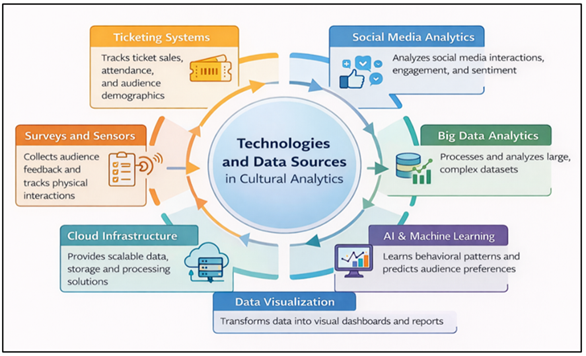
Figure 1 Technologies and Data Sources for Cultural Analysis
3.1. Cultural Data Sources (Ticketing, Social Media, Surveys, Sensors)
The cultural institutions produce a comprehensive expanse of information via the real-life and online experiences with the audience. One of the key data sources is ticketing and membership systems, which document data on attendance rates, buying tickets, preference rates on the event, as well as visitor characteristics. These data sets can assist managers to determine the trends in the audience participation and determine the popularity of events and programs. Another valuable cultural data source is the social media. Cultural content is consumed via likes, comments, sharing, and online discussion which offers useful information about the sentiment and trend of the audience. The interaction data can also be generated by websites, streaming services and digital cultural portals that can be analyzed to learn more about online audience behavior. Qualitative and quantitative data on satisfaction levels among visitors, cultural tastes and value of cultural experience is also gained through audience surveys and feedback systems. Moreover, such recent technologies as sensor-based systems and Internet of Things (IoT) devices are also being implemented in museums and cultural spaces Kulkarni et al. (2025).
3.2. Big Data Analytics in Cultural Institutions
Big data could be defined as huge and complex data sets that require applying advanced computer algorithms to store and process. The cultural institutions generate much information in the form of digital archives, multimedia collections, and communication channels with the audience. With big data analytics, an organization will be able to analyze such sets of data and identify the patterns and trends that may be useful in making strategic decisions. The connection between cultural programs and audience engagement can be discovered with the help of data mining techniques and statistical models. An example is analysis of past attendance records as a way of finding the seasonal patterns or demographic patterns towards some cultural events. The other advantage of big data platforms is that different sources of data might be integrated and cultural institutions would be able to integrate ticketing data, social media metrics, and survey responses into one system of analytics. Such an integrated analysis may be a more appropriate approach to the audience and cultural interaction.
3.3. Artificial Intelligence and Machine Learning in Arts Management
Cultural data is analyzed with the help of Artificial Intelligence (AI) and Machine Learning (ML) technologies and used to make decisions in management. Machine learning algorithms are capable of studying historical data to understand the trends in the audience behavior and predict the attendance rates and suggest the custom cultural experience. Recommendation systems based on AI are common on online cultural websites to offer suggestions on exhibitions, performances, or artworks that are based on the interests and previous activity of the user. NLP methods can be used to analyze social media comments, reviews, and audience feedback in the form of text to identify sentiment and patterns of culture. Digital cultural archives are also managed with the help of AI tools that help to automate activities, including image recognition, metadata creation, and classification of the content. These technologies enable cultural institutions to operate on a bigger scale of digital collections but also learn more about the preferences of the audience Dinkar et al. (2025).
3.4. Data Visualization and Dashboard Systems
The dashboard systems allow real-time tracking of the key performance indicators including attendance rates, marketing activity, and financial performance. Interactive dashboards will help cultural managers to navigate and search data using filters, timelines and comparative analytics tools. Visualization systems enable the decision makers to combine the analytical insights of the strategic planning and the management operations by presenting information in a format that is easy to read and understand.
3.5. Audience Behavior Analytics
Audience behavior analytics dwells on the interactions of people with the cultural content and institutions. Cultural managers can discover the preferences and trends of attendance, digital engagement, and demographics by examining attendance records, digital engagement, and demographics. Some of the techniques include segmentation of the visitors into groups like frequent visitors, occasional visitors, and new audiences. Knowledge of these segments helps organizations to develop specific programming and marketing solutions that will cater to the needs of various audience segments Suri et al. (2025)
4. Comparative Analysis of Existing Data-Driven Cultural Management Approaches
This growth in the application of data analytics in the cultural industry has led to the creation of several models and systems that facilitate the use of data in making decisions in arts and cultural organizations. These are a mix of big data analytics, audience analytics, digital marketing tools, and artificial intelligence that add to the cultural planning and management. However, different systems vary in terms of the technological features, level of accessibility, level of analysis and its ability to support the strategic decision making. These methods are compared to draw the strengths and weaknesses of these methods, and the extent to which they can be applied to cultural institutions. This section presents a review of the current data-driven cultural management strategies based on such significant criteria as the possibility to combine data, the possibility to create an audience insight, the possibility to facilitate the decision making, the scalability and accessibility. The examination of these norms will allow the cultural organizations to get a better understanding of how different technologies and models contribute to an effective cultural management and contact with the audience. The data-driven systems of cultural decision-making are to be checked as per the criteria that display the operational and strategic needs of the cultural institutions. The elaboration of such criteria will help in determining the effectiveness of the data-driven attempts in facilitating the management processes, collaboration with the audience, and institutional planning. All these evaluation parameters ensure that the cultural analytics systems do not simply run through huge datasets but are also capable of providing useful information that can be employed to improve cultural programming, policy-making and resource management.
The former is the data integration capability, which may
be explained as the capacity of the analytics systems to unify numerous sources
of data, such as ticketing data, social media communications, digital archives,
and audience survey. A comprehensive overview of the audience behavior, the
participation pattern, and cultural patterns of consumption can be offered
through the combination of different datasets, and help institutions to obtain
a profound understanding of the situation. This totality approach will enable
the managers to make more informed decisions based on a number of dimensions of
audience information. The other standard that is important is audience insight
generation. Effective cultural analytics systems should be able to manipulate
audience data in order to draw patterns, categorize audiences and produce
forecasting data. The cultural institutions will know the preferences and
participatory patterns of the audience and create programs and engagement
strategies which will be more adjusted to the interests of the audience and
needs of the community. Another problem is that of decision support and
strategic planning that is relevant in the evaluation of data-driven systems.
Forecasting models, analytics and performance indicators can help cultural
managers to understand how effective their programs are and predict future
attendance and to utilize resources effectively. These aspects give the
institutions a chance to transform the management style of intuitiveness to
evidence-based strategic planning. There are also scalability and technological
infrastructure. The cultural institutions are varied in size, resources and
technological ability. Therefore the data-based systems must be expandable and
flexible enough that they can be used in small scale community organizations
and also in national organizations. Finally, implementation needs to be
available and usable. The decision support system of data analytics should be
user-friendly and it should be accessible to the cultural managers who may not
be so technical. This is supported through the systems that offer insights in
convenient visualizations and simple to operate dashboards where the decision
makers can effectively interpret the data with ease and apply it to the
cultural practice of managing some form of management. Vasanthan
et al. (2019)
4.1. Comparative Analysis of Existing Models and Systems
A number of systems and models have been suggested to be used in applying data analytics to cultural management. They are audience analytics systems, digital marketing analytics systems, culture data dashboards, and AI-based recommendations systems. All these methods have a different contribution on data-driven decision making.
Table 2
|
Table 2 Comparative Analysis of Models |
||||
|
Approach / Model |
Data Sources Used |
Key Capabilities |
Advantages |
Limitations |
|
Audience Analytics Platforms |
Ticketing data, membership
records, surveys |
Audience segmentation,
attendance analysis |
Improves audience
development strategies |
Limited predictive
capabilities |
|
Digital Marketing Analytics |
Social media, web analytics,
campaign metrics |
Audience engagement
tracking, marketing performance |
Enhances promotional
effectiveness |
Focus mainly on marketing
outcomes |
|
Cultural Data Dashboards |
Multiple institutional data
sources |
Real-time performance
monitoring |
Supports managerial decision
making |
Requires integrated data
infrastructure |
|
AI-Based Recommendation
Systems |
Digital interaction data,
historical preferences |
Personalized cultural
recommendations |
Improves user experience and
engagement |
Requires advanced
technological resources |
|
Big Data Cultural Analytics |
Large-scale digital datasets |
Predictive modeling, trend
analysis |
Provides deep insights into
cultural participation |
Complex implementation and
high costs |
The Table 2 demonstrates that although a number of technologies are able to aid in data-guided cultural management, all of the systems concentrate on a particular side, i. e. marketing, audience engagement, or operational monitoring. Not a lot of models incorporate all these elements into a holistic system.
4.2. Strengths and Limitations of Current Approaches
There are various valuable benefits of cultural institutions in the frequently existing data-driven cultural management systems. The capacity to analyze big amounts of data about the audience is one of the outstanding resources because organizations can comprehend the patterns of participation and cultural taste better. The data analytics tools will enable the cultural managers to measure the success of programs, define audience segments, and plan specific cultural programs. The other strength is greater efficiency in the marketing and communication strategies. Receiving the interest of the audience in the digital sphere through the use of data-driven marketing platforms will enable institutions to respond to the shifts in the promotion strategy. Moreover, real-time dashboards can enable managers to track the performance variables, such as the attendance rates, revenues and audience satisfaction. However, despite the existence of these benefits, there are also several limitations in the existing strategies. Many systems are not smooth, but specialised, such as marketing analytics or audience segmentation rather than providing a single, unified model of decision-making. This segmentation makes assimilation of knowledge in different sources of data in cultural organizations complicated. Another drawback is the technical complexity/cost of advanced analytics systems. Smaller cultural organizations lack financial means and technical expertise to adopt big data technologies or artificial intelligence tools. Rawandale et al. (2023)
5. Role of Data in Strategic Cultural Management
The analytics of the data integrated into arts and cultural management have enabled the organizations to make sound strategic decisions to a significant extent. The cultural organizations operate in an intricate environment in which they must balance the artistic ambition, audience expectations and financial viability and the social influence. Data-driven strategies help institutions to design patterns of cultural engagement, learn the success of the program, and organize the resource utilization. Based on data analytics, the cultural manager will be able to develop evidence-based options that would help in developing the institution over time, accessing better relations with the audience and their culture. The ability to accumulate, learn, and interpret data of various kinds via ticketing systems, surveys, social media communication and digital interaction systems, is increasingly becoming important in strategic cultural management. These data sets are educative about the taste of the audience, performance of the shows and effectiveness of the procedures. The use of data analytics is therefore significant towards ensuring cultural organizations in audience support, event management, financial management and policy development.
Figure 2
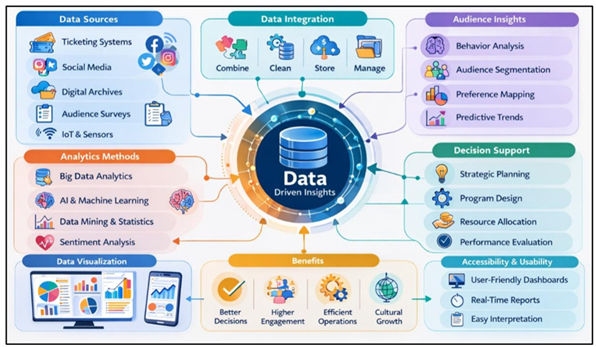
Figure 2 Role of Data in Strategic Cultural Management
The Figure 2 explains the importance of data in strategic cultural management by displaying how data assists in the major decision making processes in cultural institutions. The core of it is information-oriented cultural management that incorporates data presented by ticketing systems, surveys, and the Internet. The environment includes key operations of data analytics. The generation of audience insights assists institutions to know the behavior and preferences of visitors. Cultural events and exhibitions are planned and enhanced through strategic program planning by use of data. The allocation and forecasting of resources are useful in resource efficient management of financial and operational resources. Performance evaluation is a measure of cultural programs success through data-inspired measures, and reports are comprehensive, which is a compilation of data collected by various means to assist in making transparent decisions.
5.1. Data-Driven Audience Engagement Strategies
The engagement of the audience is one of the objectives of cultural institutions. The data analytics help business to study about demographics, likes and habits of participation of the audience. The examination of the attendance statistics, online interaction, and survey results enable cultural managers to create groups of the audience and create certain engagement strategies. Segmentation helps the institutions categorize the visitors into various categories such as frequent, occasional and new audiences. This helps customized communication strategies and advertisement programs. The analytics of online interaction, including web traffic and loss of use on social networking sites, also make institutions understand more about online consumption of cultural materials by the audience using computers and the utilization of computers online. The event or exhibitions that will be recommended by the data-based recommendation systems may be offered to the audience depending on their interests, which will contribute to the attraction of more people, as well as make the experience of the visitors more satisfactory. Veeravalli et al. (2025)
5.2. Cultural Programming and Event Planning Using Analytics
One of the characteristics of the arts management is cultural programming and event planning. Data analytics can help cultural managers understand the preferences of the audience and the patterns of their participation to influence programming decisions. The attendance records, feedback, and the engagement measures are used to find out the programs that might attract the most attention. Attendance and predicting the demand of the audience can also be determined through predictive analytics. Planning with the aid of analytics allows institutions to optimize planning and scheduling, venue location and promotional tactics. Using the historical trends of attendance, managers will be in a position to plan events at the time of high demand and create programs that will attract given groups of audience.
5.3. Financial and Resource Allocation Decisions
One of the biggest obstacles of cultural organizations is financial sustainability. The analytics of data assists institutions to determine the source of revenues including ticket sales, membership, sponsorship, and donation to aid in making informed budgetary decisions. The analytics may also be useful in the pricing strategies by determining the impact of the ticket prices on the attendance. Dynamic pricing models could also change the price of tickets depending on demand and customer groups. Also, the operational data enables managers to determine the use of resources like staff, venues, and equipment. This allows allocating resources more efficiently in terms of cultural programs.
5.4. Policy Development and Cultural Governance
Cultural policy development and governance can be supported with data analytics which will help to gain an understanding of the participation trends and the audience demographics. Cultural data are utilized by policymakers to assess the impact of programs and even focus their resources. Analysis of data may be used to determine the communities that are underserved and foster cultural inclusiveness. At an institutional level, data-driven reporting allows organizations to gauge the results of the program and show accountability to the stakeholders.
5.5. Performance Metrics for Cultural Organizations
Data analytics can help organizations to create
performance metrics and key performance indicators (KPIs) of various dimensions
of organizational performance. Some of the performance measures used in
cultural management are attendance rates of the audience, level of audience
satisfaction, digital engagement measures, financial performance measures and
impact measure of the programs. Through these indicators, cultural managers
would be in a position to determine whether they are meeting the institutional
objectives and areas that require improvement. The visualization of data and
performance dashboards enable managers to monitor these metrics in real time
that allows more responsive and adaptive decision making. Performance analytics
also aids performance benchmarking where an institution can compare their
performance with the other cultural organizations or industry standards. All in
all, adopting performance measures gives cultural organizations the systematic
way of assessing their operations and the sustainability to enhance the
cultural programming and audience interaction. Hazarika
et al. (2025)
6. Proposed Framework for Data-Informed Cultural Decision Making
In a bid to overcome the shortcomings of the current fragmented data-driven models of the cultural management, the proposed study introduces a Data-Informed Cultural Decision-Making Framework which combines several sources of data, analytical technologies, and strategic management procedures. The proposed framework is expected to assist cultural organisations in turning raw data into actionable information that helps in strategic planning, audience engagement and development of organisations. The framework integrates the data acquisition, analytics processing, visualization tools and the strategic decision making mechanisms into a single architecture. The system will allow cultural managers to track involvement of the audience, measure the performance of different programs and design evidence-based approaches to cultural programming and institutional development, by combining the evidence collected in digital and physical cultural spaces. The proposed framework is focused on making cultural data accessible, scalable and ethically used in order to make sure that cultural institutions with different scales and technological abilities can adopt it.
6.1. Design Principles for Data-Driven Cultural Management
The framework suggested is premised on various design concepts that will guarantee effective incorporation of data analytics in cultural management practices. In this framework, the main design principles are grounded on the fact that the proposed framework relies on the principles of effective application of data analytics to cultural management practices. Among others, one of them is data integration and interoperability, whereby cultural institutions will be capable of integrating information provided by various sources including ticketing systems, digital platforms of engagement, audience surveys, and institutional management databases. The consolidation of these datasets by the organizations helps the organizations to create a whole picture of the audience interactions and the performance of the institution. The other imperative value is the audience-focused analytics, in which the audience insights are central in the cultural decision-making procedures. Cultural institutions will stand at a place of developing a more suitable programme, exhibitions and events that meets the interests and culture demands of its people through market research, preferences of the audiences, attendance patterns as well as behaviour. The framework also focuses on accessibility and usability, and the tools that will be created to analyze the data are expected to be user-friendly and comprehensible. This allows the cultural administrators and managers, even without high technical knowledge, to extract the insights of data and apply them in strategic planning and implementation of operations. The fact that ethical data governance is one of the main components of framework is also important. When the cultural institutions ensure the mindful data management practices, the audience privacy, transparency, and ethical and legal requirements of using the data should be respected. Finally, the framework will be scalable and flexible, implying that it would be effective in the diverse cultural organizations. As the digital infrastructures are expanded whether in small cultural centers or the big national museums, the system can be implemented to increasing volumes of cultural data.
6.2. Architecture of the Proposed Data Analytics Framework
The architecture suggested in the Figure 3 below comprises of several inter-relating layers, which support the whole lifecycle of the cultural data processing and decision making. These layers enable the cultural institutions to organize the collection of the data by the institution, storing it and processing it, with the help of rigorous analysis programs and converting knowledge into action plans. The data sources gathered by each layer of data collection are ticketing systems, social media, and surveys of the audience, event management system, and digital engagement platforms. This data is then sent to the data storage and management layer which then stores them as centralized data repositories or data storage systems in clouds to enable ease data quality, access and secure management.
Analysis techniques Data processing and analytics layer Data processing and analytics layer involves the use of tools of analysis techniques such as statistical analysis, machine learning algorithms and audience segmentation tools to draw useful insights based on the collected cultural data. They are then captured in the visualization and decision support layer and through interactive dashboards, charts and analytical reports these assist the cultural managers to make sense of the trends, audience behavior and the performance indicators. Finally, a strategic management layer puts into practice such insights in making high-level decisions in cultural programming, audience engagement strategies, financial planning and policy development. All these layers make a structured form where the cultural institutions can manipulate the raw information to make it into actionable knowledge to be applied in the running of the culture effectively.
Figure 3
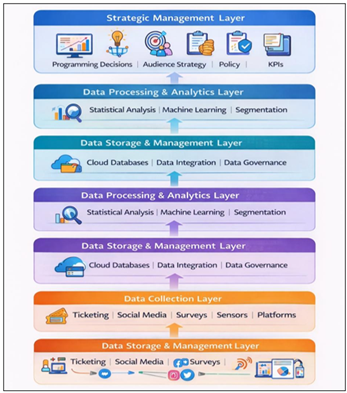
Figure 3 Architecture of Data Driven Cultural Management
6.3. Workflow of Data-Informed Decision Making
The workflow of the proposed framework is systematic and converts raw cultural data to the strategic decisions that will be realized in the management of cultural management. It begins with data collection where data is required either physically and digitally such as consumer interactions and ticketing or online interaction sites. The next activity is data integration and storage whereby the data retrieved are compiled and saved in central databases or cloud platforms to enable them to be accessible and unified. Data analysis stage is then used to identify the patterns, audiences, and trends of their participation using analytical tools and techniques. Visualization tools and analytical reports are used to simplify complex information thus converting the findings into actionable information. The cultural managers then use these insights during the strategic decision making phase to inform the program planning process, how to approach the audience, marketing and policy development. Finally, performance assessment evaluates the implemented strategies, regarding the key performance indicators, and the feedback data. The cycle of work allows the cultural institutions to constantly advance their methods and increase cultural interaction, basing on a stream of constantly evolving data insights.
6.4. Integration of Audience Insights and Organizational Strategy
The main the purpose of the proposed framework is to ensure that the perception of the audience is taken into account appropriately in the organizational strategies. Audience analytics can provide decent information about visitor behavior and cultural interests, as well as those of participation. These insights could guide cultural managers to come up with programs, which are intimate to the audiences and promote cultural participation. As an illustration, the audience segmentation information can be used to help the institutions follow new audience segments and develop cultural programs with them. Through the monitoring of engagement analytics, one can get to know what type of cultural experience yields the most number of participants and hence a similar program can be prioritized by the institution in the future. In addition to that, the survey-collected feedbacks and the web resources can be analyzed to help organizations to improve the visitor experiences and establish rapport with communities. The audience insights and the processes of the strategic planning involved will enable cultural institutions to develop more responsive and inclusive cultural programs. This kind of integration is also handy in the equalization of the artistic aspirations and expectations of the audience in such a way that, cultural initiatives can be creatively applicable and not social.
6.5. Performance Evaluation
Figure 4
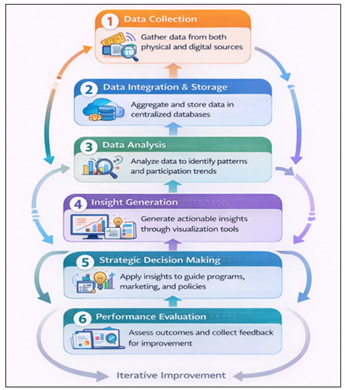
Figure 4 Performance Evaluation Workflow in Cultural
Management
Table 3
|
Table 3 Performance Evaluation Matrix for Data-Driven Cultural Management |
||||
|
Evaluation Parameter |
Description |
Measurement Indicators |
Evaluation Method |
Expected Outcome |
|
Audience Engagement |
Measures how effectively
cultural programs attract and engage audiences |
Attendance rates, repeat
visits, social media engagement, participation metrics |
Audience analytics, surveys,
digital interaction tracking |
Improved audience
participation and satisfaction |
|
Program Effectiveness |
Evaluates the success of
cultural events, exhibitions, and performances |
Event attendance, audience
feedback scores, engagement duration |
Post-event surveys,
attendance analysis |
Better program design and
cultural relevance |
|
Data Integration Capability |
Ability to combine multiple
cultural data sources |
Number of integrated
datasets, system interoperability |
System audits, data
integration testing |
Comprehensive cultural data
analysis |
|
Decision Support Efficiency |
Effectiveness of analytics
tools in supporting managerial decisions |
Accuracy of predictive
models, dashboard usability |
Manager feedback, decision
impact analysis |
Improved strategic planning |
|
Financial Performance |
Assesses revenue generation
and financial sustainability |
Ticket revenue, sponsorship
growth, cost efficiency |
Financial data analysis |
Sustainable financial
management |
|
Operational Efficiency |
Measures how effectively
institutional resources are utilized |
Staff utilization, event
scheduling efficiency, resource allocation |
Operational analytics |
Optimized institutional
operations |
|
Technology Adoption |
Degree to which digital
tools are implemented |
Usage of AI, dashboards,
cloud systems |
Technology adoption analysis |
Improved digital
transformation |
|
Policy and Governance Impact |
Evaluates influence of data
on cultural policy decisions |
Policy changes, funding
allocation, program evaluation reports |
Policy analysis and
institutional reporting |
Evidence-based governance |
The systematic array of assessing the effectiveness of the proposed data-driven cultural management framework is available in the performance evaluation process and Table 3 in Figure 4. It establishes the parameters of audience engagement, program effectiveness, data integration, decision support, financial performance, operational efficiency, technology adoption and impact of governance. The parameters are measured using quantifiable indicators, which are the attendance rates, audience responses, revenue information, and system usability. Surveys, data and performance monitoring, are analytical methods that can be used by cultural institutions in quantifying the performance of their strategies. The matrix can help the organizations to determine the strengths and optimize the decision-making processes, as well as maintain the cultural programs and audience connection of the ever-evolving management practices, which rely on data.
7. Applications and Expected Outcomes
The move to adopt the application of data in the determination of the cultural decision-making model can immensely serve to promote good arts and cultural management. The application of data analytics in organizational operations will enable the cultural institutions make more informed decisions about the way they can engage the audience, how they plan their programs, and how they strategize the institution. Data-driven methods help organizations process raw information into valuable insights to aid in the more effective management and enhancing cultural engagement. Among others, it can be used to enhance audience engagement and cultural participation. Data analytics assists institutions to analyze the audience demographics, preferences and participation patterns. With the help of the attendance record, online communication and survey feedback, cultural organizations can develop the strategy of engagement and individual cultural experiences. The dissemination of this information assists the institutions to revise their programming approaches and come up with cultural activities that are more aligned to audience interests. Transparency and accountability in the organization is also something that data analytics can bring. Following the key performance indicators (reach of the audience, attendance, results of the programs, etc.) can help cultural institutions present transparent reports to stakeholders and prove the effectiveness of cultural programs. Lastly, the policy and cultural planning using data allows governments and cultural authorities to utilize cultural participation data to plan inclusive cultural policies. Such understandings can be used to define underserved communities and can be used to allocate cultural resources more effectively.
8. Challenges and Future Research Directions
Even though data-informed decision making has many benefits in relation to the arts and cultural management, several problems exist in the implementation of the concept. One of the most problematic is the data privacy and the responsible use of the data as the cultural institutions have the obligation to handle data related to audiences responsibly, being aware of the privacy legislation. Another challenge is the digital divide in the cultural sphere, and in most instances smaller or community-based institutions have not received high-speed digital infrastructure and analytics software. In addition, integration and analysis of cultural data may not be easy due to technical limitations as well as fragmented data systems. The skills gap in the field of working on cultural data analytics is also a significant issue because the majority of companies lack specialists capable of synthesizing cultural management and data science knowledge. The improvement of digital infrastructure, training programs, and ethical data management are the key to eliminating these problems. The further advanced methods of the analysis such as artificial intelligence and predictive analytics may be studied in the future to enhance the management on the basis of the data.
9. Conclusion
The increasing availability of digital technologies and cultural information has offered a significant shift in the way arts and cultural organizations do business and make strategic decisions. Traditionally, cultural management relied heavily on intuition, experience, and, qualitative feedback as a basis in order to guide programming and interest of the audience. These approaches are significant, but the requirements of the modern cultural ecosystems are more concerned with hierarchy and evidence-based decision-making interventions. That way, data-driven decision making is proven to be an applicable solution to the increased efficiency of the managers, audience interest, and sustainability in the arts and cultural industry. This essay reviewed the newly rising significance of data analytics in arts and cultural management through literature review, analytical and technological changes that are being revered by cultural organizations. The literature review highlighted the increased utilisation of the digital data resources such as the ticketing systems, social media, audience surveys and online engagement tool by cultural organisations to better comprehend the behaviour of the audience and their participation behaviour. The big data platforms, artificial intelligence, machine learning, and data visualization systems are other key technologies that enable cultural analytics that were cited in the study. The analysis also identified some of the strengths and weaknesses of the existing systems through a comparative analysis of the available methods which utilize data. Majority of the existing audience analytics and digital marketing solutions implemented in many institutions have failed due to the fact that majority of the solutions are perceived as a fragmented approach and focus on specific elements of the operations rather than providing a comprehensive decision support solution. These limitations indicate that the integrated systems which bring different data sources, analytical technologies and management strategies are required. To close this gap the research suggested a data-inspired cultural decision making model that is a combination of data collection, analytics processing, visualization software and management planning functionality. The model provides a methodological approach in the way that the cultural entities transform raw information into practical information that can be used to facilitate engagement of audiences into cultural development, cultural programs, financial budgets, and formulation of policies. The framework is useful to attain more receptive and inclusive cultural management practice by including audience analytics and performance measures. The cultural institutions can enjoy multiple benefits of introducing data-informed strategies. The ones are audience engagement, planning of programs, transparency in organizational performance and aiding in cultural policy development. However, implementation of such systems is also linked to the necessity to address the problem of data privacy, technological infrastructure and availability of skilled specialists in cultural data analytics.
REFERENCES
Achieng, M. (2023). A Framework for Assessing the Role of Higher Education Pedagogies in Achieving Sustainable Development Goals in Africa. In EDULEARN23 Proceedings (4584–4593). IATED Academy. https://doi.org/10.21125/edulearn.2023.1219
Alenezi, M. (2023). Digital Learning and Digital Institution in Higher Education. Education Sciences, 13(88). https://doi.org/10.3390/educsci13010088
Ally, M., and Wark, N. (2020). Sustainable Development and Education in the Fourth Industrial
Revolution (4IR). Commonwealth of Learning.
Binagwaho, A., et al. (2022). Knowledge-Driven Actions Transforming Higher Education for Global Sustainability: Independent Expert Group on the Universities and the 2030 agenda. UNESCO Publishing.
Dinkar, S., Jayapriya, K., Pallerla, N., Jadhav, K. D., and Shet, A. R. (2025). Convolutional Neural Networks for the Intelligent and Automated Detection of Mango Leaf Disease to Enhance Crop Health Management. Agricultural Science Digest, 45(6), 1004. https://doi.org/10.18805/ag.DF-717
Duarte, M., et al. (2023). Integration of Sustainability in the Curricula of Public Higher Education Institutions in Portugal: Do Strategic Plans and Self-Report Align? International Journal of Sustainability in Higher Education, 24, 299–317. https://doi.org/10.1108/IJSHE-01-2023-0001
El-Jardali, F., Ataya, N., and Fadlallah, R. (2018). Changing Roles of Universities in the Era of SDGs: Rising up to the Global Challenge Through Institutionalising Partnerships with Governments and Communities. Health Research Policy and Systems, 16(38). https://doi.org/10.1186/s12961-018-0318-9
Findler, F., Schönherr, N., Lozano, R., Reider, D., and Martinuzzi, A. (2019). The Impacts of Higher Education Institutions on Sustainable Development: A Review and Conceptualization. International Journal of Sustainability in Higher Education, 20, 23–38. https://doi.org/10.1108/IJSHE-07-2017-0114
Hamzah, R. Y. (2020). The Response of Higher Education Institutions to Global, Regional, and National Challenges: The Transformation Plan of the University of Bahrain 2016–2021 as a Case Study. In Lecture Notes in Educational Technology (177–187). Springer. https://doi.org/10.1007/978-981-15-4276-3_11
Hazarika, I., Youdan, A., Daypuyart, G. T., Gonzales, A., Bautista, J., Ramos, J., Yadav, R. K., and Zhou, Y. (2025). Internal Communication’s role in Employee Well-Being (SDG 3) and Productivity (SDG 8). Lex Localis: Journal of Local Self-Government, 23(S6), 7599.
Holfelder, A. K. (2019).
Towards a Sustainable Future With Education? Sustainability Science, 14,
943–952. https://doi.org/10.1007/s11625-019-00682-z
Iqbal, Q., and Piwowar-Sulej, K. (2022). Sustainable Leadership in Higher Education Institutions: Social Innovation as a Mechanism. International Journal of Sustainability in Higher Education, 23, 1–20. https://doi.org/10.1108/IJSHE-04-2021-0162
Janssens, L., Kuppens, T., Mulà, I., Staniskiene, E., and Zimmermann, A. B. (2022). Do European Quality Assurance Frameworks Support Integration of Transformative Learning for Sustainable Development in Higher Education? International Journal of Sustainability in Higher Education, 23, 148–173. https://doi.org/10.1108/IJSHE-07-2021-0273
Kohl, K., Hopkins, C., Barth, M., Michelsen, G., Dlouhá, J., Razak, D. A., Sanusi, Z. B., and Toman, I. (2022). A Whole-Institution Approach Towards Sustainability: A Crucial Aspect of Higher Education’s Individual and Collective Engagement with the SDGs and Beyond. International Journal of Sustainability in Higher Education, 23, 218–236. https://doi.org/10.1108/IJSHE-10-2020-0398
Kulkarni, P. P., Bhagat, S., Kushwaha, M., Kolase, S., and Korabu, N. (2025). Alfred X Wayne Assistant: A Next-Gen, AI-Powered Digital Assistant. International Journal of Research in Applied Engineering and Technology, 14(2), 53–56.
Olo, D., Correia, L., and Rego, C. (2021). Higher Education Institutions and Development: Missions, Models, and Challenges. Journal of Social Studies Education Research, 12, 1–25. https://doi.org/10.4018/978-1-7998-0174-0.ch001
Rawandale, U. S., Ganorkar, S. R., and Kolte, M. T. (2023). VHDL-Based Design of an Efficient Hearing Aid Filter Using an Intelligent Variable-Bandwidth Filter. International Journal of Advanced Computer Science and Applications, 14(1). https://doi.org/10.14569/IJACSA.2023.0140122
Strachan, S., Logan, L., Willison, D., Bain, R., Roberts, J., Mitchell, I., and Yarr, R. (2021). Reflections on Developing a Collaborative Multi-Disciplinary Approach to Embedding Education for Sustainable Development into Higher Education Curricula. Emerald Open Research, 3(24). https://doi.org/10.1108/EOR-09-2023-0007
Suri, S., Lakshman, K., Goyal, E., Goyal, G., Sood, G., Mirajkar, G. S., and Anerao, P. (2025). Emotion Modeling in Sculpture Design Using Neural Networks. ShodhKosh: Journal of Visual and Performing Arts, 3(3s), 31–40. https://doi.org/10.29121/shodhkosh.v6.i3s.2025.6756
Vasanthan, R., Balaji, P., and Dzuvichu, K. (2019). A Study on Kinaesthetic Style Preferences and Second Language Learning Requirements at the Primary Level. Journal of Advanced Research in Dynamical and Control Systems, 11(Special Issue), 861–869. https://doi.org/10.5373/JARDCS/V11SP11/20193108
Veeravalli, S. D., Patil, P. A., Porwal, T., Karwande, V. S., Budhewar, A. S., and Nanche, B. M. (2025). Adaptive-Personalised Federated Deep Learning for Privacy-Aware NAFLD Screening. In Proceedings of the International Conference on Innovations in Intelligent Systems: Advancements in Computing, Communication, and Cybersecurity (ISAC3 2025). https://doi.org/10.1109/ISAC364032.2025.11156569
Wilcox, G., Fernandez Conde, C., and Kowbel, A. (2021). Using Evidence-Based Practice and Data-Based Decision Making in Inclusive Education. Education Sciences, 11(129). https://doi.org/10.3390/educsci11030129
|
|
 This work is licensed under a: Creative Commons Attribution 4.0 International License
© ShodhKosh 2026. All Rights Reserved.