ShodhKosh: Journal of Visual and Performing ArtsISSN (Online): 2582-7472
|
|
Social Science Perspectives on Audience Behavior in Performing Arts
Damodaran B. 1
 ,
Gayathri M. 2
,
Gayathri M. 2 , Sathya Arthi R. 3, Leka H. 4, Anandhi D. 5
 ,
Mahendran Arumugam 6
,
Mahendran Arumugam 6
1 Associate
Professor, Department of Psychology, Meenakshi College of Arts and Science,
Meenakshi Academy of Higher Education and Research, India
2 Assistant
Professor, Department of Management Studies, Meenakshi College of Arts and
Science, Meenakshi Academy of Higher Education and Research, India
3 Assistant Professor, Department of Management Studies, Meenakshi
College of Arts and Science, Meenakshi Academy of Higher Education and
Research, India
4 Meenakshi College of Physiotherapy, Meenakshi Academy of Higher
Education and Research, India
5 Assistant Professor / Research Scientist, Department of
Biochemistry, Meenakshi Ammal Dental College and Hospital, Meenakshi Academy of
Higher Education and Research, India
6 Center for Global Health Research, Saveetha Medical College,
Saveetha Institute of Medical and Technical Sciences, Chennai, India
|
|
|
ABSTRACT |
|
|
Information on
how the audience perceives, interpret and interact with the performance is
vital in the case of artists, cultural institutions and policy makers. The
paper will elaborate on the audience behavior in performing arts under the
multi-disciplinary social science approach by incorporating the knowledge of
sociology, psychology, and study of communication. Their paper reviews
literature conducted regarding the aspect of audience research and explores
the presence of theoretical frameworks that can be used to elucidate the
aspects of cultural participation, perception and reception of performance by
an audience. These elements as demographic features, cultural identity,
emotional and cognitive involvement, social interaction and technological
advances are regarded as the significant elements of the audience behaviour.
The paper also examines how the audience engages and participates in
different performance environments like in live theatre, dance and music
performance and in digital or virtual performance platform. The audience
analysis makes the differences in the audience response in both traditional
and modern-day performance environment, the audience in a situation of
various cultures. The paper further elaborates how the study of audience
behavior contributes to the management of performing arts, the formulation of
policies in culture management, marketing policies, and analysis basing on
the data of the audience. The findings show that association between the
social backdrop, psychological experience and the evolving technological
settings are complex to affect the audience engagement. Live shows are
personal communal and immersive with digital platforms and new technologies
expanding the awareness of the audience and their participation. The study
concludes by outlining the key challenges of the audience research including
a constraint on the data collection process, the question of ethics of
audience analytics, and the required interdisciplinary of the future
research. The analysis will assist in comprehending the audience behaviors
more appropriately as it will introduce the knowledge of social science to
the process and apply it to the contemporary approaches toward the practice
of performance to develop more inclusive and sustainable performing arts
systems. |
|||
|
Received 25 December 2025 Accepted 28 March 2026 Published 03 April 2026 Corresponding Author Damodaran
B., damodaranb@maher.ac.in DOI 10.29121/shodhkosh.v7.i3s.2026.7334 Funding: This research
received no specific grant from any funding agency in the public, commercial,
or not-for-profit sectors. Copyright: © 2026 The
Author(s). This work is licensed under a Creative Commons
Attribution 4.0 International License. With the
license CC-BY, authors retain the copyright, allowing anyone to download,
reuse, re-print, modify, distribute, and/or copy their contribution. The work
must be properly attributed to its author.
|
|||
|
Keywords: Audience Behavior, Performing Arts, Cultural
Participation, Audience Engagement, Social Science Perspectives, Digital
Performance, Cultural Policy |
|||



1. INTRODUCTION
1.1. Background of Audience Studies in Performing Arts
Giving performances like theatre, dance, music, and cultural entertainment has always been dependent on the presence and contribution of the audience in order to make the performance complete. Audience studies are now a significant interdisciplinary research area, which analyzes the perception, interpretation and emotional reaction of spectators towards performances. Historically, the study of performing arts concentrated on artists, performance methods and aesthetics theories. Nevertheless, contemporary cultural studies have accepted that audiences are fundamental towards defining the meaning, reception, and the success of artistic productions. Sociological, psychological, media studies and cultural studies scholars have been rising to observe the audience behavior with a view to identically comprehending how the social contexts, cultural values, and personal experiences affect the manner in which people interact with performances.
1.2. Importance of Understanding Audience Behavior
The performance and growth of the performing arts market relies on the awareness of the audience behavior. The artistic programming, design of performances, and cultural policy are directly influenced by the degree of audience reaction, tastes, and interest. By studying the behavior of audiences, researchers and arts organisations can be in a position to understand why performances are watched, cultural attendance trends and emotional and cognitive impact of artistic experiences. Such knowledge would be able to help performing arts institutions in formulating sound audience development strategies, community involvement and cultural access strategies. Other than that, the analysis of the audience responses can also improve the quality of performance and the artists may modify their creative approaches to the evolving expectations of the audience.
1.3. Role of Social Sciences in Cultural Analysis
Psychology is the study of the emotional, cognitive, and perceptual processes involved in affecting the experiences of the audience when they watch a show. Communication and media studies examine the role of performances as communicative events where meanings are passed and received between the performers and the audience. Combined, these views of social science assist researchers to realize that there are intricate interactions between performers, audiences, and the large cultural context within which performances occur.
1.4. Research Problem and Motivation
Although audience-centered inquiry has become increasingly significant, a significant number of researches in performing arts continue to concentrate on the production of artistic art, but not its reception. It is still necessary to have a complete perception of the way the social, cultural, psychological, and technological issues shape the behavior of the audience. The high rates of technological advancement such as digital streaming services, online performances, and the use of social media have also changed the pattern in which people engage with performing arts. These transformations present novel research problems and possibilities of studying the audience engagement in both physical and virtual performance space.
1.5. Objectives of the Study
The purpose of the research is to consider the behavior of the audience in performing arts in a social science approach. The research aims to determine the major sociological and psychological processes that condition the audience engagement and examine the trends of cultural involvement and how the technological advances are defining the modern audience experience.
2. Literature Review
2.1. Historical Development of Audience Research in Performing Arts
The performing arts have over time adapted to the audience research. The initial literature mainly concerned the analysis of the artwork and the aesthetic judgment, without paying much attention to the role of the audience. In the twentieth century, researchers started to acknowledge the significance of audience reception in the process of development of meaning and effect of performances. Sociologists and cultural theorists came up with audience studies as a new field of study that analyzes the interpretation of performances by the spectators in social and cultural contexts. This view is extended by the contemporary research which also utilizes the interdisciplinary angle of sociology, psychology, media studies, and cultural economics to better perceive audience engagement and participation in performing arts Cherewick et al. (2025).
2.2. Sociological Perspectives on Cultural Participation
The sociological research has contributed greatly to the science of analyzing the audience behavior of performing arts. The sociologists discuss the influence of the social class, education, cultural capital and community identity on the cultural participation pattern. Cultural capital is a concept that the better a person is exposed to education on arts and other cultural activities the more likely one will be inclined to do performances of the arts. Social networks, cultural traditions and institutional access also impact the audience attendance and participation. These sociological perspectives attract attention to the fact that not only the matter of personal choice but also the socially constructed phenomenon under the influence of the broader cultural and structural preconditions draws the participation of the audience.
2.3. Psychological Factors Influencing Audience Engagement
Psychological research is done on the manner in which the audiences think and feel in the performances. The level of engagement that the audience will have is usually influenced by emotional appeal, identification with performers, aesthetics and personal meaning of the performance theme. The psychological theories suggest that the emotional reactions of such intensities might be provoked by immersive narration, visual imagery, and expressiveness of music and make the viewers happier and more memorable. Moreover, the expectation of spectators, previous experiences and personal motives of visiting performances are highly considered in the perception and response of the person to artistic performances D’Andrea and D’Ulizia (2023).
2.4. Audience Behavior in Traditional vs. Contemporary Performances
The audience of the traditional and contemporary performing arts situations act very differently. Traditional performances that tend to be founded upon cultural practices and heritage events are mostly targeted at the mindset of cultural continuity, identity, and community participation. Nevertheless, the contemporary performances tend to be experimental, interdisciplinary and contemporary, which appeal to the younger and different audiences. Whereas authenticity and cultural preservation can have greater significance to the traditional audiences, modern audience may demand novelty, innovation, and interactivity. This awareness of the difference will empower the researchers and cultural institutions to develop performance that will be able to meet the demands of diverse audiences.
2.5. Digital Media and Changing Audience Dynamics
The rapid development of digital technologies has transformed the interaction form of the audience to the performing arts. The online performance, social media and virtual performance setting has expanded the access to the performance beyond the physical location. The digital media is able to make artistic content available to the audience at any time and any place, thus broadening the reach of any performing arts organizations. At the same time, new forms of interaction with the audience can also be provided through online platforms, including real-time feedback, the online discussion, and the interactive viewing experience. These developments in technology have significantly re-calculated the relations of the audiences and given rise to hybrid performance spaces in which there is a hybrid interaction between physical and virtual space D’Andrea and D’Ulizia (2024).
Table 1
|
Table 1 Summary of Recent Contributions |
||
|
Method used |
Key contributions |
Limitations |
|
Conceptual/theoretical framework paper D’Ulizia et al. (2025) |
Proposes a framework for understanding how
digital technologies are reshaping performance-viewing engagement and
audience behavior in contemporary performing arts. |
Primarily theoretical; limited direct empirical
validation is visible from the public abstract. |
|
Conceptual model with proposed human-in-the-loop
predictive analytics workflow Fabbro and Isham (2022) |
Extends audience research by linking engagement
to cognitive, behavioral, and emotional indicators; emphasizes
interpretability, ethics, and real-time use in performance environments. |
More framework-oriented than fully validated at
scale; ethical and privacy constraints may limit deployment in real venues. |
|
Empirical concert-experience study comparing live
classical music formats Freire (2020) |
Shows that concert format itself shapes audience
experience, suggesting that staging and presentation strongly affect
perception, immersion, and reception. |
Focused on classical music; generalizability to
theatre, dance, and non-Western forms may be limited. |
|
Triangulation method: survey questionnaire plus
in-depth interviews Gallagher and Freeman (2016) |
Provides a detailed profile of digital theatre
audiences in China and shows how digitalized performance changed
participation patterns during and after lockdown conditions. |
Context-specific to Chinese theatre audiences;
findings may not transfer directly to other cultural settings. |
|
Exploratory analysis using chest-mounted
accelerometer data in a chamber music concert experiment Le Roux et al. (2021) |
Demonstrates that audience motion is an
observable behavioral marker of live-performance engagement and can be
studied as part of embodied audience experience. |
Based on a chamber music setting; motion alone
may not fully capture emotional or interpretive engagement. |
|
Controlled comparative experiment using
self-reports, EEG, electrodermal activity, and photoplethysmography Lewandowska and
Węziak-Białowolska (2020) |
Strong evidence that live performance evokes
richer emotional and physiological engagement than screen-based viewing, even
under matched conditions. |
Compares one controlled performance setting;
findings may vary across genres, venues, and audience groups. |
|
Neuroscience study using interpersonal neural
synchrony (EEG) across live and recorded dance conditions Lewandowska and
Węziak-Białowolska (2023) |
Shows that engagement is highest when dance is
experienced live and together, and increases when performers directly
interact with spectators. |
Highly specialized measurement setup; ecological
replication in larger public venues may be difficult. |
|
Audience-experience study on listening modes in
live concerts Morelli and Alby (2024) |
Shows that audience experience is not uniform;
different listening modes shape how people interpret and emotionally process
concerts. |
Focused on live concert listening rather than the
full range of performing arts; likely dependent on self-report
interpretation. |
|
Empirical physiological synchrony study in
classical concert audiences Mulè (2022) |
Connects shared bodily/physiological responses
with audience experience and attitudes, supporting the idea of performance
reception as a collective social process. |
Restricted mainly to classical concert settings;
synchrony measures do not fully explain meaning-making or cultural
interpretation. |
|
Environment-behavior analysis of Punchdrunk’s
Sleep No More Sule and Oruganti (2025) |
Highlights how space, place rules, and audience
expectations shape behavior in immersive theatre, moving beyond
passive-spectator models. |
|
There are three powerful recent trends demonstrated in the Table 1. First there is the growing study of audience behavior in embodied form, measurable by motion, physiology as well as neural synchrony and not just surveys. Second, online mediation is transforming presence, however live co-presence seems to create more immersion, feeling and social connectedness in most situations. Third, new scholarship is shifting towards hybrid social-science frameworks, which integrate sociology, psychology, media studies and computational practices in an effort to understand the reason people attend, the ways they interact, and what influences their reactions D’Ulizia et al. (2025).
2.6. Research Gaps in Audience Behavior Studies
Although there is an increasing literature on audience behavior, there are a number of gaps in research studies. Most researchers are interested in the patterns of attendance of the audience without paying a lot of attention to the intricate psychological and social aspects of the audience involvement. The extent of research on the cross-cultural audience behavior and the effects of the new digital technologies on the audience perception and engagement are also limited. Furthermore, much of the current studies tend to focus on particular art forms or areas, and more extensive comparative studies have not been thoroughly studied.
3. Theoretical Frameworks for Audience Behavior Analysis
3.1. Sociological Theories of Cultural Consumption
The sociological theories of cultural consumption provide very useful information of how individuals are delivered with the performing arts in the social sphere. The main theory in such theories is the notion that the social factors influencing the engagement in cultural activities are class, education, regional networks, and institutional access. Fabbro and Isham (2022) The cultural consumption trends are related to social positioning and access to cultural resources according to scholars. Precisely, the individuals in localities where the culture of engaging in art is high are inclined to be inclined towards the theatre show, music or dance performance. The sociological approaches also indicate how the audience preferences are affected by the influence of cultural institutions, the social norms and collect identities. By examining these social forces, the researchers can be in a position to comprehend why a certain segment of the audience is so enthusiastic about the performance arts, and why others are still being underrepresented.
3.2. Psychological Models of Audience Perception and Experience
Psychological models concentrate on the inner mental and emotional behaviour, which shapes the viewpoints and perceptions of audiences to performing arts. Such models explore the role of sensory perception, emotional response, attention, memory, and personal anticipations in creating an experience to the audience in the course of a performance. Emotional involvement is very crucial in the gratification of the audience in that performances that can arouse strong emotions tend to impact a long term impression. The cognitive processing also applies to the way the viewers and listeners perceive narrative forms, symbols, and performance art play on stage. Psychological frameworks thus assist in explaining the role of differences in perceptions, personality, and past experiences of individuals in contributing towards different interpretation of the same performance. Freire (2020), Gallagher and Freeman (2016)
3.3. Communication and Media Theories in Performance Reception
Performing arts are considered a type of communication between the performers and audiences through communication and media theories. According to this view, performances are symbolic messages, which are passed across through movement, music, dialogue, visual design, and storytelling. The reception of the audience will be defined by the manner in which people perceive these symbolic aspects according to their culture and personal experiences. The mediation of performance reception is also a focus of media theories as to the involvement of technological platforms where performance is received. Due to the emergence of digital streaming, social media, and virtual performances, performing arts are now accessed by the audience through various communication platforms. These mediated spaces shape the way viewers perceive, disseminate and debate the performance experiences. Irwin (2019)
3.4. Cultural Capital and Audience Segmentation
The phenomenon of cultural capital which is extensively discussed in sociological studies is especially applicable in the explanation of the behavior of the audience in performing arts. Cultural capital is a term that is used to refer to the cognitive, manipulative, educational, and cultural practices that affect how an individual can value and be involved in art projects. More people that encounter arts education, cultural organization, and art traditions tend to be more motivated to attend and perceive multifaceted performances. The cultural capital also helps in segmenting the audience with various groups of audiences acquiring different tastes depending on their cultural familiarity and social orientation. The awareness of these differences enables performing arts organizations to develop specific audience development strategies, enhance accessibility, and increase involvement in different social groups.
Figure 1
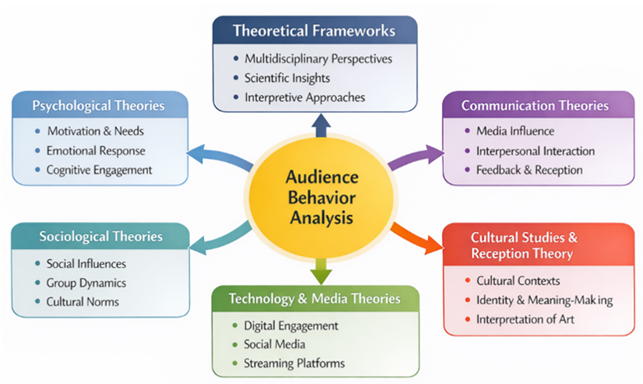
Figure 1 Theoretical Frameworks for Audience Behavior Analysis
The Figure 1 Theoretical Frameworks of Audience Behavior Analysis places the Audience Behavior Analysis in the center and demonstrates the major theoretical perspectives that assist in understanding how the audiences perceive and interpret performing arts. Psychological theories emphasize on the responses of individuals including motivation, emotional reactions, and cognitive involvement in performances. The theories describe the manner in which audiences emotionally relate to artistic work and decode narrative and aesthetic elements. The sociological theories help to understand the way in which the audience participates and behaves due to the influence of the social structure, the dynamics of the group and the cultural norms. The performing arts are considered a firm of communication between the performers and the audience in communication theories. They are theories that lend insight into the channels through which meaning is expressed through artistic means and channels in which meaning is received through media influence, interaction and feedbacks. Le Roux et al. (2021)
Studies in culture and reception theory focus on how culture and cultural identity can influence the perceived meaning that viewers have of a piece of art. Performances have different meanings to audiences based on their cultures, values and experiences. Lastly, technology and media theories touch upon the impact of digital platforms, social media, and streaming technologies on the interest of the audience. These theories describe the effect of technological advances that have increased access to performances as well as changed the way the audience interacts. Lewandowska and Węziak-Białowolska (2020)
4. Factors Influencing Audience Behavior in Performing Arts
4.1. Demographic and Socioeconomic Factors
Demographic and socioeconomic factors like age, education level, income level and occupation greatly have an impact on audience behavior in performing arts. Most people who are more educated and have been exposed to culture and art tend to be more involved in cultural and artistic activities. Access to performances is also influenced by economic capacity because the prices of tickets, the cost of traveling, and the accessibility of the venue can restrict the attendance of some groups. Experimental or contemporary performance might appeal to the younger audience, whereas a traditional form of art based on the cultural heritage may be more appreciated by the aged audience. The soci economic phenomena thus influence the attendees of performances as well as their frequency and the kind of performing arts experiences that people opt to attend. Lewandowska and Węziak-Białowolska (2023)
4.2. Cultural Background and Identity
Cultural background and identity are fundamental in creating an impression of performing arts to the audience and their interpretation. The performances usually contain certain cultural narratives, traditions, and symbolic significance that do not appeal to different audiences in the same way. People will be more attracted to the performance that suits their cultural background, tongue, or social upbringing. Meanwhile, cross-cultural exposure will be able to increase the knowledge and appreciation of unknown artistic traditions among the audience. Being a key aspect of comprehending the audience reception and performance engagement in local and global performance contexts, cultural identity has expectations about authenticity, performance style, and thematic representation. Morelli and Alby (2024)
4.3. Emotional and Cognitive Engagement
Emotional and cognitive responses to a performance are very potent factors that motivate the audience to engage in performing arts. It is an emotional involvement where audiences are empathetic, excited, or feel suspense or have aesthetic pleasure when they are watching performers. Cognitive engagement, in its turn, is intellectual comprehension of narrative themes, symbolic detailing and artistic devices utilized in the work. Whenever the audiences are emotionally and intellectually challenged, chances are high that they develop a greater attachment to the performance. This two-way involvement improves the memory, satisfaction and the overall influence of the artistic experience. Mulè (2022)
4.4. Social Interaction and Collective Experience
Performing arts tend to serve as a cultural event, where people can socialize with each other. By attending performances in common places like theatres, concert halls as well as cultural festivals one is able to encounter art in a social setting. A combination of all the reactions of the audience, applause, emotional reactions shared among others may enhance the overall experience. People are also influenced socially and they can go to see shows as a result of a recommendation by their friends, family members or even the social networks. The participatory quality of performing arts hence leads to establishment of shared cultural experiences as well as tightening social connections between audience members.
4.5. Influence of Technology and Digital Platforms
The behaviour of the audiences in performing arts has dramatically changed due to the technological advancements. Online streaming media systems, as well as virtual performance and social media spaces have broadened the reach of artworks out of traditional physical spaces. Nowadays, audiences can observe the performance even when they are not at the location, communicate with artists via digital platforms, and take part in online discussion about performances. The technologies have formed new audience experiences that involve both physical and virtual interaction. Digital platforms are making it more accessible and globally reachable but then there are new challenges of sustaining the immersive and communal nature that is associated with live performances.
Figure 2
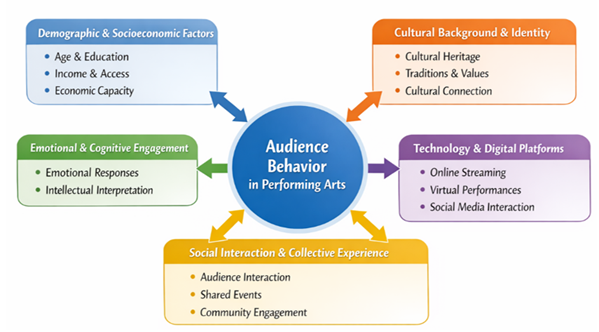
Figure 2 Factors Influencing Audience Behaviour in Performing Arts
Figure 2 has put the Audience Behaviour in Performing Arts at the centre and has shown five major factors that determine the way the audiences interact with the artistic work being shown. Demographic and socioeconomic conditions (age, education level, income, access to cultural resources) have a significant role in the determination of participation in performing arts activities. Persons who have better cultural exposure and economic resources tend to be more inclined to attend performances and have involvement in various forms of art. The socio-cultural background and identity also influence the way the audiences perceive performances because cultural heritage, traditions, language, and social values have an impact on the expectations and emotional attachments to art. Sule and Oruganti (2025) Emotional and cognitive engagement is another key consideration in which the audiences react to the performances by responding emotionally in the form of empathy, excitement, and aesthetic enjoyment, and interpreting narrative themes, symbolism, and artistic techniques on an intellectual level. Socialization and social experience also affect audience behavior since events of performance art are usually held in common areas where audience responses, communal involvement and social referrals increase the interest. Lastly, performing arts have increased access to different audiences as a result of technology and online streams, virtual performance, and social media, where artistic content can be accessed by the audience outside of conventional space. Collectively these forces combine to influence the ways of attendance, interpretation and engagement of the performance arts experience. Dingankar et al. (2025)
5. Audience Engagement and Participation in Performing Arts
5.1. Audience Motivation and Expectations
Motivations and expectations that people have towards a performance are significant factors in the audience engagement in performing arts. The reasons why people go to performances are not many; they can be entertainment, cultural enrichment, social interaction, and emotional experience. There are audiences that are interested in the intellectual aspect of the performance in terms of artistic narratives, and those that come to relax or have fun at the performance. Audience satisfaction is also influenced by the expectations of the quality of performance, artistic authenticity, and the atmosphere in general. Provided that the performances are in line with the expectation of the audience, they will have more chances of enjoying their performance and they will have greater appreciation of the art form. The knowledge of these motivations will assist performing arts organizations to develop programs that appeal to a wide range of people and overall increase participation.
5.2. Interactive and Participatory Performance Models
Over the past few years, there has been the greater inclusion of interactive and participatory performances in performing arts aimed at encouraging the audience to stop passively watching the process. Interactive performance model enables the audience to shape the performance using the direct interaction with performers, digital interface or immersion. It can be the immersive theatre, audience-driven narration, or participatory dance/music performances in which audience members take part in the creative process. The models provide a more dynamic relationship between the performers and the viewers by changing the traditional audience roles. Through active participation, participatory performances develop emotional engagement and make art memorable experiences to the audiences. Mirajkar et al. (2023)
5.3. Audience Feedback and Experience Evaluation
The audience feedback is very important when it comes to the assessment of the effectiveness and impact of the performing arts productions. Performance organizations and cultural institutions are all gathering audiences in a more methodical manner, using surveys, interviews, web-based reviews, and social media interactions. These feedback systems can give rich information on what audiences like, how they feel about performances, and how much they are satisfied with the performances. The gathered information based on the assessment of auditors can be used to make decisions about programming, marketing, and the development of art. Through the analysis of feedback of audiences, performance art organizations have an opportunity to constantly increase the quality of performances and create more cultural experiences targeted towards audience.
5.4. Community Building through Performing Arts
Performing arts are also important in community building because they provide a source of common culture, which unites people. Performances are usually places where people with different backgrounds can interact through the sharing of art. Festivals, productions in community theatre and publicly held cultural events promote involvement and communication between the audience, the artist, and cultural organizations. These experiences make social cohesion stronger and create cultural identity among communities. Consequently, performing arts are significant in expression as well as facilitating societal engagement and cultural cooperation. Karunanithi et al. (2020)
6. Comparative Analysis of Audience Behavior across Performance Contexts
6.1. Live Theatre and Stage Performances
Live theatre and stage performances provide people with the first-hand and immediate artistic experience with real-time presence of the performers and audience and a physical presence. The live theatre behaviour of the audience is usually determined by the environment of the theatre, the design of the stage, and the group response like clapping, laughing and emotional reactions. The immediacy of live performance is that it brings in a feeling of authenticity and experience that can raise the involvement of the audience. Such atmosphere makes viewers get emotionally engaged in the story of the performance and have a stronger appreciation of the artistic work. Rawandale et al. (2022)
6.2. Dance and Music Performances
Both dance and music presentations offer viewers with the sensory experiences which are integrated with movement, rhythm, and visual expression. The emotional appeal, aesthetic and familiarity with the artistic form are usually the factors that influence the audience attention in these situations. The performance of music can become highly emotional with the help of melody and rhythm, whereas dance performance conveys the meaning with the help of the body language and choreography. The response of the audience in such environments can be physical like applause, rhythmic dancing, or verbal forms of appreciation, which embodies the dynamic aspect of the relationship between the performers and the people that watch the performance.
6.3. Digital and Virtual Performances
Digital and virtual performances have become important means of interaction with the audience, especially with the development of streaming technologies and immersive media. The online performances enable the audience to view the artistic materials even when they are at far distances, hence extending the boundaries of performing arts beyond the theatres. Online spaces also allow the opportunity of new types of interaction between the audience, such as live chats, online responses, and discussions on social networks. Nonetheless, information technologies cannot provide all the immediacy and group effect of live performances. Consequently, the level of participation in virtual setting among the audience is usually not similar to the on-stage performances.
6.4. Cross-Cultural Audience Reception
The perception of performing arts by the audience is different in various cultural settings. The cultural background, language, traditions and artistic conventions determine the way the audiences perceive and react to performances. Within cross-cultural contexts, viewers can be presented with new artistic practices, stories, or symbols that need new paradigms to be understood. Simultaneously, cross-cultural performances provide a platform of cultural interaction and international appreciation of various artistic forms. Realizing these differences assists researchers and performing arts institutions to create inclusive shows that would appeal to diverse audiences worldwide.
Figure 3
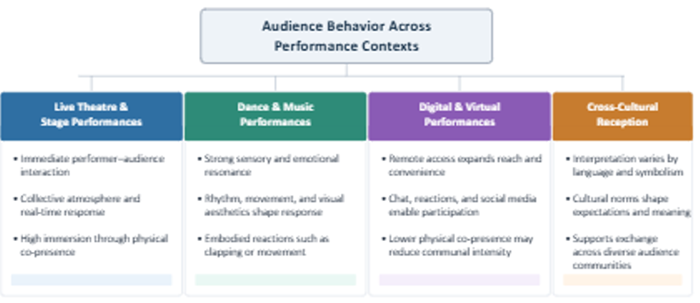
Figure 3 Comparative Analysis of Audience Behaviour Across Performance Contents
The Figure 3 shows the different behaviors of the audience depending on the different performing arts setting. The central one is that of Audience Behavior in Performing Arts that is the central concept affected by various performance environments. Live performance and theatre focuses on interaction in real time whereby there is interaction between performers and the audience. The common space brings a group experience in which the audience response like applause and laughter also play a part in the overall experience. Dance and music performances attract listeners and viewers majorly with the sensory and emotional reactions. The beat, dance, and visual appeal arouse emotional appeal and aesthetics amongst the viewers. Digital or virtual performances enable viewers to watch the performances remotely via the internet. These places allow interactive capabilities, like live chats and social media interaction though this might diminish the physical co-presence experienced in live performances. Lastly, cross cultural audience reception emphasizes the role of cultural background, language and artistic traditions in the interpretation and reception of performances by the audience. It lays stress on the importance of performing arts in facilitating cultural exchange at the global level. In general, the diagram shows that the interest among the audience can be different based on the type of performance, technological setting, and cultural background.
7. Implications for Performing Arts Management and Policy
7.1. Audience Development Strategies
Educational programs, community activities, and joint cultural events are some of the strategies that can be used in attracting new audiences and retaining the existing ones. Another form of audience development is the establishment of free and friendly spaces whereby different demographic and cultural groups are encouraged to participate. Through the long-term audience engagement, the performing arts institutions will be able to offer to the culture performances its sustainability and relevance in the modern society.
7.2. Cultural Policy and Audience Accessibility
The cultural policies are critical in determining the availability and extent of performing arts. The governments and cultural institutions should come up with policies that will facilitate the equal access of cultural resources and artistic experiences. Audience participation can greatly increase through the policies that subsidize the ticket prices, fund the performance within communities, and cultural education. Moreover, the policies to conserve the traditional forms of art and to promote the innovation of contemporary arts retain the cultural diversity. Cultural policies can provide greater access to performing arts by the wider society by addressing social and economic barriers to participation in order to create a more inclusive cultural environment.
7.3. Marketing and Communication Strategies for Performing Arts
To connect and communicate with the current audiences, it is important to use effective marketing and communication strategies. The performing arts organizations are turning to digital platforms of communication such as social media platforms, websites, and online promotional campaigns to reach out to their potential audiences. The marketing campaigns that can be emphasized on narratives, artists and behind-the-scene information may establish deeper emotional bonds with the listeners and viewers. Also, the involvement of the audience can be enhanced with the help of specific communication strategies that focus on the needs of particular audience groups: students, families, or cultural enthusiasts. Through the adoption of the creative marketing strategies coupled with audience research, it is possible to increase the visibility, attendance, and the relationship of the audience with the performing arts organizations.
7.4. Data-Driven Audience Research
These information-based approaches help organizations to determine how well performances are effective, what new patterns in the audience are emerging, and how to create more personalized experiences of the audience. Combining data analytics and social science studies, performing arts managers will be able to make informed decisions enhancing the audience interest and performance programming. Moulick et al. (2025)
8. Challenges and Future Research Directions
8.1. Limitations in Audience Data Collection
One of the major problems in the context of the audience research is that it is difficult to have access to deep and reliable information on the behavior of the audience. The classical methods of surveys, interviews, etc. may be self-referred to data, which sometimes may not be sufficient to mirror audience experience complexity. In addition, the practical constraints, as well as the problems of the privacy of the audience, might complicate the process of data collection in the form of live shows. These weaknesses demonstrate that it is necessary to devise improved data collection methods which would integrate the qualitative data with the usage of technologies to analyze the audience engagement.
8.2. Ethical Considerations in Audience Research
Ethical considerations will be another aspect of conducting audience research in performing arts. Cultural institutions and researchers ought to ensure that the data on the audience is collected and used in a conscientious manner and without violating privacy and consent. The ethical responsibility, transparency, and ownership of the information is doubted due to the use of digital technologies, biometric sensors, or behavioral tracking systems. It is thus important to establish strict code of ethics and data protection decisions in the process of making sure that audiences, researchers and performing arts organizations have trust between them.
8.3. Technological Transformations in Audience Interaction
The fast technological change is altering the interaction of the audience on the performing arts. The use of digital streaming platforms, virtual Reality worlds, and interactivity in the media is changing the way audiences participate in the media, as they allow a new kind of engagement and access. Though these technologies open the doors of performing arts, they also provoke the question of the comparison of digital experiences and traditional live performances. The scholars and professionals should examine how the use of technology can increase the engagement of the audience without reducing the peculiarities of live art experiences. Hazarika et al. (2024)
8.4. Future Research Opportunities in Audience Behavior Studies
Interdisciplinary paradigms of sociology, psychology, cultural studies, and research on digital media should be investigated in future research on audience behavior in performing arts. The new technologies of artificial intelligence, immersive media, and data analytics have introduced new opportunities to study the ways in which audiences engage in real time. Also, cross-cultural, cross-genre, and cross-digital studies have the potential to offer more information about the general behavior of the global audience.
9. Conclusion
The paper has discussed the social science element of the audience behavior in performing art by demonstrating how the complexities of the audience, performers, the cultural and technological reality interact. The behavior of the audience does not depend on artistic performance but it is a complex process, a multidimensional phenomenon and relies on culture, social structure, psychological processes, and communication. The sociological, psychological, and media-based theories combined in the research will provide a deep understanding of how the audiences socialize in the performing arts in different performance environments. The findings present the issue that demographic and socioeconomic factors have a significant influence on cultural participation patterns. Education level, exposure to culture and accessibility to economic assets are likely to define the level in which individuals engage in performing arts. The cultural background and identity also determine the interpretations and preference of the audience since they will be more attached to the performances that will recognize their cultural narrations and social experiences. In the meantime, the exposure to different cultural features through cross-cultural exposure allows viewers to appreciate the artistic traditions, and this promotes cultural communication and culture awareness. Emotion use and involvement of cognition proved to be an influential experience to the audience. Any act which creates a feeling of emotion and intellectual elucidation has high probabilities of creating certain memorable and meaningful experience to the viewers. The performance as a single group also contributes towards mutual cultural experiences, where a social meeting and overall participation is enhanced in the audience satisfaction. These processes in society highlight the significance of performing arts as the venue of cultural expression, socialization and formation of collective identities. The paper also determined the enhanced use of technology and online channels to transform the interaction of an audience. The same online streaming systems, social media, and virtual spaces of performance have not only made the performing arts more accessible, but have also allowed new forms of interaction with the audience. Another problem associated with preserving the immersion and communism live performances have traditionally been associated with is the accessibility of digital technologies and the possibility of reaching the world. The future of performing arts would then be a hybrid form of performance that would involve the use of both physical and the digital experience of the audience. Being a management and policy wise, it is mandatory to be familiar with the behavior of the audience so that one may develop effective audience development policies or cultural policies and even any marketing programs. Data-driven research on audience can help performing arts organizations have a more appropriate understanding of the audience requirements, evaluate the impact of performances, and establish more inclusive cultural programs. However, one can think of such disadvantages as the impossibility to gather information about the audience, ethical concerns regarding the use of data, and the rate of technological advancement. In conclusion, the analysis of the audience behavior with regard to performing arts is dynamism in the study that cannot be researched through the interdisciplinary approach and has to be investigated continuously. With social science understanding and technological advancement collaboration and partnership, scientists and cultural practitioners will be in a position to design more inclusive, interactive and sustainable performing arts ecosystem, which address the evolving needs of the contemporary audiences.
CONFLICT OF INTERESTS
None.
ACKNOWLEDGMENTS
None.
REFERENCES
Chan, G. H., Lo, T. W., and Fung, J. S. C. (2023). Use of Theatresports to Promote Positive Education Among Youth Participants. Bmc Public Health, 23, 913. Https://doi.Org/10.1186/S12889-023-15825-2
Cherewick, M., Davenport, M. R., Lama, R., Giri, P., Mukhia, D., Rai, R. P., Cruz, C. M., and Matergia, M. (2025). Control-Oriented and Escape-Oriented Coping: Links to Social Support and Mental Health in Early Adolescents. European Journal of Investigation in Health, Psychology and Education, 15, 172. https://doi.org/10.3390/ejihpe15090172
Dingankar, S., Dixit, R., Jadhav, K. D., Bathla, G., Rane, M. E., and Raina, A. (2025). Synthesizing Best Practice Frameworks for Enhancing Financial Literacy Support in Microenterprise Lending. Enterprise Development and Microfinance, 35(1), 263–282. https://doi.org/10.3362/edm.v35i1.21
D’Andrea, A., and D’Ulizia, A. (2023). Preserving Local Food Traditions: A Hybrid Participatory Approach for Stimulating Transgenerational Dialogue. Societies, 13, 95. https://doi.org/10.3390/soc13040095
D’Andrea, A., and D’Ulizia, A. (2024). A Participatory Approach for Sustainable Local Food Development: Evidence and Digital Perspectives from a Rural Area in Italy. Journal of Infrastructure, Policy and Development, 8, 4599. https://doi.org/10.24294/jipd.v8i8.4599
D’Ulizia, A., D’Andrea, A., and Stahl, C. (2025). An Integrated Participatory Design Process to Define Intervention Strategies and Technological Tools for Obesity/Overweight Prevention. International Journal of Technology and Human Interaction, 21, 1–18. https://doi.org/10.4018/IJTHI.377177
Fabbro, F., and Isham, C. (2022). The Training of Teachers in Citizenship Education Through Theatre and Dialectical Method. In M. Ranieri, M. Pellegrini, L. Menichetti, A. Roffi, and D. Luzzi (Eds.), Communications in Computer and Information Science (Vol. 1649). Springer. https://doi.org/10.1007/978-3-031-20777-8_10
Freire, P. (2020). Pedagogy of the Oppressed. In Toward a Sociology of Education (374–386). Routledge.
Gallagher, K., and Freeman, B. (Eds.). (2016). Defence of Theatre: Aesthetic Practices and Social Interventions. University of Toronto Press. https://doi.org/10.3138/9781442630819
Hazarika, C. A. I., Khalfan, J., Ahmed, M., Yousif, A., and Hussain, J. (2024). Role of Fintech as an Enabler to Fulfill HR Requirements and Attain Sustainability. In A. Hamdan and A. Harraf (Eds.), Business Development via AI and Digitalization. Studies in Systems, Decision and Control (Vol. 537). Springer. https://doi.org/10.1007/978-3-031-62106-2_5
Irwin, M. J. (2019). Applied Theatre and the Promotion of Spiritual Wellbeing: A Critical Examination of Ten Years of Creative Practice with Young People (2004–2014) (Doctoral Dissertation). University of Manchester.
Karunanithi, V., Vasanthan, R., Kumar, S. H., Barman, B., and James, J. (2020). Analysis of Metacognitive Tasks for Second Language Speech Development: Theory and Research Implications. Journal of Critical Reviews, 7(3), 152–158. https://doi.org/10.31838/jcr.07.03.29
Le Roux, M., Kathard, H., and Lorenzo, T. (2021). Creating Inclusive Performing Arts Practices for Development of Youth with Disabilities: A Critical Ethnographic Study. African Journal of Disability, 10, 1–8. https://doi.org/10.4102/ajod.v10i0.753
Lewandowska, K., and Węziak-Białowolska, D. (2020). The Impact of Theatre on Empathy and Self-Esteem: A Meta-Analysis. Creativity Research Journal, 32, 237–245. https://doi.org/10.1080/10400419.2020.1821553
Lewandowska, K., and Węziak-Białowolska, D. (2023). The Impact of Theatre on Social Competencies: A Meta-Analytic Evaluation. Arts and Health, 15, 306–337. https://doi.org/10.1080/17533015.2022.2130947
Mirajkar, G., Garg, L., Alagirisamy, M., and Shinde, S. (2023). Image Processing in Toxicology: A Systematic Review. In A. Mirzazadeh, Z. Molamohamadi, B. Erdebilli, E. Babaee Tirkolaee, and G. W. Weber (Eds.), Science, Engineering Management, and Information Technology (SEMIT 2023), Communications in Computer and Information Science (Vol. 2198). Springer. https://doi.org/10.1007/978-3-031-72284-4_10
Morelli, L., and Alby, F. (2024). Exploring Social Theatre’s Impact on Soft Skills Development in Adolescents: A Qualitative Inquiry. Psychology Hub, 41, 63–70.
Moulick, J., Phursule, R., Kale, A. P., Rana, V. S., Goswami, S., and Karwande, V. S. (2025). Real-Time Crypt Analysis and Defense Mechanisms in Cloud Computing Services. Journal of Discrete Mathematical Sciences and Cryptography, 28(5), 1753–1761. https://doi.org/10.47974/JDMSC-2175
Mulè, P. (2022). The Social Theater as an Inclusive Educational Device: Theoretical and Practical Analysis of Social Theater for the Development of the Intellectual Welfare of Communities. Human Review: International Humanities Review, 13, 1–16. https://doi.org/10.37819/humanrev.v13i3.1131
Rawandale, U. S., Ganorkar, S. R., and Kolte, M. T. (2022). Audiogram Study in Filter Bank Used for Hearing Aid System to Enhance the Performance. In 2022 6th International Conference on Computing, Communication, Control and Automation (ICCUBEA) (1–4). IEEE. https://doi.org/10.1109/ICCUBEA54992.2022.10010832
Sule, D. B., and Oruganti, D. S. (2025). A Proposed Ai-Driven Edtech Model to Improve Credit Behaviour and Enterprise Growth. IJRAET, 14(2), 86–95.
|
|
 This work is licensed under a: Creative Commons Attribution 4.0 International License
© ShodhKosh 2026. All Rights Reserved.