ShodhKosh: Journal of Visual and Performing ArtsISSN (Online): 2582-7472
|
|
Performing Arts and Emotional Intelligence Development
Damodaran B 1 , Monisha J 2
 ,
Shanthi V 3
,
Shanthi V 3 , Abhinaya
B 4, Mohana
Thiruchenduran 5
, Abhinaya
B 4, Mohana
Thiruchenduran 5 , Yu
Yang 6
, Yu
Yang 6
1 Associate Professor, Department of
Psychology, Meenakshi College of Arts and Science, Meenakshi Academy of Higher
Education and Research, India
2 Assistant
Professor, Department of Management Studies, Meenakshi College of Arts and
Science, Meenakshi Academy of Higher Education and Research, India
3 Professor, Department of
Computer Science, Meenakshi College of Arts and Science, Meenakshi Academy of
Higher Education and Research, India
4 Meenakshi College of
Physiotherapy, Meenakshi Academy of Higher Education and Research, India
5 Associate Professor,
Department of Biochemistry, Meenakshi Ammal Dental College and Hospital,
Meenakshi Academy of Higher Education and Research, India
6 Faculty of Management,
Shinawatra University, Thailand; Research Fellow, INTI International
University, Malaysia
|
|
|
ABSTRACT |
|
|
Emotional
intelligence has been a very crucial competency in the development of
interpersonal communication, social interaction, and psychological health in
the contemporary society. Emotional intelligence can be developed through
creative disciplines like music, dance and theatre, which offer strong
platforms of emotional expression and experiential learning, and performing
arts offer a promising avenue of emotional intelligence development. This
paper explores the links between the involvement in performing arts and the
growth of emotional intelligence through the theoretical bases, the practice
in education, therapeutic implications, and empirically measured by
arts-based programs. Performing arts activities involve participants in
emotional interpretation, collective performance, and expression of
communication and this helps in the improvement of emotional awareness,
empathy, and emotional control. Case-based analysis shows quantifiable change
in emotional intelligence measures of the participants who have already
participated in performing arts programs. The results indicate that the
organized participation in performing arts facilitates emotionally oriented
learning, through encouragement of self-reflection, socialization and
expression of emotions in conducive creative settings. Performing arts can be
used by educational institutions and community organizations as useful tools
to develop emotionally intelligent individuals with the capability to
empathize, collaborate, and develop resilience to emotions. The study cites
the need to incorporate arts based practices in the
education and development models to enhance comprehensive human development
and societal welfare. |
|||
|
Received 20 December 2025 Accepted 26 March
2026 Published 03 April 2026 Corresponding Author Damodaran
B, damodaranb@maher.ac.in DOI 10.29121/shodhkosh.v7.i3s.2026.7321 Funding: This research
received no specific grant from any funding agency in the public, commercial,
or not-for-profit sectors. Copyright: © 2026 The
Author(s). This work is licensed under a Creative Commons
Attribution 4.0 International License. With the
license CC-BY, authors retain the copyright, allowing anyone to download,
reuse, re-print, modify, distribute, and/or copy their contribution. The work
must be properly attributed to its author.
|
|||
|
Keywords: Performing Arts, Emotional Intelligence, Arts
Education, Emotional Development, Drama Therapy, Music Therapy, Empathy
Development, Creative Learning |
|||



1. INTRODUCTION
Performing arts form one of the most expressive human creativity as well as one of the most culturally important ones and include music, dance, theatre, and storytelling disciplines. Artistic performance has been used as entertainment but also as a strong tool to express emotions, communicate culture and also learn social lessons on a variety of cultures around the globe. The emerging field of educational and psychological studies acknowledge the importance of performing arts in building emotional intelligence, which can be described as the capacity to sense, comprehend, deal, and successfully convey feelings. The concept of emotional intelligence has emerged as a vital skill in the contemporary societies where working with others, empathy, and emotion management determine personal achievement and professional performance. Although the standard educational systems tend to focus more on cognitive development, performing arts offer an alternative route of experiencing life in which emotional awareness and social sensitivity can be developed. The involvement in performing arts activities can involve both cognitive and affective processes that enable one to experiment with emotions using movement, rhythm, voice, and narrative performance Ahmad et al. (2021). The artistic practice presupposes the engagement of the performers with emotional clues, conveying emotions to the audience, and working with other performers, all of which help to master emotional skills. Such experiences enable the participants to be more aware of the emotional conditions in themselves and other people, thus increasing their empathy and social insights. Particularly, the development of emotional intelligence by means of performing arts is important in the educational setting, where students acquire both academic and social and emotional skills that define how they will interact in the future Chaharbashloo et al. (2020). The increased development of interest in arts-based learning strategies has prompted educators and scholars to explore the role of creative practices in emotional development. Schools that have included music, drama, and dance in their education programs have recorded encouraging results in helping students to regulate their emotions, gain communicational skills and have self-confidence. Performing arts also provide a safe space through which people can freely embrace sophisticated emotions like joy, anxiety, frustration and compassion. Experiences of rehearsal and performance allow people to learn how to cope with stresses associated with performance and resilience. The comprehension of the connection between performing arts and emotional intelligence development can be a great idea in terms of education, psychology, and policymakers who are interested in a comprehensive approach to learning and human development Chen et al. (2022). The analysis of theoretical base, educational applications, therapeutic implications, and results of the empirical research can assist in the establishment of the performing arts as a significant factor in emotional learning in formal and informal spheres.
2. Theoretical Foundations of Emotional Intelligence
Emotional intelligence has become a significant concept in psychology and education, which focuses on how emotional awareness and control can influence human behavior and choices. Early psychological theories were majorly cognitively oriented, which were evaluated by use of standard intelligence tests; these tests evaluated reasoning and analytical skills. But later scholars realized that cognitive intelligence does not only clarify human success or interpersonal competence. Theory of emotional intelligence was developed to deal with intricate interaction of emotions, thought and social interaction Cong (2024). A popular model theorizes emotional intelligence as a system of skills, which entail accurate perception of emotions, cognition of emotional meanings, and control of emotional reactions. Emotional perception is a skill that entails the recognition of emotions in facial expressions, tone of voice, and the body language. Emotional understanding is the ability to realize changes in feelings within time and the way it affects behavior. Emotional regulation is concerned with the control of emotional responses in a manner that is conducive to psychological health and positive social interaction Dai et al. (2022). All of these elements constitute the basis of emotional intelligence and lead to successful communication, leadership, and empathy.
Table 1
|
Table 1 Components of Emotional Intelligence and Corresponding Performing Arts Activities |
|||
|
Emotional
Intelligence Component |
Description |
Performing
Arts Activity |
Expected
Emotional Outcome |
|
Emotional
Awareness Engelsrud et al. (2021) |
Ability
to recognize personal emotions |
Music
interpretation, vocal performance |
Improved
emotional recognition |
|
Emotional
Regulation |
Managing
emotional responses |
Dance
movement practice |
Stress
control and emotional balance |
|
Empathy
Ezquerra et al. (2022) |
Understanding
others’ emotions |
Theatre
role-playing |
Enhanced
perspective taking |
|
Social
Skills Lee and Lee (2021) |
Effective
interpersonal interaction |
Ensemble
performance (music/drama) |
Collaboration
and communication |
|
Emotional
Expression Lundberg et al. (2020) |
Ability
to express feelings appropriately |
Storytelling
and dramatic acting |
Clear
emotional communication |
Emotional intelligence models are based on the theoretical models of individual emotional awareness and social emotional competence. Sensitivity to emotions enables one to be aware of personal emotions and how emotions affect thoughts and behaviors. Social competence entails the ability to read emotional cues of other people and react accordingly in interpersonal communication as shown in Table 1 data. These abilities are fundamental in team work, conflict management, and emotional support at the community level Vaidya et al. (2025). According to the studies in educational psychology, emotional intelligence should be cultivated in childhood and adolescence. Emotionally exploratory and socially cooperative learning environments are associated with enhancing emotional competence. Such development can be acquired through performing arts activities since they involve participants communicating through emotional stories, working with expressive movements, and communicating with peers during rehearses and performances Seo et al. (2021). The experience helping people to develop emotional recognition, empathy, and emotional expression takes place in real social situations. The perspectives of theory are therefore of the view that emotional intelligence is not a natural aspect but a practice that is able to be developed by the way of experiential learning Vistorte et al. (2024). The practice of emotional awareness, communication, and regulation through performing arts is especially useful in the context of emotional intelligence development since it creates a dynamic setting with a continuous practice of these skills.
3. Performing Arts as a Medium of Emotional Expression
Performing arts act as an effective tool that helps people to express feelings, thoughts and cultural stories. Through performing of art, the performers are able to convey complicated emotions via physical motions, voice, rhyme and narration. In contrast to verbal communication, performing arts involve a combination of sensory and emotional and symbolic experiences, which make performing and experiencing it immersive Rizzuto et al. (2022). Emotional expression in performing arts hence becomes a multidimensional process which is a synthesis of creativity, empathy and interpretation. Music offers an exceptionally powerful emotional medium of communication. Emotions like joy, sorrow, tension and excitement are expressed with the help of melody, tempo and harmony by musicians. These expressive signals are usually received on the gut level by the listeners, which proves the universality of music Freedman et al. (2022). Equally, dance involves the use of body movements and gesture to characterize emotional accounts. The movement fluidity or strength can convey such feelings as calmness to turmoil.
Figure 1
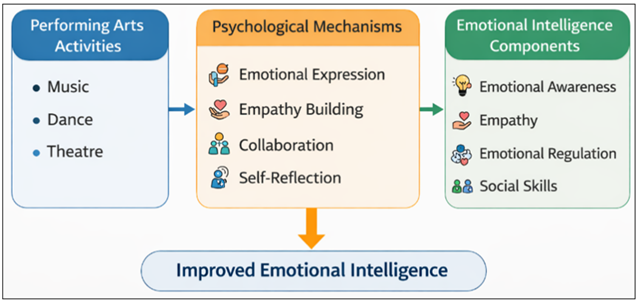
Figure 1 Conceptual Framework Linking Performing Arts
Activities to Emotional Intelligence Development
Theatre also extends emotional narration with incorporation of dialogue, characterization, and dramatic response enabling performers to be emotional and deliver the same to the audiences. Performing arts involve their performers to enact emotional elements that are incorporated in the artistic pieces. Actors should be knowledgeable of the emotional motivations of characters, dancers express the mood with the help of choreography, and musicians express the emotional dynamics with the help of sound. This interpretation process promotes the reflection by the performers on the emotional experiences that they have undergone and put them into the expressive performance as shown in Figure 1. The constant interest in such processes makes it easier to be emotionally aware and sensitive to emotions. Another way of expressing emotion in performing arts is through the audience interaction More and Birmule (2025). The actors tend to react to the audience feedback and modify their emotional performance in order to establish the meaningful interaction. This active interaction strengthens the performance of the emotional interpretation and expression of the performers. In the course of time, the performers become more emotionally responsive and empathetic to others. Engagement in performing arts therefore becomes a way of exploration of emotions. Certainly, by rehearsing, improvizing, and performing, people explore the genres of expressing emotions, which stimulates self-discovery and emotional insight McStay (2020). Artistic settings tend to be open and creative, where members can express feelings and emotions without any fear of being judged. These experiences can be used to build emotional intelligence through enhancing emotional awareness, empathy, and expressive communication.
4. Mechanisms Linking Performing Arts to Emotional Intelligence Development
The development of emotional intelligence through the medium of performing arts happens in a number of psychological and social processes, which work during practice and performance of art. Among the most important are emotional awareness and emotional awareness, which is intensified by performers actively reading emotional messages contained in art content. Actors, musicians, dancers need to investigate thematic contents of emotions, comprehend the motive of the artistic compositions and translate the motive into expressive performance. The process motivates people to be more sensitive to minor emotional changes and helps to become better at identifying emotional states. Another significant process that facilitates the development of emotional intelligence is the role-playing in the activities of theatre and drama Zhoc et al. (2020). When actors create a fictional character, they strive to acquire a certain insight into the feelings, the motives, and the experiences of the fictional characters. This form of engagement needs empathy and perspective-taking that makes the performer more empathetic to emotions that someone might have when viewed in other perspectives. The continuous training in taking up alternative emotional views leads to greater social sensitivity and emotional awareness.
Table 2
|
Table 2 Mechanisms Linking Performing Arts to Emotional Intelligence Development |
|||
|
Mechanism |
Performing
Arts Practice |
Psychological
Process |
Emotional
Intelligence Impact |
|
Emotional
Interpretation |
Acting
and character analysis |
Perspective
taking |
Increased
empathy |
|
Collaborative
Performance |
Ensemble
music or dance |
Social
interaction |
Improved
teamwork skills |
|
Performance
Preparation |
Stage
rehearsal and practice |
Stress
management |
Emotional
regulation |
|
Reflective
Learning |
Post-performance
discussion |
Emotional
reflection |
Emotional
awareness |
|
Creative
Expression |
Improvisation
and storytelling |
Emotional
exploration |
Emotional
communication |
Group learning in performing arts companies also contributes to the development of emotion. Dance bands, music bands, and play bands will need the performers to work together closely so as to synchronize timing, expression and stage presentation. Successful team work requires a high degree of trust, emotional expression and group sensitivity. The members should be able to hear one another, offer constructive criticism, and realign their performance to sustain the harmony in the group as indicated by Table 2 data. Karule et al. (2025) These communication create interpersonal skills and emotional control. The other emotional strain on performance preparation is that it puts individuals to performance anxiety, performance pressure, and to the expectation of the audience. Training on how to deal with these emotions teaches performers to control their emotions. Breathing, rehearsal, and mental visualization are some of the techniques used to control emotions during performances. In the long run, the performers are more able to cope with stress and remain emotionally stable. The other process is reflective learning. Post-performance or post-rehearsal activities include evaluation of experience and emotional reactions by the participants. Reflective discussions help the performers to examine emotional interactions, strengths, and weaknesses and devise ways of improving them. This kind of reflection enhances emotional knowledge and strengthens emotional learning.
5. Educational Integration of Performing Arts for Emotional Development
The schools and colleges are adopting the need to incorporate performing arts in their learning institutions to promote emotional and social growth. Arts based pedagogy is focused on practical learning, innovation, and teamwork, as students can use expressive and interactive approaches to academic ideas. The presentation of performing art programs gives the students a chance to grow emotionally as well as improve communication, teamwork, and confidence. Emotional learning in schools is largely facilitated by music education. Students who join choir, instrumental groups or musical theatre get to undergo cooperative learning environments where emotional expression is promoted. Musical performance demands close listening, interpretation of musical works in terms of emotions and coordination with other performers. Patience, discipline and emotional sensitivity are developed in such experiences. The musical performance usually teaches students how to convey personal feelings in order to have a deeper perception of their feelings. Rawandale and Kolte (2019)
Table 3. There are three kinds of performing arts education that are combined with other subjects to facilitate the emotional development of the subject.
Table 3
|
Table 3 Educational Integration of Performing Arts for Emotional Development |
|||
|
Education
Level |
Performing
Arts Method |
Learning
Activity |
Emotional
Intelligence Skill Developed |
|
Primary
School |
Music-based
learning |
Singing
and rhythm exercises |
Emotional
expression |
|
Secondary
School |
Drama-based
learning |
Role-play
and improvisation |
Empathy
and social awareness |
|
Higher
Education |
Dance
and movement programs |
Choreography
collaboration |
Emotional
regulation |
|
Community
Learning |
Theatre
workshops |
Group
performance projects |
Teamwork
and communication |
|
Professional
Training |
Performing
arts therapy |
Guided
expressive sessions |
Emotional
resilience |
Another viable way of developing emotional intelligence is through drama-based education. Drama activities are usually in the form of improvisation, role-play and telling stories thus helping students to understand various emotional points of view. Students are able to practice through the empathy and emotional interpretation by playing fictional parts and taking part in dramatic stories. These activities help the learner think about the human experiences and build a better perspective regarding the social relationships as stated in the Table 3 data. Another aspect of emotional development, which is caused by dance education, is the movement-based expression. Dance helps in promoting the use of body language, rhythm and physical coordination to express emotions by the students. The engagement in any kind of dance activity tends to enhance self awareness since one is more aware of how movement portrays emotional states. Another positive consequence of group choreography is that it promotes cooperation and the understanding between the participants. Emotional learning in interdisciplinary settings can also be achieved through arts integration in larger educational programs. Teachers can employ drama to learn about historical events, music to learn more about language, and movement activities to learn more about science. These strategies bring together both the cognitive and emotional interaction, and learning activities are more significant and memorable. Educational activities that lay stresses on performing arts thus provide settings in which emotional intelligence is able to thrive. The performing arts education helps develop emotionally intelligent people who can communicate with each other effectively and socialize with empathy because it promotes creativity, collaboration, and expression of emotions. Venkata et al. (2025)
6. Therapeutic Applications of Performing Arts
The performing arts have been receiving more and more understanding as a therapeutic means to enhance emotional health and psycho-curement. Arts-based interventions, including: music therapy, dance movement therapy, and drama therapy, apply creative expression to assist with emotional exploration, mental health enhancement, and self-change. Through such forms of therapy, patients get a chance to open up their feelings that might seem hard to express using conventional verbal therapy. MT is a popular method of clinical intervention that helps to manage emotions and psychological recovery. Therapeutic music can be listening to music, singing, improvising, or playing the instruments. These activities arouse emotions and comfort those who have felt stressed or anxious or traumatized. Strong emotional memories can be triggered by music and, through it, the therapist can direct the patient to work through unresolved emotional memories. Dance movement therapy focuses on how emotionality is related to physical movement. By means of guided movement exercises, the participants learn to experiment with feelings and inner experiences the use of bodily expression. Movement-based therapy is used to assist the victims of emotional tension to discharge it and be more mindful of their feelings. Dance therapy is applied in the treatment of mental health, rehabilitation programs and trauma recovery since it promotes the integration of mind and body holistically. Drama therapy gives a systematic platform on which people learn to express emotions through narration, role-play, and acting. The participants are free to play personal experience or imaginary situations that are reflective of emotional struggles they are going through. These activities enable people to look at the emotional conflicts in other perspectives and learn coping skills. Group interaction and emotional support in therapeutic communities are another result of drama therapy. The value of performing arts therapies is especially productive in health care facilities where patients can be emotionally distressed regarding disease or treatment. Queuing artistic activities offers relaxation and emotional discharge, as well as self-expression to the patient. Medical professionals are also starting to use arts-based interventions in patient care programs to improve psychological resilience and emotional state. Performing arts as a form of therapy thus shows the extent of the relationship between creativity and emotion. Due to their ability to help individuals explore their emotions in supportive settings, performing arts therapies help enhance emotional intelligence and general mental well-being. Dingankar et al. (2025)
Figure 2
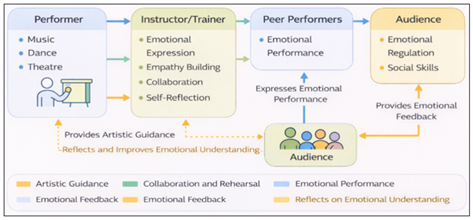
Figure 2 Interaction Model Supporting Emotional Intelligence
Development in Performing Arts
Research into music education has also discovered that emotional sensitivity and cooperation behavior is increased through participation in a group. The positive emotional effects also show their presence in the experimental studies of the effect of dance and movement programs as shown in Figure 2. Individuals who are involved in systematic training in dance have a better emotional control and awareness of their bodies. Physical activities, by which movement is involved, allow people to reveal their emotions by means of physical movements, making the relationship between emotions and bodily expression even stronger. These experiences add to the better understanding of emotional communication. The neuroscientific studies also offer more information regarding the effect of performing arts on emotional processing. The brain imaging research shows that musical and theatrical actions trigger the neural systems related to emotional perception, empathy, and social cognition. The engagement of art triggers emotional pathways in artistic activities in a manner that facilitates emotional learning and memory. These results allow assuming that some performance arts experience would be able to influence emotional intelligence (both psychologically and neurophysically).
7. Case Studies and Practical Implementations
Applied research of performing arts programs implemented in both educational and community settings illustrates an increase in emotional intelligence levels of improvement. Organized artistic programs including theatre workshops, and participation in music ensembles, and expressive programs based on dances offer the kind of environment wherein one interacts in expressing themselves in a collaborative way, emotional reflections, and interpersonal communication. Observational studies at school and community programs demonstrate that the participants in carrying out the performance arts training demonstrate positive results in the areas of empathy, emotional awareness and social interaction skills. Many schools are embracing learning approaches that are based on dramas to facilitate expression and communication in students. In these programs, the participants take part in the character interpretation, role-play exercises, and improvisatory story telling. Such activities demand that people learn how to motivate by emotion and convey feelings by speaking and using body language. Due to this, the students are more likely to be in a position to detect emotional cues and react empathically to their peers. Hoque (2025)
Table 4
|
Table 4 Emotional Intelligence Improvement in Performing Arts Programs |
||||
|
Program
Type |
Duration
(Weeks) |
Participants |
Baseline
EI Score |
Post-Training
EI Score |
|
School
Drama Workshop |
8 |
50 |
62 |
75 |
|
Music
Ensemble Training |
10 |
45 |
65 |
77 |
|
Dance
Therapy Program |
6 |
30 |
60 |
75 |
|
Community
Theatre Project |
12 |
60 |
64 |
78 |
The music ensemble programs also play similar roles in the development of the emotions as they allow the collaborative performance settings. During rehearsals and performances, participants are taught to synchronize rhythm, interpret musical emotions as well as support the group harmony. Such teamwork processes enhance emotional sensitivity and teamwork skills as presented in Table 4 data. The evidence of the improvement of emotional intelligence is also observed in movement-based dance therapy initiatives. The participants who take part in movements sessions guided by a professional have better emotional control and less stress. The expression of movement will motivate people to experiment with feelings using their bodies with physical gestures and choreography. The case study information below shows how performing arts interventions can influence various programs in terms of emotional intelligence indicators.
Table 5
|
Table 5 Improvement in Emotional Intelligence Components |
||||
|
Program
Type |
Emotional
Awareness (%) |
Empathy
(%) |
Emotional
Regulation (%) |
Social
Skills (%) |
|
School
Drama Workshop |
20 |
24 |
18 |
22 |
|
Music
Ensemble Training |
18 |
17 |
19 |
20 |
|
Dance
Therapy Program |
22 |
23 |
25 |
19 |
|
Community
Theatre Project |
19 |
26 |
21 |
24 |
Case study analysis of the case study data shows that the greatest changes in the case study data are observed in empathy and emotional regulation, which is due to expressive movement and shared storytelling as the issue of emotional intelligence development is outlined in the data in Table 5.
8. Challenges and Limitations in Research and Practice
Although there are promising prospects of using the performance arts as a way of improving the emotional intelligence, there are a number of challenges and limitations both in research and practice. Among the main difficulties, there is the issue of determining the outcomes of emotional intelligence adequately. Emotional intelligence covers a variety of psychological aspects and it is not easy to measure it using the standardized assessment instruments only. The method of self-report questionnaires, behavioral observations, and psychological tests might yield different outcomes and it might be a difficult task to evaluate arts-based interventions.
1) Another constraint is cultural differences in the expression of emotion. The use of emotional communication in the form of performing arts can have differences in cultures, which affect the interpretation and evaluation of emotional intelligence. Emotional expression is dictated by artistic traditions, forms of performance and cultural expectations, so that results in one cultural setting cannot be entirely applicable in another. Hazarika et al. (2025)
2) There are also practical limitations by the educational systems in incorporating the performing arts programs. The lack of resources, inadequate preparation of arts teachers, and curriculum can decrease the possibility of having arts-based initiatives in emotional learning. Since standardized academic subjects are emphasized in schools, the less time is devoted to the program of creative arts which may be of great importance in terms of development.
3) The other issue is ensuring consistency in the design and implementation of the program. The variation in arts-based interventions is that they might take different forms, length of time, and teaching practices, thus, it proves hard to compare findings with other studies. Differences in intensity of the programs, participant involvement, and the expertise of the instructors can also change the outcomes of the emotions.
These issues can only be solved through interdisciplinary efforts of educators, psychologists, and arts practitioners. More research methods and building standardized evaluation frameworks can contribute to the improvement of the evidence-base of performing arts as an emotional intelligence-development tool.
9. Results Analysis and Discussion
Conclusions obtained during the case study programs show that involvement in performing arts has a positive and quantifiable impact on the development of emotional intelligence. In all four interventions, the scores in emotional intelligence after training were more than before the training, which proves that structured artistic involvement facilitates emotional development. The School Drama Workshop went on to raise its baseline EI score of 62 to 75 whereas the Music Ensemble Training rose to 77. The Dance Therapy Program also registered one of the best increases as it increased by 60 to 75 and Community Theatre Project increased by 64 to 78. These findings indicate that the performing arts are an important source of emotional development due to their emotional and social interaction nature.
Figure 3
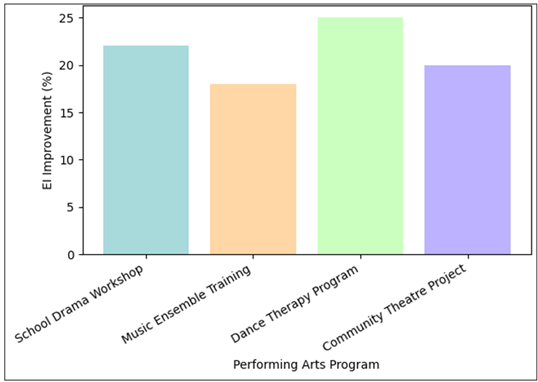
Figure 3 Emotional intelligence improvement across performing arts programs
The dance therapy programs express the most improvement in emotional intelligence (25%), which means that expressive activities based on movement have strong impact on the emotional regulation and awareness as shown in Figure 3. The most significant participation and empathy improvement were found in the community theatre programs, which demonstrates the significance of cooperative artistic settings in the emotional development.
Figure 4
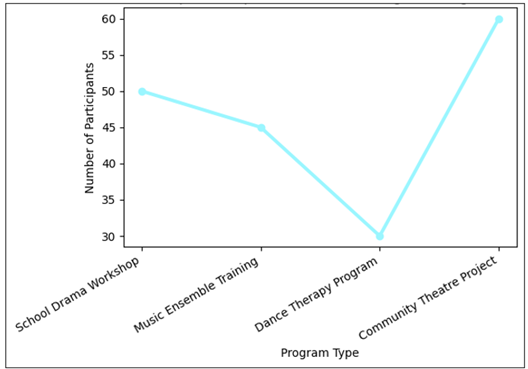
Figure 4 Participation Impact of Performing Arts Interventions
The training of music ensemble also demonstrates a medium enhancement, which leads to the assumption that organized musical cooperation promotes the formation of emotions but takes a more significant period to achieve more potent results. The component-wise analysis shows that there are significant differences among the types of programs as shown in Figure 4.
Figure 5
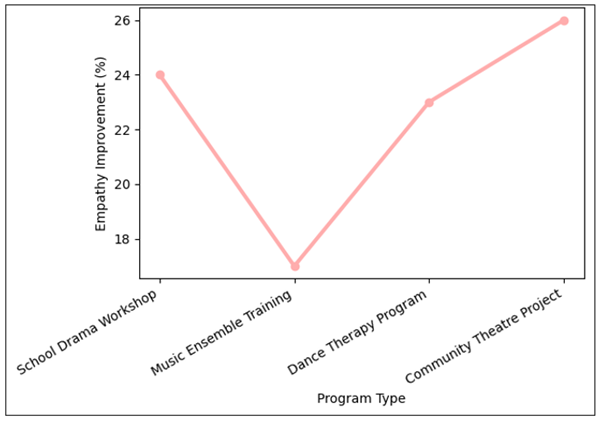
Figure 5 Empathy Development Trend Across Performing Arts
Programs
The greatest increase in emotional regulation was caused by Dance Therapy (25%), meaning that dance-based expression could be particularly useful in assisting the participants to regulate their emotional reactions and decrease inner stress as presented in Figure 5. The Community Theatre Project showed the best improvement in empathy (26%) and considerable improvements in social skills (24 percent) that is compatible with collaborative and perspective-taking theater performance.
Figure 6
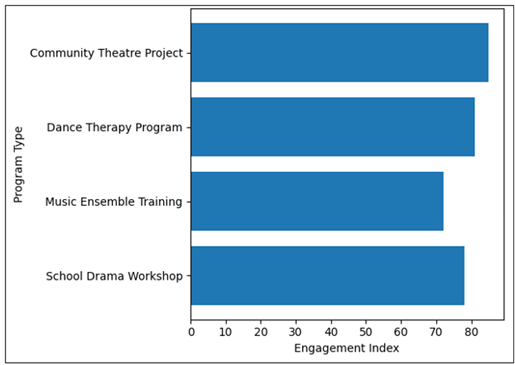
Figure 6 Participant Engagement Levels in Performing Arts
Programs
School Drama also experienced a high empathy development at 24 which implied that school Drama role-play and character interpretation lead to differentiation of emotions towards others. Music Ensemble Training, in turn, did not show any significantly different improvement in all dimensions, although emotional regulation and teamwork were also significantly beneficial. Empathy gains were not as high as in the case of the theatre-based programs. These results point to the fact that various performing arts modalities affect different aspects of emotional intelligence as presented in Figure 6. Activities centered around the theatre seem to be most effective in terms of empathy and social interaction, and those centered around dance seem to be more related to emotional regulation and self-awareness. In its turn, music-based programs also lead to a consistent overall emotional growth due to collaborative engagement and expressive interpretation.
10. Conclusion and Future Scope
The arts are an effective approach to emotional intelligence by manipulating and engaging expressive, collaborative, and experiential learning. Participation in music, dance, theatre, and similar art activities enables people to experiment with emotion, narrate emotional stories, and express emotional experiences through art. Emotional awareness, empathy, interpersonal communication, and emotional regulation are important levels of emotional intelligence that are reinforced through such activities. Artistic performance setting also promotes the idea of collaboration and reflective learning where the participants are equipped to be socially sensitive and emotionally resilient, whenever working with peers and responding to audiences. As a means of formal education, performing arts integration has shown great promise in terms of aiding holistic development of students in addition to the conventional cognitive learning. Drama-based activities, music groups, dance classes can become part of the programs that would provide them with environments where emotional exploration and social interaction would be a natural occurrence. It has been reported based on empirical observations and case study examination that there were quantifiable changes in emotional intelligence indicators like empathy, emotional awareness, and collaborative behavior in participants who underwent performing arts training. The therapeutic use also emphasizes the usefulness of creative expression in emotional healing and psychological health. The results underline the idea that performing arts can be regarded as the part and parcel of contemporary teaching and human development policies.
CONFLICT OF INTERESTS
None.
ACKNOWLEDGMENTS
None.
REFERENCES
Ahmad, S., Rahmat, M., Mubarik, M., Alam, M., and Hyder, S. (2021). Artificial Intelligence and its Role in Education. Sustainability, 13, Article 12902. https://doi.org/10.3390/su132212902
Chaharbashloo, H., Gholami, K., Aliasgari, M., Talebzadeh, H., and Mousapour, N. (2020). Analytical Reflection on Teachers’ Practical Knowledge: A Case Study of Exemplary Teachers in an Educational Reform Context. Teaching and Teacher Education, 87, Article 102931. https://doi.org/10.1016/j.tate.2019.102931
Chen, S., Lin, P., and Chien, W. (2022). Children’s Digital Art Ability Training System Based on AI-Assisted Learning: A Case Study of Drawing Color Perception. Frontiers in Psychology, 13, Article 102931. https://doi.org/10.3389/fpsyg.2022.823078
Cong, S. (2024). A Study of Teaching Strategies Optimized with the Integration of Artificial Intelligence Technologies. Applied Mathematics and Nonlinear Sciences, 9, 1195. https://doi.org/10.2478/amns-2024-1195
Dai, Y., Liu, A., Qin, J., Guo, Y., Jong, M., Chai, C., and Lin, Z. (2022). Collaborative Construction of Artificial Intelligence Curriculum in Primary Schools. Journal of Engineering Education, 112, 23–42. https://doi.org/10.1002/jee.20503
Dingankar, S., Dixit, R., Jadhav, K. D., Bathla, G., Rane, M. E., and Raina, A. (2025). Synthesizing Best Practice Frameworks for Enhancing Financial Literacy Support in Microenterprise Lending. Enterprise Development and Microfinance, 35(1), 263–282. https://doi.org/10.3362/edm.v35i1.21
Engelsrud, G., Rugseth, G., and Nordtug, B. (2021). Taking Time for New Ideas: Learning Qualitative Research Methods in Higher Sports Education. Sport, Education and Society, 28, 239–252. https://doi.org/10.1080/13573322.2021.2014804
Ezquerra, Á., Agen, F., Rodríguez-Arteche, I., and Ezquerra-Romano, I. (2022). Integrating Artificial Intelligence into Research on Emotions and Behaviors in Science Education. Eurasia Journal of Mathematics, Science and Technology Education, 18, Article 11927. https://doi.org/10.29333/ejmste/11927
Freedman, K., Cornwall, J., Schulte, C., Carpenter, B., and Castro, J. (2022). Mapping Research with a Systematic Review: The Example of Social and Emotional Learning in Art Education. Studies in Art Education, 63, 296–312. https://doi.org/10.1080/00393541.2022.2116679
Hazarika, I., Cai, Z., Ghunnar, P., and Cheng, Y. (2025). Cross-Cultural Advertising for Promoting Gender Equality and Diversity (SDG 5 and 10). Lex Localis: Journal of Local Self-Government, 23(S6), 7520. https://doi.org/10.52152/tmw9y075
Hoque, et al. (2025). AI-Generated Visual Art Raises Critical Ethical Concerns in Academia Related to Authorship, Creativity, Intellectual Property, and Academic Integrity, Calling for Transparent and Responsible Integration of AI Tools in Educational Practice. (Incomplete Reference Details—Please Provide Full Source for Accurate APA formatting.)
Karule, K. P., Sapkal, V., Mirajkar, G., Babajanov, M., Tajne, P., Ahire, L. K., and Qushnazarova, U. (2025). Leveraging Transfer Learning Techniques for Automated Tuberculosis Classification on Chest X-Ray. Indian Journal of Tuberculosis, 72, S512–S530. https://doi.org/10.1016/j.ijtb.2025.11.015
Lee, H., and Lee, M. (2021). Visual Art Education and Social-Emotional Learning of Students in Rural Kenya. International Journal of Educational Research, 108, Article 101781. https://doi.org/10.1016/j.ijer.2021.101781
Lundberg, A., De Leeuw, R., and Aliani, R. (2020). Using Q Methodology: Sorting Out Subjectivity in Educational Research. Educational Research Review, 31, Article 100361. https://doi.org/10.1016/j.edurev.2020.100361
McStay, A. (2020). Emotional AI and EdTech: Serving the Public Good? Learning, Media and Technology, 45, 270–283. https://doi.org/10.1080/17439884.2020.1686016
More, S. S., and Birmule, P. R. (2025). Technology-Based Scheduling and Event Management in Sports. International Journal of Research and Development in Management Research, 14(1), 50–54. https://doi.org/10.65521/ijrdmr.v14i1.288
Rawandale, U. S., and Kolte, M. T. (2019). Study of Audiogram for Speech Processing in Hearing Aid System. In 2019 IEEE Pune Section International Conference (PuneCon) (1–4). https://doi.org/10.1109/PuneCon46936.2019.9105706
Rizzuto, T., Cordeiro, K., and Roda, A. (2022). The Lost Art: Teachers’ Perceptions of the Connections Between the Arts and Social-Emotional Learning. Arts Education Policy Review, 125, 150–162. https://doi.org/10.1080/10632913.2022.2053919
Seo, K., Tang, J., Roll, I., Fels, S., and Yoon, D. (2021). The Impact of Artificial Intelligence on Learner–Instructor Interaction in Online Learning. International Journal of Educational Technology in Higher Education, 18, Article 54. https://doi.org/10.1186/s41239-021-00292-9
Vaidya, C., Chopade, S., Khobragade, P., Bhure, K., and Parate, A. (2025). Development of a Face Recognition-Based Attendance System. In 2025 12th International Conference on Emerging Trends in Engineering and Technology – Signal and Information Processing (ICETET-SIP) (1–6). https://doi.org/10.1109/ICETETSIP64213.2025.11156883
Venkata, S. B., Wong, C. H., Karwande, V. S., Divyaraj, G., Singh, S., and Patil, R. V. (2025). Metaheuristic-tuned Gramnet Architecture for Enhanced Video-Based Anomaly Detection Using UCF50 Dataset. In International Conference on Innovations in Intelligent Systems: Advancements in Computing, Communication, and Cybersecurity (ISAC3 2025). https://doi.org/10.1109/ISAC364032.2025.11156508
Vistorte, A., Deroncele-Acosta, A., Ayala, J., Barrasa, A., López-Granero, C., and Martí-González, M. (2024). Integrating Artificial Intelligence to Assess Emotions in Learning Environments: A Systematic Literature Review. Frontiers in Psychology, 15, Article 1387089. https://doi.org/10.3389/fpsyg.2024.1387089
Zhoc, K., King, R., Chung, T., and Chen, J. (2020). Emotionally Intelligent Students are More Engaged and Successful: Examining the Role of Emotional Intelligence in Higher Education. European Journal of Psychology of Education, 35, 839–863. https://doi.org/10.1007/s10212-019-00458-0
|
|
 This work is licensed under a: Creative Commons Attribution 4.0 International License
© ShodhKosh 2026. All Rights Reserved.