ShodhKosh: Journal of Visual and Performing ArtsISSN (Online): 2582-7472
|
|
Visual Arts, Technology, and Social Change: A Multidisciplinary Perspective
Pushpa Nagini Sripada 1
 , Priyadharshini
K. 2, Jeevajothi R. 3
, Priyadharshini
K. 2, Jeevajothi R. 3 , Ganesh Kumar D. 4
 , Prathiba S. 5
 , Mahendran Arumugam 6
1 Professor,
Department of English, Meenakshi College of Arts and Science, Meenakshi Academy
of Higher Education and Research, India
2 Assistant
Professor, Department of Management Studies, Meenakshi College of Arts and
Science, Meenakshi Academy of Higher Education and Research, India
3 Assistant Professor, Department of Management Studies, Meenakshi
College of Arts and Science, Meenakshi Academy of Higher Education and
Research, India
4 Assistant Professor, Department of Pharmacology, Meenakshi Medical
College Hospital and Research Institute, Meenakshi Academy of Higher Education
and Research, India
5 Lecturer, Department of Pharmacology, Meenakshi Ammal Dental College
and Hospital, Meenakshi Academy of Higher Education and Research, India
6 Center for Global Health Research, Saveetha Medical College,
Saveetha Institute of Medical and Technical Sciences, Chennai, India
|
|
|
ABSTRACT |
|
|
With the rapid evolution of the
digital technologies, the situation related to the visual arts has
significantly altered, allowing the creative process of expression to be
offered in a new form and enlarging the opportunities of the
art as a social activity. This multidisciplinary relationship of
visual arts, technology and social change will be discussed in this paper.
The paper addresses the changes of creative activities and the ability to
tell social stories in artistic works with the appearance of new technologies
such as artificial intelligence, virtual reality, augmented reality,
interactive media, and digital platforms. The modern visual art projects will
be able to involve the community through the artistic
creativity and technology innovation that will result in the creation of
awareness of social issues and cultural discourse. The paper begins with a literature background and evolution of visual arts in the
digital era. A thorough analysis of the recent literature is conducted to
discuss the existing practices of art which technologies implement:
digital art, AI-generated art, immersive multimedia installation, and
participatory art projects. Based on the analysis, the pros and cons of the
current approaches are identified and taken into account
in comparison with the elements of accessibility, the ability to engage the
audience and make a social impact. A comparative analysis is also provided in an attempt to evaluate different technology-based art
models, which have been evaluated based on the impact of communication,
community interaction, and malleability of the technology. These findings
form the basis of the paper and propose a multidisciplinary framework of
integration of visual arts, digital technologies, and social interaction. The
framework draws a system architecture involving an innovative content creation, technology assimilation,
interactive engagement and social impact analysis. The proposed model will
help the artist, researchers and policy makers to develop technology based
visual art projects that can positively transform society. The results also
show how the potential of technology-based visual arts can be used to empower
locals, raise awareness of culture, and support policy and educational
endeavors. The study comes to the conclusion that
the strategic union of art and technology can be topical in the context of
overcoming the contemporary social issues and
facilitating the inclusive cultural development. |
|||
|
Received 06 December 2025 Accepted 26 March 2026 Published 03 April 2026 Corresponding Author Pushpa
Nagini Sripada, sripadapn@maher.ac.in DOI 10.29121/shodhkosh.v7.i3s.2026.7318 Funding: This research
received no specific grant from any funding agency in the public, commercial,
or not-for-profit sectors. Copyright: © 2026 The
Author(s). This work is licensed under a Creative Commons
Attribution 4.0 International License. With the
license CC-BY, authors retain the copyright, allowing anyone to download,
reuse, re-print, modify, distribute, and/or copy their contribution. The work
must be properly attributed to its author.
|
|||
|
Keywords: Visual Arts, Digital Art, Social Change, Artificial
Intelligence in Art, Interactive Media, Community Engagement, Digital
Culture, Multidisciplinary Framework |
|||



1. INTRODUCTION
Visual arts in the past have been critical in influencing social awareness, cultural identity, and group awareness of social problems. Visual art has been one of the most effective means of communication and reflection since its traditional paintings and sculptures up to modern cases of digital installations. The visual expression is usually employed by artists to emphasize a political movement, social inequalities, environmental issues, and cultural changes. Over the past few decades, the visual arts have greatly changed the manner of their creation, distribution and consumption due to the fast-paced technological progress. The combination of technological equipment, interactive media, and web services has increased the artistic capabilities and allowed artists to address wider audiences and cross geographical and cultural boundaries. Visual arts and technology have been the most influential in the digital era. The digital imaging technology, virtual reality (VR), augmented reality (AR), artificial intelligence (AI), data visualisation are changing artistic processes and creative workflow. Artists have been using sophisticated methods of calculation to create new types of visual stories that combine aesthetics and data-driven analysis. Such technological devices allow interactive processes where the audience is involved in the artistic process and does not just observe the work of art passively. Consequently, technology has not just increased creativity in art, but also changed the aspect of the consumer, which is to be more participative and discuss issues that affect society.
1.1. Background of Visual Arts and Social Transformation
Visual arts can be described as a powerful tool of communication, expression of culture and social change. Artists have over the centuries employed the visual image to express values of the society, record past events, and confront dominant political or cultural discourses. Visual art can express the complex ideas and feelings of a person in a universal way since it can be presented through murals and painting, photography and computer-based drawings and illustrations. In most communities, visual arts have been used to solve various issues including social justice, environmental consciousness, cultural identity and human rights. Expressions of art have also been known to attract discourse and influence mass thinking and even assist social movements through communication that cuts across linguistic and cultural boundaries. Visual arts are nowadays becoming more and more utilized as a means of advocacy and social interaction in the modern society. Artistic creativity has been shown to bring awareness to burning societal issues by installing artworks in the public, organizing murals as part of the community, and through online media campaigns Aristidou et al. (2019). Through such artistic projects, the community is also motivated to engage in community reflections, which in turn gives more power to the linkage between art and social change. The necessity of the new types of visual communication of any kind also increases as the societies become more interrelated and intricate.
1.2. Role of Technology in Contemporary Visual Arts
Digital design software, augmented reality (AR), virtual reality (VR), artificial intelligence (AI) and data visualization have provided an opportunity to broaden the creative potential of art. The technologies enable the artists to develop immersive and interactive experiences that can engage audiences in active ways. The distribution and accessibility to visual art has also been influenced by the digital platforms and social media. It has become possible to make the work of artists accessible to the world, cooperate without considering geographical boundaries, and engage in virtual exhibition and online galleries. Technology does not only increase the production and distribution of art, but also offers new ways of participation by the audience. The interactive installations, digital storytelling and multimedia art pieces enable the viewers to be active participants in the artistic process, and thus redefine the traditional relationship between artist and the audience.
1.3. Intersection of Art, Technology, and Society
Synergy of visual arts and technology has resulted in a multidisciplinary space that brings creative power of art and technological creativity and social interaction together. This crossroads has allowed artists, designers, technologists and researchers to work together to find out how the visual media can affect the attitude and behavior of the society. Visual art projects which use technology usually have aspects of science, communication, sociology and cultural studies in them and are thus interdisciplinary. Digital visual arts have been applied in most instances to solve present day societal issues like climate change, urbanization, awareness on mental health and preservation of cultures. Complex social issues can be presented in interesting visual forms that can promote public involvement through interactive art installations and data-driven visualizations Buragohain et al. (2024).
Figure 1
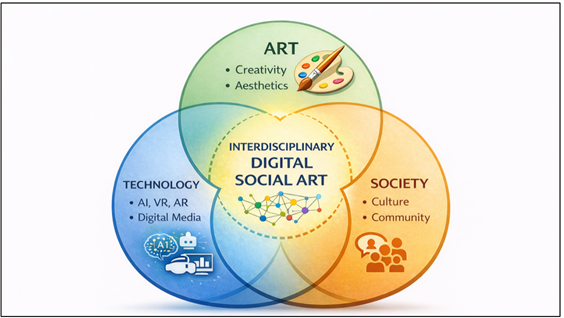
Figure 1 Intersection of Art, Technology, and Society
In the case of Figure 1 above, the intersection of Art, Technology and Society is shown and the interaction between creative expression, digital technologies and social interaction produces an interdisciplinary digital social art that enables communication, innovation and social change.
1.4. Motivation and Objectives of the Study
The growing merging of visual arts and technology is a recent opportunity to the promotion of social change and community involvement. However, it is an interdisciplinary subject, and it requires methodical research to achieve the success of integration of the practices of art, technological application, and the social objectives. Even though there are numerous positive experiences when digital art programs affected the society positively, there is still a need to explore existing practices and develop systematic models that would guide the usage of technology in socially oriented art. The actual motivating force of the research is to examine how visual arts supported by new technologies can contribute to the change in the lives of the society. The objectives of the research are as follows: the analysis of the existing art practices that have been enabled by technologies, their strong and weak aspects, and a suggestive supervision of a multidisciplinary paradigm of visual arts, technology, and social interaction. The study will provide insights, through them, that can aid the artists, researchers, educators and policymakers to use visual arts to effect positive changes in the society.
1.5. Organization of the Paper
The rest of this paper is structured in the following way. Section 2 talks about theoretical materials, and conceptual background in terms of visual arts, technology, and social change. Section 3 includes an overview of the recent literature reviewed on the topic of digital art practices and socially engaged visual media. Part 4 explores the current technologies that are applied in visual arts to engage the audience and communicate with them. Section 5 is a comparative discussion of the existing methods and analyzes them by the criteria of their effectiveness. Part 6 presents a suggested multidisciplinary model to incorporate visual arts and technology to transform society. Section 7 presents the envisaged results and social consequences of the suggested framework. Section 8 is a discussion of the research challenges and possible future directions and Section 9 is a conclusion of the research.
2. Background and Theoretical Foundations
2.1. Evolution of Visual Arts in the Digital Era
The history of visual arts has been intricately linked with the technological and cultural changes in the past. Painting, sculpture, and printmaking were the traditional visual expressive tools that over centuries of time were used as the main means of narration, cultural heritage, and visual depiction. Nonetheless, the latter half of the twentieth century saw a major change in the way of artistic activities as the digital technologies were introduced. With the development of computers, computer-based imaging applications and multimedia devices, artists were able to explore new creative procedures that were no longer restricted to the use of physical material and the studio settings. Consequently, digital art has started to become a specific field of art that combines visual artistic creativity and computational methods. Digital art has developed with a broad spectrum of practices and is now composed of digital illustration, computer-generated imagery, interactive installations, and multimedia performances. With state-of-the-art software application and programmes, and digital platforms, artists have created novel works of visual representation that incorporate visual appeal and technological functionality. Chamola et al. (2025). Such a transition has altered the very idea of artistic production as a manual one to a hybrid one, which means that artistic intuition and technological proficiency are combined. Furthermore, through digital art, artists can correct, distort, and create images, textures, colors, and spatial aspects to a level never available before.
2.2. Technology as a Catalyst for Artistic Innovation
The development of technologies has been instrumental in increasing the scope of creative art in the domain of visual arts. Computational technologies and digital tools have allowed artists to experiment and move to new forms of creativity, which had been challenging or impossible to accomplish using traditional methods. Artificial intelligence, machine learning, virtual reality, augmented reality, and data visualization have provided new avenues through which artists can experiment, allowing artists to make multifaceted visual stories and experiences. Artificial intelligence has been adopted as a powerful technology in the modern visual arts and has enabled artists to create images, patterns, and compositions by using algorithms. The use of AI-based creative systems can generate unique artistic outputs using big datasets of visual data that challenge the conventional concept of authorship and creativity. In much the same manner data visualization methods enable artists to convert abstract data into aesthetically appealing forms that can convey social, environmental or scientific utterances in a meaningful manner. These technological applications, in addition to increasing the artistic creativity, extend the communicative capacity of visual art. The technologies of VR and AR also help to drive the world of art by providing immersive environments, which are a mixture of the physical and digital space. By these technologies, artists are able to build interactive virtual worlds where viewers are then able to explore the artistic works in different ways emotionally and cognitively. Chang and Hwang (2024) These immersive experiences enable the audience to experience the works of art at a deeper emotional and cognitive level. With the ever-evolving technology, it is anticipated that usability of computer tools in artistic processes will create more forms of arts and transform the scope of aesthetic creativity.
2.3. Art as a Medium for Social Commentary and Activism
Manufacture of visual arts has had a long history of social commentary and political expression. Mostly, artists react to social reality in such a way that they create art that undermines ideological beliefs, points to social inequalities, and promotes human rights and justice. Visual art pieces have been used in the past to record the political conflicts, cultural trends, and social changes thus contributing to the development of the public consciousness and the shared memory. Protest posters, political cartoons, murals, and documentary photography have been the most commonly employed forms of artistic expression in the delivery of messages that are appealing to various people. Visual art in society remains an important aspect of social activism in the modern society. Artists have often applied their creative activities to such ventures like climate change, gender equality, racial justice, and community health consciousness. Art can reduce complicated social problems and offer them to more people through visual narration and use of symbols. Street art and community murals have become effective ways of engaging communities and provoking social discussion around issues in the streets and other urban locations.
3. Literature Review
3.1. Digital Art and Emerging Media Technologies
Digital art has become one of the most important processes in the modern visual culture which is propelled by the new media technologies to a large extent. The implications of digital technology in the form of computer graphics, multimedia platforms, augmented reality (AR), virtual reality (VR), and immersive installations to increase the range of creative expression have been extensively examined by researchers. Early research centred on the digitalisation of the ancient art practice with special attention paid to the role played by the digital software, graphic design tools as well as animation technologies in the development of the new visual experience. Such technologies enabled artists to work with visual elements more flexibly and with more precision, and to create complicated compositions and experiment with visual stories. The apparent role of immersive media technologies in artistic activity is the theme of current studies. The VR and AR environment enables the viewer to perceive art through three-dimensional virtual space and in the process of interaction, provide a greater emotional response and immersion in the thinking process. Artists are increasingly incorporating projection mapping, interactive screens and digital installations to form the multi-sensory artistic experiences that erase the borders between the real and virtual worlds. These technological advances have deeply changed the practice of exhibitions in museums, galleries and available spaces. Scholars have also underlined the value of digital platforms in ensuring artistic distribution and cooperation. Online exhibition, digital gallery, and social media avenue give artists a platform to interact with international people and make cross-cultural interactions. The same platforms also help in sustainable artistic projects in which artists and designers as well as technologists can engage in work irrespective of geographical boundaries. This has resulted in the digital art and the emergent media technologies becoming part of a more active and accessible artistic ecosystem that promotes experimentation and innovation.
3.2. Role of Artificial Intelligence and Data Visualization in Art
Big data visualization and artificial intelligence have become influential elements of modern artistic styles. The interplay between the applications of computational algorithms and machine learning models in the creation of art has made available to artists new kinds of generative art and algorithmic aesthetics. The scholars have discussed how AI systems can process big volumes of visual data to produce new artistic content in the form of images, patterns, and visual arrangements. Artificial intelligence in art has frequently been used using neural networks and generative models that are trained on existing artworks and create new visual variations Chheang et al. (2024). Nevertheless, irrespective of these controversies, AI technologies are gradually pushing the limits of artistic creativity by allowing artists to explore algorithmic procedures and automatic visual creation.
3.3. Social Impact of Technology-Driven Art Initiatives
Art initiatives of technology have been receiving growing attention because of their potential to bring about social awareness and involvement of the communities. Digital media, interactive technologies, and online platforms are some of the modern art projects that are used to solve economic issues in the society, including environmental sustainability, social justice, cultural diversity, and population health. Scholars have emphasized the use of visual narration and electronic media campaigns as effective mediums of delivering the multifaceted social messages to the various audiences. The digital art community-based projects have shown how technology can be used to empower individuals as well as provoke the people to participate. Christopoulos et al. (2024). as an example, interactive installations, collaborative digital murals, online visual campaigns enable people in the community to add their voice and experience to arts. This type of participatory projects enhances the sense of community and promotes discussion of social problems in groups. Experts suggest that such programs may lead to the creation of social solidarity and the improvement of cultural awareness through offering a voice to marginalized groups and communities that are not sufficiently represented.
3.4. Interactive and Participatory Art for Social Engagement
Participatory and interactive art forms have gained prominence in the visual art of today especially in those projects that seek to promote social interaction. Unlike traditional artworks, which offer viewers only passive visual experiences, interactive art promotes more active involvement of the audience into the artistic process. Researchers stress the idea that the involvement of the audience contributes to the feelings of more personal engagement and emotional impact and makes artistic experiences more significant and influential.
3.5. Summary of Existing Research
Digital accessibility, the ethical implications of the AI-created works, the problem of technology sustainability, and the intellectual property would need additional research. Furthermore, although the opportunities of technology-driven art are discussed in numerous works, frames of how visual arts should be integrated with technology and community should be provided. Consequently, the current research will be on the attempt to contribute to the available literature by examining the existing technological trends in the field of visual arts and develop a multidisciplinary paradigm, which will improve the use of visual arts in facilitation of social change. Chugh et al. (2025). This study analyzing both technological achievements and social influences provides a better insight into the interaction between visual arts and technology in their capacity to affect the present-day society.
Table 1
|
Table 1 Survey of Recent Research on Visual Arts, Technology, and Social Change |
|||
|
Technique |
Application Area |
Key Contribution |
Limitations |
|
Digital platforms, hybrid media, remote
collaboration tools Damrhung and Skar (2023) |
Contemporary digital art ecosystems |
Shows how digital technologies expand
accessibility, remote collaboration, hybrid art forms, and audience
participation in visual arts. |
Broad and mainly descriptive; limited evidence on
measurable long-term social impact. |
|
AI-assisted design systems, intelligent
art-design workflows Herdiawan et al. (2023) |
Art and design education |
Examines how AI influences art-design systems in
higher education and discusses future adoption of AI-supported design
practice. |
Focus appears education-centered;
findings may not generalize to community art or activist art settings. |
|
Digital visual-art engagement, psychoeducational
materials, skill-building exercises Innocente et al. (2024) |
Social connectedness and wellbeing |
Demonstrates that structured engagement with
digital visual art can be used to support social connectedness and
perspective-taking. |
Focused on psychosocial outcomes rather than
broader structural social change. |
|
Interactive digital-learning environments Jauhiainen (2024) |
Digital art education and creativity development |
Highlights how digital technologies reshape
art-making processes and support creativity and new aesthetic experiences in
learning contexts. |
Primarily pedagogical; less emphasis on public
engagement or civic activism. |
|
VR exhibition environments, TAM, Flow Theory,
Experience Economy model Jim et al. (2023) |
Virtual art exhibitions and user experience |
Identifies immersion, presence, interactivity,
aesthetic appreciation, and enjoyment as drivers of engagement with VR-based
art experiences. |
User-intention study; does not directly assess
social transformation outcomes. |
|
AI, VR, gamification,
motivation/self-determination framework Kabudi et al. (2021) |
Cultural heritage engagement |
Shows that digital technologies can renew youth
engagement with visual-arts heritage and support cultural continuity. |
Context-specific to Chinese ICH and undergraduate
learners. |
|
Review of socially interactive methods and
digital tools Karapakdee and Wannapiroon
(2023) |
Art education and learner engagement |
Reviews how socially interactive approaches and
digital technologies can deepen students’ artistic understanding and
participation. |
Review-based study; practical implementation
evidence may be limited. |
|
Interactive installations, participatory
environments Kim et al. (2024) |
Audience engagement in contemporary art |
Explains how interactive installations reclaim
sensory engagement and foster deeper viewer-artwork relationships through
participation. |
More conceptual and experience-focused; limited
comparative evaluation across contexts. |
|
Critical Interpretive Synthesis of AI
applications Kye et al. (2021) |
Graphic design and visual communication |
Synthesizes how AI is reshaping design workflows,
creativity, productivity, and design challenges in visual communication
practice. |
Focused on graphic design; less directly tied to
socially engaged visual-art interventions. |
|
Big data analytics, AI, STING clustering
algorithm Venezia (2024) |
Visual communication and interdisciplinary art
practice |
Proposes a data-driven approach for integrating
big data and AI into visual communication art and interdisciplinary artistic
expression. |
Technical emphasis is strong; human-centered evaluation and public social impact are less
clear. |
There are five apparent trends in the recent literature. To begin with, artistic work is becoming more participatory and accessible through digital and immersive media like VR, interactive installations, and online systems of exhibitions. Second, the AI is becoming the focus of image creation and design automation but also visual communication processes and art education. Third, numerous current research works are dedicated to education, involvement, and user experience, which has high-quality evidence of creativity improvement and participation of the audience, but comparatively fewer findings of long-term structural social transformation. Fourth, cultural preservation and social connectedness are becoming increasingly popular and are being pursued particularly in terms of digital interaction with heritage and visual-art-related wellbeing interventions Lekuthai (2008). Lastly, there is also a gap in the literature since most studies investigate technology adoption or artistic interaction alone, whereas fewer studies present a multidisciplinary framework of connecting visual arts, technology, and quantifiable social change.
4. Existing Methods and Approaches
4.1. Technology-Driven Visual Art Practices
One of the most significant tendencies in the modern art is visual art practices that are technologically driven. Artists are increasingly using sophisticated digital technology and computational technologies to create new visual experiences that merge artistic imagination and technological performance. Digital art, generative art, virtual reality (VR), augmented reality (AR) and artificial intelligence (AI) have greatly broadened the artistic expression means. The technologies enable artists to be able to control visual elements, build immersive spaces, and create art produced in a dynamic relationship with user interactions. The technologies of virtual reality and augmented reality are employed in most cases to build the types of immersive artistic environments in which a viewer could observe the artworks in the three-dimensional digital spaces Siva et al. (2025). VR systems are realistic simulated environments in which the users can interrelate with the objects and scenes and experience what is beyond the gallery environment. These are kinds of immersive environments that allow viewers to experience works of art via movement, observation, and sensory input. According to researchers, VR art is very interactive and intuitive, and the audience can be engaged in the artistic process; it does not have to passively view the work.
4.2. Digital Platforms for Socially Engaged Art
Internet resources are embraced as important tools of marketing socially responsible art and artistic communication among the global audience. The internet offers the channel to market the work of the artists via virtual galleries, social media networks, and online showrooms and offers the possibility to communicate with the audience in real-time. Such sites support the artistic collaboration, community communication and participation as well as, therefore, form a major resource in socially oriented art projects. One of the most excellent advantages of digital platforms is that it removes geographical boundaries. Only through the help of traditional physical galleries and museums, the artists will be able to distribute their work across the borders. Through online exhibition and online communities of art, the viewers with different cultural backgrounds can experience the works of art and have a conversation concerning the issues of social concern. In addition, online media allow artists to present pieces of art in various multimedia forms such as digital narratives, video arts, animations, and interactive visualization. Digital platforms in particular can be useful in creating awareness regarding social issues such as climate change, trending health, human rights as well as cultural diversity. The widespread common message employed by the artists is via online campaigns, online exhibitions, which disseminate messages that generate social action and public thought. To take an example, digital visual storytelling projects may be the amalgamation of photography, data visualization, and narrative to narrate complex problems in the society in a manner that is interesting to watch.
4.3. Multimedia Installations and Interactive Art
The other important visual art practice in relation to the existing visual arts is the multimedia installation and interactive art that includes involving audiences, expression of social messages. These artistic practices combine the use of different media to art space such as video, sound, light, computer-generated graphics as well as digital projection. Interactive technologies may bring a work of art alive to the audience behavior that is more interactive and personal because it involves sensors, motion tracking systems as well as digital interfaces that can be manipulated by the viewer. As one example, an installation may change its visual display depending on the movement of the viewer or change sound effects by the touch of the user. This sensitivity is what makes the piece of art a participatory space whereby the audience takes part in the development of the art. The application of immersive technologies such as VR and AR has also offered interactive art an opportunity. These technologies have the potential to assist the artists in creating the virtual space that recreates the real space and allows the users in working with the digitized objects. Within them, users are able to discover virtual worlds, interact with visual objects or interact with other people in common digital worlds. The investigations reveal that the immersive technologies revolutionize the art experience since they enable customized engagements and accessible art space. The installation of multimedia is also more likely to be present in museums, galleries, and other locations, which is aimed at attracting as many visitors as possible. The projections on the wall are majestic, digital screens, and immersive video projects have shocking effects on the eye and draw the crowds in. Multimedia installations are an excellent option in telling stories and responding using the visual, sound and interaction facet. All these characteristics make interactive art particularly effective to deliver certain complicated social messages and encourage individuals to get into the process.
4.4. Community-Based Digital Art Projects
The community-based digital art projects focus on the use of technologies to involve community in creation and interpretation of artistic works. Such projects are oriented at the work in teams, their engagement and mutual innovation, and the number of them is concerned with social issues impacting directly the local communities. It may involve using online platforms and interacting with the community members to post their experiences, views, and pictures in art projects.
Many of the community-based digital art works are typified by collaborative forms of production with the participants generating visual materials by using digital media tools. Community murals created using digital design software, participatory photography campaigns or collaborative story-telling projects may be included as such projects. The other critical aspect of the community based digital art is that one can save the cultures and teach people with the assistance of digital technology. The digital technologies allow the communities to document the cultural traditions, historic narratives and artistic works as the multimedia collections and digital displays. The social conversation has a positive side to the digital art projects organized in various communities, as they make the people engaged in the activity think about the main problems and the shared experience. Through participative art, individuals become acquainted with their societies in a more intimate fashion and have the capability of expressing themselves through creativity via the media. Through these projects, it can be seen how technology can be used in artistic innovation and also in social empowerment and cultural sustainability.
4.5. Challenges and Limitations of Current Approaches
There are also risks of technical malfunctions or lack of compatibility between digital art and its stability and longevity, especially in the case of exhibition, where several users are using the system at once. The ethical considerations are also a significant issue in the modern art practice, which is driven by technology. The problem of data privacy, algorithmic bias, and intellectual property rights gains more and more relevance as artists enter the realm of creative work with artificial intelligence and data-driven technologies. To illustrate, AI-generated art can also raise the issues of authorship and ownership, especially when these algorithms are trained using large amounts of data that already contain art works.
5. Comparative Analysis of Technology-Enabled Art Practices
The application of technology to the visual arts has created an extensive art practice which varies in technological sophistication, communicative involvement, and social influence. Such practices involve digital art platforms, generative art systems based on artificial intelligence, virtual and augmented reality experiences, multimedia installations and participatory art projects where participants are members of a community. Both of the styles have their contribution to the field of artistic communication and social interaction. Whereas there are practices that are based on immersive art experiences, others are centered on collaborative engagement or sharing of social messages via digital platforms. Thus, it is required to carry out the comparative analysis to assess effectiveness of these methods, as well as to learn how technology can be most effectively used to support socially involved visual arts. Practices in art that use technology are usually judged on the ground of their capability in developing artistic creativity, encouraging engagement to the audience, and social storytelling. Others depend greatly on sophisticated technological infrastructures, e.g. immersive virtual worlds or AI-based visual image generators, others use more accessible digital platforms to promote participation and creative collaboration. Comparing these approaches according to various criteria, one can learn what strength and weaknesses each of the methods has and what practices are the most considered to achieve the promotion of social engagement and cultural awareness. This part explores the current art practices, which are technology-enabled, to conduct a systematic comparative analysis of the same. The discussion is based on three key points that include evaluation criteria of determining the social impact, comparison of various technological models applied in visual arts, and performance indicators that gauge the effectiveness of art-technology integration. This analysis will help the study to offer perspectives that will help in the future frameworks of socially engaged digital art.
5.1. Evaluation Criteria for Social Impact in Art
The Figure 1 demonstrates that to determine the social impact of technology-enabled visual arts, it is necessary to identify the set of criteria which can be considered as indicators of artistic efficacy and social involvement. In contrast to the conventional technological systems, the art based interventions usually evaluated based on both the qualitative and the experiential aspects as well as the quantitative ones. Thus, to evaluate the impact of intervention, researchers usually employ multidimensional models of evaluation taking into consideration artistic, social, technological and educational results. Audience engagement is considered to be one of the evaluation criteria. Accessibility and inclusiveness is another major criterion. To impact social lives of people positively through art programs, it should be made available to everyone irrespective of their level of technology and economic capacity. This aspect is frequently successful when it comes to digital platforms and online exhibitions as it is possible to spread the works through internet-based technologies all over the world. Nevertheless, the use of highly specific technologies, like VR or AI systems, can be restricted because of the equipment availability or the complexity of the technologies.
Figure 2
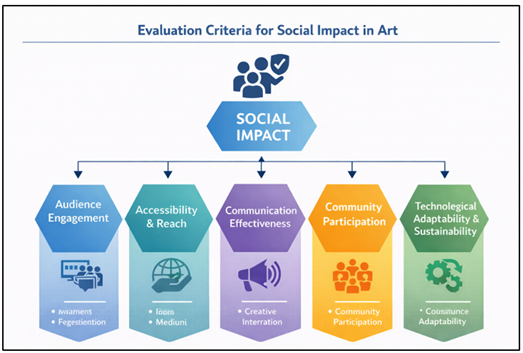
Figure 2 Evaluation Criteria for Social Impact in Art
5.2. Comparative Analysis of Existing Models
The table below compares various models of technology-enabled visual art with regard to the criteria of evaluation like the level of audience engagement, accessibility, technological complexity and social impact.
Table 2
|
Table 2 Comparative Analysis of Technology-Enabled Art Practices |
|||||
|
Model / Approach |
Technology Used |
Audience Engagement |
Accessibility |
Social Impact |
Limitations |
|
Digital Art Platforms |
Social media, web galleries |
Medium |
High |
Awareness creation |
Limited interaction |
|
AI-Generated Art |
Machine learning, generative algorithms |
Medium |
Medium |
Creative innovation |
Ethical concerns and technical complexity |
|
Virtual Reality Art |
VR headsets, immersive environments |
High |
Low–Medium |
Strong emotional engagement |
High cost and equipment dependency |
|
Interactive Installations |
Sensors, projection systems |
High |
Medium |
Strong public engagement |
Requires technical infrastructure |
|
Community-Based Digital Art |
Digital storytelling, collaborative platforms |
High |
High |
Community empowerment |
Requires coordination and participation |
Table 2 indicates through a comparative analysis that the two technological approaches have distinct strengths. Digital technologies are very accessible, immersive technologies make it more interesting, AI solutions encourage creative exploration, and participatory art projects make the community more involved. All these methods might be combined to create more successful socially engaged art projects.
5.3. Performance Indicators for Art–Technology Integration
In order to quantify how well the initiatives using technology to create visual art work, a number of performance indicators may be employed. These pointers are used to assess the extent to which technology can improve the artistic creativity and social effects. The audience reach is one such indicator that is used to calculate the number of people that were exposed or interacted with the artwork. Digital platforms are usually more effective as they have global access. Level of interaction is another indicator and it is a measure of how much the audiences are involved in the artistic experience. Interactive installations and immersive technologies tend to show a greater degree of engagement than the digital artworks that are not interactive. Another performance indicator is the creative innovation. The use of technology can also be an indicator of the educational impact, particularly regarding art projects that focus on increasing awareness of a social problem. Lastly, community collaboration measures the rate of involvement of communities that are part of the artistic project like environmental sustainability, public health, or cultural heritage. The social engagement is likely to be more extensive in projects where participatory design processes are applied, and collaborative storytelling.
6. Proposed Framework
The growing integration of visual arts and digital technologies has opened up the possibility of methods of establishing systematic structures to facilitate the practice of sociable arts. Although the current strategies reveal the possibility of digital media, artificial intelligence, immersive technologies, and participatory platforms, most of these initiatives are run independently without the conceptual framework. Consequently, it is necessary to have a multidisciplinary model which incorporates artistic creativity and technological innovation and communal involvement in a methodical way. The framework proposed in this research will fill this gap by integrating the views of visual arts, digital technology, social sciences and communication studies. The framework is aimed at developing technology-based visual art projects through collaboration among artists, technologists, researchers, and communities in order to spread social awareness and engagement. Through the combination of artistic expression and technological devices and collaborative approaches, the framework aims to enhance the role of visual arts in bringing social change. The suggested model in the Figure 1 focuses on the accessibility, collaboration, and technological adaptability. It will stimulate artists to use digital media, immersive technology, and interactive systems but the community members should be the active participants of the creative process. Data visualization, digital storytelling, and interactive media are also based on the framework and used to communicate complicated social issues.
6.1. System Architecture of the Proposed Framework
Figure 2 below demonstrates the system architecture of the proposed framework that illustrates the structural association between various elements contained in the technology-driven visual art projects. The proposed framework is designed conceptually, which means that it is grounded on the interaction of three significant spheres, namely visual arts, digital technologies, and social engagement. These areas are the basic components needed to develop technology-based art programs which can be used successfully in conveying social messages and motivating the community to participate.The architecture is divided into four primary layers, namely, the input layer, processing layer, interaction layer and the output layer. The source of artistic and social information is represented by the input layer. Such sources as community stories, cultural information, social problems and other artistic concepts are presented by participants and artists. This layer provides a platform of creative content development. Processing layer encompasses technological tools and platforms that are used to convert input data into an artistic output. This layer consists of the digital media software, AI-based visual generation systems, VR and AR environment, and interactive design tools. In this phase, artists and technologists work together to create a work of art, which is interactive and visually stimulating. The interaction layer is dedicated to the audience involvement and interaction. The interactive interfaces and online platforms and exhibition spaces enable viewers to experience the work and engage with its visual features. This layer helps viewers to be active participants in the artistic experience. Output layer is the aesthetic products and social contribution of the framework. These results can be a digital exhibition, community installation, social awareness, and a mutual visual storytelling project. The evaluation mechanisms are also part of the output layer and they determine the level of audience involvement and social impact.
Figure 3

Figure 3 Proposed System Architecture
6.2. Workflow of Technology-Driven Social Art Projects
The technological social art project workflow in the suggested framework would have a systematic sequence of the stages, which would guide the development of socially engaged artistic projects. Identifying and conceptualization of the problem is the first step that implies that artists and researchers define the social issues or problems, which are to be made known to people. Consultations and research in the community contribute to the clarification of the goals and artistic orientation of the project.
The second step is the stage of creative design and technological planning. Through this stage, artists come up with visual ideas and choose the right technological resources that may facilitate an interactive and immersive artwork experience. Development and implementation is the third stage in which digital artworks, interactive installations or multimedia campaigns are created with the help of the chosen technologies. Working together with the artists, technologists and community members will make sure that there are different perspectives in the artistic outputs.
7. Expected Outcomes and Societal Impact
The proposed framework is expected to produce its results in many areas, such as empowering individuals, cultural sensitivity, community involvement, and educational growth.The outlined subsections outline the key areas in society that can be positively influenced by the development of the proposed multidisciplinary framework. Lekuthai (2008).
7.1. Empowerment through Digital Visual Expression
Among the most great consequences of the visual art projects that have been enabled by technology, it is possible to mention the empowerment of individuals in the context of digital visual expression. The digital technologies offer affordable equipment that can allow people of various backgrounds to engage in artistic work and represent their views in a wider audience. With the help of digital drawing tools, multimedia graphics, and design collaborative tools, one can visualize their experiences, emotions, and ideas into a visual story.
This creative empowerment is especially significant to the marginalized or underrepresented communities. Digital art platforms enable people to express their social realities, their cultural identities, and their experiences as part of their communities using the visual media. Technology-driven art programs are effective because they offer the opportunity to engage in creative involvement and allow people to speak up and engage in social discourse with the rest of society.
Moreover, online visual communication encourages emotional involvement and self-examination. Creative art can be a form of therapy and self-reflection where one is able to reflect on the personal experiences and social issues. The interactive digital spaces also help the participants to explore creative ideas and to work together with others, and they develop confidence and creativity.
7.2. Cultural Awareness and Social Advocacy
Visual arts that are facilitated by technology can also serve the purpose of cultural awareness and social advocacy. Visual media have the capability to tell complicated cultural stories and societal messages in both interesting and understandable ways. The use of digital technologies allows these artistic messages to be delivered to the world via the internet, social media campaigns and virtual exhibitions. Digital platforms can also make artworks circulate and provoke a discussion between different communities unlike traditional art exhibitions which can be confined to only a particular geographic location. This broad access grows the possibilities of visual arts to shape the opinions of the masses and provoke mass reaction.
7.3. Community Participation through Interactive Art
The second significant societal impact of the visual art efforts taking place due to technology is the higher number of people participating in the work. Interactive art projects induce the audience to play with artistic pieces as opposed to merely viewing them. With technologies like motion sensors and touch interfaces and interactive digital platforms, the viewers may control the artistic elements of the artwork and play a role in the creation of the art piece. Through visualizing such problems by using the arts, communities may learn more about the collective problem, and thereby consider ways to resolve these issues.
7.4. Educational and Policy Implications
Visual arts and digital technologies integration also imply significant consequences to education and population policy. Technology-mediated art practices can offer creative, critical-thinking and interdisciplinary collaboration methods of instruction in education. The digital technologies which include interactive design software, multimedia storytelling platforms, and immersive visualization technologies enable students to become familiar with artistic concepts and become technologically literate. Technology based visual arts can be integrated in the education systems by introducing technology based visual arts in curricula to ensure that interdisciplinary learning is achieved through integrating art, science, technology and social studies. These kinds of learning environments promote the students to reflect on social problems, come up with innovative ideas, and express them in graphic forms. Incorporation of art and technology education would equip students with new creative industries and digital cultural industries. Visual arts that have been enhanced by technology also come in handy when it comes to educating and creating awareness to the masses. Digital visual communication strategies can be employed by the governments and social organizations to spread the information regarding the public health, environment protection, and civic engagement. In complex policy matters, visual storytelling and interaction media can make them easier to digest to ordinary people.
8. Challenges and Future Research Directions
The possibilities of visual arts and their integration with new technologies of digital nature are so numerous to become innovative and socially engaging, yet they are also associated with numerous serious challenges. The ethical and cultural issues are associated with one of the most important issues. Among the issues that might be raised with the implementation of technologies, relying on artificial intelligence, data analytics, and immersive media, there are authorship, intellectual property, algorithmic bias, and ethical use of cultural material. In addition, technology-driven art projects must ensure that the culture narratives and group identities are presented in the right and respectable way, especially when it comes to a sensitive societal issue. Another huge problem is the technological access and the digital divide. The complicated technologies such as virtual reality, artificial intelligence systems and immersive installations are either costly, require technical expertise and devices. Siva et al. (2025). This implies that artists and communities that are not technologically blessed may have issues with the digital art projects. In order to overcome this dilemma, the solution is to develop an inclusive technology, affordable technology, and training opportunities that could assist more individuals to participate in technology-driven artistic endeavors.
Another major issue to digital art projects is sustainability. The frequency of change of technology is highly fast and therefore, it might be difficult to preserve or keep digital artworks in the future. Moreover, technologically-based installations often require regular technical assistance, funds and infrastructure maintenance. To ensure that the digital art activities are made long-term sustainable, technological preservation policies, technological support funds, and tech environmental friendliness measures are needed. Garg et al. (2025), Suri et al. (2025), Karunanithi et al. (2020) However, the technologically enabled sphere of visual arts contains enormous research perspective in the future. The emerging technologies such as mixed reality, AI-based creative systems, and interactive digital platforms make possible new approaches of artistic experimentation and interpersonal communication. Over the coming years, studies need to be done in order to comprehend social impact of digital art programs, come up with ethical models to regulate the usage of technologies in creativity and promote interdisciplinary collaboration among artists, technologists, educators, and policymakers. Visual arts and technology can continue to emerge as effective tools of societal transformation and cultural communication with such efforts. Rawandale and Kolte (2019), Rathore et al. (2023), Hazarika et al. (2019)
9. Conclusion
The paper has discussed the multidisciplinary multifaceted relationship between technologies and social change in visual arts. Due to the rapid development of the digital technologies of artificial intelligence, virtual and augmented reality, interactive media, and other platforms of digital communication, the visual arts have become out of their traditional forms of expression, and became powerful social instruments and means of cultural discourse. The research has shed light on the positive impact of artistic practices that are defined by technology in enhancing visual narration, audience interaction and generation of awareness of issues of concern to the society. The paper has subsequently examined the history and theoretical context of the digital era visual arts by examining how the newly developed technologies are influencing the transformation of the artistic fields, as well as expanding the creative potential in the artistic pursuits. To investigate the most recent research on digital art, the interactive installations and AI-assisted creativity in addition to participatory art practices, a literature review was elaborated. As revealed in the review, the implementation of visual arts is also being adopted to address social issues, increase cultural sensitivity and shared artistic expression, using technology.
The paper has analyzed the existing strategies and methods such as the digital platforms, multimedia installations and community based digital art programs. This was done with a comparative analysis of the effectiveness of different technology based art practices in other factors such as the engagement of the audience, accessibility, effectiveness of this communication and community involvement. It has been demonstrated in the discussion that integration of innovation in technology with artistic creativity would contribute significantly to enhancing social value of visual art. The research proposed the frame of visual arts and social change in a multidisciplinary approach as a way of getting around the weakness of the prevailing approaches. The model involves systematization of the architecture with creative design, technology, and participatory and social impact assessment. The model encourages the collaboration between artists, technologists, researchers and communities in the generation of technology-based artistic projects that may lead to social awareness and cultural dialogue. It is expected that this framework will lead to more empowerment with the assistance of digital visualization, more cultural awareness, the involvement of communities, and role in policy education and development. Although the challenges related to the ethic, technological availability and sustainability are concerned, these aspects can also become the origins of the further exploration and creation. In conclusion, the integration of the visual arts and the emerging technologies can be developed to a considerably great extent to improve the social change. Visual arts can become a decent instrument of communication, cultural exchange, and beneficial influence on society through creative power and technological innovation in art and interaction with communities.
CONFLICT OF INTERESTS
None.
ACKNOWLEDGMENTS
None.
REFERENCES
Aristidou, A., Shamir, A., and Chrysanthou, Y. (2019). Digital Dance Ethnography. Journal on Computing and Cultural Heritage, 12(4), 1–27. https://doi.org/10.1145/3344383
Buragohain, D., Meng, Y., Deng, C., Li, Q., and Chaudhary, S. (2024). Digitalizing Cultural Heritage Through Metaverse Applications: Challenges, Opportunities, and Strategies. Heritage Science, 12(1), 295. https://doi.org/10.1186/s40494-024-01403-1
Chamola, V., Peelam, M. S., Mittal, U., Hassija, V., Singh, A., Pareek, R., Mangal, P., Sangwan, D., De Albuquerque, V. H. C., Mahmud, M., and Brown, D. J. (2025). Metaverse for Education: Developments, Challenges, and Future Direction. Computer Applications in Engineering Education, 33(3), e70018. https://doi.org/10.1002/cae.70018
Chang, C., and Hwang, G. (2024). Promoting Students’ Real Case-Handling Performance and Higher Order Thinking in Virtual Contexts: A Metaverse-Facilitated Collaborative Learning Approach. Interactive Learning Environments, 33(4), 2978–2993. https://doi.org/10.1080/10494820.2024.2430633
Chheang, V., Sharmin, S., Márquez-Hernández, R., Patel, M., Rajasekaran, D., Caulfield, G., Kiafar, B., Li, J., Kullu, P., and Barmaki, R. L. (2024, January 17–19). Towards Anatomy Education with Generative Ai-Based Virtual Assistants in Immersive Virtual Reality Environments. Proceedings of AIxVR 2024. IEEE. https://doi.org/10.1109/AIxVR59861.2024.00011
Christopoulos, A., Styliou, M., Ntalas, N., and Stylios, C. (2024). The Impact of Immersive Virtual Reality on Knowledge Acquisition and Adolescent Perceptions in Cultural Education. Information, 15(5), 261. https://doi.org/10.3390/info15050261
Chugh, R., Turnbull, D., Morshed, A., Sabrina, F., Azad, S., Mamunur, R. M., Kaisar, S., and Subramani, S. (2025). The Promise and Pitfalls: A Literature Review of Generative Artificial Intelligence as a Learning Assistant in ICT Education. Computer Applications in Engineering Education, 33(2). https://doi.org/10.1002/cae.70002
Damrhung, P., and Skar, L. (2023). Lives in Motion. Routledge. https://doi.org/10.4324/9781003453673
Garg, N., Jadhav, K. D., Solanki, S., Dabral, K., Padghan, N. P., and Gode, S. A. (2025). Public-Private Partnerships for Sustainable Urban Wash Infrastructure Development. Waterlines, 43(2), 113–130. https://doi.org/10.3362/waterlines.v43i2.528
Hazarika, I., et al. (2019). Role of HR metrics in Enhancing Firm Performance of Selected UAE Airline Companies. Academy of Strategic Management Journal, 18(6), 1–8.
Herdiawan, R. D., Afrianto, A., Nurhidayat, E., Nurhidayah, Y., and Rofi’i, A. (2023). Folklore-Based Virtual Reality as a Teaching Media in the Secondary School Viewed from its Implication and Multimodal Aspects. International Journal of Language Education and Culture Review, 9(1), 85–96. https://doi.org/10.21009/ijlecr.v9i1.37646
Innocente, C., Nonis, F., Lo Faro, A., Ruggieri, R., Ulrich, L., and Vezzetti, E. (2024). A Metaverse Platform for Preserving and Promoting Intangible Cultural Heritage. Applied Sciences, 14(8), 3426. https://doi.org/10.3390/app14083426
Jauhiainen, J. S. (2024). The metaverse: Innovations and Generative AI. International Journal of Innovation Studies, 8(3), 262–272. https://doi.org/10.1016/j.ijis.2024.04.004
Jim, J. R., Hosain, M. T., Mridha, M. F., Kabir, M. M., and Shin, J. (2023). Toward Trustworthy Metaverse: Advancements and Challenges. IEEE Access, 11, 118318–118347. https://doi.org/10.1109/ACCESS.2023.3326258
Kabudi, T., Pappas, I., and Olsen, D. H. (2021). AI-Enabled Adaptive Learning Systems: A Systematic Mapping of the Literature. Computers and Education: Artificial Intelligence, 2, 100017. https://doi.org/10.1016/j.caeai.2021.100017
Karapakdee, J., and Wannapiroon, P. (2023). Immersive Digital Storytelling Learning Experience with a Metaverse Gamification Game Platform to Enhance Game Developer Competency. International Journal of Information and Education Technology, 13(6), 890–898. https://doi.org/10.18178/ijiet.2023.13.6.1884
Karunanithi, V., Vasanthan, R., Kumar, S. H., Barman, B., and James, J. (2020). Analysis of Metacognitive Tasks for Second Language Speech Development: Theory and Research Implications. Journal of Critical Reviews, 7(3), 152–158. https://doi.org/10.31838/jcr.07.03.29
Kim, Y., Kim, Y., Kwon, N., and Kim, H. (2024). A Usability Evaluation of a Metaverse Library: A Case Study of the “Community Virtual Library.” Journal of Librarianship and Information Science. Advance Online Publication. https://doi.org/10.1177/09610006241307389
Kye, B., Han, N., Kim, E., Park, Y., and Jo, S. (2021). Educational Applications of Metaverse: Possibilities and Limitations. Journal of Educational Evaluation for Health Professions, 18, 32. https://doi.org/10.3352/jeehp.2021.18.32
La Biennale Di Venezia. (2024, August
26). Free ur Head. La
Biennale di Venezia.
Lekuthai, P. (2008). Lanna Culture and Social Development: A Case Study of Chiangmai Province in Northern Thailand. Cancer Epidemiology Biomarkers and Prevention, 168(168), 1–106.
Rathore, Y., Mishra Chaturvedi, V., Sujay Madhukar, K., Karwande, V. S., Rokade, A. H., and Nagargoje, Y. (2023). Patient Engagement and Satisfaction in AI-Enhanced Healthcare Management. In International Conference on Artificial Intelligence for Innovations in Healthcare Industries (ICAIIHI 2023). IEEE. https://doi.org/10.1109/ICAIIHI57871.2023.10489712
Rawandale, U. S., and Kolte, M. T. (2019). Study of Audiogram for Speech Processing in Hearing Aid System. in 2019 IEEE Pune Section International Conference (PuneCon) (1–4). IEEE. https://doi.org/10.1109/PuneCon46936.2019.9105706
Siva, P., Pujitha, G. B., Krishna, G. S., Hemanth, G., and Teja, B. M. S. (2025). Computer Vision Enabled Smart Surveillance for Urban Traffic Control. International Journal of Advanced Computer Engineering and Communication Technology, 14(1), 48–55. https://doi.org/10.65521/ijacect.v14i1.171
Suri, S., Lakshman, K., Goyal, E., Goyal, G., Sood, G., Mirajkar, G. S., and Anerao, P. (2025). Emotion Modeling in Sculpture Design Using Neural Networks. ShodhKosh: Journal of Visual and Performing Arts, 3(3s), 31–40. https://doi.org/10.29121/shodhkosh.v6.i3s.2025.6756
|
|
 This work is licensed under a: Creative Commons Attribution 4.0 International License
© ShodhKosh 2026. All Rights Reserved.