ShodhKosh: Journal of Visual and Performing ArtsISSN (Online): 2582-7472
|
|
Data-Driven Storytelling in Performing Arts: Innovation at the Intersection of Creativity and Analytics
Pushpa Nagini Sripada 1
 ,
Nivetha N. 2
,
Nivetha N. 2 , Suganya S. 3
 , Suresh Arumugam 4
 ,
Mohana Thiruchenduran 5
,
Mohana Thiruchenduran 5 ,
Ankur Singh Bist 6
,
Ankur Singh Bist 6
1 Professor,
Department of English, Meenakshi College of Arts and Science, Meenakshi Academy
of Higher Education and Research, India
2 Department
of Computer Science, Meenakshi College of Arts and Science, Meenakshi Academy
of Higher Education and Research, India
3 Assistant Professor,
Department of Management Studies, Meenakshi College of Arts and Science,
Meenakshi Academy of Higher Education and Research, India
4 Scientist, Central
Research Laboratory, Meenakshi Medical College Hospital and Research Institute,
Meenakshi Academy of Higher Education and Research, India
5 Associate Professor,
Department of Biochemistry Meenakshi Ammal Dental College and Hospital,
Meenakshi Academy of Higher Education and Research, India
6 Graphic Era Hill University Bhimtal Campus and Centre for Promotion of Research Graphic Era (Deemed to be) University
Dehradun, India
|
|
|
ABSTRACT |
|
|
Data
analytics, digital technology and interactive media has
transformed the creative industries including the
performing arts significantly due to its quick spread. Traditionally,
storytelling has been very reliant on intuition of art as well as cultural
narratives and interpretation by the audience especially in the theatre,
dance and live performance field. However, the arrival of data-driven
approaches has unveiled new opportunities of narrative design augmentation
and the ability to interact with the audience and be flexible in performance.
The article addresses the concept of data-driven storytelling in performing
arts and how analytic knowledge and creative activities can be used together
to increase the intensity of immersive and receptive performance experiences.
The study also offers a comprehensive framework, combination of data
collection, analytical processing, creative assimilation and performance
execution to support new storytellings methods.
Analysis is done on the data of the audience behavior, feedback system,
interactive technology to identify the effects on the development of a story,
or a stage performance. A descriptive comparison between the traditional
storytelling systems and the data-driven storytelling systems underline a significant improvement in the viewer
engagement, interactivity and personalization, and creative versatility in
case analytical knowledge is incorporated into the creative process. The
findings show that the utilization of data analytics in performing arts would
help to support the needs of the directors, performers, production teams and
provide the audience with more customised and
dynamic experiences. As much as the benefits can be achieved, there are other
concerns that are paramount when effecting the changes and these are,
technological infrastructure requirements, ethical concerns that are raised
about privacy of information as well as the fact that artistic originality
has to be maintained. The research ends with the opinion that the future of
the performing arts ecosystem will require interdisciplinary collaboration
between artists, data scientists and technologists in order to devise
sustainable and innovative paradigms of storytelling. |
|||
|
Received 04 December 2025 Accepted 25 March 2026 Published 03 April 2026 Corresponding Author Pushpa
Nagini Sripada, sripadapn@maher.ac.in DOI 10.29121/shodhkosh.v7.i3s.2026.7313 Funding: This research
received no specific grant from any funding agency in the public, commercial,
or not-for-profit sectors. Copyright: © 2026 The
Author(s). This work is licensed under a Creative Commons
Attribution 4.0 International License. With the
license CC-BY, authors retain the copyright, allowing anyone to download,
reuse, re-print, modify, distribute, and/or copy their contribution. The work
must be properly attributed to its author.
|
|||
|
Keywords: Data-Driven Storytelling, Performing Arts Analytics,
Creative Data Science, Audience Engagement, Interactive Theatre, Digital
Performance, Narrative Analytics, Creative Technologies |
|||



1. INTRODUCTION
1.1. Background of Data-Driven Storytelling
Therefore, the background of Data-Driven Storytelling is the focus of the 1.1 section.
Storytelling has been the main elements of performing arts, being a significant tool of conveying ideas, feelings, and cultural stories by artists to the audience. Conventionally, theatrical, dance, music, and other performing art storytelling has been based on human creativity, intuition, and experience. Nonetheless, as digital technologies have rapidly evolved, the creative process has started to incorporate computational technologies, data analytics, and artificial intelligence to improve art. Data-driven storytelling is a new paradigm in which high amounts of data are processed and become meaningful stories that have the potential to impact performance design, audience engagement, and creative decision-making. AlMousa et al. (2017).
Over the last years, the growing access to digital information produced as a result of interaction with the audience, the use of social media, and performance analysis has provided new opportunities to the artists and researchers. Data-driven storytelling enables artists and actors to include the audience feedback, behavioral analytics, and real-time data into the structure of the narrative of the performance. This change is part of a larger movement that is sweeping the creative industry in which data analytics are utilized to inform innovation, audience optimization, and evidence-based creative practices. Ambros-Antemate et al. (2023).
Data analytics integration into working with the arts do not eliminate human creativity but supports it. Now artists can utilize data to discover novel forms of narrating stories, discover what is popular with the audience, and develop immersive experiences that are better personalized and interactive.
1.2. Evolution of Technology in Performing Arts
The application of technology in performing arts has been enhanced over the last century. The initial technological interventions were mainly the stage lighting, sound amplification and mechanical design of the stage, which promoted the visual and auditory effects of the performance. At the end of the twentieth century with the advent of digital technologies, performing arts started to include the multimedia aspects of digital projection, video installation, and computer generated soundscapes. Avola et al. (2019).
The twenty-first century has brought an even more radical change upon the introduction of the latest computing technologies such as big data analytics, machine learning, and interactive online platforms. These technologies allow the performers and directors to examine the behavior of the audience, monitor the engagement patterns, and therefore adjust the performance. As an example, the valuable data can be gathered with the help of digital sensors, wearable devices, and audience interaction platforms during the performances, which will provide the insights into the audience reactions and emotional involvement.
1.3. Concept of Data Analytics in Creative Practices
Data analytics can be defined as the methodical procedure of gathering, building, and analyzing information to draw valuable implications and make decisions. Within the framework of creative practices, data analytics can be applied to learn the audience behavior, assess the performance effectiveness, and contribute to the creation of new storytelling approaches.
In performing arts, there are a number of ways that data analytics can be put into practice. The data on the audience gathered in ticketing, social media interactions and the digital platforms can give the audience patterns in terms of their demographics, preferences and their level of engagement. Motion capture technologies, stage sensors, and audiovisual systems can be used to generate performance data that can be very detailed in regards to the movement, timing and coordination of performers. Through such datasets, the artist and researchers will be able to get a better understanding of the role played by various aspects of a performance to the general audience experience Baker et al. (2017), Beristain-Colorado et al. (2021).
Experimentation and innovation in the creative processes are also supported using data analytics. An analytical tool can be employed by the artists to experiment with various narrative and visual compositions and performance forms before offering them to the audiences. This methodology allows a more creative and reflexive process involving the artistic decision-making process that is backed by both empirical evidence and artistic intuition. Data analytics, therefore, can be very instrumental in closing the gap existing between artistic creativity and technological innovation.
1.4. Importance of Integrating Creativity and Data
Creativity and the use of data are a major turn of the conceptualization, production, and evaluation of artistic performances. Artistic creativity has traditionally been considered to be an intuitive and subjective undertaking which is characterized mainly by the experience and imagination of the artist. Nonetheless, the accessibility of data is now growing, which has brought new opportunities to enhance creativity with the help of analytical knowledge. Chan (2018).
Offering the unbiased information and creativity, the artist will be able to prepare a more engaging and powerful performance. The findings of data analysis may be used to determine the tendency in the audiences preferences and, in such a way, the performers are able to adjust the storylines, their themes, and styles of presentation to the needs of the audience and achieve a more favorable outcome in the form of the performance. The results of data analysis can be used to estimate the tendencies in the preferences of the audience and, in this way, the performers can adjust the storylines, the themes, or even the style of the presentation to the expectations of the audience and can provide a more positive stream of the performance. Also, the active analysis of data in real time during live performance may enable the performers to change their storytelling methods dynamically and make them more interactive and immersive.
1.5. Research Problem and Motivation
Even though more people are now interested in data-driven storytelling in the performing arts, there is only limited academic research that examines the potential applicability of data analytics to creative storytelling. Artistic work involving the investigation of digital technologies tends to be ill-organized, and typically, there are not many frameworks that can provide information on the utilization of the data in the area of performance design and narrative creation.
This study is informed by the need to explore the possibility of adopting information-based solutions to enhance the narration of the performing arts without interfering with the sincerity and emotion that characterize the expression of art. This balance is paramount to be aware of as excessive reliance on data may lead to the loss of creativity to mere analytics and failure to adopt data-driven decisions may limit the scope of innovation and access to the audience.
The study, therefore, targets the topic of examining the
potential of implementing data analytics to creative process within performing
arts in such a way that it enables the artists to construct the artistic vision
alongside exploiting the technical possibilities.
1.6. Objectives of the Study
The primary objective of the provided study is to pay attention to the way in which the concept of data-driven storytelling may be applied to transform contemporary performing arts. Specifically, the study will discuss how data analytics can be applied to support creative decision-making and enhance audience engagement and creative storytelling approaches.
The proposed study will also aim at making a conceptual framework that will demonstrate how a data and creativity incorporation process can be applied to the artistic production process. The paper will seek to identify the most critical strategies, tools, and issues in the implementation of data-driven storytelling in performing arts through conducting a case analysis of the existing practices and case studies.
1.7. Scope and Significance of the Study
The paper in question is dedicated to the problem of the intersection of data analytics and performing arts and it is applied specifically to theatrical performances, dancing performances and music performances. The discussion comprises both theoretical perspectives and the practical applications of the idea of data-driven storytelling in the form of the use of digital technologies, audience analytics, and interactive performance systems.
The significance of this study is that it might assist not only in the development of the academic study but also in art practice. At the scholarly level, the study makes a contribution to the general body of knowledge on digital humanities and creative technologies through exploring the opportunities of applying data analytics to influence the storytelling of performing arts. In practice, the research can provide data that can be utilised by artists, directors, and production crews to incorporate the application of data in their creative activities Chu and Mazalek (2019).
Figure 1
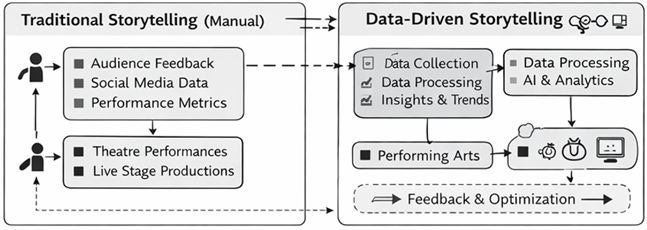
Figure 1 Comparative Models: Traditional Vs. Data -Driven Story telling in Performing Arts
Figure 1 includes a comparative model demonstrating the disparities between the traditional storytelling and the data-driven storytelling in the performing arts. The traditional method involves a creative decision-making process that mostly relies on the intuition and experience of the artists, directors and performers with less structured information about the audience. After performances, feedback is usually obtained either by manual observations or casual feedback which is unlikely to have a major effect on building the story in a real-time setting Ge (2025).
2. Literature Review
2.1. Overview of Data-Driven Storytelling
Data-driven storytelling is a process that involves the application of data analysis, visualization and computation to build meaningful stories. Performing arts traditionally depended on the intuition and creative interpretation of artists to perform the storytelling. Nevertheless, the fast development of digital technologies and analytics has changed the conceptualization and presentation of narratives. Data-driven storytelling involves merging analytical abilities and artistic innovativeness to come up with performances that are informed by the activity of the audience, cultural trends, and real-time interaction information.
According to scholars, data may be not merely an information source but also a creative resource that can be used to create the art world. When information is rendered as a visual, sounding or performance, they are connected to the narrative structure itself. As an example, the live environmental input or social media feedback (or audience response data) can be used by the performance designers to affect the story development Ghobadi et al. (2025).
2.2. Technology and Digital Transformation in Performing Arts
Introduction of technology in performing arts is a popular topic in scholarly literature. Initial studies were directed at applying stage technologies to the visual effect in the form of lighting systems, sound engineering, and projection mapping. As time passes, digital technologies have increased the options of the performance design by introducing multimedia features, immersive experiences, and interactive systems. Gurgenidze and Mamuladze (2017)
New technologies like big data analytics, machine learning, and digital sensors have started to affect the practices of storytelling in theatre, dance, and music in the past few years. These technologies enable artists to gather and process information involving audience behavior, performer movement and performance conditions. As an illustration, motion capture can be used to capture the movements of the dancers and convert it to digital representations which can be used to form part of the storytelling process. On the same note, interactive projection systems can modify visual material according to the actions of the performers on stage.
It is important to stress that technology in performance art cannot be regarded only as the technical contribution but as a tool that helps to increase the possibilities of creativity. Through implementing the digital technologies in the storytelling, artists can develop the hybrid performances that involve physical and virtual, which provide more immersive and engagements among the audience. Hashim et al. (2018)
2.3. Role of Data Analytics in Creative Industries
The use of data analytic has gained more significance in different fields of creativity, such as film, music, video games, and performing arts. Data analytics allows organizations and creators to know the taste of the audience, forecasting trends as well as determining the success of creative products. Within the performing arts, the information collected with the help of ticketing systems, online tools, and audience interaction can be useful in understanding the audience demographics, engagement, and cultural interests of the audience Gurgenidze and Mamuladze (2017).
Scholarly work indicates that analytics have the potential to aid evidence-based decision-making in the creative production. Producers and directors can study the audience statistics to identify trending themes, time of performance, or the best marketing approach. Also, social media analytics may show the reaction of the audience to performances and determine what aspects are close to the audience. The insights allow the artists to improve their methods of telling stories and create a performance that is more consistent with the expectations of the audience.
Nevertheless, researchers also observe that there should be a balance between the application of analytics in the creative sector and the freedom of art. The excessive use of data driven approaches can preclude experimentation and originality, which are key elements of creative work in art. Hence, a collaborative model where data analytics can be helpful instead of substituting creative decision-making is encouraged by many researchers. Jin (2024)
2.4. Interactive and Immersive Storytelling in Performing Arts
The recent performing art has given a significant research field to interactive storytelling. Interactive performances also enable audiences to shape the narrative outcomes unlike in traditional performances where the audience plays a passive role. Mobile applications, wearable sensors, interactive stage systems, and other digital technologies help performers to receive feedback provided by the audience during the performance, and combine it into the plot of the performance.
Real-time data streams are often used in immersive theatre productions and multimedia dance performances to adjust a visual effect, soundscape, or a stage environment. As an example, the reactions of the audience that is recorded by using online means can cause the shifts in light, music speed, or storyline. With such performances, boundaries between performers and audiences are blurred, which leads to collaborative storytelling.
Researchers indicate that interactivity supported by data will boost the audience interest because the viewers are active participants in the process of storytelling. The strategy is not only more emotionally engaging, but also enables performances to become dynamically responsive to the reaction of the audience. Therefore, interactive storytelling with data analytics is a promising innovation trend in the field of performing arts. Kira et al. (2024)
2.5. Research Gaps in Data-Driven Storytelling
Despite the fact that the available literature sheds some light on the issue of technology and creativity within performing arts, there are still several gaps. The majority of works dwell upon the use of technologies including digital projections or multimedia stage design, whereas fewer studies dwell upon the systematic implementation of data analytics into storytelling frameworks. Also, little research exists regarding how artists can successfully use data insights and their sense of creativity in the process of developing a performance.
The other significant gap is associated with the fact that there are no formalized models or conceptual frameworks that facilitates data-driven storytelling implementation in performing arts. Data analytics have a lot of potential that is tested in many experimental performances, and these lack methodological documentation that would enable academic analysis and replication.
Thus, additional studies are necessary to create more elaborate models that may outline the way in which data can be incorporated in the creative process and retain the artistic authenticity. The opportunity to fill these gaps will promote the development of theoretical knowledge and the implementation of data-driven storytelling in the performing arts of today. Lau and Agius (2021)
Table 1
|
Table 1 Summary of Research Contributions. |
|||
|
Technique / Method Used |
Application Area |
Key Contribution |
Limitations |
|
Narrative Visualization and Data Storytelling
Techniques Hashim et al. (2018) |
Digital storytelling and visual analytics |
Proposed a taxonomy for narrative visualization,
explaining how data and storytelling can be combined effectively to
communicate complex information. |
Focuses mainly on data visualization; limited
discussion on performing arts applications. |
|
Data analytics and digital media analysis Jin (2024) |
Interactive media and cultural analytics |
Explored how big data influences cultural
production and audience interaction in creative industries. |
Lacks specific frameworks for integrating
analytics into live performing arts storytelling. |
|
Practice-based research and creative technology
frameworks Kira et al. (2024) |
Digital art and interactive performances |
Highlighted the role of digital technologies and
computational systems in enhancing artistic creativity and audience
engagement. |
Emphasis on technology rather than structured
data-driven narrative development. |
|
AI-based data visualization and machine learning Lau and Agius (2021) |
Media art and immersive installations |
Demonstrated how large datasets can be
transformed into immersive artistic experiences, merging data analytics with
creative expression. |
Focus primarily on visual media art rather than
live performing arts. |
|
Digital storytelling and participatory media
methods Liu et al. (2021) |
Theatre and performance studies |
Investigated how digital tools support
participatory storytelling and enhance audience engagement in performances. |
Limited analytical evaluation of audience data
and performance metrics. |
|
Cultural analytics and big data analysis Kothare et al. (2025) |
Digital culture and creative industries |
Introduced the concept of cultural analytics,
emphasizing how large cultural datasets can reveal patterns in artistic
production and audience engagement. |
Theoretical focus; limited empirical examples
from performing arts performances. |
|
Interactive performance systems and audience
participation technologies Alaguthankamani and Begum (2025) |
Immersive theatre and interactive performances |
Explored how digital systems and audience input
can shape narrative outcomes in live performances. |
Implementation complexity and limited scalability
in traditional theatre settings. |
3. Proposed Framework
3.1. Research Design
The current research takes the conceptual and framework based research approach in order to investigate how the use of data can improve storytelling in performing arts. The study combines the theory of data analytics, digital media technologies, and creative performance studies to create an organized system that facilitates the creation of innovative narratives. The methodological approach is concerned with the way in which the information gathered among the audiences, performances, and digital platforms can be examined and included in the artistic process. The study is mainly design-oriented research approach, in which a conceptual framework is suggested to show how analytical tools and creative practices can collaborate with each other. The proposed approach would help to develop a systematic approach to data-driven storytelling in the performing arts of the present day, as the combination of current research findings and the use of technology would be used to shape the approach based on these findings. Liu et al. (2021)
Figure 2
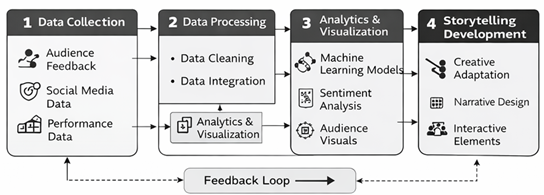
Figure 2 Research Methodology for Data Driven Story telling in Performing Arts
3.2. Data Sources and Data Collection
The success of data-driven storytelling depends on the presence and quality of any pertinent information in a large part. In this study, information is gathered under various sources that are connected with the issue of audience interaction and performance settings. These sources are the audience feedback forms, statistics of social media interactions, recordings of digital performance, and interactive sensors of performance spaces. The feedback and the measures of the audience reactions will give the information about the reactions on the emotional level, tastes, and the way of behavior during the performances. Social media analysis also plays an additional role in determining the trends of the audience discussion, review, and response to artistic performance. Also, digital production tools deliver performance-related information like lighting patterns of the stage, choreography patterns, and visual design features. The charted information is then packaged and ready to be analyzed so as to be able to elicit insights that are meaningful to support the creative story telling process. Kothare et al. (2025)
3.3. Proposed System Architecture
The system architecture offered in Figure 3 is characterized by four large phases that are collectively used to support the data-driven storytelling in performing arts. The initial level is Data Acquisition, during which the information on the audience interaction, recordings of performances, and online platforms is collected. This phase works to make sure that the various types of information touching on the performance environment are gathered in an organized manner. Data Processing and Analysis is the second step and involves the application of computational methods such as machine learning algorithms, statistical analysis, and sentiment analysis to the audience analysis to determine the trends in the storytelling aspects.
The third stage is the Creative Integration Layer where creativity and information collected at the analytical step are then transformed into artistic components such as storyline, stage design, choreography patterns, light designs and multimedia effects. It is a form of interactive space where the artists, performers, and technologists are made aware of the findings of analytical analysis and apply them to their decision making artistic work. Performance Output and Evaluation that consists of putting the data-informed storytelling elements into the practice in live shows or digital-oriented pieces constitutes the final stage. The audience response is again monitored to determine the effectiveness of the creative strategies used in a bid to constantly improve the story-telling process.
Figure 3
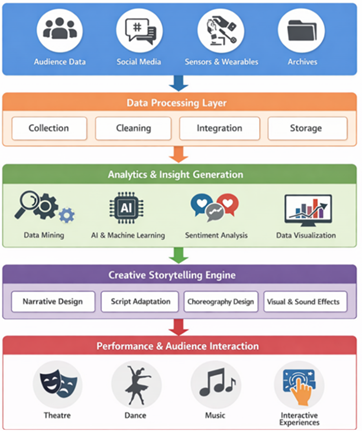
Figure 3 Proposed System Architecture for Data-Driven
Storytelling in Performing Arts
3.4. Analytical Techniques and Tools
To supplement the framework proposed, the investigation is grounded on the synthesis of analytical tools and digital tools that make it possible to transform crude information into creative outputs. This model employs machine learning to learn the engagement patterns and numerous other trends on what the audience would like to view in the form of narratives. The sentiment analysis techniques are used to analyze the audience reaction which is captured in the social media comment and feedback systems. Besides, it is possible to present the results of the analytical work in graphic form with the help of data visualization tools and provide them easily to artists and performance designers. The digital stage technologies are also present that comprise the multimedia projection systems, lighting control software and interactive media tools that take the analytical insights into artistic elements that are incorporated in the performance. All these tools contribute to the establishment of the atmosphere of cooperation among creative artistic efforts and information grounded in data to make the process of narrative disclosure more efficient. Alaguthankamani and Begum (2025)
3.5. Implementation Workflow
The application of the suggested framework is organized to pursue a systematic workflow that links data collection, data analysis, and data output production. First, there are performance-related data and audience engagement data which are gathered through different sources. The data obtained is then subjected to analytical models to determine patterns and trends and emotional reactions. The creative teams such as the directors, the performers and the designers will interpret these insights and apply them to the storytelling elements. It is then applied to performances or digital art presentations using a modified storytelling structure. Lastly, the system measures the effectiveness of the data-driven storytelling methodology by assessing the level of audience engagement and feedbacks. This creative cycle guarantees that the creative side of art is constantly being harnessed with analytical information in order to provide performing arts experiences that are more interactive and responsive.
4. Applications and Results
4.1. Applications in Theatre Performances
Data-driven storytelling in theatrical productions may affect a variety of performance service designs, such as script writing, character dynamics, and stage appearance. Feedback received by the audience via surveys and through the Internet will give information on the desired topics, speed of the narratives, and the emotional involvement to the characters. As an illustration, the sentiment analysis of the reactions of the audience may be used to determine the scenes that are likely to produce intense emotional responses. These can be used by directors and scriptwriters to improve delivery of dialogues, to change the pacing of the narrative or to focus on some themes in the story. Also, there are real-time interaction with the audience technologies, i.e., mobile voting, interactive stage, etc., where audiences typically have an impact on what happens on the narrative during the performance.
An example of using data-driven storytelling in the theatre shows how analytical information can be used to complement storytelling that remains spontaneous and emotional, which define live performances. Jadhav et al. (2025)
4.2. Applications in Dance and Choreography
Such data-oriented methods as motion capture systems and performance analytics are beneficial to dance performances. Wearable sensors and motion sensors may capture movement of dancers and give information in detail on posture, time, and space patterns. Through such data, choreographers are able to perfect the dance sequences, enhance coordination among the dancers as well as experiment with new movement patterns. As an example, the analysis of data can indicate the areas in which the transitions of the movements can become more fluid or where the visual effects can be improved with the help of the spatial positioning.
Moreover, interactive dance work may also use real-time data streams, including movement of the audience or environmental information, to change the choreography in real-time. This kind of performances provides a special and integrative experience where by, the choreography moves and develops as the audience participates and in a context.
4.3. Applications in Music and Live Performances
Storytelling using data has also been extensively used in music performances and live concerts. Composers and musicians can also study the behavior of the audience listening to the online platforms and determine the popular musical styles, tempos, and themes. Live performances can be captured with sensors and digital interaction platforms during performances, to detect reactions of the audience like the power of applause, movement behavior, or interactions via the mobile platform. It is possible to adjust musical orchestrations, light effects and visuals of the stage in real time using these data inputs.
4.4. Interactive and Immersive Storytelling Experiences
Among the key benefits of the data-driven storytelling approach, there is the fact that it can be applied to facilitate interactive and immersive performance experiences. Data-driven systems allow the audience to be actively involved in the creation of the narrative as opposed to the traditional performance, where the audience is limited to a passive role. Real-time data of mobile devices, sensors or social media platforms are frequently used in interactive theatre productions, immersive dance performances or multimedia installations to affect narrative development. To illustrate, the decisions of producers made by the audience via mobile apps can shape the development of a narrative or the behavior of actors.
These interactive narrative experiences develop a participative atmosphere where the performers and the audience participate in the story together. This method also boosts the interest of the audience and makes them tend towards feeling the show emotionally. Karule et al. (2025)
4.5. Evaluation of Audience Engagement
In order to quantify the effectiveness of the proposed framework, several assessment indicators can be used to determine the outcome of the audience engagement and performance. Such measures include Audience participation rates of the interactive performances, Sentiment analysis of the audience feedback of survey and social media, the engagement measures, e.g., attendance rates, repeat viewership, and online interactions, and the performance quality measures, e.g., the synchronization, accuracy of choreography, and the narrative coherence.
4.6. Key Results and Findings
Enhanced Audience Engagement, Improved Creative Decision-Making, Dynamic Performance Adaptation and Interdisciplinary Collaboration are some of the key observations that are witnessed during the implementation of the proposed framework. Vasanthan and Nandhini (2014)
5. Discussion of Results
The findings suggest that high potentials of data-driven storytelling can be used to transform performing arts by making it easier to have more adaptive and interactive experience of the performances. The artists can come up with performances, which are emotional and technologically innovative, through creative intuition and analytical knowledge. However, such frameworks should also properly consider ethical concerns, the issue of data protection and need to maintain artistic authenticity. Data analytics may help in enhancing the storytelling but as a supplement and not a dictatorship to storytelling.
5.1. Comparative Analysis
The quantitative comparison between traditional and data-driven storytelling techniques is introduced in the table in reference to the key performance indicators that apply in the contemporary field of performing arts. The table brings out the evident differences in the two storytelling styles. The concept of traditional storytelling is based on the use of already existing narratives and interpretation of the performer which leads to the moderate audience engagement, but with less interactivity and personalization. Rawandale et al. (2023)
Figure 4
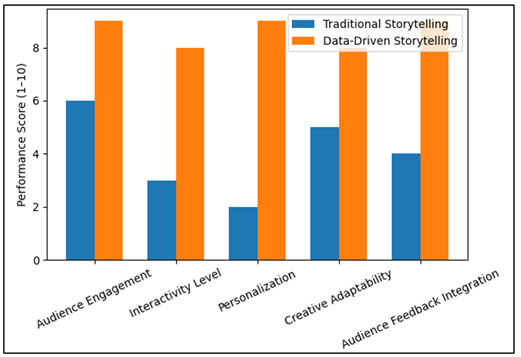
Figure 4 Comparative Analysis of Traditional Vs Data-Driven
Story Telling in Performing Arts
Table 2
|
Table 2 Comparison Table of Evaluation of Storytelling Approaches in Performing Arts Table |
||
|
Performance Metric |
Traditional Storytelling |
Data-Driven Storytelling |
|
Audience Engagement |
6 |
9 |
|
Interactivity Level |
3 |
8 |
|
Personalization |
2 |
9 |
|
Creative Adaptability |
5 |
8 |
|
Audience Feedback Integration |
4 |
9 |
This will allow performances to be dynamically adapted and this will enhance the level of engagement and will also enable the audience to affect the narrative. Consequently, more scores are recorded in interactivity, personalization and integration of feedback
5.2. Graphical Representation of Comparative Analysis
As the graphical representation in Figure 4 shows clearly, data-driven storytelling is superior in all the metrics taken into account in comparing it to the traditional one. The most significant differences are noticed regarding personalization, the degree of interactivity, and the incorporation of the audience feedback, which suggests the high significance of analytics and digital technologies to enhance the participatory storytelling. Formal narratives possess the advantages of creative plausibility and narrative functionality and the elasticity and receptiveness of information-based frameworks. The results show that the implementation of data analytics in the efforts of performing arts can help increase the viewer engagement by a significant margin and offer a more entertaining story. Veeravalli et al. (2025)-Banerjee and Hazarika (2014)
5.3. Discussion of Comparative Results
The comparison and contrast analysis demonstrate that the element of using data in narration of a story is a paradigm change when it comes to performing. Audience data, interactive technologies, and analysis assist the performers in designing performances, which vary with the interaction. Still, the traditional narration is not unimportant in the respect of the preservation of the originality of art, emotionality and cultural identity. Consequently, the most appropriate solution is possibly a hybrid one, i.e. use of data-driven insights to supplement the traditional narrative techniques. This combination can help the performers to maintain the artistic value of telling stories and take pleasure in critical abilities of contemporary technology.
6. Conclusion
The fusion of information and application of musical stories is a game changer to the performing art market. This paper dealt with the concept of data-driven storytelling in performing arts by highlighting the way the application of analytical tools, audience data, and digital technologies can enhance the creative performance, audience response, and performance adaptability. The creative analytics relationship has been examined in the paper based on systematic framework involving data collection, data analysis, creative combining action and performance. With the combination of the artistic perception and the empirical learning, one can possibly make the performing arts practitioners develop the responsive and the immersive experiences, which conform to the demands of the contemporary audience. This paper demonstrates that the use of data-driven narratives can have an enormous influence on the audience, personalization, and interactivity than other traditional storytelling methods. Under the comparative analysis carried out in this paper, data-grounded strategies were observed to enable the performers and the directors to be more knowledgeable of tastes of the audience, behavioral tendency, and emotional response. This fact may be used in tailoring stories, altering the element of the stage and introducing the interactive technology which creates more significant and interactive experiences. It can also be implied by the findings that the systems that are founded on analytics, allow creators to participate in informed decisions within production and the live performance stage, thus enhancing the overall quality and relevance of the artistic production. One of the most important contributions that have been made by the suggested conceptual framework is as the result of this research. The paradigm demonstrates how artistic processes can be systematically implemented in data collection tools, data analysis algorithms and innovative design processes. The proposed systematic architecture and critical analysis can establish a foundation of the research among scholars and practitioners who want to apply data science techniques to creative domains. In addition, it is also possible to note some practical applications of the study such as interactive theatre, adaptive stage performance, analysis of the audience feedback and personal narrative experience.
This work can be further expanded in the future by undertaking empirical case studies and actual experimental applications onto the stage in case of theatrical productions, dances, and digital stages. One more way that researchers can consider to expand the experience of interactive storytelling is through the incorporation of Artificial Intelligence, machine learning, and immersive features like augmented and virtual reality. Besides that, cross-functional partnerships with data scientists, artists, and media technologists will be necessary to create new tools that do not lean too much on either aesthetic or analytical accuracy.
CONFLICT OF INTERESTS
None.
ACKNOWLEDGMENTS
None.
REFERENCES
AlMousa, M., Al-Khalifa, H. S., and AlSobayel, H. (2017). Requirements Elicitation and Prototyping of a Fully Immersive Virtual Reality Gaming System for Upper Limb Stroke Rehabilitation in Saudi Arabia. Mobile Information Systems, 2017, 1–12. https://doi.org/10.1155/2017/6398321
Alaguthankamani, and Begum, F. A. (2025). Digital Marketing and Its Effect on Women IT Employees’ Consumer Buying Behaviour in Online Shopping. International Journal of Research in Digital Marketing and Retailing, 14(2), 1–8. https://doi.org/10.65521/ijrdmr.v14i2.872
Ambros-Antemate, J. F., et al. (2023). Improving Adherence to Physical Therapy in the Development of Serious Games: Conceptual Framework Design Study. JMIR Formative Research, 7, e39838. https://doi.org/10.2196/39838
Avola, D., Cinque, L., Foresti, G. L., and Marini, M. R. (2019). An Interactive and Low-Cost Full Body Rehabilitation Framework Based on 3D Immersive Serious Games. Journal of Biomedical Informatics, 89, 81–100. https://doi.org/10.1016/j.jbi.2018.11.012
Baker, J., Wanick, V., Asiri, M., Wills, G., and Ranchhod, A. (2017). Immersion and Narrative Design in Educational Games Across Cultures. In Serious Games and Edutainment Applications: Volume II (605–621). Springer. https://doi.org/10.1007/978-3-319-51645-5_26
Banerjee, R., and Hazarika, I. (2014). Determinants of Financial Performance of Commercial Banks in Dubai, UAE: A CAMELS Model Analysis. In Proceedings of AWBMAMD Conference. Dubai.
Beristain-Colorado, M. D., et al. (2021). Standardizing the Development of Serious Games for Physical Rehabilitation: Conceptual Framework Proposal. JMIR Serious Games, 9(2), e25854. https://doi.org/10.2196/25854
Chan, C. L. (2018). Serious Game Design for Stroke Rehabilitation (Doctoral Dissertation, City University of Hong Kong). https://doi.org/10.4324/9781351313124-12
Chu, J. H., and Mazalek, A. (2019). Embodied Engagement with Narrative: A Design Framework for Presenting Cultural Heritage Artifacts. Multimodal Technologies and Interaction, 3(1), 1. https://doi.org/10.3390/mti3010001
Dogan, E., and Kan, M. H. (2020). Bringing Heritage Sites to Life for Visitors: Towards a Conceptual Framework for Immersive Experience. Advances in Hospitality and Tourism Research, 8(1), 76–99. https://doi.org/10.30519/ahtr.611105
Ge, Y. (2025). Localization Protection and Inheritance of Art-Related Intangible Cultural Heritage in the Digital Era. Hunan Social Sciences, 2025(3), 166–172.
Ghobadi, N., Kinsner, W., Szturm, T., and Sepehri, N. (2025). Embedded System for Interactive Pneumatic Hand Rehabilitation: Real-Time Gaming Interface with Cognitive Stimulation for Motor Recovery. IEEE Access, 13, 74470–74484. https://doi.org/10.1109/ACCESS.2025.3524812
Gurgenidze, M., and Mamuladze, N. (2017). The Role of Cultural Events in Rehabilitation, Therapy and Education of People with Special Needs. Journal of Education and Practice, 8(25), 35–38.
Hashim, S. H. B. M., Ismail, M. B., Manaf, H. B. A., and Hanapiah, F. A. B. (2018). Framework of Virtual Reality Game on Dual Cognitive Task for Stroke Rehabilitation. In 2018 IEEE Symposium on Computer Applications and Industrial Electronics (ISCAIE) (pp. 114–118). IEEE. https://doi.org/10.1109/ISCAIE.2018.8405454
Jadhav, K. D., Pathak, A., Bhosale, K. S., Nair, S., Pokale, N. B., Bogam, V. A., and Arguelles Jr., P. R. (2025). Smart Groundwater Management: Affordable IOT-Based Solutions for Rural Water Supply. Waterlines, 43(2), 149–167. https://doi.org/10.3362/waterlines.v43i2.530
Jin, Z. (2024). Rehabilitation Product Design for the Elderly Based on Tianjin Regional Culture. Tomorrow Fashion, 2024(8), 97–99.
Karule, K. P., Sapkal, V., Mirajkar, G., Babajanov, M., Tajne, P., Ahire, L. K., and Qushnazarova, U. (2025). Leveraging Transfer Learning Techniques for Automated Tuberculosis Classification on Chest X-Ray. Indian Journal of Tuberculosis, 72, S512–S530. https://doi.org/10.1016/j.ijtb.2025.11.015
Kira, A., et al. (2024). An Approach for Automatic Adaptation of Serious Games Applied to Virtual Motor Rehabilitation. In 2024 IEEE 12th International Conference on Serious Games and Applications for Health (SeGAH) (1–8). IEEE. https://doi.org/10.1109/SeGAH61285.2024.10639554
Kothare, H. J., Lanjewar, S. S., Wankhede, M. V., Bagadte, V. R., and Polke, A. (2025). Wireless Bluetooth Low Energy (BLE) Voltmeter: A Modern Solution for Remote Voltage Monitoring. International Journal of Advances in Electrical and Electronics Engineering, 14(1), 6–10. https://doi.org/10.65521/ijaeee.v14i1.324
Lau, S.-Y. J., and Agius, H. (2021). A Framework and Immersive Serious Game for Mild Cognitive Impairment. Multimedia Tools and Applications, 80, 31183–31237. https://doi.org/10.1007/s11042-021-11116-4
Liu, B., Gu, B., Zheng, L., and Wan, H. (2021). Research on the Design and Cultural Communication of Cultural Heritage-Oriented Serious Games. Packaging Engineering, 42(14), 47–53.
Rawandale, U. S., Ganorkar, S. R., and Kolte, M. T. (2023). Aquila-Based Adaptive Filtering for Hearing Aid with Optimized Performance. International Journal of Intelligent Engineering Systems, 16(3), 151–161. https://doi.org/10.22266/ijies2023.0630.12
Vasanthan, R., and Nandhini, R. (2014). Activities-Based Content for Language Teaching at the College Level: An Indian Classroom Perspective. Man in India, 94(4), 987–995.
Veeravalli, S. D., Patil, P. A., Porwal, T., Karwande, V. S., Budhewar, A. S., and Nanche, B. M. (2025). Adaptive-Personalised Federated Deep Learning for Privacy-Aware NAFLD Screening. In International Conference on Innovations in Intelligent Systems: Advancements in Computing, Communication, and Cybersecurity (ISAC3 2025). IEEE. https://doi.org/10.1109/ISAC364032.2025.11156569
|
|
 This work is licensed under a: Creative Commons Attribution 4.0 International License
© ShodhKosh 2026. All Rights Reserved.