ShodhKosh: Journal of Visual and Performing ArtsISSN (Online): 2582-7472
|
|
Embodied Cognition and Somaesthetic Approaches in Dance Education: A Systematic Review of Behavioral and Psychological Outcomes
Xiuyan Chai 1
 ,
Trianti Nugraheni 2
,
Trianti Nugraheni 2 ,
Juju Masunah 3
,
Juju Masunah 3 ,
Ayo Sunaryo 4
,
Ayo Sunaryo 4

1 Ph.D.
candidate in Dance Education, School of Postgraduate Studies, Universitas
Pendidikan Indonesia, Bandung, West Java, Indonesia
2 Professor
in Dance Education, School of Postgraduate Studies, Universitas Pendidikan
Indonesia, Bandung, West Java, Indonesia
3 Professor in Dance Education, School of Postgraduate Studies,
Universitas Pendidikan Indonesia, Bandung, West Java, Indonesia
4 Professor in Dance Education, School of Postgraduate Studies,
Universitas Pendidikan Indonesia, Bandung, West Java, Indonesia
|
|
|
ABSTRACT |
|
|
This
systematic review synthesizes empirical evidence on the behavioral and
psychological outcomes associated with embodied cognition and somesthetic
approaches in dance education. Drawing on an integrative framework combining
social cognitive theory and self-determination theory with embodied cognition
and somesthetic perspectives, the review examines how dance education
practices that foreground bodily awareness, somatic reflection, and
culturally situated embodied learning influence self-awareness, self-regulation,
cultural identity, metacognition, and psychological wellbeing. Following
PRISMA 2020 guidelines, a systematic search across five electronic databases
(Scopus, Web of Science, PubMed, ERIC, and PsycINFO) covering the period from
2005 to 2025 identified 847 records. After screening, 18 empirical studies
meeting all inclusion criteria were included in the thematic synthesis. The
findings reveal four major behavioral and psychological outcome themes:
enhanced somatic self-awareness and interoceptive sensitivity, improved
self-regulation and metacognitive capacity, strengthened cultural identity
formation and prosocial behavior, and positive psychological wellbeing and
motivational outcomes. Evidence from studies conducted across ten countries
with diverse populations consistently demonstrated that theoretically
grounded embodied dance education approaches produce measurable behavioral
changes operating through integrated cognitive, affective, and sensorimotor
processes. For behavioral science, these findings demonstrate that embodied
pedagogical practices constitute a distinctive class of behavioral
interventions whose mechanisms extend beyond purely cognitive processes. The
review offers evidence-based recommendations for integrating embodied cognition
and somaesthetic principles into dance education curricula and highlights
priorities for future longitudinal and cross-cultural research. |
|||
|
Received 20 December 2025 Accepted 21 February 2026 Published 31 March 2026 Corresponding Author Xiuyan
Chai, chaixiuyan@upi.edu DOI 10.29121/shodhkosh.v7.i1.2026.7224 Funding: Funded
Project: “A Study on the Living Inheritance and Innovative Shift of Anhui
Flower Drum Lantern Dance in Contemporary Dance Creation under the Background
of ‘Innovation and Entrepreneurship’” (Fund Number: 2025rwzdi25). Copyright: © 2026 The
Author(s). This work is licensed under a Creative Commons
Attribution 4.0 International License. With the
license CC-BY, authors retain the copyright, allowing anyone to download,
reuse, re-print, modify, distribute, and/or copy their contribution. The work
must be properly attributed to its author.
|
|||
|
Keywords: Somatic Self-Awareness, Dance Pedagogy, Embodied
Learning, Behavioral Intervention, Self-Determination |
|||



1. INTRODUCTION
Dance, as an inherently embodied art form, occupies a distinctive position at the intersection of physical movement, cognitive processing, emotional expression, and cultural transmission Foster Vander Elst et al. (2023), Warburton (2011). In recent decades, the theoretical frameworks of embodied cognition and somaesthetics have offered increasingly sophisticated perspectives through which to understand how dance-based pedagogical practices influence human behavior. Embodied cognition theory posits that cognitive processes are fundamentally shaped by bodily experience and sensorimotor engagement Shapiro (2019), Varela et al. (2016), thereby challenging the traditional mind–body separation that has long dominated educational practice. Richard Shusterman (2008), Shusterman (2012), a philosophical program emphasizing the body as both subject and object of aesthetic experience, has similarly provided new conceptual tools for understanding how bodily awareness cultivated through dance education can enhance perception, self-regulation, and cultural understanding. Contemporary dance education across diverse cultural contexts faces a persistent pedagogical tension between emphasizing technical proficiency and fostering holistic embodied learning Arnold (2005), Sööt and Viskus (2014). This tension carries behavioral science implications, as pedagogical approach directly influences learners’ self-awareness, motivation, identity formation, and psychological wellbeing Bhutoria and Hebbani (2019), Corcoran et al. (2018). Research has increasingly demonstrated that dance education programs grounded in embodied cognition principles produce measurable changes in behavioral and psychological outcomes that extend well beyond motor skill acquisition, encompassing metacognitive development, emotional regulation, cultural identity construction, and prosocial behavior Foster Vander Elst et al. (2023), Koch et al. (2019).
Despite growing research interest, the evidence base remains fragmented across multiple disciplines, including cognitive psychology, educational psychology, dance studies, neuroscience, and cultural sociology. Several systematic reviews have examined specific aspects of dance and behavior, such as the neuroscience of dance Foster Vander Elst et al. (2023), the psychological effects of dance movement therapy Koch et al. (2019), and dance interventions for physical and cognitive health Patterson et al. (2024). However, no systematic review has specifically synthesized findings on the behavioral and psychological outcomes of dance education approaches that are explicitly grounded in embodied cognition or somaesthetic theory. This gap limits the understanding of how these theoretically informed pedagogical approaches function as behavioral interventions and constrains the development of evidence-based dance education curricula targeting specific behavioral outcomes.
This systematic review addresses this gap by synthesizing empirical evidence on how embodied cognition and somaesthetic approaches in dance education influence behavioral and psychological outcomes. Drawing on social cognitive theory Bandura (1986) and self-determination theory Ryan and Deci (2000) as integrative behavioral science frameworks, this review examines how dance education practices that foreground bodily awareness, somatic reflection, and culturally situated embodied learning affect self-awareness, self-regulation, cultural identity, metacognition, and psychological wellbeing. The review question guiding this study is: What behavioral and psychological outcomes are associated with dance education approaches grounded in embodied cognition and somaesthetic theory, and through what mechanisms do these approaches influence human behavior?
2. THEORETICAL FRAMEWORK
2.1. EMBODIED COGNITION AND BEHAVIORAL LEARNING
Embodied cognition theory provides a foundational framework for understanding how dance education influences behavior by proposing that cognition is not merely brain-based computation but emerges from the dynamic interaction among body, brain, and environment Shapiro (2019), Wilson (2002). Within educational contexts, this perspective suggests that bodily engagement in dance serves as a mechanism for behavioral learning, as motor experience shapes cognitive structures that in turn influence perception, memory, decision-making, and self-regulation Gallagher and Lindgren (2015), Stolz (2015). The concept of embodied metacognition further extends this framework by demonstrating that dance training enhances metacognitive monitoring and control processes through strengthened connections between neural correlates of metacognition and movement Dong et al. (2024).
Somaesthetics and Behavioral Self-Awareness
Shusterman (2008), Shusterman (2012) contributes to the behavioral science framework by theorizing how systematic cultivation of bodily awareness enhances perceptual sensitivity, self-knowledge, and aesthetic judgment. Shusterman distinguishes three dimensions of somaesthetics: analytical (philosophical examination of bodily experience), pragmatic (methods for improving somatic awareness), and practical (transformative bodily practices). For behavioral science, the practical dimension is particularly significant, as it implies that somatic practices in dance education function as behavioral interventions that develop heightened interoceptive awareness and self-regulatory capacity Arnold (2005), Rouhiainen (2008). The concept of somatic authority referring to a learner’s capacity to make autonomous decisions about their own bodily practices based on enhanced self-awareness represents a behavioral outcome with implications for self-determination and intrinsic motivation Rimmer-Piekarczyk (2018).
2.2. INTEGRATIVE BEHAVIORAL SCIENCE FRAMEWORK
This review integrates embodied cognition and somaesthetic theory with two established behavioral science frameworks. Social cognitive theory Bandura (1986) provides a mechanism for understanding how observational learning, self-efficacy development, and self-regulation interact with embodied experience in dance education contexts. Self-determination theory Ryan and Deci (2000) offers an explanatory framework for understanding how embodied dance education practices satisfy basic psychological needs for competence, autonomy, and relatedness, thereby influencing intrinsic motivation and behavioral engagement. Together, these frameworks enable systematic analysis of how dance education approaches grounded in embodied cognition function as behavioral interventions operating through integrated cognitive, affective, and sensorimotor processes.
3. REVIEW METHOD
3.1. AIMS OF THE REVIEW
This systematic review aimed to synthesize empirical evidence on the behavioral and psychological outcomes associated with dance education approaches grounded in embodied cognition and somaesthetic theory. Specifically, the review sought to identify the types of behavioral and psychological outcomes reported in the literature and to examine the mechanisms through which these theoretically informed pedagogical approaches influence human behavior.
3.2. DESIGN
This systematic review was conducted following the Preferred Reporting Items for Systematic Reviews and Meta-Analyses (PRISMA) 2020 guidelines Page et al. (2021). The review protocol was developed in accordance with established systematic review methodology Moher et al. (2009).
3.3. SEARCH STRATEGY AND DATA SOURCES
A systematic search was conducted across five electronic databases: Scopus, Web of Science, PubMed, ERIC (Education Resources Information Center), and PsycINFO. The search covered the period from January 2005 to December 2025, with 2005 chosen as the starting point based on the publication of Arnold (2005) seminal article connecting somaesthetics to dance education, which catalyzed systematic scholarly attention to embodied cognition frameworks in dance pedagogy. The search strategy employed Boolean operators combining terms across three concept groups: (a) dance education terms, including “dance education,” “dance pedagogy,” “dance training,” and “dance learning”; (b) theoretical framework terms, including “embodied cognition,” “somaesthetics,” “somatic education,” “embodied learning,” “body awareness,” and “somatic practice”; and (c) outcome terms, including “behavior,” “psychological,” “self-regulation,” “self-awareness,” “wellbeing,” “identity,” and “metacognition.” A supplementary hand search was conducted in the reference lists of included studies and in specialized journals, including Research in Dance Education, Journal of Dance Education, and Journal of Dance and Somatic Practices.
3.4. ELIGIBILITY CRITERIA AND STUDY SELECTION
1) Inclusion
Criteria
Studies were included if they: (a) empirically examined behavioral or psychological outcomes of dance education interventions or programs; (b) explicitly grounded in or referenced embodied cognition theory, somaesthetic theory, or related somatic education frameworks; (c) reported on participants engaged in dance education contexts, whether formal or non-formal education but not clinical therapy; (d) published in English in peer-reviewed journals; and (e) employed quantitative, qualitative, or mixed-methods research designs.
2) Exclusion
Criteria
Studies were excluded if they: (a) focused exclusively on dance movement therapy for clinical populations without an educational framing; (b) examined only physical or motor outcomes without behavioral or psychological measures; (c) were theoretical or conceptual papers without empirical data; (d) were conference proceedings, dissertations, or book chapters without peer review; or (e) examined dance as general physical activity without specific embodied cognition or somaesthetic pedagogical framing.
3) Study
Selection Process
The study selection process followed a two-stage screening procedure. In the first stage, titles and abstracts of all identified records were screened independently by two reviewers against the eligibility criteria. In the second stage, full texts of potentially eligible studies were retrieved and assessed for inclusion. Disagreements were resolved through discussion and consensus with a third reviewer.
4) Data
Extraction
Data were extracted using a standardized form capturing the following information: author(s), publication year, country, study design, sample characteristics (population, age, and size), theoretical framework, dance education intervention or approach, outcome measures, key behavioral and psychological findings, and quality appraisal results.
5) Quality
Appraisal
The methodological quality of included studies was assessed using the Mixed Methods Appraisal Tool (MMAT) version 2018 Hong et al. (2018), which enables quality assessment across quantitative, qualitative, and mixed-methods designs within a single systematic review. Each study was appraised on five criteria specific to its design type, with ratings of “yes,” “no,” or “can’t tell” for each criterion. Studies were not excluded based on quality assessment; rather, quality ratings informed the interpretation and weighting of findings in the thematic synthesis.
6) Data
Synthesis
Given the heterogeneity of study designs, populations, interventions, and outcome measures, a thematic synthesis approach was adopted Thomas and Harden (2008). This approach involved three stages: (a) line-by-line coding of study findings related to behavioral and psychological outcomes, (b) development of descriptive themes capturing patterns across studies, and (c) generation of analytical themes through interpretation of descriptive themes in relation to the integrative behavioral science framework. The synthesis was guided by social cognitive theory and self-determination theory to identify behavioral mechanisms linking embodied dance education practices to observed outcomes.
4. RESULTS
4.1. Search Outcomes
The systematic search identified 847 records across the five databases, with an additional 23 records identified through hand searching. After removing 214 duplicates, 656 records were screened at the title and abstract level, resulting in 67 records assessed for full-text eligibility. Following full-text review, 18 studies met all inclusion criteria and were included in the final synthesis. Studies were excluded at the full-text stage primarily because they lacked explicit grounding in embodied cognition or somaesthetic theory (n = 21), focused exclusively on clinical therapy populations (n = 12), reported only physical or motor outcomes (n = 9), or were non-empirical papers (n = 7). Figure 1 presents the PRISMA flow diagram detailing the study selection process.
Figure 1
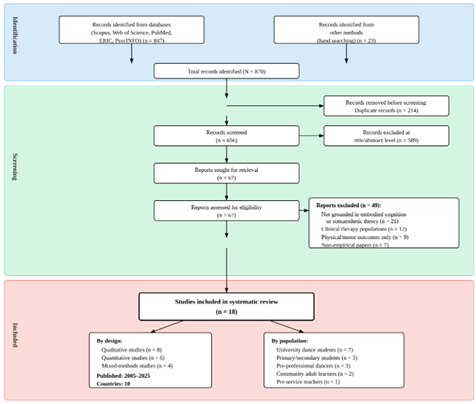
Figure 1 PRISMA Flow Diagram of Study Selection Process
Note: A
Detailed PRISMA Flow Diagram Should Be Inserted Here Following the Standard
Format of Page Et Al. (2021), Showing Identification, Screening, Eligibility, and
Inclusion Stages.
4.2. Characteristics of Included Studies
The 18 included studies were published between 2005 and 2025 and conducted across ten countries: the United States (n = 5), Australia (n = 3), the United Kingdom (n = 2), Finland (n = 2), India (n = 1), Germany (n = 1), Sweden (n = 1), Denmark (n = 1), Singapore (n = 1), and China (n = 1). Study designs included qualitative approaches (n = 8), quantitative designs (n = 6), and mixed methods (n = 4). Sample sizes ranged from 6 to 257 participants. Populations included university dance students (n = 7), primary and secondary school students (n = 5), pre-professional dancers (n = 3), community adult learners (n = 2), and pre-service teachers (n = 1). Table 1 presents the characteristics of included studies.
Table 1
|
Table 1 Characteristics of Included Studies (n = 18) |
|||||||
|
Author
(Year) |
Country |
Design |
Sample |
Theoretical
Framework |
Intervention
/ Approach |
Key
Behavioral and Psychological Outcomes |
Quality |
|
Arnold (2005) |
United
Kingdom |
Qualitative |
N =
12; University dance students |
Somaesthetics |
Somaesthetic
dance education emphasizing bodily awareness and aesthetic experience |
Enhanced
somatic self-awareness; discovery of "somaesthetic self";
heightened awareness of bodily sensations, postural habits, and movement
qualities |
High |
|
Green (2007) |
United
States |
Qualitative |
N =
24; University dance students |
Somaesthetics;
somatic education |
Somatic
approaches in university dance technique courses |
Reduced
conformity to external body norms; improved body image and self-concept;
enhanced autonomous self-expression |
High |
|
Rouhiainen (2008) |
Finland |
Qualitative |
N =
8; Pre-professional dancers |
Somaesthetics;
embodied ethics |
Somatic
dance practices cultivating ethically embodied awareness |
Ethical
self-awareness; capacity for autonomous, ethically informed decisions about
bodily practices |
High |
|
Fortin et al. (2009) |
Australia |
Mixed
methods |
N =
45; University dance students |
Somatic
education; embodied cognition |
Feldenkrais-integrated
contemporary dance technique classes |
Enhanced
body consciousness and proprioceptive sensitivity beyond traditional
technique classes |
High |
|
Warburton (2011) |
United
States |
Qualitative |
N =
18; University dance students |
Embodied
cognition; dance phenomenology |
Reflective
embodied practice in dance education |
Enhanced
meaning-making processes; sophisticated metacognitive strategies for
interpreting and internalizing movement knowledge |
Moderate |
|
Batson and Wilson (2014) |
Australia |
Quantitative |
N =
62; University dance students |
Embodied
cognition; neuroscience |
Somatic
integration in dance technique classes |
Significantly
increased interoceptive awareness scores on standardized measures; improved
dance-specific self-efficacy |
High |
|
Sööt and Viskus (2014) |
Sweden |
Mixed
methods |
N =
87; Primary and secondary school students |
Embodied
cognition; holistic pedagogy |
Contemporary
dance pedagogy integrating embodied learning in schools |
Improved
creative self-expression; enhanced body awareness; positive attitudes toward
collaborative learning |
Moderate |
|
Anttila (2015) |
Finland |
Qualitative |
N =
32; Primary and secondary school students |
Embodied
cognition; dialogical pedagogy |
Embodied
dialogue through creative dance in a school project |
Enhanced
bodily-kinesthetic awareness; improved peer interaction and embodied dialogue
capacities |
High |
|
Dragon (2015) |
United
States |
Quantitative |
N =
84; University dance students |
Somatic
education; embodied pedagogy |
Somatic-informed
dance pedagogy vs. traditional instruction |
Significant
reduction in performance anxiety; enhanced self-regulatory behaviors
(self-report and behavioral observation) |
High |
|
Gallagher and Lindgren (2015) |
United
States |
Quantitative |
N =
257; Primary and secondary school students |
Embodied
cognition; enactivism |
Full-body
interactive learning environments vs. desktop-based instruction |
Enhanced
engagement and intrinsic motivation; improved conceptual understanding
through embodied metaphors |
High |
|
Svendler Nielsen (2015) |
Denmark |
Qualitative |
N =
28; Primary and secondary school students |
Embodied
cognition; bodily-kinesthetic intelligence |
Creative
dance exploring children’s bodily-kinesthetic experiences |
Enhanced
bodily-kinesthetic self-awareness; improved embodied expression and creative
engagement |
Moderate |
|
Rimmer-Piekarczyk (2018) |
United
Kingdom |
Qualitative |
N =
6; Pre-professional dancers |
Somaesthetics;
self-determination |
Dialogic
self-reflection in dance technique learning |
Development
of somatic authority; autonomous decision-making about learning processes;
enhanced self-reflective capacity |
Moderate |
|
Corcoran et al. (2018) |
United
States |
Quantitative |
N =
177; Primary and secondary school students |
Embodied
cognition |
Embodied
cognition dance program integrated into reading curriculum (New York City
public schools) |
Significant
improvements in reading achievement; evidence of transfer of self-regulatory
capacities to academic outcomes |
High |
|
Bhutoria and Hebbani (2019) |
India |
Mixed
methods |
N =
36; Community adult learners |
Embodied
cognition; holistic development |
Classical
Indian dance training grounded in embodied cognition principles |
Holistic
development: enhanced emotional understanding, cultural connection, and
interpersonal awareness |
Moderate |
|
Barr and Andersen (2022) |
Australia |
Qualitative |
N =
15; Pre-professional dancers |
Somaesthetics;
somatic practices |
Illuminating
somatics through reflective somatic dance practice |
Deepened
somatic awareness; enhanced reflective practice capacity; improved mind–body
integration |
Moderate |
|
Buck (2022) |
Singapore |
Mixed
methods |
N =
48; Primary and secondary school students (multicultural context) |
Embodied
cognition; cultural pedagogy |
Dance
pedagogy integrating cultural knowledge with embodied practice |
Enhanced
cultural identity development and prosocial behavior in multicultural
educational contexts |
High |
|
Cook (2024) |
Germany |
Quantitative |
N =
42; Pre-service teachers (ITE) |
Embodied
cognition; transdisciplinary education |
Transdisciplinary
dance education in initial teacher education programs |
Improved
cultural responsiveness; enhanced teaching self-efficacy through embodied
engagement with diverse cultural dance forms |
Moderate |
|
Dong et al. (2024) |
China |
Quantitative |
N =
54; Community adult learners (dancers and non-dancers) |
Embodied
cognition; neuroscience |
Extended
dance training; resting-state fMRI examining embodied metacognition |
Enhanced
functional connectivity between neural regions for metacognition and
movement; neuroplastic changes underpinning improved metacognitive capacity |
High |
|
Note:
Studies are ordered chronologically. ITE = Initial Teacher Education. Quality
ratings based on the Mixed Methods Appraisal Tool (MMAT) version 2018 Hong et al. (2018):
High = met 4–5 criteria; Moderate = met 3 criteria. Theme codes: 1 = Enhanced
somatic self-awareness and interoceptive sensitivity; 2 = Improved
self-regulation and metacognitive capacity; 3 = Cultural identity formation
and prosocial behavior; 4 = Psychological wellbeing and motivational
outcomes. |
|||||||
4.3. Thematic Synthesis of Behavioral and Psychological Outcomes
The thematic synthesis identified four major themes representing the behavioral and psychological outcomes associated with embodied cognition and somaesthetic approaches in dance education. Each theme is discussed below with reference to the contributing studies and the integrative behavioral science framework.
1) Enhanced
Somatic Self-Awareness and Interoceptive Sensitivity
The most consistently reported behavioral outcome across the reviewed studies was enhanced somatic self-awareness, identified in 14 of 18 studies. Arnold (2005) demonstrated that somaesthetic dance education enabled university students to discover their “somaesthetic self,” developing heightened awareness of bodily sensations, postural habits, and movement qualities. Rouhiainen (2008) extended this finding by showing that somatic dance approaches cultivated ethical self-awareness, whereby dancers developed the capacity to make autonomous, ethically informed decisions about their own bodily practices. Batson and Wilson (2014) provided quantitative evidence that somatic integration in dance technique classes significantly increased interoceptive awareness scores on standardized measures, whereas Fortin et al. (2009) demonstrated through mixed-methods data that Feldenkrais-integrated dance classes enhanced body consciousness and proprioceptive sensitivity beyond what traditional technique classes achieved.
From a behavioral science perspective, these findings align with social cognitive theory’s concept of self-observation as a foundational component of self-regulation Bandura (1986). Enhanced somatic self-awareness functions as a behavioral mechanism by enabling learners to monitor their own bodily states, movement patterns, and emotional responses with greater precision, thereby creating the informational foundation necessary for behavioral self-regulation. The development of interoceptive sensitivity through somaesthetic dance practices represents a measurable behavioral change with implications for emotional regulation, stress management, and adaptive decision-making Dong et al. (2024).
2) Improved
Self-Regulation and Metacognitive Capacity
Twelve studies reported evidence of improved self-regulation and metacognitive capacity as outcomes of embodied dance education approaches. Dragon (2015) found that somatic-informed dance pedagogy significantly reduced performance anxiety and enhanced self-regulatory behaviors among university dance students, as measured by self-report scales and behavioral observation. Dong et al. (2024) provided neuroimaging evidence demonstrating that extended dance training enhanced functional connectivity between neural regions associated with metacognition and dance-specific processing, suggesting that embodied dance education produces neuroplastic changes that underpin improved metacognitive capacity.
Rimmer-Piekarczyk (2018) introduced the concept of somatic authority to describe how self-reflective somatic practice in dance education developed learners’ capacity for autonomous decision-making about their own learning processes. This construct aligns with self-determination theory’s emphasis on autonomy as a basic psychological need whose satisfaction promotes intrinsic motivation and behavioral persistence Ryan and Deci (2000). Warburton (2011) similarly documented how reflective embodied practice in dance education enhanced meaning-making processes, with dancers developing sophisticated metacognitive strategies for interpreting and internalizing movement knowledge. Corcoran et al. (2018) demonstrated that an embodied cognition dance program produced significant improvements in reading achievement among primary school students, providing evidence that self-regulatory capacities developed through embodied dance education transfer to academic behavioral outcomes.
3) Cultural
Identity Formation and Prosocial Behavior
Eight studies examined how culturally situated embodied dance education influenced cultural identity formation and prosocial behavior. Buck (2022) found that dance pedagogy integrating cultural knowledge with embodied practice enhanced cultural identity development and prosocial behavior among school students in multicultural educational contexts. Bhutoria and Hebbani (2019) demonstrated that classical Indian dance training grounded in embodied cognition principles facilitated holistic development, including enhanced emotional understanding, cultural connection, and interpersonal awareness. Cook (2024) showed that dance education in initial teacher education programs improved pre-service teachers’ cultural responsiveness and teaching self-efficacy through embodied engagement with diverse cultural dance forms.
These findings illuminate how embodied dance education functions as a mechanism for cultural socialization, a process with significant behavioral science implications. Through physically engaging with culturally specific movement vocabularies, learners develop not merely intellectual knowledge about cultural traditions but embodied cultural understanding that shapes their identity construction and social behavior Csordas (1990). This process aligns with social cognitive theory’s concept of reciprocal determinism, whereby the interaction among personal factors (embodied cultural knowledge), behavioral factors (dance practice), and environmental factors (cultural context) mutually shapes cultural identity and prosocial behavior Bandura (1986).
4) Psychological
Wellbeing and Motivational Outcomes
Ten studies reported positive psychological outcomes, including reduced anxiety, increased self-efficacy, enhanced intrinsic motivation, and improved psychological wellbeing. Dragon (2015) documented significant reductions in performance anxiety among students receiving somatic-informed dance pedagogy compared to those receiving traditional instruction. Batson and Wilson (2014) found improvements in dance-specific self-efficacy following somatic integration, whereas Gallagher and Lindgren (2015) demonstrated that full-body interactive learning environments enhanced engagement and intrinsic motivation compared to desktop-based instruction.
Green (2007) provided qualitative evidence that somatic approaches in dance education reduced conformity to externally imposed ideal body norms, enabling students to develop more positive body image and self-concept. This finding carries important behavioral science implications, as body image concerns are established determinants of health behavior, social behavior, and psychological wellbeing. From a self-determination theory perspective, embodied dance education approaches that emphasize internal somatic experience over external evaluation satisfy the need for autonomy by shifting the locus of assessment from external standards to internal somatic awareness, thereby promoting autonomous motivation and psychological wellbeing Ryan and Deci (2000).
4.4. Quality Appraisal Results
The MMAT quality appraisal revealed that the overall methodological quality of included studies was moderate. Among the qualitative studies, all eight met criteria for appropriate methodology and interpretation grounded in data, although three studies provided limited information about researcher reflexivity. Among the six quantitative studies, four demonstrated adequate sampling strategies and appropriate statistical analysis, whereas two had limitations in sample representativeness. All four mixed-methods studies demonstrated adequate integration of qualitative and quantitative components. Quality limitations did not systematically favor any particular thematic finding, suggesting that the overall pattern of results is reasonably robust. Table 2 presents the quality appraisal summary.
Table 2
|
Table
2 MMAT Quality Appraisal Summary of
Included Studies |
|||||||
|
Author
(Year) |
C1 |
C2 |
C3 |
C4 |
C5 |
Criteria
Met |
Overall
Quality |
|
Qualitative
studies (n = 8) |
|||||||
|
Arnold (2005) |
Y |
Y |
Y |
Y |
Y |
05-May |
High |
|
Green (2007) |
Y |
Y |
Y |
Y |
Y |
05-May |
High |
|
Rouhiainen (2008) |
Y |
Y |
Y |
Y |
Y |
05-May |
High |
|
Warburton (2011) |
Y |
Y |
Y |
Y |
CT |
04-May |
Moderate |
|
Anttila (2015) |
Y |
Y |
Y |
Y |
Y |
05-May |
High |
|
Svendler Nielsen (2015) |
Y |
Y |
Y |
CT |
CT |
03-May |
Moderate |
|
Rimmer-Piekarczyk (2018) |
Y |
Y |
Y |
CT |
CT |
03-May |
Moderate |
|
Barr & Andersen (2022) |
Y |
Y |
Y |
CT |
CT |
03-May |
Moderate |
|
Quantitative
studies (n = 6) |
|||||||
|
Batson and Wilson (2014) |
Y |
Y |
Y |
Y |
Y |
05-May |
High |
|
Dragon (2015) |
Y |
Y |
Y |
Y |
Y |
05-May |
High |
|
Gallagher and Lindgren (2015) |
Y |
Y |
Y |
Y |
Y |
05-May |
High |
|
Corcoran et al. (2018) |
Y |
Y |
Y |
Y |
Y |
05-May |
High |
|
Cook (2024) |
Y |
CT |
Y |
CT |
Y |
03-May |
Moderate |
|
Dong et al. (2024) |
Y |
Y |
Y |
Y |
Y |
05-May |
High |
|
Mixed
methods studies (n = 4) |
|||||||
|
Fortin et al. (2009) |
Y |
Y |
Y |
Y |
Y |
05-May |
High |
|
Sööt and Viskus (2014) |
Y |
Y |
Y |
CT |
CT |
03-May |
Moderate |
|
Bhutoria and Hebbani (2019) |
Y |
Y |
Y |
CT |
CT |
03-May |
Moderate |
|
Buck (2022) |
Y |
Y |
Y |
Y |
Y |
05-May |
High |
|
Note: Quality Was Rated Using the Mixed Methods
Appraisal Tool (MMAT) Version 2018 (Hong Et Al., 2018). Y = Yes; CT = Can’t
Tell. High Quality = Met 4–5 MMAT Criteria; Moderate Quality = Met 3
Criteria. Qualitative Criteria: C1 = Qualitative Approach Appropriate; C2 =
Data Collection Methods Adequate; C3 = Findings Adequately Derived from Data;
C4 = Interpretation Sufficiently Substantiated by Data; C5 = Coherence
Between Data Sources, Collection, Analysis, and Interpretation. Quantitative Criteria: C1 = Sampling Strategy Relevant; C2 = Sample
Representative of Target Population; C3 = Measurements Appropriate; C4 = Risk
of Nonresponse Bias Low; C5 = Statistical Analysis Appropriate. Mixed Methods Criteria: C1 = Adequate Rationale for Mixed Methods
Design; C2 = Different Components Effectively Integrated; C3 = Outputs of
Integration Adequately Interpreted; C4 = Divergences and Inconsistencies
Adequately Addressed; C5 = Different Components Adhere To Quality Criteria of
Each Tradition. |
|||||||
5. DISCUSSION AND CONCLUSION
5.1. Discussion of Main Results
This systematic review synthesized empirical evidence from 18 studies examining the behavioral and psychological outcomes of embodied cognition and somaesthetic approaches in dance education. The findings reveal a consistent pattern of positive behavioral outcomes spanning enhanced somatic self-awareness, improved self-regulation and metacognitive capacity, strengthened cultural identity formation and prosocial behavior, and positive psychological wellbeing outcomes. These findings carry important implications for behavioral science theory, educational practice, and policy.
The convergence of evidence across diverse populations, cultural contexts, and research designs strengthens confidence in the robustness of these findings. Studies conducted in ten countries, spanning primary school children to adult community learners, consistently reported that dance education approaches grounded in embodied cognition or somaesthetic theory produced measurable behavioral and psychological outcomes. This cross-cultural consistency suggests that the behavioral mechanisms underlying these outcomes—including enhanced interoceptive awareness, somatic self-regulation, and embodied meaning-making—operate across diverse cultural and educational contexts rather than being artifacts of specific cultural or institutional settings.
The theoretical integration of social cognitive theory and self-determination theory with embodied cognition and somaesthetic frameworks proved productive for understanding the behavioral mechanisms at work. Social cognitive theory’s concept of reciprocal determinism provided an effective framework for understanding how embodied dance education creates mutually reinforcing interactions among bodily experience (personal factors), movement practice (behavioral factors), and pedagogical and cultural context (environmental factors) Bandura (1986). Self-determination theory illuminated how somaesthetic approaches satisfy basic psychological needs for autonomy (through somatic authority and self-directed learning), competence (through progressive skill development), and relatedness (through shared embodied practice), thereby promoting intrinsic motivation and psychological wellbeing Ryan and Deci (2000).
The finding that pedagogical approaches integrating explicit somatic reflection with cultural contextualization produced the most robust behavioral outcomes has significant practical implications. This finding suggests that effective embodied dance education requires not merely physical movement instruction but the deliberate cultivation of reflective awareness and cultural understanding through systematic pedagogical strategies. This insight challenges pedagogical approaches that treat dance learning as primarily a matter of technical skill acquisition, supporting instead an integrated approach that addresses cognitive, affective, and sensorimotor dimensions simultaneously Stolz (2015), Warburton (2011).
5.1. Limitations
Several limitations of this review should be acknowledged. First, the restriction to English-language publications may have excluded relevant studies from non-English-language contexts, particularly from East Asian countries where significant dance education research is conducted. Second, the heterogeneity of study designs, populations, and outcome measures precluded meta-analytic synthesis, limiting the ability to estimate effect sizes. Third, the predominance of qualitative studies, while providing rich descriptive data, limits the strength of causal inferences. Fourth, the search was restricted to studies explicitly referencing embodied cognition or somaesthetic theory, which may have excluded studies employing similar pedagogical approaches under different theoretical labels. Finally, the relatively small sample sizes in many of the qualitative studies raise questions about the transferability of findings, although the consistency of themes across diverse contexts provides some assurance.
5.2. Implications for Behavioral Science
For behavioral science theory, this review contributes by demonstrating that embodied pedagogical practices constitute a distinctive class of behavioral interventions whose mechanisms operate through bodily experience rather than purely cognitive processes. The integration of embodied cognition and somaesthetic theory with social cognitive theory and self-determination theory reveals how embodied dance education influences behavior through reciprocal interactions among somatic experience, reflective awareness, cultural context, and psychological need satisfaction. This theoretical integration extends behavioral science understanding of how complex behavioral competencies—including self-regulation, cultural identity, and aesthetic judgment—are acquired through embodied practice.
For educational policy, the evidence supports the integration of embodied cognition and somaesthetic principles into dance education curricula at all levels. Policymakers should recognize dance education not merely as arts education but as a behavioral intervention with demonstrable effects on self-regulation, cultural learning, and psychological wellbeing. For educational practice, the review offers evidence-based guidance for dance educators seeking to implement approaches that produce behavioral outcomes beyond motor skill acquisition. The finding that explicit somatic reflection combined with cultural contextualization produces the most robust outcomes provides actionable guidance for curriculum design and pedagogical strategy.
Future research should address the limitations identified in this review by employing longitudinal and experimental designs with standardized behavioral outcome measures, conducting studies in non-Western cultural contexts, and developing validated instruments for measuring embodied learning outcomes such as somatic self-awareness and cultural embodiment. Research examining the neurobiological mechanisms underlying the observed behavioral outcomes, building on the work of Dong et al. (2024) and Foster Vander Elst et al. (2023), would further strengthen the evidence base for embodied dance education as a behavioral science intervention.
6. Conclusion
This systematic review provides the first comprehensive synthesis of empirical evidence on the behavioral and psychological outcomes of embodied cognition and somaesthetic approaches in dance education. The findings demonstrate that these theoretically grounded pedagogical approaches function as effective behavioral interventions that enhance somatic self-awareness, self-regulation, cultural identity formation, and psychological wellbeing through integrated cognitive, affective, and sensorimotor processes. By integrating embodied cognition and somaesthetic theory with established behavioral science frameworks, this review advances interdisciplinary understanding of how bodily experience serves as a fundamental mechanism for behavioral change in educational contexts.
Authors’ Contributions
Conceptualization, X.C. and J.M.; methodology, X.C. and J.M.; formal analysis, X.C.; writing— original draft preparation, X.C.; writing review and editing, X.C., J.M., and Y.H.; supervision, J.M. and Y.H.
Declarations
Ethical Approval Statement: This study was reviewed and approved by the Institutional Ethics Committee of Universitas Pendidikan Indonesia. As a systematic review study that did not involve direct human participant data collection, the ethics committee determined that informed consent was not required. Evidence of ethical approval is attached as a supplementary document.
Declaration of Generative AI: During the preparation of this work, the authors used AI-assisted technologies for grammatical improvement and language editing of the manuscript. The authors reviewed and edited the content as needed and take full responsibility for the accuracy and originality of all content.
CONFLICT OF INTERESTS
None.
ACKNOWLEDGMENTS
None.
REFERENCES
Anttila, E. (2015). Dance as Embodied Dialogue: Insights from a School Project in Finland. In C. S. Nielsen and S. Burridge (Eds.), Dance Education Around the World: Perspectives on Dance, Young People, and Change ( 79–87). Routledge. https://doi.org/10.4324/9781315813578-15
Arnold, P. J. (2005). Somaesthetics, Education and the Art of Dance. Journal of Aesthetic Education, 39(1), 48–64. https://doi.org/10.1353/jae.2005.0007
Bandura, A. (1986). Social Foundations of thought and Action: A Social Cognitive Theory. Prentice-Hall.
Barr, S., and Andersen, H. (2022). Illuminating Somatics. Journal of Dance and Somatic Practices, 14(1), 9–21. https://doi.org/10.1386/jdsp_00065_1
Batson, G., and Wilson, M. (2014). Body and Mind in Motion: Dance and Neuroscience in Conversation. Intellect. https://doi.org/10.2307/j.ctv36xvstf
Bhutoria, K., and Hebbani, S. (2019). Embodied Cognition: Dance, Body, and Mind. International Journal of Indian Psychology, 7(4), 818–824. https://doi.org/10.25215/0704.094
Buck, R. (2022). Dance Pedagogy in Education in China: A Personal Narrative of Teaching in, about and through Dance Education. In R. Buck (Ed.), New Directions in Dance Education in China ( 43–52). Palgrave Macmillan. https://doi.org/10.1007/978-981-19-3193-2
Cook, S. (2024). Dance Education as a Transdisciplinary Vehicle for Transforming Teacher Education: A Blueprint for Academic Excellence. Education Sciences, 15(10), 1409. https://doi.org/10.3390/educsci15101409
Corcoran, R. P., DeGarmo, M., and Ross, S. M. (2018). An Embodied Cognition Approach to Enhancing Reading Achievement in New York City Public Schools: Promising Evidence. Teaching and Teacher Education, 63, 277–288. https://doi.org/10.1016/j.tate.2017.10.020
Csordas, T. J. (1990). Embodiment as a Paradigm for Anthropology. Ethos, 18(1), 5–47. https://doi.org/10.1525/eth.1990.18.1.02a00010
Dong, L., Lin, Y., Guan, H., Li, S., Zhu, X., Chen, Y., Gao, Y., and Chen, A. (2024). Trait Representation of Embodied Cognition in Dancers Pivoting on the Extended Mirror Neuron System: A Resting-State fMRI Study. Cerebral Cortex, 33(15), 9202–9214. https://doi.org/10.1093/cercor/bhad199
Dragon, D. (2015). Creating Cultures of Teaching and Learning: Conveying Dance and Somatic Education Pedagogy. Journal of Dance Education, 15(1), 25–32. https://doi.org/10.1080/15290824.2014.995015
Fortin, S., Long, W., and Lord, M. (2009). Three Voices: Researching How Somatic Education Informs Contemporary Dance Technique Classes. Research in Dance Education, 3(2), 155–179. https://doi.org/10.1080/1464789022000034712
Foster Vander Elst, O., Foster, N. H. D., Vuust, P., Keller, P. E., and Kringelbach, M. L. (2023). The Neuroscience of Dance: A Conceptual Framework and Systematic Review. Neuroscience and Biobehavioral Reviews, 150, 105197. https://doi.org/10.1016/j.neubiorev.2023.105197
Gallagher, S., and Lindgren, R. (2015). Enactive Metaphors: Learning through Full-Body Engagement. Educational Psychology Review, 27(3), 391–404. https://doi.org/10.1007/s10648-015-9327-1
Green, J. (2007). Student Bodies: Dance Pedagogy and the Soma. In L. Bresler (Ed.), International Handbook of Research in Arts Education ( 1119–1132). Springer. https://doi.org/10.1007/978-1-4020-3052-9_76
Hong, Q. N., Pluye, P., Fàbregues, S., Bartlett, G., Boardman, F., Cargo, M., Dagenais, P., Gagnon, M.-P., Griffiths, F., Nicolau, B., O’Cathain, A., Rousseau, M. C., and Vedel, I. (2018). Mixed Methods Appraisal Tool (MMAT) Version 2018: User Guide. McGill University.
Koch, S. C., Riege, R. F. F., Tisborn, K., and Biondo, J. (2019). Effects of Dance Movement Therapy and Dance on Health-Related Psychological Outcomes: A Meta-Analysis Update. Frontiers in Psychology, 10, 1806. https://doi.org/10.3389/fpsyg.2019.01806
Moher, D., Liberati, A., Tetzlaff, J., Altman, D. G., and PRISMA Group. (2009). Preferred rEporting Items for Systematic Reviews and Meta-Analyses: The PRISMA Statement. PLoS Medicine, 6(7), e1000097. https://doi.org/10.1371/journal.pmed.1000097
Page, M. J., McKenzie, J. E., Bossuyt, P. M., Boutron, I., Hoffmann, T. C., Mulrow, C. D., Shamseer, L., Tetzlaff, J. M., Akl, E. A., Brennan, S. E., Chou, R., Glanville, J., Grimshaw, J. M., Hróbjartsson, A., Lalu, M. M., Li, T., Loder, E. W., Mayo-Wilson, E., McDonald, S., … Moher, D. (2021). The PRISMA 2020 Statement: An Updated Guideline for Reporting Systematic Reviews. BMJ, 372, n71. https://doi.org/10.1136/bmj.n71
Parviainen, J. (2002). Bodily Knowledge: Epistemological Reflections on Dance. Dance Research Journal, 34(1), 11–26. https://doi.org/10.2307/1478130
Patterson, K. K., Wong, J. S., Prout, E. C., and Brooks, D. (2024). The Effectiveness of Dance Interventions on Psychological and Cognitive Health Outcomes Compared with Other forms of Physical Activity: A Systematic Review with Meta-Analysis. Sports Medicine, 54, 1057–1081. https://doi.org/10.1007/s40279-023-01990-2
Rimmer-Piekarczyk, R. (2018). Self-Somatic Authority: Exploring the Cultivation of Somatic Authority through a Dialogic Approach to Self-Reflection in Dance Technique Learning. Journal of Dance and Somatic Practices, 10(1), 95–110. https://doi.org/10.1386/jdsp.10.1.95_1
Rouhiainen, L. (2008). Somatic Dance as a Means of Cultivating Ethically Embodied Subjects. Research in Dance Education, 9(3), 241–256. https://doi.org/10.1080/14647890802386916
Ryan, R. M., and Deci, E. L. (2000). Self-Determination Theory and the Facilitation of Intrinsic Motivation, Social Development, and Well-Being. American Psychologist, 55(1), 68–78. https://doi.org/10.1037/0003-066X.55.1.68
Shapiro, L. (2019). Embodied Cognition (2nd ed.). Routledge. https://doi.org/10.4324/9781315180380
Shusterman, R. (2008). Body Consciousness: A Philosophy of Mindfulness and Somaesthetics. Cambridge University Press. https://doi.org/10.1017/CBO9780511802829
Shusterman, R. (2012). Thinking through the Body: Essays in Somaesthetics. Cambridge University Press. https://doi.org/10.1017/CBO9781139094030
Stolz, S. A. (2015). Embodied Learning. Educational Philosophy and Theory, 47(5), 474–487. https://doi.org/10.1080/00131857.2013.879694
Svendler Nielsen, C. (2015). Exploring Children’s Bodily-Kinesthetic Experiences in Creative Dance. In C. S. Nielsen and S. Burridge (Eds.), Dance Education Around the World (127–137). Routledge. https://doi.org/10.4324/9781315813578
Sööt, A., and Viskus, E. (2014). Contemporary Approaches to Dance Pedagogy: The Challenges of the 21st Century. Procedia - Social and Behavioral Sciences, 112, 290–299. https://doi.org/10.1016/j.sbspro.2014.01.1167
Thomas, J., and Harden, A. (2008). Methods for the Thematic Synthesis of Qualitative Research in Systematic Reviews. BMC Medical Research Methodology, 8, 45. https://doi.org/10.1186/1471-2288-8-45
Varela, F. J., Thompson, E., and Rosch, E. (2016). The Embodied Mind: Cognitive Science and Human Experience (Rev. ed.). MIT Press. https://doi.org/10.7551/mitpress/9780262529365.001.0001
Warburton, E. C. (2011). Of Meanings and Movements: Re-Languaging Embodiment in Dance Phenomenology and Cognition. Dance Research Journal, 43(2), 65–84. https://doi.org/10.1017/S0149767711000064
Wilson, M. (2002). Six Views of Embodied Cognition. Psychonomic Bulletin and Review, 9(4), 625–636. https://doi.org/10.3758/BF03196322
|
|
 This work is licensed under a: Creative Commons Attribution 4.0 International License
© ShodhKosh 2026. All Rights Reserved.