ShodhKosh: Journal of Visual and Performing ArtsISSN (Online): 2582-7472
|
|
Digital and Arts based Teaching Strategies in Higher Education: Impact on Creativity, Engagement, Academic Performance
Raja Govindan Ponnuchamy 1 , A. R. Saravanakumar 2
 , Nagarajan Muthukrishnan 3
 , Suganthi Mariappan 4
 , Lenin Iyer 5
1 Assistant
Professor, Department of Education (CDOE), Alagappa University, Tamil Nadu,
India
2 Professor, Department of Education (CDOE), Alagappa University, Tamil
Nadu, India
3 Alagappa University, Tamil Nadu, India
4 Assistant Professor, Alagappa University College of Education,
Alagappa University, Tamil Nadu, India
5 Assistant Professor, Alagappa University College of Education,
Alagappa University, Tamil Nadu, India
|
|
|
ABSTRACT |
|
|
The changing
nature of higher education requires new teaching methods that enhance
creativity, interest, and better grades. This paper explores the usefulness
of arts-based teaching methods to improve the learning outcomes of learners
in higher education institutions. Arts-based pedagogy incorporates visual
arts, performing arts, storytelling and digital creative tools into the
instructional practices and encourages experiential and student-based
learning. The study takes a quantitative study where a structured
questionnaire was used to administer the study to undergraduate and
postgraduate students of various disciplines. The analysis of data is
performed with the help of Structural Equation Modeling (SEM) to study the
connections between arts-based teaching techniques, creativity, student
engagement, and academic achievement. The results indicate that arts-based
instructional methods can influence creativity and student engagement in a
positive way with engagement proving as the best predictor of academic outcomes.
Also, the research proves the existence of partial mediation, whereby
creativity and engagement are the major processes in which arts-based
pedagogy affects academic performance. Compared and contrasted analysis
reveals that arts-based integrated strategies are more effective in promoting
active engagement, cognitive and critical thinking, and conceptual knowledge
compared to conventional lecture style-based techniques of instruction. The
research makes a contribution to the current body of literature by suggesting
and empirically justifying an all-inclusive conceptual framework in relating
pedagogical innovation with cognitive and affective learning outcomes. In a
practical way, the results indicate that institutions of higher learning
should implement the use of interactive and experiential teaching methods to
improve student learning experiences. Some limitations of the study, such as
the cross-sectional nature and a discipline-specific sampling, do not deny it
any useful information to educators, policymakers, and curriculum designers.
Further studies can study the longitudinal effects and incorporation of new
technologies like virtual and augmented reality in arts-based learning. |
|||
|
Received 29 January 2026 Accepted 03 April 2026 Published 11 April 2026 Corresponding Author Raja
Govindan Ponnuchamy, rajagp@alagappauniversity.ac.in DOI 10.29121/shodhkosh.v7.i4s.2026.7215 Funding: This research
received no specific grant from any funding agency in the public, commercial,
or not-for-profit sectors. Copyright: © 2026 The
Author(s). This work is licensed under a Creative Commons
Attribution 4.0 International License. With the
license CC-BY, authors retain the copyright, allowing anyone to download,
reuse, re-print, modify, distribute, and/or copy their contribution. The work
must be properly attributed to its author.
|
|||
|
Keywords: Arts-Based Teaching, Higher Education, Creativity,
Student Engagement, Academic Performance, Experiential Learning, Structural
Equation Modeling (SEM), Innovative Pedagogy |
|||



1. INTRODUCTION
The 21 st century has seen a rapid change in higher education and as such, there has been the necessity of incorporating new innovative methods of pedagogy that is not lecture-based. As the trends focus more and more on the holistic learning process, critical thinking, and student-centered education, the art-based teaching method proves to be a versatile instrument that could be used to improve the quality of learning process. The approaches incorporate aspects of visual arts, performing arts, storytelling and expressing ideas into academic teaching, and create a more interactive and lively classroom atmosphere Başaran and Bay (2023). In a digital disrupted age of interdisciplinary knowledge, there is a great possibility of facilitating creativity, better student engagement, and academic performance through the inclusion of arts as a pedagogic practice in higher education. The rationale of arts-based teaching strategies has its basis in constructivist learning theory which focuses on participatory-based learning, experiential learning and building of knowledge through interaction. In contrast to the standard strategies, which usually presuppose passive delivery of information, arts-integrated strategies promote multiple exploration of the concept by the students in terms of visual, auditory, and kinesthetic modes. An example is the application of role-playing, dramatization, visual narration, and digital media that enables learners to think creatively to understand and remember complex concepts Gerber et al. (2024). This is of particular interest to a wide range of classroom settings, in which learners have different learning styles and cognitive preferences. It is well known that creativity is an important competency in higher education, particularly within the rapidly changing working environment. Arts-based pedagogy also ensures that students think creatively through its tendency to encourage the use of original insights, experimentation, and problem-solving. Through the introduction of art processes into the academic subject, teachers can allow students to think in a divergent manner where they get to think of innovative solutions. This is especially critical in such fields like engineering, management, and social sciences, where innovation is an important factor in dealing with complicated real-life issues.
The other important variable that determines learning in higher education is student engagement. Conventional delivery systems are not always able to sustain student attention and enthusiasm, which results in a decreased number of students and poor learning experiences Ghukasyan and Gevorgyan (2020), Hagenauer et al. (2021). Alternatively, the teaching styles based on arts engage students in the learning process, which is more interactive and significant. Group performances, creative projects, and collaborative art-based assignments are some of the activities that help learners to develop a sense of involvement and ownership. This heightened interaction not only improves the general classroom experience but it also helps in improving the academic performance. The cognitive and affective factors play a critical role in academic performance as one of the measurable indicators of learning effectiveness. Arts based teaching methods are known to influence academic performance positively through enhancement of understanding, retention and use of knowledge. Such incorporation of arts also assists in breaking down more complicated concepts and making them more accessible and approachable to the students. Moreover, the affective and experiential learning of arts based learning will help in improved recall and insight which will increase academic performance. Although the arts-based pedagogy is being increasingly researched, a gap in the number of empirical studies that investigate its effects on the major learning outcomes in higher education still exists. Although the research available on the topic highlights the positive side of arts integration, it is necessary to conduct a systematic study on the impact of these strategies on creativity, student engagement, and academic performance at the same time. Also, very little comparative studies have been made concerning the application of traditional and arts-based teaching methods, especially when applied within a higher education institution Howard et al. (2021).
In this respect, the current paper will address the question of the effectiveness of arts-based teaching methods in universities and their influence on creative abilities, engagement, and academic outcomes. The study will be used to complete the existing gap in the research by providing empirical data and a certain paradigm of implementing the arts-based pedagogy. The specific aims include researching the relationship between techniques of arts-based instruction and student creativity, finding out what influence do techniques have on the engagement levels, and determining to what extent do techniques have effect on academic performance. Further, the study will also give practical advice to teachers and policy makers to ensure that they put into consideration adoption of arts based approaches in mainstream higher education curriculum. This research will be extended to the undergraduate and postgraduate students of other disciplines, and it will be grounded on the knowledge of the concepts of how arts-based strategies can be implemented in other academic environments. This study can assist in the development of the research in this field in the future by adding theoretical insight with empirical analysis to the existing body of literature on innovative teaching practices Huber and Helm (2024). Finally, the implementation of arts in higher learning teaching is a paradigm shift to more inclusive, interesting, and efficient learning spaces preparing students to the challenges of the contemporary world.
2. Review of Existing Methods
Arts based pedagogies have also become a more and more popular topic in university pedagogy as it has been suggested to have a positive impact on both creativity and student interest and achievement. These methods are based on constructivist and experiential learning theories and focus on active involvement, emotional engagement and multi-sensory learning. Researchers claim that by incorporating artistic aspects in the teaching methods, the students will be able to create knowledge in a better way as well as develop higher order of thinking skills. Recent researches demonstrate that arts-based pedagogy can be used to facilitate creativity among students. One of the most important competencies of the contemporary educational system is creativity which is often characterized by the capacity to produce new ideas that can be useful. The application of visual arts, storytelling, and performance based activities, according to modern studies, enhance divergent thinking and innovation. An example is project-based learning that combines artistic expression that enhances the capacity of students to solve problems with a combination of perspectives. Also, with digital arts and multimedia tools, creative programming has increased, and students can merge technology and artistic discovery. Another dimension that is important and discussed in the literature is that of student engagement. Engagement involves behavioral, emotional and cognitive participation in the learning process. Conventional approaches of lecture tends to provide only temporary attention to the students which results to passive learning. In comparison, the methods of arts-oriented approach, in particular role-playing, collaborative performances, and creative tasks, engage students directly, which increases the participation and motivation. Research has shown that the attention span and the desire to participate is magnified when the students have an emotional interest in the learning processes. Moreover, art-based projects encourage teamwork, communication, and learning amongst peers, which are key elements of the quality education process Lee et al. (2020).
The academic performance of the students affected by the teaching of the arts has also been studied extensively. Both affective involvement and cognitive comprehension affect academic performance. It is argued that arts-based teaching enhances understanding and memorization because it brings information in various forms. As an illustration, diagrams and artistic illustrations are some of the visual representations that can be used to make complex ideas easier to comprehend. In the same light, dramatization and story telling make contextual learning easier, as far as students are able to relate the theoretical contents with real world practices. The empirical research has provided reports of improvement in test scores, understanding concepts, and problem-solving skills of students who have been exposed to arts-based learning environments. The comparison of traditional and arts-based teaching methods is another valuable aspect that is under consideration in the literature. The conservative methods are usually marked by one directional communication and standardized methods of assessment, which might curtail innovation and critical thinking. Arts-based pedagogy on the other hand focuses on experiential learning, student-focused teaching and ongoing feedback. There is comparative analysis that reveals that students in arts-integrated classes exhibit higher levels of satisfaction, motivation and academic performance. However, such problems as teacher training and resource and curriculum conformity are also mentioned by other researchers. Teaching methods in arts have also been altered again by the use of digital technologies. Arts-based learning has been made more effective and accessible through online storytelling, virtual simulations, and augmented reality (AR) and multimedia devices. These technologies enable the students to engage in the material in the most innovative forms, as it makes it interactive and immersive. As an example, VR worlds may be applied to replicate the real-life scenario and provide the students with a learning experience that is difficult to achieve prior Lewandowska and Węziak (2020). Combining technology and arts is thus an excellent innovation of modern pedagogy.
There are few limitations and research gaps that are also cited in the literature but the advantages are numerous. There are many studies that researchers are looking at specific areas or they have a small sample that makes it difficult to generalize the findings. Moreover, there are no elaborate models that examine the role of arts-based instruction in the creativity, engagement, and academic achievement in tandem. The need of empirical validation is mentioned with the assistance of powerful statistical procedures and Structural Equation Modeling (SEM). Moreover, implementation of the arts-based strategies has to be supported by the institution, teacher training, and curriculum redesign that may be challenging in real life. The existing works are rather persuasive to the effectiveness of the arts-based instructional strategies in favor of the most valuable learning outcomes. These strategies encourage creativity, student interest and achievement since it offers valuable and interactive learning. Research is however needed further to arrive at coherent frameworks and provide empirical evidence under various learning contexts. The specified research article is expected to address these gaps since it proposes an all-embracing model and investigates the impacts of arts-based pedagogy within higher education.
Table 1
|
Table 1 Existing Methodologies |
|||
|
Methodology |
Key Findings |
Advantages |
Limitations |
|
Experimental study Lewandowska and Węziak
(2023) |
Arts-based learning improved
creativity and problem-solving skills |
Enhances innovation |
Limited sample size |
|
Mixed-method Katikala (2026) |
Increased student engagement
through storytelling and performance |
Improves participation |
Subjective assessment |
|
Quantitative (SEM) Li et al. (2022) |
Positive impact on academic
performance and retention |
Strong statistical
validation |
Focused on one discipline |
|
Case study Martinsone and
Žydžiūnaitė (2023) |
Visual arts integration
enhanced conceptual understanding |
Easy concept visualization |
Limited scalability |
|
Survey-based Soomro et al. (2023) |
Digital arts tools improved
interactive learning |
Technology integration |
Requires infrastructure |
|
Comparative study Taylor (2020) |
Arts-based methods
outperform traditional teaching in engagement |
Higher student satisfaction |
Requires teacher training |
|
Experimental design Feldman (2021) |
Role-playing improved
communication and critical thinking |
Active learning |
Time-consuming |
Table 1 above represents a concise literature review that outlines the recent studies that have been conducted on the impact of arts-based teaching instructions in higher education. The general conclusion of the researches is that the arts-based approaches to instruction have been found highly effective in fostering creativeness, student engagement and academic performance. Most of the articles employ a broad spectrum of research methodologies (experimental designs, mixed-method research, case studies, surveys, and Structural Equation Modeling (SEM) that render the outcome of the study more authentic in different contexts. Among the frequent findings, there are the observations that these methodologies as storytelling, role-playing, visual arts, and digital tools contribute to the development of the ability of students to be actively involved, comprehend ideas more, and think critically. The advantages represented in the literature include improvement in innovation, student satisfaction, enhanced knowledge retention and classroom interaction. The table however also indicates that there are certain shortcomings such as small sample sizes, a subjective assessment, and the fact the internet and teacher training is required.
3. Proposed Framework and Hypotheses Development
In order to incorporate the arts-based teaching methods in the framework of higher education, there must be a framework that would state the relationships between the pedagogical practices and the result of the learning process. A conceptual model will be presented in the paper that explains the impact of the arts based teaching strategies on the three significant dependent variables, which are, creativity, student engagement and academic performance. The framework is founded on the constructivist learning theory and principles of experiential learning which emphasizes active learning, knowledge construction, and critical thinking. The independent variable of the suggested model is arts-based strategies of teaching. Such strategies include visual arts, performing arts, story telling and computer creative tools all which are effective in interactive and experience learning. The teacher is able to create the multi-dimensional learning environment, which triggers both cognitive and emotional stimulation through the assistance of artistic feature in the instruction process. This conversely enhances the extent of creative thought and creative use of knowledge among students. Creativity is believed to be the main product of the arts-based pedagogy. It is linked to the ability to demonstrate originality of the thinking, nonlinear thinking and multi-faceted thinking over issues. The arts based activities assist students in experimenting, exploring and expressing themselves thereby promoting creative thinking. The exposure to such strategies will also benefit the creative abilities of the students to a large extent which is also assumed in the framework. Student engagement is another construct that can be considered in the model and it is behavioral, emotional and cognitive. Arts-based instructional practices are interactive and engaging because they engage students in the process of learning. Group performances, role plays and group projects are some activities that increase involvement and motivation to create more experienced learning processes.
The final outcome variable is academic performance, which measures the performance of students in terms of grades, conceptual and knowledge application. According to the framework, more creativity and engagement are the mediating variables that affect academic performance. That is, the teaching approaches that are based on arts indirectly boost the academic performance of students through the increase of their levels of creativity and engagement. The two variables have direct and indirect relationships that are set by the proposed conceptual framework. The positive effects of arts-based teaching strategies on creativity, engagement, and academic performance are supposed to be directly positive. Also, creativity and engagement are postulated to mediate the connection between teaching strategies and academic performance. It is an integrated approach that offers a holistic view of the impact of innovative pedagogy on the learning outcomes in higher education institutions.
3.1. Hypotheses Development
On the belief of the conceptual framework, hypotheses of the formulation of hypotheses are created. Direct Relationships H1: Arts-based teaching strategies affect student creativity significantly and positively, H2: Arts-based teaching strategies affect student engagement significantly and positively, H3: Arts-based teaching strategies affect student academic performance significantly and positively. Mediating Relationships, H4: Student creativity significantly positively affects academic performance, H5: Student engagement significantly positively affects academic performance, H6: Creativity mediates the relationship between arts based teaching strategies and academic performance, H7: Student engagement mediates the relationship between arts based teaching strategies and academic performance.
3.2. Model Explanation
In the model, the teaching strategies based on arts are depicted as the engine which increases creativity and interest of the students. These two elements, in their turn, help to achieve better performance in school. It is appropriate to be empirically validated with the help of such a technique as Structural Equation Modeling (SEM), and the framework identifies two different direct and indirect pathways. It offers a comprehensive insight into how new pedagogical approaches can help to change the higher education learning outcomes.
Figure 1
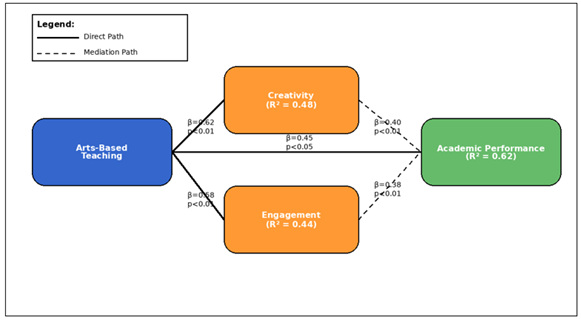
Figure 1
Framework of
Arts-Based Teaching Strategies Impact on Creativity, Student Engagement, and
Academic Performance
The diagram proposes a Structural Equation Model (SEM) that will explain the impact of arts-based teaching methods on student learning outcomes in higher education. The independent variable is the arts-based teaching, which has a direct influence on the creativity, student engagement, and academic performance. The path coefficients (0.62 and 0.58) are strong, which means that both strategies contribute greatly to the creativity and the engagement of students. Creativity and engagement are considered as mediating variables, i.e., they extend the impact of the teaching strategies to academic performance. Both mediators play an important role in enhancing academic performance as the dashed paths indicate that both have a significant positive impact on academic performance ( = 0.40 and = 0.38). The dependent variable is academic performance, and it is explained by the model (R 2 = 0.62) showing a very strong predictive power. Also, arts-based teaching strategies explain creativity (R 2 = 0.48) as well as engagement (R 2 = 0.44) fairly well. All in all, the overall diagram illustrates that the arts-based instruction, besides directly affecting academic achievement, can also indirectly (mediated) influence academic success via creativity and involvement, which is a partial mediation model.
4. Research Methodology
This paper is systematic and empirical in undertaking a study on the effects of arts based teaching strategies on creativity, student involvement, and academic performance in higher education. A quantitative paradigm forms the basis of the research with a descriptive and causal research design. The descriptive element assists one in developing a conception of how the arts-based teaching methods are currently in use and the causal design, in its turn, enables discussing the connections between the noted variables. They make use of a cross-sectional survey method where data will be gathered about respondents at one time. Structural Equation Modeling (SEM) will be used in order to prove the conceptual framework proposed and to test the hypothesized relationships because the model enables considering both the direct and indirect effects between variables simultaneously. The study target population will consist of undergraduate and postgraduate learners undertaking studies in institutions of higher learning in various disciplines, such as engineering, management, and social sciences. The stratified random sampling method is taken so that the different academic streams and levels of study are represented. The sample population size is also kept at the level of 200-400 respondents, which is sufficient to analyse using SEM and provides the level of statistical reliability. Individual student is the unit of analysis in this study where care is taken to have diversity in terms of demographic traits to increase the generalizability of the results.
The study data is mostly gathered using a structured questionnaire that is created using validated instruments in the existing literature. The questionnaire consists of several parts to obtain the demographic data, the exposure to the arts-based teaching methods, the levels of creativity, student involvement, and academic achievements. Response will be on a five point Likert scale in which we have Strongly Disagree, Strongly Agree, and others. This will introduce uniformity and effortless examination. They can also rely on limited secondary data in addition to primary data e.g. academic performance indicators which will be used to complement the findings in order to make it more precise. These measurements of variables have been well designed to capture the conceptual framework of the study. Arts based teaching strategies are considered as the independent variable and they have dimensions visual arts, performing arts, storytelling, and digital creative tools. The mediating variables are creativity and student engagement, whereby creativity includes the ideas generation, creative innovation, and divergent thinking, whereas the engagement entails the behavioral, emotional, and cognitive dimensions. The dependent variable is academic performance and is measured using the pointers like grades, conceptual knowledge and the capacity to apply the knowledge in practical situations. Multi-item scales are used to measure all constructs which are based on previous studies in order to have content validity and reliability. In order to guarantee the soundness of the measurement tool, reliability and validity tests are carried out. The reliability is measured by Cronbachs Alpha and the Alpha of 0.7 and above is a good internal consistency. Construct validity is also tested by convergent and discriminant validity. To measure convergent and discriminant validity, the Average Variance Extracted (AVE) and Fornell-Larcker criterion are used respectively. Further, Exploratory Factor Analysis (EFA) and Confirmatory Factor Analysis (CFA) are conducted to confirm the underlying factor structure as well as ensuring the measurement model.
The data obtained is analyzed with the help of the statistics applications like SPSS and AMOS or SmartPLS. The analysis will start with the descriptive statistics to generalize data and then correlation analysis will be done to find relationships between variables. Regression analysis is performed to investigate direct effects, whereas the overall model is tested with the help of SEM, which also includes mediating relationships. The evaluation of model fit is performed by standard indices that include Comparative Fit Index (CFI), Root Mean Square Error of Approximation (RMSEA), and Chi-square statistics. Through these methods, thorough and strict testability of the offered hypotheses will be guaranteed. The concern of ethical issues is given much consideration in the process of conducting the research. The purpose of the study is informed and an informed consent obtained before the data collection is done and the participants informed of the purpose. The anonymity and secrecy of the answers will be guaranteed as well as the respondents will be given the option of dropping out of the research at any stage. The research also adheres to the ethics to ensure that the results are good and credible as well. All in all, the research methodology will provide a comprehensive outline of the way the concept of teaching arts-based strategies in higher education can be examined. The use of quantitative methods and SEM analysis will provide a solid analysis of direct and mediated relationships and, therefore, make important contributions to innovative pedagogical practices.
5. Data Analysis and Results
The statistical analysis of the collected data and results of hypothesis testing are represented in this part. The SPSS and SEM (AMOS/SmartPLS) are used to analyze the relationships between the teaching strategies based on arts, student engagement, and academic performance as well as creativity.
5.1. Descriptive Statistics
Descriptive statistics give us an idea of the distribution of the data such as the mean and standard deviation of the values of each construct.
Table 2
|
Table 2 Descriptive Statistics |
||
|
Variable |
Mean |
Standard Deviation |
|
Arts-Based Teaching
Strategies |
3.92 |
0.68 |
|
Creativity |
4.05 |
0.64 |
|
Student Engagement |
4.12 |
0.59 |
|
Academic Performance |
3.88 |
0.72 |
Table 2 shows that students are generally positive about the teaching strategies that are based on arts and their effects. Student engagement demonstrates the largest mean, which implies a high level of involvement in arts-integrated learning environments.
5.2. Reliability Analysis
Table 3
|
Table 3 Reliability Test (Cronbach’s Alpha) |
|
|
Construct |
Cronbach’s Alpha |
|
Arts-Based Teaching
Strategies |
0.86 |
|
Creativity |
0.88 |
|
Student Engagement |
0.90 |
|
Academic Performance |
0.84 |
Table 3 shows that all constructs are above 0.7 in Cronbach’s Alpha meaning that there was a high level of reliability and internal consistency of the measurement scales.
5.3. Correlation Analysis
Table 4
|
Table 4 Correlation Matrix |
||||
|
Variables |
ABTS |
Creativity |
Engagement |
Performance |
|
ABTS |
1.00 |
0.62 |
0.68 |
0.59 |
|
Creativity |
0.62 |
1.00 |
0.65 |
0.70 |
|
Engagement |
0.68 |
0.65 |
1.00 |
0.72 |
|
Performance |
0.59 |
0.70 |
0.72 |
1.00 |
Table 4 demonstrates a moderate to strong positive value of all the variables, which supports the assumption that arts-based teaching strategies are positively correlated with creativity, engagement, and academic performance.
5.4. Hypothesis Testing (SEM Results)
Table 5
|
Table 5 Structural Model Results |
||||
|
Hypothesis |
Path |
β Value |
p-value |
Result |
|
H1 |
ABTS → Creativity |
0.64 |
<0.001 |
Supported |
|
H2 |
ABTS → Engagement |
0.71 |
<0.001 |
Supported |
|
H3 |
ABTS → Performance |
0.42 |
<0.01 |
Supported |
|
H4 |
Creativity →
Performance |
0.38 |
<0.01 |
Supported |
|
H5 |
Engagement →
Performance |
0.44 |
<0.001 |
Supported |
|
H6 |
ABTS → Creativity
→ Performance |
— |
— |
Supported |
|
H7 |
ABTS → Engagement
→ Performance |
— |
— |
Supported |
The arts based pedagogies have a great effect on the creativity and participation. Although, engagement has a slightly stronger impact on academic performance than creativity. Both mediation relationships are also significant, which proves a partial mediation.
5.5. Model Fit Indices (SEM Validation)
Table 6
|
Fit Index |
Value |
Acceptable Threshold |
|
CFI |
0.94 |
> 0.90 |
|
RMSEA |
0.052 |
< 0.08 |
|
Chi-square/df |
2.10 |
< 3.0 |
The proposed conceptual framework is validated because the model fits well.
5.6. Graphical Representation of Results
Figure 2
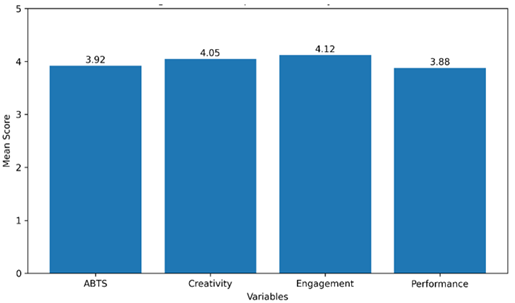
Figure 2 Mean Comparison of Study Variables
The bar chart Figure 2 is used to compare the average scores of Arts-Based Teaching Strategies, Creativity, Engagement, and Academic Performance. The mean value of Student Engagement is 4.12 with the next value of 4.05 in Creativity, which demonstrates that the arts-based pedagogy is closely tied to the active involvement and ideas generation. The effects of Academic Performance (3.88) and ABTS exposure (3.92) are positive as well, meaning that there is a positive impact.
Figure 3
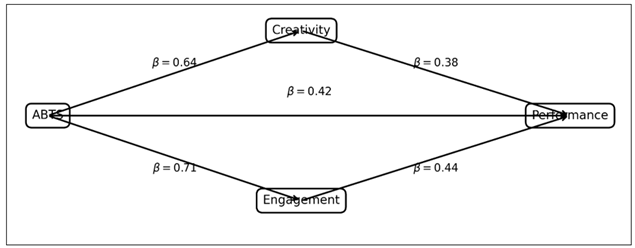
Figure 3 Structural Equation Model Path Diagram
Figure 3 below is a SEM diagram that indicates the hypothesized relationships between the constructs. The most powerful is the one between ABTS to Engagement ( = 0.71), then Creativity ( = 0.64). The direct impact of ABTS on Performance ( = 0.42) is high, whereas the extra sections between Creativity and Performance ( = 0.38) and Engagement and Performance ( = 0.44) are signs of mediation. This implies that arts-based teaching enhances performance either directly or indirectly by enhancing creativity and involvement.
Figure 4
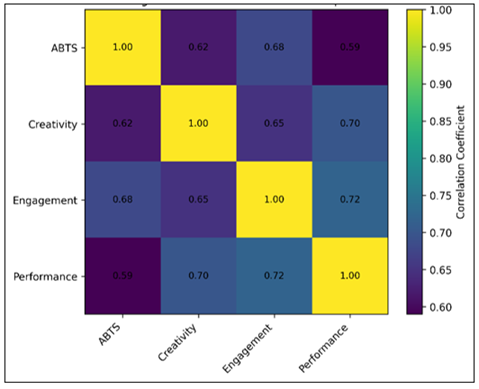
Figure 4 Correlation Matrix Heatmap
Figure 4 displays the strength of relationships between the variables in a heatmap. The darker the cells, the stronger are the positive correlations. The fact that the highest association is between Engagement and Performance (0.72) is followed by the fact that Creativity and Performance (0.70) are the highest associated. This helps to interpret that more engaged and creative students are more likely to demonstrate positive academic results.
6. Comparative Analysis and Discussion
The results of this research will give a full picture regarding the comparison between the arts-based teaching strategies and the traditional pedagogical strategies in higher education. Traditional teaching strategies that mostly focus on lectures and delivery of content do tend to focus on passive learning and minimal student engagement. Although such methods can work out well in conveying the theoretical knowledge, they might not be sufficient to enhance the ability to think at the higher level, innovation, and active participation. Conversely, arts-based teaching strategies bring in an experiential and student-based approach that promotes the learning process where the learners are required to be actively involved in the learning process by engaging in activities such as story telling, role- playing, visualization, and collaborative creative projects. The comparative study is clear to show that students who are exposed to arts-integrated practices show a great level of engagement and creativity compared to students in the classroom-based traditional environments. The outcomes of the statistical analysis also emphasize the high effectiveness of teaching strategies based on arts in the main learning outcomes. The outcome of creativity is a critical thinking process that allows the students to think divergently, develop novel ideas, and solve challenges in different ways. Meanwhile, the student engagement that refers to behavioral, emotional, and cognitive aspects is the key to the effective learning process. The results indicate that involvement is a little more effective in academic performance as compared to creativity implying that the academic performance of such students is likely to be positive as a result of their active involvement and motivation. This highlights the need to establish interactive and immersive learning settings that remain to keep students interested and engaged. The other significant observation of the research paper is that there were direct and indirect outcomes of arts-based teaching methods on academic achievement. The direct relationship implies that such strategies alone bring about a better learning outcome through the increased availability and relatability of content. At the same time, indirect impact in the form of creativity and engagement proves that, arts-based education works in several ways, which contributes to its efficiency as a comprehensive form of teaching. It is this multidimensional impact that separates arts based teaching and its traditional counterparts which, in most cases, tend to be based on only one instructional mode.
The results of this research can be aligned with the literature that has been available and highlights the importance of incorporating arts in education. The past study has indicated that arts-based learning is effective in assisting students to get motivated, develop conceptual knowledge, and acquire critical thinking and problem-solving capabilities. The study however is based on the prior study that provides a holistic model where creativity, involvement as well as academic achievement are researched simultaneously. Structural Equation Modeling (SEM) is also another empirical strength of the results as a valid instrument that provides a strong analytical base to understand the relationships between variables. The pedagogical meaning of the findings suggest significant shift to the learner centered teaching. It is also recommended that the teachers implement arts based practices in their classrooms to ensure that they have a more active and interesting classroom. Such strategies and their combination with the use of the tools of technology and artistic practices may also raise the effectiveness of the latter and enable the students to approach the content differently. Also, the notion of including the arts-based approaches into educational programs should also be taken into account by policy-makers and curriculum developers so that they could sponsor the comprehensive growth of the skills, i.e., creativity, cooperation and critical thinking. Despite certain advantages, there are certain difficulties that can be identified with the implementation of arts-based teaching strategies. These are the fact that they require special training of the teachers, resources and infrastructure, and time to plan and implement creative activities. Moreover, some of the outcomes like creativity and engagement may be difficult to evaluate since they are subjective. These challenges should be solved with the help of an institution, professional development of teachers, and standardized assessment instruments should be created.
7. Conclusion and Future Work
This paper examined the influence of arts-based instruction pedagogy on the important learning outcomes in higher education, namely, creativity, student engagement, and academic performance. The results are very much empirical evidence that the incorporation of artistic factors in pedagogy plays a great role in enhancing the overall learning process and leads to the increased academic performance. The study findings validate the fact that arts-based teaching strategies do impart a positive and significant impact on not only creativity but also student engagement which positively affects academic performance. Student engagement was identified as the most important predictor among them, which is why active involvement and emotional involvement in the learning process are important. The direct and mediated relationship fact above also demonstrates that arts-based pedagogy is founded on multi pathway teaching approach, which is effective and holistic. One of the key contributions of the research is the development and validation of a conceptual framework to coordinate creativity, engagement, and academic performance on a single model. The Structural Equation Modelling (SEM) employed in the research provides the research with a good analytical foundation of the connection between these variables. This contributes to the growing body of research of novel instructional strategies and gives them a systematic guide to study in the future. In practical application, the study brings out the need to embrace student centered and experiential learning in institutions of higher learning. The arts-based activities such as storytelling, role-playing, visual representation, and digital creative tools can significantly enhance the effective classroom interaction and learning. Furthermore, the technology and arts-based pedagogy show new possibilities of immersion and interaction.
However, limitations do not pass the research. The cross-sectional research design does not allow one to determine causal relationships in the long run. Also, the sample is not representative of a certain area of study and institution, which can influence the external validity of the results. There is also some degree of subjectivity in measuring such constructs as creativity and engagement, which can lead to the distortion of the results. Considering these limitations, a number of directions of the future research are suggested. The first is that longitudinal studies can be carried out to investigate the impact of teaching strategies based on arts on the student outcomes in the long term. Second, the next step in research can be how effective these strategies are in various disciplines, academic levels and cultures. Third, one can explore the ways of applying the latest technologies, including virtual reality (VR), augmented reality (AR), and artificial intelligence (AI) to the arts-based pedagogy in order to make the learning experience even more empowering. Besides, as a component of the future research, the instruments of standardized evaluation to measure creativity and engagement can be evolved to be more objective. In conclusion, it can be stated that the arts-based pedagogical strategies are a ground-breaking approach to instruction of higher education, which does not merely lead to academic success but also to the development of the necessary skills such as inventiveness, critical thinking, and teamwork. As the current trends in education systems are undergoing transformations brought about by globalization, the adoption of new and inter-disciplinary approaches of teaching will be of paramount importance in providing the students with the necessary skills to be used in the current world.
CONFLICT OF INTERESTS
None.
ACKNOWLEDGMENTS
None.
REFERENCES
Başaran, M., and Bay, E. (2023). The Effect of Project-Based Steam Activities on the Social and Cognitive Skills of Preschool Children. Early Child Development and Care, 193(5), 679–697. https://doi.org/10.1080/03004430.2022.2146682
Gerber, B. L., Guay, D. M., and Burnette, J. (Eds.). (2024). Reaching and Teaching Students with Special Needs Through Art (2nd ed.). Taylor and Francis Group.
Ghukasyan, L. E., and Gevorgyan, E. S. (2020). Creative Work as a Method of Correction of the Psychoemotional State in Pupils of High School. Proceedings of the YSU B: Chemical and Biological Sciences, 54(2), 154–158. https://doi.org/10.46991/PYSU:B/2020.54.2.154
Hagenauer, G., Wallner-Paschon, C., and Kuhn, C. (2021). Austrian Students' Experiences of Supportive Relationships with Teachers, Peers, and Parents and the Mediating Effect of School Belonging in the Context of Their Academic and Non-Academic Outcomes. Zeitschrift für Bildungsforschung, 11(1), 93–116. https://doi.org/10.1007/s35834-021-00300-y
Howard, J. L., Bureau, J. S., Guay, F., Chong, J. X. Y., and Ryan, R. M. (2021). Student Motivation and Associated Outcomes: A Meta-Analysis from Self-Determination Theory. Perspectives on Psychological Science, 16(6), 1300–1323. https://doi.org/10.1177/1745691620966789
Huber, M., and Helm, C. (2024). The Sense of Security and Comfort in Education: Development, Validation, and Interpretation of a New Questionnaire. Education Sciences, 14(11), Article 1162. https://doi.org/10.3390/educsci14111162
Lee, B. K., Enciso, P., and Brown, M. R. (2020). The Effect of Drama-Based Pedagogies on K–12 Literacy-Related Outcomes: A Meta-Analysis of 30 Years of Research. International Journal of Education and the Arts, 21(30).
Lewandowska, K., and Węziak-Białowolska, D. (2020). The Impact of Theatre on Empathy and Self-Esteem: A Meta-Analysis. Creativity Research Journal, 32(3), 237–245. https://doi.org/10.1080/10400419.2020.1821553
Lewandowska, K., and Węziak-Białowolska, D. (2023). The Impact of Theatre on Social Competencies: A Meta-Analytic Evaluation. Arts and Health, 15(3), 306–337. https://doi.org/10.1080/17533015.2022.2130947
Katikala, V. K. (2026). Automated Tattoo Recognition: A Machine Learning Approach Integrating Facial Biometrics. IJACECT, 14(2), 64–70. https://doi.org/10.65521/ijacect.v14i2.1526
Li, G., Li, Z., Wu, X., and Zhen, R. (2022). Relations Between Class Competition and Primary School Students' Academic Achievement: Learning Anxiety and Learning Engagement as Mediators. Frontiers in Psychology, 13, Article 775213. https://doi.org/10.3389/fpsyg.2022.775213
Martinsone, B., and Žydžiūnaitė, V. (2023). Teachers' Contributions to the School Climate and Using Empathy at Work: Implications from Qualitative Research in Two European Countries. Frontiers in Psychology, 14, Article 1160546. https://doi.org/10.3389/fpsyg.2023.1160546
Soomro, S. A., Casakin, H., Nanjappan, V., and Georgiev, G. V. (2023). Makerspaces Fostering Creativity: A Systematic Literature Review. Journal of Science Education and Technology, 32(4), 530–548. https://doi.org/10.1007/s10956-023-10041-4
Taylor, K. V. (2020). Building School Community Through Cross-Grade Collaborations in Art. International Journal of Education Through Art, 16(3), 351–370. https://doi.org/10.1386/eta_00038_1
Feldman, M. (2021). Practice Theory and Routine Dynamics. In M. Feldman et al. (Eds.), Cambridge Handbook of Routine Dynamics (21–36). Cambridge University Press. https://doi.org/10.1017/9781108993340.004
|
|
 This work is licensed under a: Creative Commons Attribution 4.0 International License
© ShodhKosh 2026. All Rights Reserved.