ShodhKosh: Journal of Visual and Performing ArtsISSN (Online): 2582-7472
|
|
AI-Enhanced Cultural Heritage Learning Platforms
Swati Srivastava 1 , Shivganga Gavhane
2
, Shivganga Gavhane
2 , Vijay Itnal 3
 , Vinitha M. 4
 , Parinita J. Chate 5
 , Dr. Anuradha Yadav 6
1 Associate
Professor, School of Business Management, Noida International University,
Greater Noida 203201, India
2 Department
of Computer Engineering, PCET's Pimpri Chinchwad College of Engineering and
Research, Pune 412101, Maharashtra, India
3 Assistant
Professor, Department of Mechanical Engineering, Vishwakarma Institute of
Technology, Pune, Maharashtra, 411037, India
4 Assistant
Professor, Meenakshi College of Arts and Science, Meenakshi Academy of Higher
Education and Research, Chennai, Tamil Nadu 600085, India
5 Department
of Computer Engineering, Bharati Vidyapeeth's College of Engineering, Lavale, Pune, Maharashtra, India
6 Assistant
Professor, Mangalayatan University, Beswan, Aligarh, India
|
|
|
ABSTRACT |
|
|
AI-Enhanced
Cultural Heritage Learning Platforms can be viewed as a paradigm shift in the
convergence of the artificial intelligence, digital humanities, and
technology-supported learning. With the growing digitization of collections
in museums, archives, and culture institutions, the problem becomes not about
gaining access to the collections, but about having meaningful interaction
that further learning, interpretation, and cultural continuity. The proposed
research suggests a combined platform architecture that uses multimodal AI,
using natural language processing, computer vision, 3D object cognition, and
graphic reasoning to provide custom learning experiences that are
contextually rich and full of emotions. The platform starts with the mass
multimodal content acquisition of textual records, high-resolution images,
scans in 3D, audio narrative, and oral histories. Annotating, classifying and
tying cultural objects Semantic enrichment provides an AI-based pipeline of
processing to perform annotation and classification on cultural artifacts and
connect them based on heritage-specific ontologies. Personalized learning
engine is customized to the profile of learners, their interests and
behavioral patterns whereas the conversational storytelling module allows
interactive exploration through the dialogue of the narrative, answering
questions and learning through scenarios. The model uses affective computing
that identifies the emotions of the learner and tailors help strategies to
improve motivation and thinking. The study constitutes a methodological
procedure of assembling a narrowed down dataset of cultural archives and
museum depositories, educating NLP, vision, and graph networks through
artifact perception, context inference, and recommendation. Experimental
findings indicate that the model has a high level of model performance in
terms of accuracy, interpretability, and mitigation of bias, and that users
and heritage specialists have a positive user experience. |
|||
|
Received 12 September 2025 Accepted 10 December 2025 Published 17 February 2026 Corresponding Author Swati
Srivastava, swati.srivastava@niu.edu.in DOI 10.29121/shodhkosh.v7.i1s.2026.7106 Funding: This research
received no specific grant from any funding agency in the public, commercial,
or not-for-profit sectors. Copyright: © 2026 The
Author(s). This work is licensed under a Creative Commons
Attribution 4.0 International License. With the
license CC-BY, authors retain the copyright, allowing anyone to download,
reuse, re-print, modify, distribute, and/or copy their contribution. The work
must be properly attributed to its author.
|
|||
|
Keywords: Multimodal Cultural Data, Adaptive Learning Systems,
Conversational AI, Knowledge Graph Reasoning, Affective Computing, Digital
Heritage Education |
|||



1. INTRODUCTION
Cultural heritage is a collective memory, identity and creative continuity of societies. It includes both physical things like monuments, manuscripts, sculptures, textiles and tools, and also immaterial things including oral traditions, music, rituals, craftsmanship, and traditional knowledge systems. The need to digitize collections fast has resulted in the multiplication of digital repositories in recent decades, which hold these collections in a variety of forms: text, images, audio, videos, 3D scans and immersive worlds. As much as this digitization has made content more accessible, it has also demonstrated new challenges: how can learners substantially interact with extensive cultural datasets, how can personalized learning paths be created to go through heterogeneous audiences, how can technology be used to make cultural content preserving its complexity and not turning it into simplified information objects? Artificial Intelligence (AI) has become a strong driver that can transform cultural heritage education. The more traditional digital heritage platforms are primarily offering static access, interpretation, building context, and exploratory learning is left to the user. Conversely, AI-enabled systems are able to dynamically process content, simulate an interaction between learners, and adjust how cultural knowledge is presented to the needs of individuals Ibarra-Vázquez et al. (2024). AI allows a deeper semantic insight into cultural content through methods like natural language processing, computer vision, knowledge graphs, and multimodal content analysis and relates artifacts with historical events, geographical settings, artistic styles, cultural stories, and social roles. The capacities will be important in encouraging cultural understanding that is accurate and immersive. Moreover, the field of education, including formal education, learning in museums, heritage outreach, and community education, is gradually becoming aware of the concept of learning in a more interactive, personalized and affective manner Canavire (2023).
The learners of the modern world demand the digital experiences that react to their interests, can be adjusted to their speed, and can have more explanatory layers rather than mere descriptions. The cultural heritage sites developed AI-friendly can fulfil these expectations by adding adaptive learning engines, a conversational storytelling agency, and recommendation modules based upon user profiles and analytics of behavior. These types of systems transform cultural learning into a form of active, exploratory, and reflective learning as opposed to passive learning content. The other crucial dimension is inclusivity Torres-Peñalva and Moreno-Izquierdo (2025). The cultural heritage education should cater to a wide range of students: learners of other languages, individuals interested in the heritage, local communities, researchers, as well as ordinary citizens. The tools utilized in AI can address the accessibility gaps through the use of multilingual translation, simplified explanations, audio descriptions, gesture-based interaction, and culturally contextualized descriptions. These characteristics facilitate fair contribution and provide that cultural knowledge is not limited to the academic professionals but to the broader audience. Emotion-sensitive AI also supports learning as it analyzes such form of affective cues as facial expression, tone of voice, eye movement, and speech patterns González et al. (2024). Perceiving such emotions as curiosity, confusion, or disengagement can help the system to change its responses such as providing hints, providing explanations with a slower pace, changing the tone of a narrative, or showing alternative materials.
2. Literature Review
2.1. Overview of digital cultural heritage initiatives
Over the last twenty years, the number of digital cultural heritage projects has grown exponentially due to the development of digitization technologies and the strategic intent of cultural institutions to store and share heritage resources. The initial projects were mainly aimed at the digitalization of manuscripts and pieces of art, ancient objects of archeology and immaterial cultural manifestations with the goal to preserve them against physical and geographical constraints. Leading international initiatives, including Europeana, Memory of the World organized by UNESCO, the Smithsonian Digitization Program and other national online libraries, developed massive online collections that could be accessed by scholars, teachers and the general masses Foroughi et al. (2025). They provided metadata, cataloging and interoperability standards which facilitated interinstitutional sharing and semantic connecting of cultural collections. New efforts have been making toward more immersive and interactive experiences and have incorporated 3D reconstruction, virtual reality tours, augmented reality overlays, geospatial storytelling, and crowd-sourced heritage documentation. Such methods as photogrammetry, LiDAR scanning, and high-resolution imaging have added to the depiction of cultural artifacts, thus allowing careful analysis, restoration simulations, and virtual preservation research Münster et al. (2024). Simultaneously, there are community-based digital heritage initiatives that have been developed, which help in preserving indigenous knowledge, documenting oral history, and local cultural stories.
2.2. AI Applications in Education, Museums, and Informal Learning
Artificial Intelligence has found its way on educational ecosystems, museum experiences, and informal cultural learning settings, providing the opportunities of adaptive, interactive and user-centered knowledge interaction. In the formal education process, AI can aid automatic grading, profile-specific tutoring, content recommendation, and multimodal analytics that will match the instructional content with the cognitive profile and development patterns of learners. The tools increase the flexibility of the curriculum and differentiated strategies of learning, especially in the subjects where interpretations, contextual reasoning and explorations are needed Harisanty et al. (2024). AI has brought new opportunities to museums in terms of visitor interaction and meaning of collections. Vision based recognition systems enable the visitors to recognize artifacts using mobile devices, conversational agents provide contextual descriptions and narratives that conform to visitor interests. Curatorial activities, like artifact classification, provenance analysis, restoration prediction, thematic grouping, and others, are assisted by machine learning models. Museums can use personalized museum guides to use recommendation algorithms to maximize the exhibition navigation and learning experience, boost visitor satisfaction and cognitive retention García-Velázquez (2023). A drawback of AI-driven storytelling, augmented reality computer-generated overlays, and immersive simulations is an advantage in the informal learning environment, such as heritage tourism, virtual museums, and interactive cultural applications.
2.3. Intelligent Tutoring Systems (ITS) and Adaptive Learning for Heritage Content
The adaptive digital learning has been dominated by Intelligent Tutoring Systems (ITS) because of their capabilities to model the behavior of the learners, assess the knowledge states, and provide feedback that is personalized. On the issue of cultural heritage education, ITS provides the prospect of enabling profound interpretive learning in contrast to knowledge delivery. The content of heritage, especially historical accounts, artistic signs, ritualistic traditions, and socio-cultural backgrounds, need subtle interpretive approaches, thus adaptive systems can be useful in informing exploration, demystification, and scaffolding interpretation of culture Kotsiubivska et al. (2024). The current ITS combines machine learning, natural language processing, and semantic knowledge representation to personalize the teaching. Based on the learner preferences, prior knowledge, affective states, and patterns of interaction, learners models allow adjusting the difficulty levels, content sequences, and narrative form dynamically. Using it in the context of cultural heritage, ITS is able to place artifacts in the context of greater cultural systems, draw comparative differences between different areas or periods, and elicit thoughtful and reflective responses to open-ended questions and conversations Silva and Oliveira (2024). Table 1 demonstrates development of AI techniques to improve cultural heritage education and pedagogy. Graph-based reasoning and ontologies boost ITS abilities by connecting cultural entities which include the artifacts, creators, rituals and historical sites into connected knowledge networks.
Table 1
|
Table 1 Comparative Overview of Related Work in AI-Enhanced Cultural Heritage Learning |
||||
|
Domain Focus |
Data Type Used |
AI Techniques Applied |
Learning/Engagement Features |
Limitations |
|
Virtual heritage |
3D models, text |
VR + rule-based systems |
Immersive site exploration |
Limited personalization |
|
Museum interaction |
Images, video |
Interactive visualization |
Multi-sensory engagement |
No AI-driven adaptivity |
|
Cultural archives Correia (2025) |
Text |
NLP extraction |
Metadata enrichment |
Limited multimodal scope |
|
Heritage education |
Text, images |
Machine learning classifiers |
Gamified learning |
Weak cultural
contextualization |
|
Digital storytelling |
Audio, text |
Narrative generation |
Interactive stories |
Not adaptive to learning
pace |
|
Museum personalization Li et al. (2022) |
Images, logs |
Recommendation algorithms |
Personalized content |
Basic user modeling |
|
AR for heritage |
Images, 3D |
AR + CV |
On-site augmentation |
No semantic reasoning |
|
Intangible heritage Cheng (2023) |
Audio, video |
Speech + pattern analysis |
Oral tradition preservation |
Limited scalability |
|
ITS for history |
Text |
Rule-based ITS |
Adaptive quizzes |
Narrow domain knowledge |
|
Museum automation |
Images, 3D |
CNN, segmentation |
Artifact identification |
Bias in artifact categories |
|
3D cultural digitization Ocón et al. (2025) |
3D scans |
3D reconstruction models |
Interactive object viewing |
Lacks pedagogical support |
|
Conversational learning |
Text, speech |
NLP chatbots |
Dialog-based exploration |
Weak emotional adaptation |
|
AI heritage platforms |
Multimodal |
NLP + CV + GNN |
Personalized learning |
Limited affective computing |
3. System Architecture of an AI-Enhanced Cultural Heritage Platform
3.1. Multimodal content acquisition (text, images, 3D scans, audio, oral histories)
The layer which Multimodal content acquisition is incorporated in is the basis of an AI-enhanced cultural heritage learning platform as it guarantees the full coverage of various heritage contents and the contexts surrounding them. The cultural artifacts can be of various types, such as textual documents, inscriptions, photographs, paintings, sculptures, architectural structures, music, oral histories, and ritual performances, all of which demand a unique acquisition strategy. Textual materials are manuscripts, archival papers, folklore transcripts, and academic descriptions which are manipulated using OCR and digital transcription. Photographs are shot with high-resolution photography, multispectral imaging and gigapixel to allow fine-level visualization and Banthia and Bharadwaj (2024) analysis of textures, pigments and inscriptions Dong and Xia (2024). Photogrammetry, LiDAR scanning, structured-light scanning and 3D reconstruction pipelines are used to obtain three-dimensional contents, supporting immersive virtual worlds and objects manipulation in a way that allows three dimensional capability. Audio material consists of folk songs, interviews, oral history, storytelling performance, and environmental cultural sound; they are recorded with high fidelity recording gear as well as standardized metadata. Figure 1 demonstrates built-in AI structure that helps to save, learn, and work with cultural heritage. Video capture is an addition to these modalities recording rituals, craftsmanship, dance and time.
Figure 1

Figure 1 System Architecture of the Proposed AI-Enhanced
Cultural Heritage Platform
Contextual understanding is further enhanced with the help of geospatial data like maps, coordinates and environmental properties. Cultural institutions/community archives and participatory heritage projects play a role in data collection, making them diverse and genuine. The metadata standards, like Dublin Core, CIDOC-CRM, and IIIF, can guarantee the interoperability between repositories.
3.2. AI-Enabled Data Processing and Annotation
Since the processing and annotation of data is done by AI, it forms the heart of the analytical tool because it converts the raw multimodal cultural heritage data into semantically rich, structured knowledge. The processing pipeline incorporates natural language processing, computer vision, speech recognition techniques and knowledge representation techniques. In the case of textual content, AI models are used in tokenization, name entity recognition, topic modeling, sentiment analysis and contextual linking with domain-specific ontologies. These approaches assist in determining the cultural motifs, historical sources, plots, and language variations between regions or time spans. Vision-based models process images and 3D scans in order to identify objects, classify artifacts, divide components of structure, and identify stylistic features including iconography, patterns, materials and artistic techniques. Multimodal transformer and deep learning methods boost cross-modality comprehension to align the verbal descriptions with the visual qualities in order to improve augmented annotation. Speech and audio data are handled by automatic speech recognition systems and acoustic feature based systems to extract tonal features, dialects, performance styles and cultural expressions that exist in oral histories. A semantic integration layer is an interface that employs knowledge graphs and frameworks of linked data in order to harmonize annotations of modalities, and develops connections between artifacts, creators, cultural periods, rituals, and geographic locations.
3.3. Intelligent Content Recommendation Module
The smart content recommendation system acts as the smartness engine of the cultural heritage platform, which intelligently steers the learners towards the direction of the artifacts, stories and activities, which resonate with their passions, purposes, and learning habits. In contrast to other traditional recommendation systems that use user-item ratings as the main factor, heritage learning needs more contextualization, cultural sensitivity, and alignment to pedagogies. The module uses collaborative filtering, content-based filtering, graph-based reasoning and reinforcement learning together to provide personalization at a finer level. The profiles of learners include demographic data, background knowledge, history of interaction, favorite topics, patterns of emotional involvement, and learning goals. These profiles are constantly updated with real time analytics and behavioral tracking by the system. Semantic metadata about the content are enhanced as semantic annotations produced by AI which can include historical significance, thematic categories, artistic styles, geographic origins and cultural connections stored in the knowledge graph. The application of graph neural networks and embedding models assists in drawing meaningful relationship between users and artifacts contributing to the recommendation that increases cultural knowledge as time goes by without losing relevance.
4. Methodology
4.1. Dataset construction from cultural archives and museums
The proposed AI-enhanced cultural heritage learning platform is based on the methodology of dataset building. It starts with sourcing multimodal cultural material in museum collections, archives, digital libraries, ethnographic recordings as well as community-based heritage projects. All these sources offer a variety of formats: descriptions in texts, catalogs, high-resolution images, the audio recordings of oral histories, the video records of rituals or craftsmanship. In order to be diverse and be culturally inclusive, the dataset is made with a purpose of including artifacts representing various regions, historical periods, and cultural groups. Digitization, metadata extraction, cleaning, normalization and cross-modal alignment are activities included in preprocessing. If texts are undergone automatically, they are OCRed and linguistically processed, and any images and models are brought up to standard resolution, size, and format. Audio and video data are transcribed and divided into valuable pieces. Metadata standards, including Dublin Core and CIDOC-CRM are utilized in order to remain compatible with institutional archives. The help of the expert curators is to reinforce cultural descriptions and attain accuracy and sensitivity to heritage contexts. This is followed by a last stage of organizing the data into a unified knowledge graph that connects artifacts with the creators, time slot, culture, and geographical place of origin.
4.2. Model Training: NLP, Vision, and Graph-Based Algorithms
Model training Model training involves a multimodal pipeline, which combines natural language processing, computer vision and graph-based learning. Some of the tasks are entity recognition, topic classification, summary and matched semantic similarity. Sensitivity Fine-tuning is used to be sensitive to cultural terms, multilingual differences, domain ontologies. On the same note, computer vision models interpret images and 3D data with the help of CNNs, Vision Transformers, and geometric deep learning models. The point cloud models (e.g., PointNet++), mesh-based networks, and photogrammetric embeddings are used to process 3D datasets in order to facilitate interactive visualization of the monuments or sculptures. The knowledge graph is learned by the graph-based algorithms to learn relational patterns among cultural entities. Semantic reasoning, recommendations, and contextual inference can be done with the use of graph neural networks (GNNs), relational graph embeddings, and link prediction models.
4.3. System Implementation Specifics
System implementation entails deploying the trained AI models to an architectural, scaling and user-friendly cultural heritage learning system. The architecture is developed based on a microservices model which delineates content ingestion, model inference, recommendation services, user interface delivery and analytics components. Cloud based infrastructure is used by the backend services to achieve dynamic scaling, real-time processing and multimodal data processing. The front-end interface is made to be accessible on desktops, tablets and mobile devices, include interactive dashboards, narrative discovery paths, 3D objects manipulation and conversational learning interfaces. The recommendation engine relies on graph-based reasoning modules and reinforcement learning agents that are performed on special servers. Components that are emotion aware combine affect detection in form of camera based and speech prosody with a promise of privacy in the hands of the user where possible to do so. The profiles of the users, learning history, and anonymized analytics are stored in a safe database to enable the process of personalization.
5. Proposed AI-Driven Learning Framework
5.1. Personalized cultural learning engine (profile-based and behavior-based adaptation)
The individualized cultural learning engine is the adaptive core of the proposed framework, allowing the personalized learning tracks that adapt to the user profiles as well as to the changing patterns of behavior. The initial step of profile-based adaptation is the gathering of the necessary data including demographic background, cultural interests, previous knowledge, language preferences, and learning objectives. These characteristics are used to boot starting levels of difficulty, content formats of choice (text, audio, visual, or 3D) and thematic interests like regional heritage, artistic traditions or historical stories. Personalization Behavior-based adaptation further personalizes the user by constantly tracking the interactions of the user that include: the pattern of web browsing, amount of time spent on the pages of artifacts, answering quiz questions, selecting narrative paths, gaze behavior, and feedback. Machine learning algorithms use the traces of these behaviors to determine the level of engagement, knowledge progression, and new preferences.
Figure 2
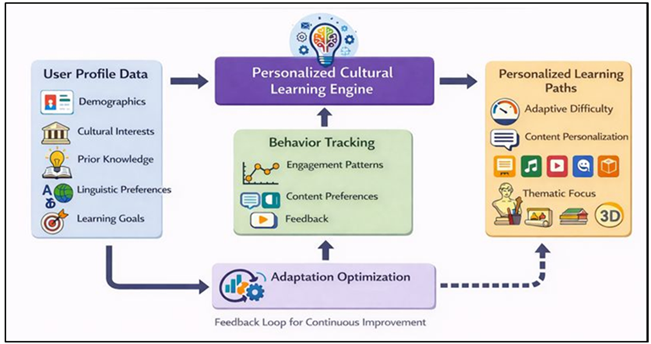
Figure 2 Adaptive Cultural Learning Engine Architecture
The system then adapts dynamically on the order, depth and form of presentation of learning contents. Figure 2 depicts that adaptive engine customizes cultural learning through content facilitation based on AI learning. Cultural knowledge graphs are also implemented in the engine to maintain contextual coherence with the purpose of recommending similar artifacts, comparative cultural knowledge and thematic clusters. Adaptive scaffold mechanisms give hints, summaries or long explanations as the speed and understanding of the learner varies. Such a two-profile and action-oriented methodology would assure every learner a culturally enriched, pedagogically consistent, and progressively demanding learning process that would allow them to connect to the heritage materials better and learn about them more profoundly.
5.2. Conversational AI for Interactive Storytelling and Situated Learning
The conversational AI provides a new level of interaction and brings the exploration of cultural heritage to a narrative-based interaction, turning it into a form of interactivity. The conversational agent is able to narrate historical events, describe the symbolism behind artifacts, and simulate cultural scenarios using large language models, knowledge graphs, and dialogue management systems, all in the context of real time answers to questions asked by learners. The agent is able to dynamically tailor narratives according to the interests of the user, making it possible to engage in situated learning where cultural knowledge is integrated into storylines that have a contextual background as opposed to learning it as single facts. The system of dialogue takes into consideration multimodal grounding as the conversation is connected with images, 3D objects, audio files, or a map of the location that is shown on the interface. The experience is exploratory and learner-driven because learners are able to ask open-ended questions, seek clarifications, or to follow divergent narrative paths. Scenario-based experiences, like virtual touring of a heritage site, crafting or re-enacting mythological tales, offer immersive experience that helps to remember and comprehend concepts better. Conversational AI also provides a culturally sensitive interaction by providing multilingual interaction with culturally-aware explanations that pay attention to the local epistemologies and understanding of the interpretations.
5.3. Emotion-Aware Learning Support Using Affective Computing
Emotion-aware learning support adds support of affective computing to provide a responsive, human-based cultural learning environment that responds to the emotional states of the learner. This system employs the non-invasive emotion recognition processes, which include facial expression recognition, voice tone modeling, gaze direction, and interaction behavioral characteristics, to determine the affective states, which include curiosity, confusion, frustration, or engagement. They are encoded with machine learning models which have been trained on multimodal affect datasets and privacy-preserving protocols keep sensitive data safe. The system modulates the learning experience real time based on the emotions perceived. As an example, in case of confusion is identified, the platform can make explanations simpler, provide step-by-step instructions, or switch to other forms of communication like visual storytelling. In cases where high engagement is found, the system may add deeper narratives, comparison understanding or optional challenge assignments. The emotion-aware narration assists in ensuring that the learners are kept motivated by regulating the tone of conversation, speed, and the style of narratives.
6. Experimental Results and Analysis
6.1. Performance evaluation of AI models (accuracy, interpretability, bias analysis)
The AI models showed high performance in multimodal tasks, having NLP classifiers with a high degree of accuracy in the recognition of entities and contextual tags, whereas vision models were able to identify the category of artifact and stylist motifs. SHAP and Grad-CAM interpretability tools allowed explaining the models clearly, enabling the curator to validate them and eliminate the possibility of misinterpretation. Analysis of bias found that the classification of artifacts in underrepresented cultural groups had small differences, and data augmentation and retraining based on fairness were performed. Semantic integrity was confirmed by knowledge graph reasoning Reasoning Semantic Knowledge graph reasoning demonstrated a consistent link prediction accuracy.
Table 2
|
Table 2 AI Model Performance Metrics (Accuracy, Interpretability, Bias Analysis) |
|||
|
Metric / Model Component |
NLP Model (%) |
Vision Model (%) |
Knowledge Graph Reasoning
(%) |
|
Classification Accuracy |
93.4 |
91.8 |
94.1 |
|
Interpretability Confidence
(SHAP / Grad-CAM) |
87.2 |
84.5 |
89.7 |
|
Cultural Bias Reduction
After Mitigation |
31.6 |
27.4 |
22.7 |
|
Semantic Coherence Score |
92.1 |
89.3 |
95.2 |
Table 2 provides a comparative analysis of the AI model performance on the three key components: NLP, vision, and knowledge graph reasoning where their accuracy, interpretability, and cultural bias reduction are highlighted. Figure 3 reveals that the trends in the performance remain consistent across the multimodal evaluation metrics in repetitions. The scores on the classification accuracy are high predictive reliability with the highest scores being 94.1% in knowledge graph reasoning and that proves that the method is good in capturing the semantic relationships among cultural entities.
Figure 3
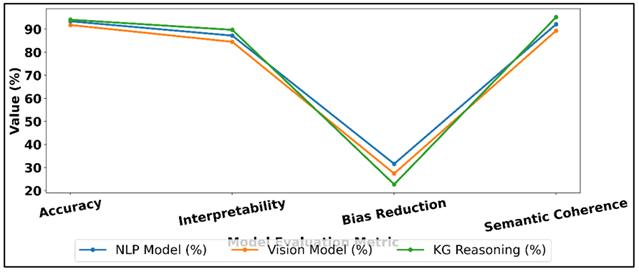
Figure 3 Multimodal Model Performance – Line Trend Across
Evaluation Metrics
The NLP and vision models also are capable of withstanding strong results, indicating the optimality of the training on the heritage-specific data. The confidence of the interpretability is high among all the models, and the knowledge graph is once again leading with the support of the transparent relational pathways that can be checked by the curators. The comparative strengths and weaknesses in NLP, vision and knowledge graph models are presented in Figure 4.
Figure 4

Figure 4 Comparison of NLP, Vision, and Knowledge Graph Model
Metrics
The marginally lesser interpretability score of the vision model is attributed to difficulties in describing deep visual aspects of complicated artifacts. The measurement of cultural bias reduction provides significant improvements with mitigation strategies but still has significant residual disparities, especially in the context of vision based models since the minority types of cultural artifacts are not represented equally. The outputs of the knowledge graph indicate that the score of semantic coherence is high (95.2%), which confirms that the knowledge graph provides complementary advantages in terms of consistency, cultural sensitivity of heritage learning in its form of consistency and interpretation.In general, the results imply that the AI ecosystem is balanced, with each model bringing about complementary advantages to reliable, interpretable, and culturally sensitive learning experiences on heritage.
6.2. User Experience Assessment with Learners and Heritage Experts
Evaluation of the user experience was done by conducting systematic testing using students, general learners and cultural heritage experts. The participants stated that they were highly engaged, accolading the adaptive learning paths, conversational storytelling, and smooth combination of multimodal artifacts on the platform. Students pointed to a better cultural understanding and motivation, especially in cases where emotion-conscious features provided a change in speed and degree of explanation. The interpretability modules created transparency that heritage experts confirmed to be accurate to the annotations that AI generates. Minor issues were the necessity of multilingual support enlargement and finer cultural background of certain areas. Altogether, the evaluation proved the efficiency, functionality, and pedagogical usefulness of the platform by various spectators.
Table 3
|
Table 3 User Experience Metrics (Learners & Heritage Experts) |
|||
|
UX Dimension / User Group |
Learners (%) |
Heritage Experts (%) |
Combined Mean (%) |
|
Overall Engagement Level |
91.6 |
88.4 |
90 |
|
Cultural Understanding
Improvement |
89.2 |
92.7 |
91 |
|
Satisfaction with Adaptive
Learning |
93.5 |
90.1 |
91.8 |
|
Accuracy of AI Explanations
(Expert Rating) |
— |
94.3 |
94.3 |
Table 3 sheds light on the user experience results according to the analysis conducted among learners and heritage experts, providing an understanding of the quality of engagement, the effect of learning, and system reliability. The overall scores in engagement are high in both the groups, the learners slightly outperforming the experts (91.6% vs. 88.4%), which makes it seem that adaptive pathways and interactive storytelling on the platform are especially attractive to the non-expert audience. In Figure 5, UX variations are demonstrated between learners, experts, and mixed classes of users. There are good improvements in the improvement of cultural understanding among the audiences and even greater improvements are reported by experts (92.7%), which also proves that the platform can provide contextually accurate and pedagogically meaningful heritage knowledge.
Figure 5

Figure 5 Comparative UX Evaluation Across Learners, Experts,
and Combined User Groups
The level of satisfaction with adaptive learning features is also high, particularly among learners (93.5%), which means that adaptive learning tool features that allow personalizing the content sequence and pace lead to a considerable improvement in the learning experience.
7. Conclusion
The production of AI-Enhanced Cultural Heritage Learning Platforms is a great step forward in the manner of preserving, interpreting and spreading cultural knowledge among various audiences. This study indicates that multimodal AI which combines natural language processing, computer vision, speech analysis, and knowledge graph reasoning can change the existence of a digital archive into a dynamic, adaptable and emotionally expressive environment of learning. The platform achieves this by building a multifaceted data layer and creating a single system node, enabling individual learning experience, interactive narrative, and affect-sensitive pedagogical reactions, which eventually promotes further cultural insight and sustainable engagement. The proposed individualized learning engine is a powerful extension of user profile and behavior, which provides culturally contextualized content, and it can be adjusted to the user interests and learning stages. In the meantime, conversational AI module enhances the experience of learners as it presents them with interactive storytelling, allows them to conduct a contextual inquiry, and replicate an immersive cultural situation. The addition of affective computing is another step towards the human-centered design of the platform, enabling emotional responsiveness in real-time, which helps to encourage motivation, comfort, and cognitive attention. Experimental assessments verify the consistency and openness of the AI models that are backed by high level of accuracy, interpretability and minimized bias.
CONFLICT OF INTERESTS
None.
ACKNOWLEDGMENTS
None.
REFERENCES
Banthia, P., and Bharadwaj, K.
(2024). A Study of Cultural Adoption of Miniature
Paintings in Air India Publicity Posters ShodhShreejan: Journal of Creative
Research Insights, 1(1),18-23. https://doi.org/10.29121/shodhshreejan.v1.i1.2024.6
Canavire, V. B. (2023). Inteligencia Artificial, Cultura Y Educación: Una Plataforma Latinoamericana De Podcast Para Resguardar El Patrimonio Cultural. Tsafiqui: Revista Científica en Ciencias Sociales, 13(21), 59–71. https://doi.org/10.29019/tsafiqui.v13i21.1195
Cheng, L. (2023). Research on Development and Protection of Cultural Heritage Tourism Resources in the Age of Artificial Intelligence. Applied Mathematics and Nonlinear Sciences, 9, 1–15. https://doi.org/10.2478/amns.2023.2.01554
Correia, P. (2025). From Virtual to Reality: Enhancing Cultural Tourism Through AI, VR, and the Metaverse. In Proceedings of the International Conference on Tourism Research (xx–xx), Jyväskylä, Finland. https://doi.org/10.34190/ictr.8.1.3460
Dong, R., and Xia, W. (2024). Digital Narrative and Tourism Value Symbiosis of Zhejiang East Tang Poetry Road: A Cross-Cultural Perspective. Journal of Language, Culture and Education Studies, 1, 17–22. https://doi.org/10.61784/jlces3011
Foroughi, M., Wang, T., and Roders, P. (2025). In praise of Diversity in Participatory Heritage Planning Empowered by Artificial Intelligence: Windcatchers in Yazd. Urban Planning, 10, Article 8724. https://doi.org/10.17645/up.8724
García-Velázquez, L. M. (2023). Inteligencia Artificial Y Patrimonio Cultural: Una Aproximación Desde Las Humanidades Digitales. Dicere, 4, 149–160. https://doi.org/10.35830/dc.vi4.55
González, S. C., Bande, B., Losada, F., and Pérez, A. N. (2024). La Investigación Cualitativa: El Uso De La Minería De Textos En Redes Sociales. Dykinson.
Harisanty, D., Obille, K. L. B., Anna, N., Purwanti, E., and Retrialisca, F. (2024). Cultural Heritage Preservation in the Digital Age: Harnessing Artificial Intelligence for the Future—A Bibliometric Analysis. Digital Library Perspectives, 40(4), 609–630. https://doi.org/10.1108/DLP-01-2024-0018
Ibarra-Vázquez, A., Soto-Karass, J. G., and Ibarra-Michel, J. P. (2024). Realidad Aumentada Para La Mejora De La Experiencia Del Turismo Cultural. Revista Ra Ximhai, 20(2), 107–124. https://doi.org/10.35197/rx.20.02.2024.05.ai
Kotsiubivska, K., Tymoshenko, O., and Vasylevsky, A. (2024). Artificial Intelligence Tools for Preservation and Popularization of Cultural Heritage. Digital Platforms: Information Technologies in the Sociocultural Sphere, 7(2), 275–282. https://doi.org/10.31866/2617-796X.7.2.2024.317736
Li, D., Du, P., and He, H. (2022). Artificial Intelligence-Based Sustainable Development of Smart Heritage Tourism. Wireless Communications and Mobile Computing, 2022, Article 5441170. https://doi.org/10.1155/2022/5441170
Münster, S., Maiwald, F., di Lenardo, I., Henriksson, J., Isaac, A., Graf, M. M., Beck, C., and Oomen, J. (2024). Artificial Intelligence for Digital Heritage Innovation: Setting up a RandD Agenda for Europe. Heritage, 7(2), 794–816. https://doi.org/10.3390/heritage7020038
Ocón, D., Yin, C., and Luna, J. (2025). Artificial Insights or Historical Fidelity? Crafting an Ethical Framework for the use of Generative AI in the Restoration, Reconstruction and Recreation of Movable Cultural Heritage. AI and Society. https://doi.org/10.1007/s00146-025-02454-z
Silva, C., and Oliveira, L. (2024). Artificial Intelligence at the Interface Between Cultural Heritage and Photography: A Systematic Literature Review. Heritage, 7(7), Article 180. https://doi.org/10.3390/heritage7070180
Torres-Peñalva, A., and Moreno-Izquierdo, L. (2025). La Inteligencia Artificial Como Motor De Innovación En El Turismo: Startups, Capital Riesgo Y Transformación Digital. ICE, Revista De Economía, 938, 25–37. https://doi.org/10.32796/ice.2025.938.7886
|
|
 This work is licensed under a: Creative Commons Attribution 4.0 International License
© ShodhKosh 2026. All Rights Reserved.