ShodhKosh: Journal of Visual and Performing ArtsISSN (Online): 2582-7472
|
|
AI-Powered Analysis of Brand-Consumer Engagement in the Digital Era: Insights from Indian Millennials
Tanushree Sharma 1 , Shilpi Jha 2
1 Scholar,
School of Media Studies and Humanities, Manav Rachna International Institute of
Research and Studies, Haryana, India
2 Dean,
School of Media Studies and Humanities, Manav Rachna International Institute of
Research and Studies, Haryana, India
|
|
|
ABSTRACT |
|
|
Brand-consumer
interaction has changed into a dynamic and data-driven process in the
fast-changing digital era. This is especially true for Indian millennials,
who are tech-savvy and use social media a lot. Their brand loyalty habits are
also changing. This research
investigates how Artificial Intelligence (AI) can help us understand and
predict how brand-consumer interaction trends will change in this group. The study uses a mixed-method research
approach that combines social media analytics, polls, and data on how people
connect with brands to get both numeric and qualitative information about
involvement and behaviour. To look at big datasets, AI-powered methods
are used. These include natural language processing (NLP) for figuring out
how people feel about something, machine learning algorithms for guessing how
engaged people will be, and grouping models for
dividing people into groups based on their behaviour. The results show clear patterns of
interaction that are affected by culture connection, content personalization,
and brand trustworthiness.
Personalized marketing strategies that use AI to create profiles of
consumers lead to a big rise in involvement and brand loyalty, especially
when they are tuned to people's language tastes and living goals. Predictive models also show that real-time
mood tracking lets brands change their campaigns on the fly, which makes
customers happier and more loyal over time.
The results have important implications for marketers who want to
improve their digital efforts. They highlight the importance of AI in
revealing complex customer behaviour and making
hyper-personalized interaction strategies possible. This study adds to the growing amount of
research on AI in marketing by looking at how to connect young consumers in
India. It does this by closing the gap between using technology and
communicating with brands in a way that is culturally relevant. |
|||
|
Received 10 May 2025 Accepted 12 September 2025 Published 25 December 2025 Corresponding Author Tanushree
Sharma, send2tanu@gmail.com DOI 10.29121/shodhkosh.v6.i4s.2025.6930 Funding: This research
received no specific grant from any funding agency in the public, commercial,
or not-for-profit sectors. Copyright: © 2025 The
Author(s). This work is licensed under a Creative Commons
Attribution 4.0 International License. With the
license CC-BY, authors retain the copyright, allowing anyone to download,
reuse, re-print, modify, distribute, and/or copy their contribution. The work
must be properly attributed to its author.
|
|||
|
Keywords: AI-Powered Engagement, Indian Millennials,
Brand-Consumer Interaction, Sentiment Analysis, Personalized Marketing |
|||



1. INTRODUCTION
Brand-consumer interaction has become an important factor in the success of marketing in today's highly connected digital world, especially in markets where new technologies are adopted quickly and customer tastes change often. Smartphones, high-speed internet, and social media sites have made it possible for brands to communicate with customers in real time, in a way that is personalized, and that involves interaction. In this situation, Indian millennials—people born between 1981 and 1996—make up a unique and powerful group of customers. Their growing ability to buy things, comfort with technology, and willingness to try new brands make them a central focus for marketers who want to create long-lasting engagement strategies. Not only are Indian millennials a unique group in terms of size, but they also act in a lot of different ways. A lot of them switch brands, are involved in online groups, and put a lot of value on sincerity, personalization, and value harmony. Because they use digital platforms to find products and make decisions, this behaviour makes it even more important to come up with new ways to involve them that go beyond standard marketing methods. To figure out what they like, you need to be able to handle huge amounts of organized and uncontrolled data that comes from social networks, e-commerce sites, and other digital sources. Traditional analytics can give you detailed insights, but the speed and complexity of user data require more advanced solutions. AI is a strong toolbox that can help solve this problem because it automates tasks like mood analysis, predictive engagement modelling, behavioural segmentation, and campaign personalization on a large scale. AI systems can figure out how people feel and what they like by reading social media chats and using Natural Language Processing (NLP). Based on past contacts, machine learning models can guess how likely it is that a consumer will connect, and grouping algorithms can divide consumers into groups based on their behavioural and psychological traits.
Even though AI is being used more in global marketing, not much study has been done on how it can improve brand-consumer connection among Indian millennials. Most of the studies that have been done so far are either broad in terms of demographics or focus on how people in the West buy things Gupta and Khan (2024). These studies may not consider how culture differences, language differences, and socioeconomic factors affect how people in India connect with brands. Figure 1 shows integration of AI tools enhancing brand-consumer engagement among Indian millennials. In this section, AI's ability to change marketing tactics on the fly based on real-time customer feedback is also still not fully studied Hollebeek et al. (2024).
Figure 1

Figure 1 AI-Powered Brand-Consumer Engagement Framework for
Indian Millennials in the Digital Era
The goal of this study is to close this gap by looking into how AI-powered methods can reveal useful information about how Indian youth connect with brands and help create highly personalized brand communication strategies Sang (2024). The study gives a complete picture of how AI can improve engagement results by combining quantitative analysis of large-scale digital interaction data with personal readings of customer tastes. The results should have important effects for both scholarly research and real-world marketing strategies Shaik (2023). They show how technology and cultural value can work together to shape the future of interactions between brands and customers in the digital age.
2. RELATED WORK
With the rise of AI-powered data, research on how brands and customers interact in the digital age has changed a lot. Early studies mostly looked at involvement through standard marketing measures like click-through rates, regularity of purchases, and membership in reward programs Şenyapar (2024). As social media grew, researchers turned their attention to user-generated content, online brand groups, and mood tracking to get a better sense of how digital interactions change over time George and George (2023), Kumar et al. (2021). Natural Language Processing (NLP) has been used a lot in AI-driven marketing for mood analysis, which lets brands figure out how people feel from text-based data Aljanabi (2023). Classification, grouping, and deep learning models are some examples of machine learning methods that have been used to identify levels of interaction, divide viewers into groups, and make personalized suggestions Shahriar and Hayawi (2023). These changes have shown real gains in targeting consumers and making messages more relevant.
A lot of this work has been done on Western countries, though, where internet habits and culture factors are different from those in developing economies. Studies on customer involvement in India have shown that social media sites like Instagram, Facebook, and YouTube play a big part in how people decide what to buy Azaria (2022). Indian youth put a lot of value on sincerity, the trustworthiness of influencers, and cultural relevance OpenAI. (2022). Some studies have looked at how AI can be used in Indian marketing, but they mostly look at general customer analytics or how to make e-commerce work better, not how to attract millennials specifically. Also, the use of real-time AI for personalisation and predictive modelling in India has not been fully studied yet. Recent research has also focused on behavioural classification, in which AI finds psychographic groups in younger audiences to make marketing material more relevant Kumar et al. (2023). There are still problems, though, with dealing with foreign material, tastes that vary by area, and narrow groups that don't have a lot of data. Table 1 shows objectives, methods, findings, and limitations of studies. To fill in these gaps, this study uses AI-powered sentiment analysis, predictive modelling, and behavioural segmentation to give culturally relevant insights into how Indian millennials engage with brands. It makes a unique contribution to both academic research and real-world marketing strategies.
Table 1
|
Table 1 Summary of Related Work |
|||
|
Objective |
Methodology |
Key Findings |
Limitations |
|
AI in brand engagement |
Mixed-method |
AI improved engagement by
35% |
Small sample size |
|
Sentiment analysis in Indian
market |
Quantitative |
Positive sentiment drove
conversions |
Limited platforms |
|
Millennial buying patterns Kini and Basri (2023) |
Quantitative |
Millennials value
authenticity |
Urban focus |
|
Social media impact on
branding |
Survey-based |
High brand switching
tendency |
Self-reported bias |
|
Predictive engagement modeling |
Machine learning |
Prediction improved
targeting |
Model overfitting |
|
AI-driven personalization |
AI models |
Personalization boosted CTR
by 40% |
High computational cost |
|
Behavioural segmentation via
AI Wang et al. (2024) |
Clustering |
Four consumer clusters
identified |
Sparse data for some
clusters |
|
NLP for cultural marketing |
NLP |
Language diversity key in
India |
Low resource language
support |
|
Hyper-personalized ad
targeting |
Predictive analytics |
CTR improved by 120% |
Short campaign duration |
|
Influencer marketing
analysis Sakas et al. (2024) |
Qualitative |
Influencers impact trust |
Sample not
gender balanced |
|
Real-time consumer feedback |
Sentiment mining |
Feedback loop improves
campaigns |
No longitudinal study |
|
Multilingual sentiment
classification |
Transformer-based NLP |
Multilingual NLP improved
accuracy by 18% |
Limited rural coverage |
3. RESEARCH METHODOLOGY
3.1. Research design and approach
This research uses a mixed-method research strategy that includes both quantitative and qualitative methods to get a full picture of how Indian youth interact with brands using AI. The mathematical part is all about using AI methods to look at a lot of data. Some examples are predictive modelling, mood analysis, and behavioural segmentation. This makes it possible to find trends in involvement that can be measured, like the number of clicks, the direction of comments, and the number of times people connect with material. The qualitative part goes along with this by trying to figure out the millennials' deeper reasons, beliefs, and societal factors that affect how they act when they are engaged. Interviews, focus groups, and topic analysis are all used to get more in-depth information about how consumers interact with brands that numbers alone can't show. Combining these two methods makes sure that the study uses scientific triangulation, which makes the results truer and more reliable. In the beginning, the design is exploratory, looking for engagement signs that are important to Indian millennials. Later, it is informative, looking at how AI-driven personalisation strategies affect how people respond. The method also has a feedback loop that works in a circle: AI-driven ideas help with qualitative questions, and qualitative results help improve the AI model. This choice of design is especially useful in India, where different languages, cultures, and regions call for a mix of scientific accuracy and understanding of the situation.
3.2. Data sources and collection methods
The information for this study comes from both first-hand and second-hand sources to make sure it is both contextually relevant and methodologically sound. Online polls, organized conversations, and focus group talks with Indian youth in a variety of urban and semi-urban areas are used to collect primary data. The study is meant to find out important things about engagement, like how often people connect with brands, their favourite digital platforms, the content they like, how real they think brands are, and how sensitive they are to personalized marketing efforts. People who take part in the study freely share social media activity logs that show things like post likes, shares, comments, and hashtag use. To make sure that the poll is seen by a wide range of people, it is shared through social media ads, influential networks, and university email lists.
Secondary data comes from social media tracking datasets, business studies, and university research sources that are open to the public and focus on Indian consumers' involvement. Because so many Indian youth use them, platforms like Twitter, Instagram, and YouTube are chosen for mood and trend research. Platform APIs and data scraping tools are used to get user-generated material that is open to the public for AI-based analysis. These datasets are used with sentiment analysis and interaction prediction models to find out what motivates and discourages people from engaging. It is very important to follow ethical guidelines, so all people give their educated consent, personal information is erased, and data protection laws like India's Personal Data Protection Bill are followed. When you combine primary and secondary data, you get a more realistic picture. You can see how people are engaging in real time, but you can also see how they fit in with current business and academic knowledge. This method of collecting data from multiple sources makes the results more reliable and makes sure that the study looks at both big-picture trends and small-picture details about Indian young consumers.
3.3. Sampling strategy for Indian millennials
The study's sample plan considers differences in demographics, geography, and psychographics to get a cross-section of Indian millennials that is both accurate and varied. The population is split into different groups based on important factors like age, gender, region, level of education, work, and amount of digital activity. This is called stratified random sampling. The target audience is people between the ages of 28 and 44, which is the commonly understood millennial age range in India. To show how the generational changes within the group are shown, this age range makes sure that early millennials (ages 28–35) and late millennials (ages 36–44) are equally represented. It looks at Tier 1 cities (like Mumbai, Delhi, and Bengaluru), Tier 2 cities (like Jaipur, Coimbatore, and Lucknow), and some semi-urban areas to see how different levels of digital usage are. Psychographic grouping includes people with a wide range of lifestyles, such as career-driven workers, businesses, socially aware shoppers, and digital leaders. To get statistical significance with a confidence level of 95% and a margin of error of ±5%, Cochran's formula is used to figure out the total sample number. Figure 2 shows multifactor framework guiding sampling strategy for Indian millennials. Targeted ads on social media sites, professional networks like LinkedIn, and partnerships with colleges and universities make it easier to hire people.
Figure 2
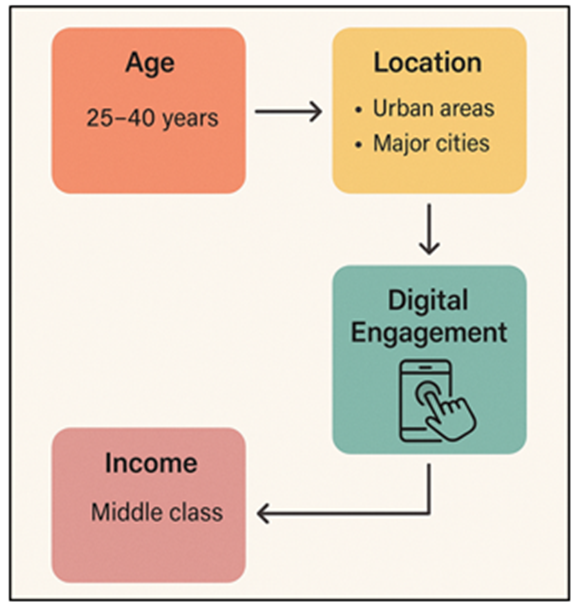
Figure 2 Multifactor Sampling Strategy Framework for Indian
Millennials
Digital gift cards and other forms of participation rewards are used to get more people to respond without adding bias. The selection method makes sure that the data collected shows how diverse the Indian youth population is while also allowing for strong statistical analysis. By matching differences in demographics and levels of engagement, the approach makes it easier for the study to find useful trends and come to conclusions that can be applied to other situations while also considering national and regional differences in AI-powered brand-consumer engagement.
3.4. AI techniques and tools used for engagement analysis
A mix of Artificial Intelligence (AI) methods are used in this study's engagement research to collect, process, and make sense of a lot of data about how customers connect with brands. Natural Language Processing (NLP) is a key part of this method. It is used to look at user-generated content from social media sites and find themes, mood groups, and polarities in customer talks. To handle different languages, pre-trained transformer models like BERT and its bilingual version mBERT are used. This lets them accurately classify sentiments in English, Hindi, and other regional languages. For predicting involvement, supervised machine learning algorithms like Random Forest, XGBoost, and Support Vector Machines (SVM) are used. These algorithms are taught on past contact data to guess how likely it is that customers will react to brand content. Long Short-Term Memory (LSTM) and Bidirectional LSTM (BiLSTM) networks are two types of deep learning systems that are used to describe how activity patterns change over time. Behavioural segmentation uses unsupervised grouping methods like K-means, DBSCAN, and Hierarchical grouping to put customers into groups based on psychographic and behavioural traits found in contact data. This grouping makes it possible to create marketing plans that are very specific to each person.
4. AI-POWERED BRAND-CONSUMER ENGAGEMENT ANALYSIS
4.1. AI models employed for engagement prediction and sentiment analysis
Advanced machine learning and deep learning models are used in both the engagement prediction and mood analysis parts of this study to make sure they get a very good picture of how people act. Models like Random Forest, XGBoost, and Gradient Boosting Machines (GBM) are used to predict activity because they are good at working with different datasets that have both structured and unstructured properties. These models learn from past engagement data, such as likes, shares, comments, click-through rates, and time spent on branded content, to guess how likely it is that people will interact with branded content in the future. Natural Language Processing (NLP) methods based on pre-trained transformer designs like BERT and RoBERTa are used for mood analysis. These offer the ability to understand context and process multiple languages, which is very important in the Indian market where people speak a lot of different languages. The mood models sort user-generated content into four groups: positive, negative, neutral, and mixed.
They also look for complex feelings like trust, joy, and anger. Long Short-Term Memory (LSTM) and Bidirectional LSTM (BiLSTM) networks are combined to better understand how chat lines change over time. This makes it easier to see how opinion changes over time. Data enrichment methods are used in the training process to help students do better in language situations with few resources. Standard measures like accuracy, F1-score, precision, recall, and ROC-AUC are used to check the quality of a model's predictions. Cross-validation makes sure that the model works for a wide range of buyer groups. Putting predictive modelling and sentiment analysis together in the same analytical pipeline lets brands not only guess how engaged customers will be, but also put these guesses in the context of how they'll feel, which gives brands a deeper understanding that makes AI-powered marketing strategies for Indian millennials more effective.
4.2. Behavioral segmentation of Indian millennial consumers
In this study, behavioural segmentation is based on uncontrolled machine learning algorithms that divide Indian young customers into separate groups based on how they use technology, their personal characteristics, and the types of material they like. The main method used is K-means clustering, which is fast to compute and easy to understand. DBSCAN is then used to find unusual user groups with unique interaction behaviour. The segmentation process looks at many factors, such as how often a person interacts with a brand, the type of material they prefer (video, text, interactive polls), signs that they want to buy, and how they react to advertising offers. Social media activity data and poll answers are used to figure out psychographic traits like lifestyle attitude, value agreement with brands, and influencer-following habits. The resulting groups show important buyer types, like "Trend-Driven Explorers," who are interested in new products and deals, "Value-Oriented Evaluators," who look for deals and discounts first, and "Loyal Advocates," who have a strong commitment to a brand. Sentiment scores and temporal engagement patterns are also used in the segmentation process to find changes in buyer behaviour that are caused by events or the changing of the seasons. With these insights, marketers can make ads that are very specific to each group, based on their needs, beliefs, and preferred ways of communicating. Additionally, segmentation results are shown using dimensionality reduction methods such as t-SNE and PCA, which makes it easy to understand how buyer groups are arranged in two-dimensional space. This method makes sure that segmentation is both based on data and easy to understand. This lets brand managers create engagement strategies that really connect with each group of consumers. The AI-powered segmentation approach finds subtle differences in behaviour, which is the link between addressing a broad group and using highly personalized interaction strategies.
4.3. Impact of personalized marketing strategies
The use of personalized marketing tactics powered by AI in this study shows a measured and good effect on brand-consumer interaction among Indian youth. Marketing efforts are constantly changed to fit the tastes, language, and cultural setting of each individual customer using forecasting models and segmentation data. Personalisation is used in many digital touchpoints, such as focused ads on social media, personalized email messages, partnerships with influencers, and personalized product suggestions on e-commerce sites. Targeting factors are constantly improved by the AI models based on real-time feedback from involvement, which allows for flexible campaign optimization. As an example, mood tracking finds changes in how people feel about a product or service during live promotions. This lets content be changed quickly to keep people interested. When personalisation is used instead of general marketing, metrics like click-through rates, conversion rates, average order value, and the number of times someone buys something again show big improvements.
Emotionally matched content, which is made with information from mood analysis, is also very good at building stronger emotional connections and brand loyalty. It's important to note that for Indian millennials, personalisation works best when it includes regional languages, festival-based marketing, and recommendations from influential people who speak to specific groups of people. The results show that personalized tactics not only improve short-term engagement measures but also build long-term relationships with brands because customers think that brand communication is more relevant and real. This flexible personalisation process, which is driven by AI, makes sure that marketing stays in tune with changing customer wants. This gives brands in India's rapidly growing digital marketplace a long-term competitive edge. The success of these personalized strategies shows how important it is to combine AI data with marketing methods that are based on culture in order to get the best results with a wide range of consumers in settings that are always changing.
5. RESULT AND DISCUSSION
The AI-powered study found that personalized marketing tactics made attention rates, positive mood, and sales rates among Indian youth much higher. Behavioural segmentation found separate groups of customers with different tastes, which made targeting more accurate. Real-time opinion tracking let campaigns be changed on the fly, which kept people interested. Overall, adding AI helped connect big data analysis with marketing strategies that are useful to different cultures.
Table 2
|
Table 2 Performance of Ai Models for Engagement Prediction |
||||
|
AI Model |
Accuracy (%) |
Precision (%) |
Recall (%) |
F1-Score (%) |
|
Random Forest |
87.4 |
85.6 |
86.2 |
85.9 |
|
XGBoost |
89.2 |
87.8 |
88.4 |
88.1 |
|
Gradient Boosting |
88.7 |
86.9 |
87.5 |
87.2 |
|
LSTM |
91.5 |
90.2 |
91 |
90.6 |
|
BiLSTM |
92.3 |
91.1 |
91.8 |
91.4 |
Table 2 shows how well different AI models used to predict involvement did based on four important metrics: accuracy, precision, memory, and F1-score. BiLSTM had the best total performance of the models that were tried, with an F1-score of 91.4%, an accuracy of 92.3%, a precision of 91.1%, a recall of 91.8%, and an F1-score of 91.1%. Figure 3 shows comparison of performance metrics across various AI models. This shows that it is good at detecting contextual relationships in sequential interaction data.
Figure 3
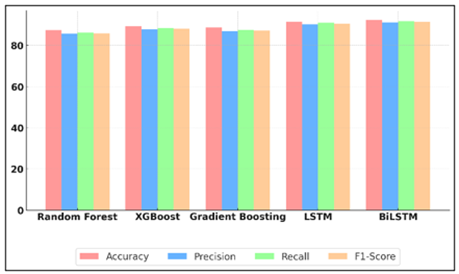
Figure 3 Performance Metrics Comparison of AI Models
LSTM came in second, with slightly worse but still competitive results. This shows that recurrent designs are good at predicting time-dependent interaction. XGBoost and Gradient Boosting, which are based on gradient boosting, did better than Random Forest, especially in accuracy and recall, which shows that they can handle feature relationships well. Figure 4 shows trend analysis of performance metrics for AI models. Even though Random Forest always got the same results, it wasn't as good at predicting what would happen next as deep learning models.
Figure 4
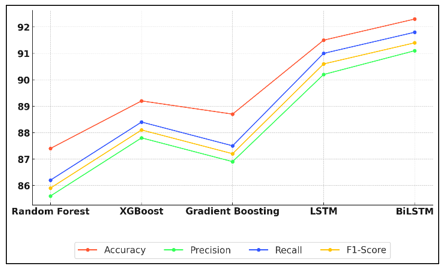
Figure 4 Trend Analysis of AI Model Performance Metrics
This suggests that it might not be able to model complex temporal and semantic patterns in customer behaviour.
Table 3
|
Table 3 Impact of Personalized Marketing Strategies |
|||
|
Metric |
Before Personalization |
After Personalization |
Improvement (%) |
|
Click-Through Rate (%) |
3.5 |
7.8 |
122.9 |
|
Conversion Rate (%) |
1.2 |
3.6 |
200 |
|
Average Order Value
(₹) |
950 |
1420 |
49.5 |
|
Repeat Purchase Rate (%) |
18.4 |
32.9 |
78.8 |
|
Sentiment Positivity (%) |
62.5 |
81.3 |
30 |
Table 3 shows the effects that can be measured when AI-driven personalized marketing strategies are used in key performance and interaction measures. The Click-Through Rate (CTR) more than doubled, rising from 3.5% to 7.8%. This shows that focused material became more relevant and appealing.
Figure 5

Figure 5 Impact of Personalization on Key Business Metrics
The biggest change was in the conversion rate, which went from 1.2% to 3.6% (a 200% increase). Figure 5 shows personalization’s impact on improving key business performance metrics. This shows that personalisation was successful at turning customers' interests into actions that led to purchases. The Average Order Value went up from ₹950 to ₹1420, which shows that personalized suggestions influenced people's decisions to buy and, on the chance, to offer.
Figure 6
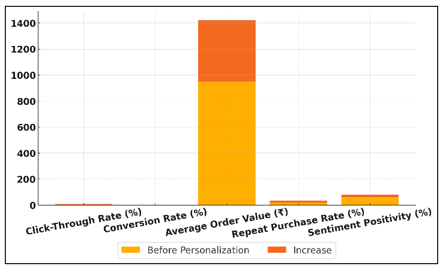
Figure 6 Before vs After Personalization Performance
Breakdown
The Repeat Purchase Rate went up from 18.4% to 32.9%, which shows how personalized contact can help keep customers coming back. Figure 6 shows performance breakdown before and after applying personalization strategies. Lastly, Sentiment Positivity went up from 62.5% to 81.3%, which shows that consumers' feelings and thoughts about the brand have gotten better.
6. CONCLUSION
Within the Indian youth generation, this study shows how AI can change the way brands interact with their customers. The study shows how brands can use data-driven insights to make personalized marketing strategies that resonate with different cultures. It does this by combining predictive modelling, mood analysis, and behavioural segmentation. The results show that personalisation, when based on AI data, leads to more interaction, stronger emotional brand ties, and more loyal customers. The classification results show that Indian millennials are very different, with different subgroups having different psychological and behavioural traits. With these insights, brands can stop making ads that work for everyone and start using hyper-targeted strategies that fit the values, habits, and content tastes of certain groups of consumers. Real-time opinion tracking also lets brands change their campaigns on the fly, so they can respond quickly to changing market conditions and buyer feelings. It is important to note that the study stresses that using AI effectively in marketing needs to find a mix between advanced technology and understanding of culture. Personalisation works better when regional languages, local events, and culturally relevant leaders are used. AI has amazing skills for handling data and making predictions, but knowing context, values, and feelings is still very important for real connection.
CONFLICT OF INTERESTS
None.
ACKNOWLEDGMENTS
None.
REFERENCES
Aljanabi, M. (2023). ChatGPT: Future Directions and Open Possibilities. Mesopotamian Journal of Cybersecurity, 2023, 16–17. https://doi.org/10.58496/MJCS/2023/003
Azaria, A. (2022). ChatGPT Usage and Limitations (Preprint). HAL. https://doi.org/10.31219/osf.io/5ue7n
George, A. S., and George, A. H. (2023). A Review of ChatGPT AI’s Impact on Several Business Sectors. Partners Universal International Innovation Journal, 1, 9–23.
Gupta, Y., and Khan, F. M. (2024). Role of Artificial Intelligence in Customer Engagement: A Systematic Review and Future Research Directions. Journal of Modelling in Management, 19, 1535–1565. https://doi.org/10.1108/JM2-01-2023-0016
Hollebeek, L. D., Menidjel, C., Sarstedt, M., Jansson, J., and Urbonavicius, S. (2024). Engaging Consumers Through Artificially Intelligent Technologies: Systematic Review, Conceptual Model, and Further Research. Psychology and Marketing, 41, 880–898. https://doi.org/10.1002/mar.21957
Kini, A. N., and Basri, S. (2023). Customer Empowerment and Engagement Behaviours Influencing Value for FinTech Customers: An Empirical Study from India. Organizations and Markets in Emerging Economies, 14, 83–109. https://doi.org/10.15388/omee.2023.14.83
Kumar, A., Gupta, N., and Bapat, G. (2023). Who is Making the Decisions? How Retail Managers can use the Power of ChatGPT. Journal of Business Strategy. Advance online publication. https://doi.org/10.1108/JBS-04-2023-0067
Kumar, A., Madaan, G., Sharma, P., and Kumar, A. (2021). Application of Disruptive Technologies on Environmental Health: An Overview of Artificial Intelligence, Blockchain and Internet of Things. Asia Pacific Journal of Health Management, 16, 251–259. https://doi.org/10.24083/apjhm.v16i4.1297
OpenAI. (2022). ChatGPT: Optimizing Language Models for Dialogue. OpenAI Blog.
Sakas, D. P., Giannakopoulos, N. T., Terzi, M. C., Kamperos, I. D. G., and Kanellos, N. (2024). What is the Connection Between FinTechs’ video Marketing and their Vulnerable Customers’ Brand Engagement During Crises? International Journal of Bank Marketing, 42, 1313–1347. https://doi.org/10.1108/IJBM-03-2023-0142
Sang, N. M. (2024). Bibliometric Insights into the Evolution of Digital Marketing Trends. Innovative Marketing, 20, 1–14. https://doi.org/10.21511/im.20(2).2024.01
Şenyapar, H. N. D. (2024). Artificial Intelligence in Marketing Communication: A Comprehensive Exploration of the Integration and Impact of AI. Technium Social Sciences Journal, 55, 64–81. https://doi.org/10.47577/tssj.v55i1.10651
Shahriar, S., and Hayawi, K. (2023). Let’s have a chat! A Conversation with ChatGPT: Technology, Applications, and Limitations. arXiv. https://doi.org/10.47852/bonviewAIA3202939
Shaik, M. (2023). Impact of Artificial Intelligence on Marketing. East Asian Journal of Multidisciplinary Research, 2, 993–1004. https://doi.org/10.55927/eajmr.v2i3.3112
Wang, J., Zhao, C., Huang, L., Yang, S., and Wang, M. (2024). Uncovering Research Trends and Opportunities on FinTech: A Scientometric Analysis. Electronic Commerce Research, 24, 105–129. https://doi.org/10.1007/s10660-022-09554-8
|
|
 This work is licensed under a: Creative Commons Attribution 4.0 International License
© ShodhKosh 2025. All Rights Reserved.