ShodhKosh: Journal of Visual and Performing ArtsISSN (Online): 2582-7472
|
|
Evaluating the Impact of AI on Dance Pedagogy
Manas Kumar Swain 1
 ,
S. Simonthomas 2
,
S. Simonthomas 2 , Mona Sharma 3
 , Preetjot
Singh 4
, Preetjot
Singh 4
 , Nishant Kulkarni 5
 , Dr. Rajesh Dev 6
1 Assistant
Professor, Department of Computer Science and Information Technology, Siksha
'O' Anusandhan (Deemed to be University),
Bhubaneswar, Odisha, India
2 Department
of Computer Science and Engineering Aarupadai Veedu
Institute of Technology, Vinayaka Mission’s Research Foundation (DU), Chennai,
Tamil Nadu, India
3 Assistant Professor, School of
Business Management, Noida International University, Greater Noida, Uttar
Pradesh, India
4 Centre of Research Impact and
Outcome, Chitkara University, Rajpura- 140417, Punjab, India
5 Department of Mechanical Engineering,
Vishwakarma Institute of Technology, Pune, Maharashtra, 411037 India
6 Assistant Professor, Department of
Sociology, Parul University, Vadodara, Gujarat, India
|
|
|
ABSTRACT |
|
|
The Artificial Intelligence (AI)
applied to dance pedagogy is a revolutionary innovation in the process of
movement competencies instruction, rehearsal, and assessment. This paper
assesses how the AI-based instructional systems affect dance education by
comparing them to the existing learning theory, principles in motor learning,
and the kinesthetic intelligence. The proposed
framework, based on constructivism, embodied cognition, and experiential
learning, will make AI an intelligent educational companion as opposed to a
substitute of human instructors. To examine the
movement accuracy, time coordination, and quality of expression, AI
technologies that consist of computer vision-based pose estimation, machine
learning-based skill evaluation, and sensor-based motion capture are used. A mixed-methodology is used which implies dance students and
teachers of different styles and levels of expertise. The data is gathered by
video recordings, wearable devices, questionnaires, and semi-structured
interviews, which allows quantifying and qualifying it. The AI models are
trained to give personalized feedback, identify the movement errors, and give
adaptive learning paths, both in real-time and offline learning. Comparative
analysis demonstrates that AI-assisted learning results in definitive
conclusions of movement accuracy, time, and expressiveness in comparison to
conventional pedagogy. Moreover, learners are found to be more engaged, they
are more self-aware, and autonomous in practice sessions. The results show
that AI systems that are pedagogically aligned can be used to facilitate
reflective learning, promote individualized instruction, and supplement
teacher-led dance learning. |
|||
|
Received 06 June 2025 Accepted 20 September 2025 Published 28 December 2025 Corresponding Author Manas
Kumar Swain, manasswain@soa.ac.in
DOI 10.29121/shodhkosh.v6.i5s.2025.6912 Funding: This research
received no specific grant from any funding agency in the public, commercial,
or not-for-profit sectors. Copyright: © 2025 The
Author(s). This work is licensed under a Creative Commons
Attribution 4.0 International License. With the
license CC-BY, authors retain the copyright, allowing anyone to download,
reuse, re-print, modify, distribute, and/or copy their contribution. The work
must be properly attributed to its author.
|
|||
|
Keywords: Artificial Intelligence; Dance Pedagogy; Pose
Estimation; Embodied Learning; Human–AI Interaction; Personalized Feedback |
|||



1. INTRODUCTION
In the past pedagogy of dance has been based on observation, repetition, imitation and oral teaching as the methods of conveying movement knowledge, movement technique and intent of expression. Although such techniques have worked across generations and cultures, they are all limited to subjective interpretation, delayed response, and limited time to instruction. With the modern educational environment marked by a variety of needs among learners, learning environments that blend learning modalities, and an overall impact on more tangible and measurable outcomes, dance education has been challenged to maintain the integrity of art and to progress in terms of learning efficiency and accessibility. The advent of Artificial Intelligence (AI) is a new opportunity to solve these issues by supporting, and not eliminating, human-centered teaching methods. Sports training, rehabilitation, and music education are the areas where AI technologies have quickly infiltrated, where the ability to perform a specific analysis of movement, provide adaptive feedback, and optimize performance is highly important. Similar demands are dance pedagogy, such as fine motor control, time-related coordination, space perception, and expressiveness Zeng (2025). In comparison with other academic fields, learning dance is highly embodied; it is made by means of physical experience, proprioception, and emotional involvement. This naturalistic essence is what renders dance an interesting but challenging field to integrate AI systems into requiring the creation of systems capable of recognizing movement as a whole, not merely as a mechanical action. The latest developments in computer vision, machine learning, deep learning, and wearable sensor systems have allowed analysing human movement automatically with growing precision Zhang and Zhang (2022). Skeletal representations can be estimated in a video using pose estimation models and temporal dynamics, coordination, and style can be modeled using deep learning architectures. These technologies can offer objective, individualized and timely feedback to the learners when incorporated into pedagogically aligned structures, and they are not easily offered to learners in traditional studio environments Chen et al. (2024).
To educators, AI systems can provide ways in which they can track the progress of cohorts, detect common technical difficulties, and differentiate instruction without reducing creative freedom. Nonetheless, the implementation of AI in dance education provokes the fundamentally important pedagogical, theoretical, and ethical issues. Dance does not just involve technical correctness, it involves expression, creativity, meaning of cultures and the human connection. It is feared that algorithmic appraisal could focus too much on measurable elements of motion at the price of artfulness and interpretation Lauriola et al. (2022). In addition, successful integration means that it should be aligned to the existing theories of learning, e.g. constructivism, embodied cognition and experiential learning, which prompt active, reflective and sensory involvement. This research fills these gaps because it provides a systematic review of the effects of AI-based instructional interventions on dance pedagogy. It frames AI as an educational partner that promotes reflective practice, self-regulated learning and the development of motor skills and does not affect the creative exploration without interfering with the primary role of human. In addition, it discusses the impact of the various feedback modalities, such as real-time and offline, automated and instructor-mediated, on the process of learning and engagement.
2. Conceptual and Theoretical Framework
2.1. Learning theories relevant to dance education (constructivism, embodied cognition, experiential learning)
Embodied, experiential and socially mediated modes of learning are entrenched in dance education. Constructivism, embodied cognition, and experiential learning are among the most impactful theoretical paradigms that offer a theoretical framework that can be reached to combine AI tools in dance pedagogy. Constructivism developed by Piaget and Vygotsky puts more focus on the active process of building knowledge by means of interaction with the surrounding world Pattnaik et al. (2021). This in dance transpires to learners developing insight out of movement exploration, reflection and peer involvement. When AI systems are in line with constructivist pedagogy, they should not control movements but support inquiry, adaptation, and repetition learning. Embodied cognition theory holds that mental actions are closely connected with the body states and behaviors Vrontis et al. (2022). This is more applicable in dance, where the process of learning is not abstract but more physical, and the memory, emotion, and intention are encoded in the body movement. Artificial intelligence technologies such as pose estimation and motion tracking ought to be made in a way that honors the delicacy of somatic awareness and embodied reflection. Relying on the conceptualization developed by Kolb, experiential learning emphasizes the significance of concrete experience, reflective observation, abstract conceptualization, and active experimentation Goel et al. (2022). This cycle is automatically implemented in dance education through rehearsals, criticism and performance. This cycle may be improved by AI-enhanced feedback systems which will provide useful data to be reflected and experimented with, and through over time, the learner may internalize this information.
2.2. Human–AI Interaction Theories in Creative and Skill-Based Learning
The educational setting has witnessed the development of human-AI interaction that started as tool-based assistance to cooperative learning relations. Distributed cognition, activity theory, and human -AI co-creativity are theories that provide critical points of reference on the significance of AI involvement in dance learning settings Kim et al. (2021). Distributed cognition is founded on the assumption that cognitive processes are not present in the individual mind but are distributed in tools, environments and social systems. During the process of teaching dance, AI is integrated into this cognitive ecology by providing feedback in real-time, detecting errors, or making movement recommendations as an element of the environment of the learner. Based on Vygotskian psychology, the activity theory locates learning in tool-mediated practices with a purpose Zhou et al. (2020). It emphasizes the significance of purposefulness, society, and culture when it comes to influencing the interaction of learners with AI systems. In this framework, developers and educators are urged to come up with AI tools not only efficient, but also context sensitive, in regard to the artistic and cultural context of distinct forms of dances. The human-AI co-creativity theory is especially applicable in such spheres as dance where expressiveness and interpretation are important. It is a hint that AI systems are not necessarily evaluators, they can also be partners, motivating to invent new movement words or choreographic experiments Wang et al. (2023). When applied in the skill-based learning, AI drastically changes its functions to be not dictative, rather suggestive, i.e., prescriptive to possibilities.
2.3. Pedagogical Alignment of AI Tools with Motor Learning and Kinesthetic Intelligence
The physiological and cognitive basis of the dance education is motor learning and kinesthetic intelligence. The AI tools incorporated into the field of dance should correspond to these dimensions in order to improve rather than pervert learning. The motor learning theories, especially the closed-loop and the open-loop control models expound how dancers perfect motions by constant control feedback and internalization. The feedback systems may be hastened with AI-driven feedback systems that give correct data at the right time and in a task-related manner (e.g., joint angles, movement velocity, or shifts in center-of-mass). Nevertheless, the alignment must be achieved at the level of the feedback being communicated and comprehendible by the learner- between the data and the embodied sensation Wang (2024). A notion proposed by Howard Gardner, such as kinesthetic intelligence, emphasizes the skills that allow one to master the movements of the body and master the skills to work with the objects. This intelligence helps the dancers correct the finer details such as flow, tension and space relationships. The AI systems should, therefore, also be responsive to, not just, biomechanical correctness but also expressive quality. As an example, an algorithm to identify emotion or synchronize the rhythm can be included to provide feedback on the artistic intent, rather than physical accuracy Sumi (2025). In addition to that, there are progressive difficulty scaffolding, delayed feedback retention, and practice variability, which are proven principles in motor learning that can be integrated into AI instructional design. Table 1 summarizes the previous studies which combined AI, movement analysis, and dance pedagogy AI tools ought to assist in personalized progression patterns of the tasks: the complexity can be modified according to the real-time performance and the exploratory practice should be promoted. By doing so they are not strict assessors but are great guides of the kinesthetic awareness, acquisition of motor and expressive skills in the special needs of dance education.
Table 1
|
Table 1 Related Work on AI, Movement Analysis, and Dance Pedagogy |
||||
|
Domain Focus |
AI Technique Used |
Movement Application |
Dataset Type |
Limitations |
|
Movement learning |
Pose estimation |
Ballet posture assessment |
Video |
Limited style coverage |
|
Skill assessment |
CNN |
Hip-hop motion
classification |
Motion capture |
Required controlled
environment |
|
Creative movement Wallace et al. (2024) |
LSTM |
Rhythm and flow modeling |
IMU sensors |
Small participant size |
|
Motor learning |
ML regression |
Balance stability prediction |
Sensor data |
Lacked expressive dimension |
|
Pedagogy |
Deep learning |
Technique error detection |
2D video keypoints |
Limited real-time ability |
|
Skill acquisition |
Transformer models |
Classical dance pattern
analysis |
Annotated datasets |
Cultural variation
challenges |
|
Choreography |
GANs |
Motion synthesis |
3D motion data |
Expressiveness still limited |
|
Dance tutoring |
Adaptive ML |
Personalized learning
pathways |
Multimodal |
High computational cost |
|
Movement evaluation Yang (2022) |
Hybrid DL |
Joint articulation mapping |
Video + IMU |
Requires multiple sensors |
|
Dance education |
Reinforcement learning |
Performance optimization |
Motion capture |
Long training time |
|
Expressiveness |
Emotion recognition |
Expressive gesture analysis |
Video |
Subjectivity in labeling |
|
Pedagogical enhancement |
AI analytics |
Instructor–AI co-feedback |
Real classroom data |
Instructor adaptation
required |
|
AI pedagogy |
Multimodal DL |
Full-body technique
assessment |
Pose + audio |
High data preprocessing
needs |
3. AI Technologies Applied in Dance Pedagogy
3.1. Computer vision and pose estimation for movement analysis
The computer vision has become one of the pillars of AI technology to analyze dancing movements in the learning process. Pose estimation algorithms can be used to estimate the skeletal joint coordinates of 2D video, or 3D depth data and provide a detailed analysis of posture, alignment, balance and movement trajectories. Such techniques as keypoint detection, skeletal tracking, and temporal pose sequencing allow objectively assessing complicated motions of dance without intrusive equipment. This comes in handy especially in the studio and distance learning setting where conventional motion analysis tools might not be feasible. In Figure 1, multimodal AI architecture improves personalized feedback pedagogy In dance pedagogy, pose estimation aids the division of movements into analyzable elements, including joint angles, limb coordination and spatial symmetry.
Figure 1
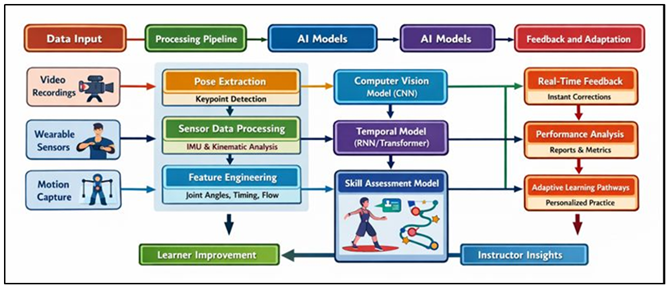
Figure 1 Multimodal AI-Driven Architecture for Dance Pedagogy
Enhancement
Two approaches can be used to detect deviations, inconsistency, and areas of improvement by comparing learner poses with reference models or expert demonstrations by AI systems. Notably, the systems would be able to work with different dance styles as they would learn movement patterns peculiar to the style and not impose one normative order on them. Longitudinal tracking of the progress of learners is also possible through computer vision which records slow improvement of technique and consistency with time. Complex movement data can be translated into intuitive feedback, of visual overlays, skeletal animations, and heatmaps, to improve the learning self-awareness of a learner.
3.2. Machine Learning and Deep Learning for Skill Assessment and Feedback
Machine learning (ML) and deep learning (DL) systems are the primary focus of converting raw data on movements into useful pedagogic results. These models can evaluate the level of skills, classify the quality of movement by learning patterns on large sets of dance performances, as well as produce adaptive feedback to individual learners. The supervised methods of learning allow categorizing technical skills, whereas the unsupervised methods discover latent motion patterns and stylistic signatures. Computer neural networks like convolutional neural networks (CNNs) and recurrent neural networks (RNNs) as well as transformer-based networks are especially useful in capturing spatial and temporal information of dance movement. CNNs are used to encode spatial relationships among joints and RNNs and time transformers are used to encode rhythmic consistency, timing and flow. Such features enable AI systems to assess not just the aspect of correctness, but such aspects as continuity and expressiveness, which are very important dimensions of dance performance. Pedagogically, learner-specific challenges can be detected by ML-based feedback systems to provide a learner with specific practice strategies. The feedback may be presented in various forms such as visual representations, numerical, or qualitative based on the requirements of the instruction. Notably, the adaptive models can be developed along with the learner, with the expectations modified according to the level of the skills.
4. Methodology
4.1. Participant selection (students, instructors, dance styles, expertise levels)
The research uses a purposive but heterogeneous approach to participant selection that will guarantee a holistic representation of the situation of dance learning. Students of dance, professionals, and advanced practice are the participants who are recruited in academic institutions, private schools, and community training facilities. In order to investigate the didactic effect of AI at different levels of skill development, learners are divided into three levels of expertise: beginners who are oriented on the formation of the basic technique, intermediate dancers on the coordination and mastery of the stylistic fluent style, and advanced performers on the accuracy and readiness to act. Dance styles are believed to be important because of the biomechanical, rhythmic, and expressive needs unique to every kind of dance. The recruitment is made of the classical styles (ballet, Bharatanatyam, and Odissi), contemporary and modern styles, and rhythm-based genres (hip-hop, jazz, and folk dances). Such diversity can be used to approximate a wide range of movement patterns by the AI system and guarantees its predictability across different traditions of dance. The instructors participating in the research are already experienced in teaching techniques, choreography, and design of pedagogical interventions, which allows the instructors to offer an expert annotation and qualitative assessments of the learner progress.
4.2. Data Collection Methods (Video Recordings, Sensor Data, Surveys, Interviews)
The concept of data collection combines multimodal sources in order to integrate technical, expressive and perceptual aspects of learning about dance. The basic movement information is obtained as high-resolution video recordings, which allow extracting the pose and analyzing the movements over time using computer vision. Where possible, the camera angles are taken as many as possible in order to capture spatial dynamics, extensions of limbs, and alignment with more precision. In addition to visual information, wearable sensors (IMUs, accelerators and gyroscopes) measure such aspects of kinematic data as velocity, acceleration, rotation and balance-related measurements. The resulting compound data can be used to construct powerful models of macro- and micro-movement properties. Surveys are conducted at the beginning and end of training to evaluate the experience of the learners and the effects of the training on them in terms of pedagogy. These questionnaires analyze self-reported skill development, confidence, interest, and familiarity with AI-based feedback. Open-ended questions are the additions to standardized Likert-scale items that require more subtle thoughts. Those semi-structured interviews with the chosen students and teachers allow getting a further insight into usability and interpretability of feedback, motivation, and perceived alignment on the artistic goals.
4.3. AI Model Development and Training Pipeline
The pipeline of developing the AI model has a systematic approach, which includes preprocessing, model design, training, validation, and deployment. The first step is to extract pose keypoints in skeletal format, which is done on raw video data with the help of the latest algorithms like OpenPose, MediaPipe, or HRNet. Video times are synchronized with sensor data and the sensor data are filtered to eliminate noise giving the sensor data noisy data. To evaluate skills, deep learning models like CNNs in the analysis of spatial postures or LSTMs or transformer networks in the interpretation of temporal movements are applied. Models themselves are trained using annotated datasets with examples of the correct technique, frequent mistakes and styles. Ground truth on supervised learning tasks is in the form of labels provided by the instructors and expert ratings. Temporal scaling or joint perturbation are methods of data augmentation that aid in enhancing the model generalizability across settings and bodies. The validation entails cross-validation of groups of participants and dance styles, which provides strength. Performance measures are accuracy, precision of error detection, time consistency modeling and qualitative correspondence to instructor judgments.
5. AI-Supported Instructional Interventions
5.1. Personalized feedback and adaptive learning pathways
AI-assisted dance pedagogy takes advantage of the personalized feedback systems to support the individual learning requirements of particular dancers. In contrast to the conventional classroom environments where the instructor has to split the attention among several learners, with AI, the systems constantly analyze the movement data and provide the individual guidance. Such systems evaluate factors like posture positioning, timing, balance, momentum and expressiveness, and do not give generalized corrections but produce recommendations.
Figure 2
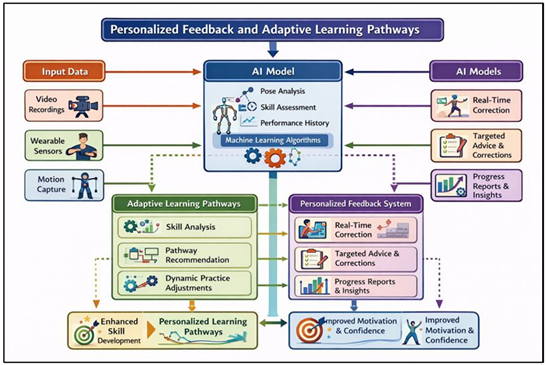
Figure 2 AI-Driven Architecture for Personalized Feedback and
Adaptive Learning in Dance Pedagogy
Individualized feedback increases the learner autonomy as it allows the students to practice on their own and receive the quality instructions. The more AI has to offer in the way of pedagogical possibilities is adaptive learning pathways. Figure 2 depicts AI-controlled architecture that facilitates feedback and adaptive learning With the help of performance histories and adaptively predicted skill trajectories, AI systems may propose individualized sequence of practices, spot regions that need further rehearsal, and set the difficulty of a task depending on their performance capability. Novices can be greeted with basic corrections in the system, whereas advanced and intermediate learners will be offered sophisticated information regarding the stylistic polish and the use of expressiveness. These routes are based on the reinforcement-based progression models, which are based on the previous performance and worsening abilities of a particular dancer.
5.2. Automated Error Detection and Corrective Guidance
The detection of errors in the type of movements is the main focus of AI-inspired development of dance pedagogy because it allows detecting the deviation of ideal motion patterns precisely and consistently. AI systems identify malfunctions, like misaligned joints, an unusual distribution of weight, a shaky balance, the lack of extension, or uneven rhythm using features that are set through the pose estimation system, sensor measurements, and temporal model of movement. These models match performance of a learner with reference data labelled by experts or with statistical patterns of normative values such that the system has a ability to contrast between technical errors and tolerable stylistic variation. Then, corrective guidance is formed in an instructive and pedagogically significant form. Instead of merely pointing out mistakes, the AI system gives useful recommendations like lift the elbow, redistribution of weight to the leg that supports, and the minimal rotation of the knee to maintain the stability. Visual overlays, animated skeletal comparisons, and slow motion play back also assist the learners to get to the deeper kinesthetic level of understanding corrections. The accuracy of such automated error detection minimizes the vagueness of feedback and helps to maintain the consistency of skills training, particularly when one practices with themselves. Diagnostics that are generated using AI can also help instructors track the progress of learners, discover common problems, and develop specific interventions.
5.3. Real-Time Versus Offline Feedback Mechanisms
Feedback in dance pedagogy can be provided in real-time or offline with the help of AI and both of them provide different pedagogical benefits. Real time feedback- It gives immediate information in terms of direction during movement performance which gives the learners an opportunity to make quick modifications. Based on rapid pose estimation and temporal modeling, the AI system sends alerts, e.g. posture anomalies, timing errors, and imbalance risk, in milliseconds. This mode finds specific application in repetitive drills, warm-ups, and introductory training of the fundamental skills as the reinforcement of errors is discouraged due to the quickness of corrections. The cues can be real-time haptic vibrations, audio cues, or on-screen annotations that allow the provision of support of different learning styles. On the other hand, deep reflection and detailed analysis can be done by means of offline feedback. The AI system is also able to produce detailed reports, after a practice session, that will identify patterns, measure progress, and display important technical information in annotated visualizations. This delayed feedback mode enables the learner to process feedback cognitively and emotionally, which is in line with the reflective theories of learning.
6. Results and Analysis
6.1. Quantitative comparison of learning outcomes with and without AI support
Quantitative analysis indicated that learners who interacted with AI-based instruction showed much better performance improvement than those who used traditional pedagogy. In several styles and skill categories of dances, a significant improvement in the accuracy of the posture, consistency of joint positioning, rhythmic coordination, and the overall technical performance was observed. Students who used AI tools were much faster in correction, less prone to errors and more consistent in the progression curves throughout the training process. Statistical comparisons showed that there were significant improvements in the average movement accuracy scores and some of the cohorts improved by a 18 percent to 32 percent margin.
Table 2
|
Table 2 Learning Outcome Metrics (Traditional Vs. AI-Supported Instruction) |
||
|
Performance Metric |
Traditional Pedagogy |
AI-Supported Instruction |
|
Posture Accuracy (%) |
71.4 |
88.2 |
|
Joint Alignment Consistency (%) |
62 |
84 |
|
Rhythm Synchronization (%) |
76.8 |
91.3 |
|
Error Reduction Rate (%) |
42.6 |
68.4 |
|
Learning Progress Speed
(Sessions to Mastery) |
14.2 |
9.1 |
Table 2 gives a vivid quantitative analysis of a traditional pedagogy and AI-supported learning, which demonstrates significant improvement in various technical learning measures. Figure 3 presents the use of AI-assisted pedagogy as superior to conventional methods of teaching dancing.
Figure 3
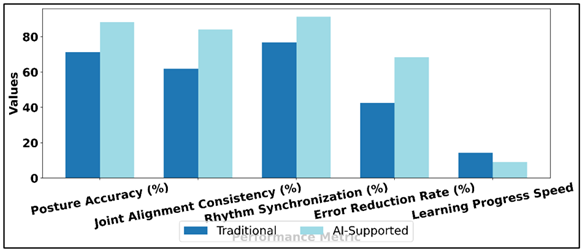
Figure 3 Comparison of Traditional Vs AI-Supported Pedagogy
The accuracy of the posture rose to 88.2% as opposed to 71.4% and proves that visual and skeletal feedback to assist the learner is effectively provided by AI. The consistency of joint alignment improves significantly (35.5) which means that AI systems facilitate the dancers to become more stable and consistent in the movements. Figure 4 demonstrates that AI-assisted teaching results in better learning performance patterns The synchronization of rhythms also increased significantly, as the percentage of timing deviations decreased, with 76.8 going to 91.3, which indicates the ability of AI to examine the timing differences and promote more precise beat-to-movement association.
Figure 4
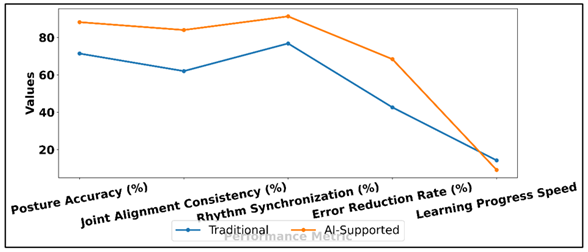
Figure 4 Performance Trends: Traditional Vs AI-Supported
Instruction
The largest improvement is observed in the error reduction rate wherein AI-assisted learners have a 60.3% improvement. This implies that with automated error detection and corrective feedback, the dancers are able to correct errors more effectively thus lessening repeated errors. The rate of learning also got faster and the number of sessions taken to master was reduced to 9.1 as compared to 14.2, which is a 35.9 percent decrease in sessions.
6.2. Improvement in Movement Precision, Timing, and Expressiveness
It was also found that AI-assisted learners showed significant changes in movement accuracy, time, and expression. Pose estimation feedback featured an improvement in fine joint movement, smoother movement transition, and better space control. Expressiveness scores, which were based on instructor ratings and motion-quality levels, were significantly increased because the learners received specific feedback on energy modulation, flow continuity and emotional projection. Students acquired more refined movement qualities through AI-assisted visualizations, making them more artistic.
Table 3
|
Table 3 Detailed Improvement Metrics for AI-Supported Learners |
||
|
Movement Quality Dimension |
Traditional Score |
AI-Supported Score |
|
Movement Precision (%) |
74.6 |
92.1 |
|
Temporal Timing Accuracy (ms
deviation) |
142 ms |
78 ms |
|
Flow Continuity Score (%) |
58 |
81 |
|
Balance Stability (%) |
79.2 |
90.4 |
Table 3 gives a close-up of how AI-supported teaching improves multi-movement quality dimensions that are important in the performance of dances. Precision of movement demonstrates a significant improvement between 74.6% and 92.1% that shows that AI-based pose estimation and feedback mechanism can be used to successfully teach learners to improve joint articulation, space accuracy, and general technical control. Figure 5 indicates that AI-assisted teaching enhances the quality of movement when compared to the conventional ones.
Figure 5
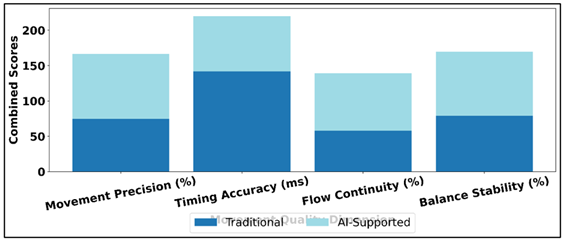
Figure 5 Performance Comparison of Traditional Vs AI-Supported
Movement Quality
The accuracy of temporal timing also increases significantly and the deviation is lowered by 142 ms to 78 ms. This decrease indicates that the system was capable of identifying micro-timing failures and co-ordinating dancers into more coordinated and rhythmically regular performances, which is particularly useful with choreography which needs rapid changes or musical sensitivity. Flow continuity shows a remarkable increase in percentages (58 to 81) which indicates that AI feedback helps to provide more consistent transitions and better control of the momentum and more unified phrasing. This is indicative of the contribution of AI in aiding dancers to comprehend dynamic nature, not of isolated actions. The level of stability in balance increases by 79.2 to 90.4% which indicates improved postural control and weight distribution- an outcome of real-time information about center-of-mass movement and grounding methods.
7. Conclusion
The analysis of AI-based instruction on dance pedagogy shows that artificial intelligence can provide a significant contribution to the technical and expressive aspects of learning a dance, as well, in case it is incorporated within the context of a pedagogically coherent framework. The results can be considered in that AI is not a tool of correction but a smart and adaptive companion that can be used to facilitate reflective practice, personalized development, and continued interest of the learner. Through pose estimation using computer vision, using machine learning-based assessment models and multimodal sensor analytics, AI systems offer specific, consistent, and personalized feedback that is usually challenging to provide in a conventional instructional context, especially when the attention of the instructor is split. Quantitative comparisons showed that AI-supported learners showed action accuracy, timing stability and expressive fluency that were measurably improved, which highlights the capacity of the system to hasten the motor learning activity. It was also found that AI-enhanced feedback presently augmented student and instructor reflections that led to qualitative insights to confirm that AI-enhanced feedback boosted confidence, motivation and self-awareness in the course of practice. Notably, the findings indicate that the value of AI is not to be used as an imitator or substitute of human educators but rather to enhance their capability to teach different students, identify mistakes, and provide more customized teaching to them. The study, however, also highlights that there is a need to implement it thoughtfully and with ethics. Dance is an embodied and artistic field of study by its very nature, and AI systems will have to be made in a manner that honors stylistic variety, cultural subtleties, and the subjective aspects of expression. The excessive use of measurable practices may pose the danger of undergoing the artistic complexity unless counterbalanced by the human interpretation.
CONFLICT OF INTERESTS
None.
ACKNOWLEDGMENTS
None.
REFERENCES
Chen, Y., Wang, H., Yu, K., and Zhou, R. (2024). Artificial Intelligence Methods in Natural Language Processing: A Comprehensive Review. Highlights in Science, Engineering and Technology, 85, 545–550. https://doi.org/10.54097/vfwgas09
Goel, P., Kaushik, N., Sivathanu, B., Pillai, R., and Vikas, J. (2022). Consumers’ Adoption of Artificial Intelligence and Robotics in Hospitality and Tourism Sector: Literature Review and Future Research Agenda. Tourism Review, 77(4), 1081–1096. https://doi.org/10.1108/TR-03-2021-0138
Kim, S. S., Kim, J., Badu-Baiden, F., Giroux, M., and Choi, Y. (2021). Preference for Robot Service or Human Service in Hotels? Impacts of the COVID-19 Pandemic. International Journal of Hospitality Management, 93, 102795. https://doi.org/10.1016/j.ijhm.2020.102795
Lauriola, I., Lavelli, A., and Aiolli, F. (2022). An Introduction to Deep Learning in Natural Language Processing: Models, Techniques, and Tools. Neurocomputing, 470, 443–456. https://doi.org/10.1016/j.neucom.2021.05.103
Lund, B. D., Wang, T., Mannuru, N. R., Nie, B., Shimray, S., and Wang, Z. (2023). ChatGPT and a New Academic Reality: Artificial Intelligence-Written Research Papers and the Ethics of Large Language Models in Scholarly Publishing. Journal of the Association for Information Science and Technology, 74(5), 570–581. https://doi.org/10.1002/asi.24750
Pattnaik, P., Sharma, A., Choudhary, M., Singh, V., Agarwal, P., and Kukshal, V. (2021). Role of Machine Learning in the Field of Fiber Reinforced Polymer Composites: A Preliminary Discussion. Materials Today: Proceedings, 44, 4703–4708. https://doi.org/10.1016/j.matpr.2020.11.026
Sumi, M. (2025). Simulation of Artificial Intelligence Robots in Dance Action Recognition and Interaction Process Based on Machine Vision. Entertainment Computing, 52, 100773. https://doi.org/10.1016/j.entcom.2024.100773
Vrontis, D., Christofi, M., Pereira, V., Tarba, S., Makrides, A., and Trichina, E. (2022). Artificial Intelligence, Robotics, Advanced Technologies and Human Resource Management: A Systematic Review. The International Journal of Human Resource Management, 33(6), 1237–1266. https://doi.org/10.1080/09585192.2020.1871398
Wallace, B., Nymoen, K., Torresen, J., and Martin, C. P. (2024). Breaking from Realism: Exploring the Potential of Glitch in AI-Generated Dance. Digital Creativity, 35(2), 125–142. https://doi.org/10.1080/14626268.2024.2327006
Wang, Z. (2024). Artificial Intelligence in Dance Education: Using Immersive Technologies for Teaching Dance Skills. Technology in Society, 77, 102579. https://doi.org/10.1016/j.techsoc.2024.102579
Wang, Z., Deng, Y., Zhou, S., and Wu, Z. (2023). Achieving Sustainable Development Goal 9: A Study of Enterprise Resource Optimization Based on Artificial Intelligence Algorithms. Resources Policy, 80, 103212. https://doi.org/10.1016/j.resourpol.2022.103212
Yang, L. (2022). Influence of Human–Computer Interaction-Based Intelligent Dancing Robot and Psychological Construct on Choreography. Frontiers in Neurorobotics, 16, 819550. https://doi.org/10.3389/fnbot.2022.819550
Zeng, D. (2025). AI-Powered Choreography Using a Multilayer Perceptron Model for Music-Driven Dance Generation. Informatica, 49(1), 137–148. https://doi.org/10.31449/inf.v49i20.8103
Zhang, L., and Zhang, L. (2022). Artificial Intelligence for Remote Sensing Data Analysis: A Review of Challenges and Opportunities. IEEE Geoscience and Remote Sensing Magazine, 10(4), 270–294. https://doi.org/10.1109/MGRS.2022.3145854
Zhou, G., Zhang, C., Li, Z., Ding, K., and Wang, C. (2020). Knowledge-Driven Digital Twin Manufacturing Cell Towards Intelligent Manufacturing. International Journal of Production Research, 58(4), 1034–1051. https://doi.org/10.1080/00207543.2019.1607978
|
|
 This work is licensed under a: Creative Commons Attribution 4.0 International License
© ShodhKosh 2025. All Rights Reserved.