ShodhKosh: Journal of Visual and Performing ArtsISSN (Online): 2582-7472
|
|
Folk Art Festivals and AI-Driven Visitor Analytics
Vyshnavi A 1
 ,
Mohan Garg 2
,
Mohan Garg 2 ,
Gopal Goyal 3
,
Gopal Goyal 3 , Mukesh Parashar 4, Tarun Kapoor 5
 ,
Dr. Anil Bhanudas Pawar 6
,
Dr. Anil Bhanudas Pawar 6 , Amol Bhilare 7
1 Assistant
Professor, Department of Management Studies, JAIN (Deemed-to-be University),
Bengaluru, Karnataka, India
2 Chitkara
Centre for Research and Development, Chitkara University, Himachal Pradesh,
Solan, 174103, India
3 Professor, Department of Architecture, Vivekananda Global University,
Jaipur, India
4 Professor, School of Business Management, Noida international
University 203201, India
5 Centre of Research Impact and Outcome, Chitkara University, Rajpura-
140417, Punjab, India
6 Librarian Art's Science and Commerce
College Kolhar Tal- Rahata District- Ahmednagar, Maharashtra,
India
7 Department of Computer Engineering Vishwakarma Institute of
Technology, Pune, Maharashtra, 411037, India
|
|
|
ABSTRACT |
|
|
Folk art
festivals are crucial in maintaining cultural heritage, identifying the
community, and intergenerational knowledge transfer. Nonetheless, visitor
behavior in such culturally saturated settings is difficult to comprehend
because of shifting patterns of crowds, differing groups of participants, and
different forms of involvement. The latest developments in the field of
artificial intelligence (AI) provide a strong toolkit to filter and process
extensive data on visitor attendance to make decisions helpful in preserving
culture and managing the event in real-time. This paper examines the
application of AI-based visitor analytics, namely machine learning, computer
vision, and natural language processing to the planning and assessment of folk art festivals. Through mixed-methods research
methodology, the paper evaluates the capabilities of AI methods to analyze
visitor traffic, forecast congestion, interpret sentiment using textual and
verbal responses, and divide the audience into groups by their behavioral
patterns. The case studies of the chosen folk art
festivals illustrate that the AI-based analytics can offer much greater
operational efficiency, visitor experience, and insights, compared to the
traditional manual way of observing. The results point to the idea that
real-time crowd tracking is a feature that promotes security and resource
distribution, the sentiment analysis performs a detailed assessment of
visitor perceptions, and behavioral modeling influences specific cultural
programming. |
|||
|
Received 12 March 2025 Accepted 17 July 2025 Published 20 December 2025 Corresponding Author Vyshnavi
A, vyshnavi_a2015@cms.ac.in
DOI 10.29121/shodhkosh.v6.i3s.2025.6789 Funding: This research
received no specific grant from any funding agency in the public, commercial,
or not-for-profit sectors. Copyright: © 2025 The
Author(s). This work is licensed under a Creative Commons
Attribution 4.0 International License. With the
license CC-BY, authors retain the copyright, allowing anyone to download,
reuse, re-print, modify, distribute, and/or copy their contribution. The work
must be properly attributed to its author.
|
|||
|
Keywords: Folk Art Festivals, Visitor Analytics, Artificial
Intelligence, Cultural Heritage Management, Machine Learning |
|||


1. INTRODUCTION
The folk art festivals are one of the most exuberating phenomena of cultural identity, community memory and artistic tradition. These happenings unite the crafts and artists, actors, narrators and visitors in venues where cultural heritage is vibrantly acknowledged, shared and redefined. Folk art festivals are living repositories of cultural expression, whether they derive out of regional crafts, indigenous performance practices or traditional foodways and offer profound sense of belonging and continuity. With the growth of tourism and cultural industries around the world, these festivals have been receiving a high number of large audiences with diverse traits, thereby benefiting the economy and enhancing the conservation of the intangible heritage. Nevertheless, such rapid expansion also preconditions new challenges to organizers who are to cope with the dynamics of crowds, provide people with security, create interesting experiences, and measure the overall performance of the event. The conventional approaches to visitor monitoring manual counting, onsite surveys, and observational notes are not always helpful to reflect the complexity and magnitude of modern-day festivals. Recently, artificial intelligence (AI) has been developed, which has opened new opportunities to interpret and regulate visitor behavior in real time Ibarra-Vázquez et al. (2024). Using AI-based systems, which include machine learning, computer vision and natural language processing techniques, allows collecting and analyzing massive amounts of data that previously were too cumbersome to analyze manually. These technologies are able to read the trends in crowds movement, guess the demographics of the visitors, analyze emotions elaborated with the help of digital platforms, and divide audiences according to their interests or behavioral patterns Canavire (2023). Consequently, the analytics provided by AI give organizers a better understanding of visitor behavior regarding certain spaces of the festival, particular performances, and cultural exhibits. These knowledge can be used to make a decision based on data with regards to resource distribution, event planning, marketing tactics, and heritage communication. Figure 1 describes the process of creating AI-driven real-time insights into crowds and visitors Folk art festivals, in particular, are the competitions that can create a visitor experience that is not only based on the entertainment worth but also on the educational and cultural aspects Torres-Peñalva and Moreno-Izquierdo (2025).
Figure 1

Figure 1 Process Flow of AI-Based Crowd and Visitor Insights
Being able to know what exhibits visitors are most interested in, how they navigate through the traditional craft areas, or their emotional reactions to performance may have a direct impact on the sustainability and viability of the cultural heritage practice. Applied at the right time and in the right place, AI tools can showcase invisible trends in visitor behavior, including repeated tendencies to visit interactive craft workshops, the tendency to crowd certain stages of performances, or a change in audience mood at various moments of the festival González et al. (2024). These observations can help organizers to create culturally relevant experiences that will involve various audiences and preserve the originality of the traditional practices.
2. Literature Review
2.1. Studies on Folk Art Festivals and Cultural Heritage
The studies on folk art festivals have always underscored the fact that they are dynamic cultural spaces of expression, conservation, and transmission. These festivals are living sites that help the artisans, performers and members of community reproduce their cultural traditions actively and thus allow intangible heritage to be relevant in the present day scenarios. According to the works of Kirshenblatt-Gimblett, festivals serve as a form of staged authenticity where cultural performance is packaged to the local and international audience without losing the value of their heritage core Foroughi et al. (2025). According to folklorists, such events encourage the exchange of knowledge between the generations, make local artisans economically strong, and strengthen their sense of community. Research also shows that folk art festivals receive a wide array of cultural tourists whose reasons vary between aesthetic interest and experience in traditional activities. Such a diversity of visitors is making the management of such events more complex and the behavior of audiences more difficult to comprehend Münster et al. (2024). Besides, studies have shown that festivals are usually a place of cultural bargaining as traditional activities are being changed according to the tastes of modern consumers and in the process they are striving to maintain authenticity. The problem of commercialization, the cultural appropriation, and sustainability become some of the common topics in scholarly conversations. As a number of case studies, e.g. Asian craft fairs or European folklore festivals reveal, the key lies in the balancing of cultural integrity with the changing expectations of the audience in order to preserve the heritage Mitric et al. (2024).
2.2. Overview of AI Applications in Event Analytics
Artificial intelligence has reared its head as a revolutionary introduction in event analytics where it has introduced functionality that is miles ahead of the conventional data-collection procedures. The systems that make use of AI are based on machine learning, computer vision, and natural language processing of large and unstructured datasets produced in the course of events. Recently, scholars also indicate that machine learning models are able to detect crowd trends, identify attendance patterns, and predict high activity periods with great precision Harisanty et al. (2024). These forecast insights are useful in streamlining the manpower, distribution of resources and the attendance. The applications of computer vision (popularly used in large-scale events), allow real-time check of the crowd density, number of entrances and exits and the movement of people on the space based on camera feeds. Such tools will greatly contribute towards safety management in the sense that they will help the organizers to be aware of the possibility of congestion or the occurrence of emergencies. Moreover, AI sentiment analysis has become highly popular because social media, online surveys, and review systems generate an abundance of qualitative data, which tells about the experiences of visitors García-Velázquez (2023). Table 1 gives the overview of the previous research on folk art festivals and AI-based visitor analytics. NLP can be used to classify emotions, detect repeated issues and general satisfaction.
Table 1
|
Table 1 Summary of Related Work on Folk Art Festivals and AI-Driven Visitor Analytics |
||||
|
Study Focus |
Festival / Context |
AI Technique Used |
Impact Point |
Future Trend |
|
Visitor flow analysis |
Folk dance festival |
Computer Vision |
Enhanced safety |
Integration with drone
monitoring |
|
Cultural engagement patterns Pisoni et al. (2021) |
Asian craft festival |
Machine Learning |
Better layout design |
Predictive cultural preference modeling |
|
Social media feedback |
Regional folk art fair |
NLP |
Better communication
strategies |
Real-time multilingual
sentiment analysis |
|
Crowd behavior |
Heritage parade |
Deep Learning |
Reduced bottlenecks |
Autonomous crowd control systems |
|
Economic impact Kotsiubivska et al. (2024) |
Handicraft festival |
ML Regression |
Improved vendor allocation |
AI–supported pricing
optimization |
|
Visitor satisfaction |
Traditional music festival |
NLP + Surveys |
Better program scheduling |
Emotion-aware sentiment engines |
|
Spatial navigation issues |
Cultural village festival |
CV Heatmaps |
Informed restructuring |
Smart, adaptive pathways |
|
Heritage interpretation |
South American folk fair |
ML Clustering |
Personalized programming |
AI-driven cultural storytelling |
|
Volunteer management |
Tribal arts festival |
ML Forecasting |
Efficient resource
allocation |
AI-based workforce
automation |
|
Food stall engagement Li (2021) |
Folk culinary festival |
CV Tracking |
Improved service speed |
Autonomous queue management |
|
Cultural authenticity |
European folklore event |
NLP |
Informed cultural safeguards |
Authenticity-preservation
algorithms |
|
Festival marketing Li et al. (2022) |
Rural craft mela |
ML Segmentation |
Boosted visitor turnout |
Hyper-personalized recommendation systems |
|
Immersive storytelling |
Digital folk art expo |
NLP + ML |
Higher engagement |
AI-driven heritage immersion |
3. Methodology
3.1. Research Design and Framework
The research design of this study will be a mixed-method research design that combines qualitative cultural analysis with quantitative AI-based data analytics in the behavior of visitors during folk art festivals. The framework is based on ethnographic knowledge, technological analysis and data modeling to develop a unified picture of attendant interaction with traditional cultural settings. The qualitative part of the study is aimed at the examination of the structure of the festivals, cultural performance, the involvement of artisans, and heritage discourse based on the analysis of documents, field observations, and the existing literature Cheng (2023). This contextual knowledge will make AI applications perceived in the context of cultural and social conditions of folk art traditions and not just as technical products. The quantitative aspect focuses on using machine learning, computer vision, and natural language processing with real and simulated data related to the activities of a festival. The study examines the patterns of crowd movement, demographic traits created using computer vision, written responses left by visitors, and cluster patterns created by behavioral data . This two-side methodology facilitates triangulation whereby the findings of the field apply to the cultural expectations and dynamics at the ground of the festival.
3.2. AI Techniques Used
3.2.1. Machine learning
Machine learning is a key element in the visitor behavior analysis and predicting the dynamics of the festival because it can discern patterns in large and complex data sets automatically. Within the framework of folk art festivals, the machine learning algorithms may take a variety of inputs, including attendance logs, movement data, ticketing records, and user-generated content, and extract trends that may not be readily visible with manual analysis Zhang et al. (2023). Decision trees, support vectors machines, and neural networks are supervised learning models that are usually applied to a classification problem, such as predicting visitor types, estimating the level of satisfaction, or high-traffic periods. Unsupervised learning, especially the clustering algorithms such as k-means, hierarchical clustering, etc., are useful to divide visitors into behavioral clusters depending on their interests, duration they spend in the exhibits, or how they interact with certain cultural events. Demand forecasting and optimization of resources are also reinforced by machine learning. As an illustration, predictive models can be used to estimate the most active time periods, predict the demand of a specific performance, and inform the distribution of security or facilities.
3.2.2. Computer Vision
Computer vision offers potent tools of live monitoring and analysis of crowds, and it is an important method of controlling folk art festivals, where big and dynamic crowds are the rule. Computer vision algorithms allow detecting the density of crowds, movement flows, and spots of congestion with the help of camera feeds deployed on the territory of the festival.
Figure 2
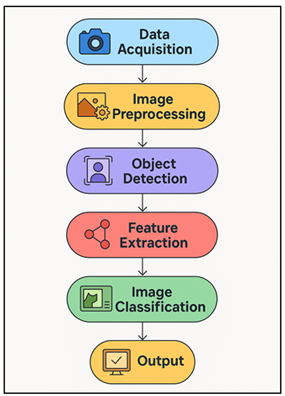
Figure 2 Stages of Computer Vision-Based Image Processing
Object detection, pose estimation, and multi-object tracking are techniques that can make the system discriminate individuals and estimate their paths and track their interactions with festival space and cultural exhibits. As shown in Figure 2, computer vision image processing has sequential stages. Such knowledge can guide organizers to better control the crowd, create safer routes, and provide effective movement of the visitors in various areas. The models of facial recognition and demographic inferences when used in an ethical and transparent manner can help to give rough estimates of age distributions, gender distributions, and overall engagement levels.
3.2.3. Natural Language Processing (NLP)
NLP provides the opportunity to analyze the visitor feedback systematically and capture emotional, experiential, and perceptual feedback, which are critically important in assessing folk art festivals, which are based on text. The unstructured texts that visitors share and post on social media, review websites, polls, and comment boards are frequently subject to their comments, and NLP tools help to convert these unstructured texts into valuable information. Sentiment analysis algorithms classify the feedback as positive, negative or neutral and provide insight into the overall satisfaction levels of the attendees and the specific events or areas of the festival that people like or do not like. Topics modeling methods like Latent Dirichlet Allocation (LDA) are used to find repeated themes in the feedback, i.e. how people reacted to performances, quality of craft, crowd control, or their experiences with food. In addition to the sentiment and topic detection, NLP helps in a more detailed cultural interpretation. An example is the utilization of a keyword extraction showing what cultural aspects are of the highest interest to the visitors (traditional dances, craft demonstrations, folk music, etc.).
3.3. Analytical Tools and Software Platforms
The successful implementation of AI-based visitor analytics into folk art festivals will be based on the presence of effective analytical tools and software that can handle high volumes of data, visualize the multifaceted patterns, and contribute to real-time decision-making. A broad set of platforms, including machine learning, computer vision, and tools based on NLP, provide an opportunity to conduct a thorough analysis of various aspects of the operation of festivals. The most common machine learning frameworks include Scikit-learn (Python), TensorFlow, and PyTorch, which are used in the creation of classification, clustering, and predictive analytics models. These are preferred due to their flexibility, large libraries, capacity to mix different types of data such as numerical records and logs on behavior. In the case of computer vision, interfaces, such as OpenCV, YOLO (You Only Look Once), and MediaPipe, can be applied to such tasks as crowd density estimation, object detection, and movement tracking. These platforms enable organizers to track visit flows in real-time due to camera streams, which has the necessary information on safety control and space management.
4. AI-Driven Visitor Analytics in Folk Art Festivals
4.1. Real-Time Crowd Monitoring and Flow Prediction
On the one hand, real-time monitoring of crowds and their flow forecast is already a significant factor to guarantee the safety and efficiency of folk art festivals and further improve the experience of the visitors, as unexpected crowd surges can typically appear in the course of the popular performances or artisan showcases. Crowd analytics systems using AI, camera networks, and computer vision algorithms are applications that identify the dynamics in a crowd in real time by watching people and forecasting their behaviors. These systems monitor density of the crowds, movement patterns and raise alerts when the level of congestion reaches preset levels. Computer vision tools are able to monitor individual and group movements by processing live video feeds to allow organizers to view the current distribution of the crowd across festival areas. Predictive models also enhance this ability by predicting the behavior of crowds using past and current information. Algorithms of machine learning process the variables that include time of day, festival layout, popularity of the performers, and weather conditions to predict maximum traffic flows. This enables the planners to take proactive measures such as redirecting tourists via the alternative paths, rescheduling of performances, or sending the personnel to areas with high populations prior to the development of problems.
4.2. Sentiment Analysis from Visitor Feedback
Sentiment analysis gives important information on the perceptions of the visitors, their emotional reactions and their general satisfaction of folk art festivals. With more and more of the attendees reporting on their experiences in their social media posts, online reviews, and digital survey responses, natural language processing software enables organizers to efficiently process the large amount of unstructured data. When feedback categories are categorized according to positive, negative, or neutral emotions, AI algorithms demonstrate general attitudes to performances, cultural exhibits, amenities, and festival management practices. In addition to simple polarity detection, more complex techniques of sentiment analysis investigate more specific emotions, like joy, curiosity, frustration or disappointment. The topic modeling also pinpoints repeated motifs, like appreciation of the artisan workmanship, the fear of overcrowding, or love of traditional food stands. These tips make the organizers know not only how the visitors feel but also why they feel how they feel. The multilingual NLP tools are also inclusive because they are analysed based on the feedback of different language communities which tend to take part in cultural festivals. Sentiment tracking in real-time is specifically important when it comes to multi-day festivals, as it allows organizers to make changes on the spot in order to enhance the experience of the visitors.
4.3. Visitor Segmentation and Behavioral Insights
The segmentation of visitors and their behavioral insights are considered quite critical in terms of comprehending the various motives, preferences, and the involvement patterns of the visitors to folk art festivals. AI-based segmentation applies machine learning algorithms to cluster visitors with behavioral characteristics that include the amount of time spent in cultural displays, workshop attendance, movement data, purchasing behaviors and engagement in digital services. The k-means, DBSCAN, or hierarchical clustering techniques are useful to define different groups of visitors such as culture seekers, casual tourists, families, young audiences, or craft enthusiasts. The segments will give the organizers a detailed perspective on how different types of visitors will interact with various aspects of the festival. The workflow of AI in visitor segmentation and behavioral pattern analysis can be seen in Figure 3. As an instance of this, culture seekers can take longer time in heritage areas where they can find traditional performances, compared to casual tourists who might want to visit food stalls or eye catching displays.
Figure 3
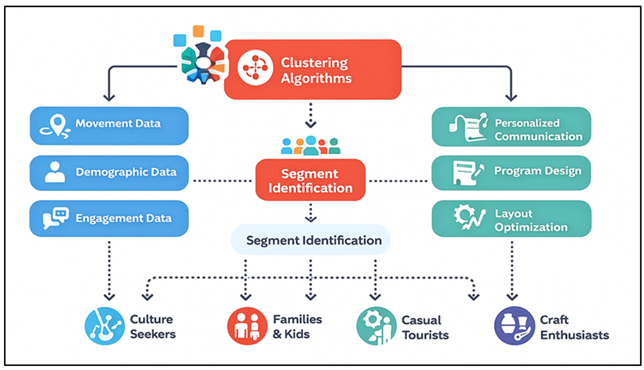
Figure 3 AI Workflow for Visitor Segmentation and Behavioral Analysis
The behavioral insights also demonstrate what items in the festival will create a lasting appeal, which allows them to develop specific programs that will attract each group of visitors.
5. Case Studies and Applications
5.1. Analysis of Selected Folk Art Festivals Using AI Tools
The case studies of the chosen folk art festivals show that AI tools might successfully analyze the visitor behavior, the interaction with culture, and the performance of the operation. The festivals that are usually selected to be analyzed are of a wide range of cultural settings, which may be regional craft fairs, traditional dance festivals, or festivals based on the heritage of a given community to ensure that a wide range of visitor interactions are captured. These case studies analyze the real-time trends of crowds using machine learning and computer vision and determine which artisan stalls, stages of performances, and areas of cultures have the biggest amount of foot traffic. The heatmap and trajectory visualizations indicate the effect of festival layout on the traffic flow, and what successful spatial planning and what should be redesigned. Sentiment analysis of social media posts and review platforms as well as onsite digital surveys based on an NLP will add more layers of insights. These tools identify the common patterns in visitor reviews, e.g. praise of the ancient crafts, overcrowding, or participatory workshops. Topic modeling also assists in determining culturally powerful moments which have high appeal among audiences. The predictive analytics proved to be used in a number of festivals to forecast the high attendance times to allow organizers to optimize staffing, resource allocation, and safety measures prior to the event.
5.2. Impact on Visitor Experience and Festival Management
Using AI-powered analytics has shown a high level of improvement in visitor experience and the experience of managing the festival as a whole. Monitoring of crowds in real time would improve the safety of visitors since it will help to alleviate the congestion, simplify navigation, and give the visitors a more comfortable experience to view the cultural exhibits. The predictive flow is to enable the planners to predict the crowd surges and to change the route, signage and security provisions beforehand, ensuring that the accessibility of the event and stress levels of the audience are optimized. Sentiment analysis also gives significant information on how the visitors feel about the performances, crafts, food stalls and timetables. Organizers can achieve immediate changes by establishing the sources of dissatisfaction, i. e., long queues, inadequate facilities or lack of clarity in information, which will make the situation more comfortable and satisfying. Patterns of positive sentiments, in turn, assist in accentuating cultural aspects that are strongly attractive to visitors and allow festival teams to place an emphasis on genuine and significant experiences. Segmentation of visitors will enable the organizers to create unique programs that will attract various audience groups. Culturally sensitive communication based on behavioral insights enhances engagement and bonuses the feeling of connection between the visitors and cultural content.
5.3. Comparison of AI-Based Insights vs. Manual Observation
Comparisons of AI-generated insights to the traditional manual observation show obvious benefits in both accuracy and efficiency combined with depth of analysis. Manual observation is also a manual process that is subject to human perception which is, by definition, limited by subjectivity, fatigue and field of view. Although useful in terms of capturing the contexts of nuanced behaviours, manual methods sometimes fail to capture submissive behaviour patterns, especially where large and dynamic environments are involved, e.g., folk art festivals. The number of visitors counted, crowd density estimated or movement tracked manually may result in inconsistency and incomplete information. Contrary to that, AI-based tools operate large volumes of information on time. Multiple locations can be monitored at the same time using computer vision algorithms and crowd flow, stall engagement, and spatial distribution can be detected with high accuracy. Machine learning algorithms extract patterns and correlations that would be challenging to human observers to be aware of - long-term trends in engagement or minute changes in visitor paths. Sentiment analysis also proves the excellence of AI compared to manual feedback review.
6. Results and Discussion
The results show that AI-based analytics can be used to gain a lot of insights into visitor trends during folk art festivals. Crowd tracking on the fly enhanced the safety and decreased the number of people present at the same time, and sentiment analysis showed the high value of traditional crafts and interactive experiences. The behavioral segmentation discovered different types of visitors and this has enabled more cultural programming. AI generated more knowledgeable and factual insights than manual observation (particularly flow patterns and large-scale feedback). In general, the findings indicate that AI has a potential to enhance the management of the event, improve the satisfaction levels of the visitors and facilitate culturally-aware decisions.
Table 2
|
Table 2 Real-Time Crowd Monitoring and Flow Prediction Results |
||||
|
Metric / Zone |
Craft Zone |
Performance Stage |
Food Court |
Exhibition Pavilion |
|
Peak Density (persons/m²) |
3.4 |
4.8 |
5.2 |
2.6 |
|
Average Dwell Time (minutes) |
18 |
32 |
24 |
15 |
|
Flow Efficiency Score (%) |
82 |
75 |
68 |
90 |
|
Predicted Congestion Events (per day) |
2 |
5 |
7 |
1 |
|
Prediction Accuracy (%) |
90 |
85 |
86 |
100 |
The statistics provided in Table 2 show that there are great differences in the behavior of the crowd and the efficiency of the flow in various areas of the folk art festival. The highest density is 5.2 persons/m 2 in the Food Court which indicates that it is highly attractive and has a constant flow of visitors. Figure 4 uses a comparative approach to zonal crowd dynamics and major performance measures. Its low Flow Efficiency Score of 68 also agrees with this high density of 9.75, which shows congestion and low fluidity of movement.
Figure 4
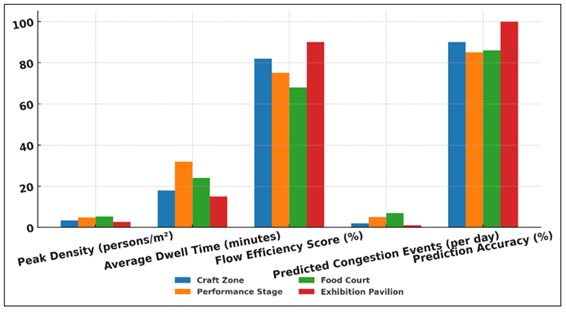
Figure 4 Comparative Analysis of Zonal Crowd Dynamics and
Performance Metrics
On the contrary, the Exhibition Pavilion has the lowest occupancy rate of 2.6 persons/m 2, but with an outstanding performance of the Flow Efficiency Score of 90, which indicates a well-planned layout and allows the free movement of people. In Figure 5, there are mean trends in metrics that were observed in various event zones. The density of the Performance Stage (4.8 persons/m 2 ) is relatively high and the mean dwell time (32 minutes) is also predicted due to the character of scheduled performances that stimulate the stationary type of audience behaviour.
Figure 5
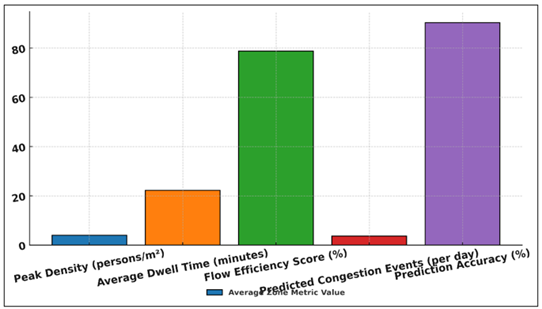
Figure 5 Average Metric Trends Across Event Zones
However, the Craft Zone has a moderate density and high flow efficiency, which means that the attraction and movement are balanced. According to predictions, predictive analytics are highly reliable, the value of Prediction Accuracy equals 85-100, which proves the efficiency of AI models in predicting congestion events. This precision is instrumental in proactive management of the crowd, deployment of resources and safety.
7. Conclusion
The introduction of artificial intelligence to the study and management of folk art festivals is a significant improvement in cultural studies as well as event management. As it is proved in this paper, machine learning, computer vision, and natural language processing can be an efficient instrument to comprehend visitor behavior, capture engagement patterns, and aid in preserving the heritage. AI-based real-time surveillance can be used to promote safety through detecting the density of crowds, forecasting their flow and sentiment analysis can help gather a more in-depth understanding of visitor emotions, expectations, and understanding of cultural values. Such technologies not only show the movement of visitors within the spaces of festivals, but they also show the ways in which they intellectually and emotionally relate to the traditional practices. The visitor segmentation is an additional enhancement of the planning of the festival since it refers to various audience segments: culture lovers, casual tourists, etc., and the organizers have the opportunity to adjust the programming to preserve the cultural authenticity and to encourage the participation of all. The targeted approaches will enhance a stronger sense of cultural involvement and heritage experience. AI is more precise, scalable, and analytical than manual observation especially when working with large datasets, multilingual feedback, etc. Although these advantages are present, it is important that AI is used responsibly. Implementation should be guided by ethical considerations such as protection of privacy, sensitivity towards cultures and clarity in communication such that the technological interventions reinforce cultural traditions instead of overshadowing them.
CONFLICT OF INTERESTS
None.
ACKNOWLEDGMENTS
None.
REFERENCES
Canavire, V. B. (2023). Inteligencia Artificial, Cultura y Educación: Una Plataforma Latinoamericana de Podcast Para Resguardar el Patrimonio Cultural. TSAFIQUI: Revista Científica en Ciencias Sociales, 13, 59–71. https://doi.org/10.29019/tsafiqui.v13i21.1195
Cheng, L. (2023). Research on Development and Protection of Cultural Heritage Tourism Resources in the Age of Artificial Intelligence. Applied Mathematics and Nonlinear Sciences, 9, 1–15. https://doi.org/10.2478/amns.2023.2.01554
Dong, R., and Xia, W. (2024). Digital Narrative and Tourism Value Symbiosis of Zhejiang East Tang Poetry Road: A Cross-Cultural Perspective. Journal of Language, Culture, and Education Studies, 1, 17–22. https://doi.org/10.61784/jlces3011
Foroughi, M., Wang, T., and Roders, P. (2025). In Praise of Diversity in Participatory Heritage Planning Empowered by Artificial Intelligence: Windcatchers in Yazd. Urban Planning, 10, Article 8724. https://doi.org/10.17645/up.8724
García-Velázquez, L. M. (2023). Inteligencia Artificial y Patrimonio Cultural: Una Aproximación Desde Las Humanidades Digitales. DICERE, 149–160. https://doi.org/10.35830/dc.vi4.55
González, S. C., Bande, B., Losada, F., and Pérez, A. N. (2024). La Investigación Cualitativa: El uso de la Minería de Textos en Redes Sociales. Dykinson.
Harisanty, D., Obille, K. L. B., Anna, N., Purwanti, E., and Retrialisca, F. (2024). Cultural Heritage Preservation in the Digital Age, Harnessing Artificial Intelligence for the Future: A Bibliometric Analysis. Digital Library Perspectives, 40, 609–630. https://doi.org/10.1108/DLP-01-2024-0018
Ibarra-Vázquez, A., Soto-Karass, J. G., and Ibarra-Michel, J. P. (2024). Realidad Aumentada Para La Mejora de la Experiencia Del Turismo Cultural. Revista Ra Ximhai, 20, 107–124. https://doi.org/10.35197/rx.20.02.2024.05.ai
Kotsiubivska, K., Tymoshenko, O., and Vasylevsky, A. (2024). Artificial Intelligence Tools for Preservation and Popularization of Cultural Heritage. Digital Platforms and Information Technologies in the Sociocultural Sphere, 7, 275–282. https://doi.org/10.31866/2617-796X.7.2.2024.317736
Li, D., Du, P., and He, H. (2022). Artificial Intelligence-Based Sustainable Development of Smart Heritage Tourism. Wireless Communications and Mobile Computing, Article 5441170. https://doi.org/10.1155/2022/5441170
Li, J. (2021). Application of Artificial Intelligence in Cultural Heritage Protection. Journal of Physics: Conference Series, 1881(3), Article 032007. https://doi.org/10.1088/1742-6596/1881/3/032007
Mitric, J., Radulovic, I., Popović, T., Šćekić, Z., and Tinaj, S. (2024). AI and Computer Vision in Cultural Heritage Preservation. In Proceedings of the 28th International Conference on Information Technology (IT) (xx–xx). IEEE. https://doi.org/10.1109/IT61232.2024.10475738
Münster, S., Maiwald, F., Di Lenardo, I., Henriksson, J., Isaac, A., Graf, M. M., Beck, C., and Oomen, J. (2024). Artificial Intelligence for Digital Heritage Innovation: Setting up a RandD Agenda for Europe. Heritage, 7, 794–816. https://doi.org/10.3390/heritage7020038
Pisoni, G., Díaz-Rodríguez, N., Gijlers, H., and Tonolli, L. (2021). Human-Centered Artificial Intelligence for Designing Accessible Cultural Heritage. Applied Sciences, 11(2), Article 870. https://doi.org/10.3390/app11020870
Torres-Peñalva, A., and Moreno-Izquierdo, L. (2025). La Inteligencia Artificial Como Motor de Innovación en el Turismo: Startups, Capital Riesgo y Transformación Digital. ICE Revista de Economía, 938, 25–37. https://doi.org/10.32796/ice.2025.938.7886
Zhang, B., Cheng, P., Deng, L., Romainoor, N., Han, J., Luo, G., and Gao, T. (2023). Can AI-Generated Art Stimulate the Sustainability of Intangible Cultural Heritage? A Quantitative Research on Cultural and Creative Products of New Year Prints Generated by AI. Heliyon, 9, Article e20477. https://doi.org/10.1016/j.heliyon.2023.e20477
|
|
 This work is licensed under a: Creative Commons Attribution 4.0 International License
© ShodhKosh 2025. All Rights Reserved.