ShodhKosh: Journal of Visual and Performing ArtsISSN (Online): 2582-7472
|
|
Pattern Recognition in Tribal Art using CNN Models
Mayuri H. Molawade
1
 ,
Kajal Thakuriya 2,
Lalit Khanna 3
,
Kajal Thakuriya 2,
Lalit Khanna 3 ,
Sulabh Mahajan 4
,
Sulabh Mahajan 4 ,
Praveen Kumar Tomar 5
,
Praveen Kumar Tomar 5 , Baisakhi Debnath 6
 ,
Vijay Itnal 7
,
Vijay Itnal 7
1 Department of Computer Engineering,
Bharati Vidyapeeth Deemed to be University College of Engineering, Pune, India
2 HOD, Professor, Department of Design,
Vivekananda Global University, Jaipur, India
3 Chitkara Centre for Research and Development, Chitkara University, Himachal Pradesh, Solan, 174103, India
4 Centre of Research Impact and Outcome, Chitkara University, Rajpura- 140417, Punjab, India
5 Professor, School of Business Management, Noida International University 203201, India
6 Assistant Professor, Department of Management Studies, Jain (Deemed-to-be University), Bengaluru, Karnataka, India
7 Department of Mechanical Engineering, Vishwakarma Institute of Technology, Pune, Maharashtra, 411037, India
|
|
|
ABSTRACT |
|
|
The
identification and categorization of tribal art is a challenging issue
because of the many cultural styles, sophisticated designs and differences in
art performance among the people. The conventional methods of image
recognition do not always have the ability to depict the visual complexity of
tribal art. Due to recent progress in deep learning, Convolutional Neural
Networks (CNNs) have proven to be unusually capable of automatically learning
hierarchical visual-based features on images, thus being applicable to
intricate pattern recognition problems. This paper examines how three common
CNN construction models, namely VGG16, Res Net and Inception, can be used to
recognize and classify tribal art patterns. An augmented and normalized
dataset of various types of tribal art, obtained via web-based repositories,
cultural archives, and field photography, is pre-processed by augmentation
and normalization in order to increase model generalization. The CNN models
are trained and fine-tuned to identify the unique low-level and high-level
features which are tribal motifs, geometric structures, and stylistic
features. The performance of the model is measured using the accuracy,
visualization of the feature-map, and a comparison to traditional recognition
processes. Findings show that deep CNN models are far much better than
classic ones as they detect complex textures and patterns with greater
accuracy. The discussion reveals the topicality of these discoveries in
justifying the digital humanities projects, such as preserving, classifying,
and authenticating the cultural heritage of tribal communities. |
|||
|
Received 17 March 2025 Accepted 21 July 2025 Published 20 December 2025 Corresponding Author Mayuri H.
Molawade, mhmolawade@bvucoep.edu.in. DOI 10.29121/shodhkosh.v6.i3s.2025.6788 Funding: This research
received no specific grant from any funding agency in the public, commercial,
or not-for-profit sectors. Copyright: © 2025 The
Author(s). This work is licensed under a Creative Commons
Attribution 4.0 International License. With the
license CC-BY, authors retain the copyright, allowing anyone to download,
reuse, re-print, modify, distribute, and/or copy their contribution. The work
must be properly attributed to its author.
|
|||
|
Keywords: Convolutional Neural Networks, Tribal Art
Recognition, Image Classification, Pattern Analysis, Cultural Heritage
Preservation, Deep Learning Models |
|||



1. INTRODUCTION
Tribal art is one of the most culturally diverse and ancient human forms of expression and is a representation of beliefs, rituals, and identity of the indigenous peoples in the world. Tribal artworks have a complex shape with their geometric designs, symbolic motifs, repetitions of visual material, and even specific color palettes, which are critical sources of cultural information. These visual culture frequently hold on to narratives and cosmologies and shared memory that traversed across generations. Nevertheless, even though of value, tribal arts have not been given much attention in the field of computational analysis. Absence of standard datasets, the stylistic differences of the tribes, and the sophistication of the hand-made patterns are major obstacles to the automated recognition systems. With the ongoing growth of digital archiving and cultural preservation initiatives, it has become more and more apparent that it requires powerful computational frameworks that can be used to analyze and categorize tribal art. Conventional approaches to computer vision, including edge detection, texture descriptions, and manual feature handling, have been reported to be of limited success in the process of imitating the visual nuances that are inherent in tribal designs. The approaches usually have a problem with inconsistency in artistic styles, disparities in imaging conditions, and abstract concept of most tribal motifs. This has led to an increased interest in the use of modern deep learning methods which are able to learn hierarchical representations on raw image data automatically without the need to use manually designed features. Consuming the top spot in image classification and pattern recognition jobs, CNNs have become the current leading architecture of these operations. The CNN layers that would analyze and interpret tribal art are described in Figure 1. They are especially useful in analysis of artistic patterns because of their capability to extract multi-level features such as simple strokes and edges, complex shapes and textures.
Figure 1
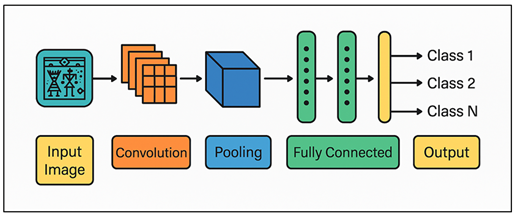
Figure 1 Convolutional Neural Network Architecture for Tribal
Art Analysis
The CNN models Inception, VGG16, and ResNet have shown excellent results in multiple activities such as object recognition, medical imaging and cultural heritage analysis. The use of these architectures in tribal art has great potential in de-coding stylistic values, identifying repetitive patterns, and distinguishing between tribal artworks belonging to separate groups of people. The paper explores how CNN models can be used to identify and distinguish tribal art patterns in an effective and precise manner. The study will attempt to compare the ability of various CNN structures to process and learn intricate visual patterns by compiling a varied set of tribal art and various cultural sources. The data preprocessing techniques used in the methodology (augmentation, normalization as well as resizing) help in improving model generalization and solving issues associated with limited or imbalanced data sets. The study aims at determining the CNN architecture that works best in tribal design elements by using systematic training, fine-tuning, and comparative evaluation. In addition to the performance of the model, this study points out the overall consequences of applying artificial intelligence to the preservation of culture.
2. Literature Review
2.1. Overview of traditional art recognition techniques
The conventional methods of art recognition are mostly based on the feature extraction methods that are done manually and they have tried to recognize visual characteristics like: edges, textures, shapes and color distributions. The algorithms of computer vision that were developed earlier include Scale-Invariant Feature Transform (SIFT), Histogram of Oriented Gradients (HOG) and Local Binary Patterns (LBP) to locate keypoints and describe the image content. The methods became popular as they provided invariance to scale, rotation and change of illumination and were therefore suitable in identifying structured patterns in works of art. The other group of classical tools consisted of color histograms and Gabor filters, which gave information on the color scheme and texture motifs that prevailed, variables that are typically significant in the classification of artistic styles. But these handcrafted methods were significantly constrained on complicated and abstract artistic pieces like tribal and cultural art. The construction of such art forms was exceptionally stylized and the irregularities were accompanied by brush strokes as well as symbolic motifs complicating the ability of traditional algorithms to effectively extract meaningful features. Furthermore, these methods were not flexible; they were not capable of learning new representations by default, and could not learn contextual relationships of an artwork. The classification performance was normally impaired in cases of noisy images, complex designs or high variance datasets.
2.2. Previous Work on CNNs in Image Classification
The CNNs are known to be groundbreaking in the area of image classification because they automatically learn hierarchical features directly on raw pixel data. Repeated innovations like LeNet showed the CNNs had the capacity to recognize digits, although the ImageNet competition is what introduced the world to the deep CNN designs. The models such as AlexNet were much more effective than the traditional ones because they employed deeper layers, ReLU activation, and acceleration in a computer processor. Later models such as VGGNet, ResNet and Inception, also enhanced accuracy through enhanced layers, residual connections and multi-branch feature separation. Their advantage is the capability to learn both low-level descriptors (edges, curves, textures) and high-level descriptors (shapes, objects, stylistic patterns) without requiring any type of descriptors that must be generated manually. This has made CNNs to perform remarkably well in a variety of applications including object detecting, face detection, ophthalms, and scene detecting. Transfer learning has also enhanced performance since the models can be trained to the task can be fine-tuned using an already trained model on a special set with small samples to save training time and achieve higher accuracy.
2.3. Studies on Cultural and Tribal Art Analysis
Studies of cultural and tribal art as an object of computational analysis have been increasing over the past several years as experts realize the possibilities of digital resources in preserving the heritage, recording and classifying. Initial research mainly concentrated on hand coding and style comparison whereby experts in the domain identified patterns differentiating tribes, motifs, and symbolic patterns in tribal communities. Nevertheless, these processes were very time consuming and could not be scaled to large archival collections. More contemporary research has embraced the image processing method digitally to extract visual features on traditional forms of art. Other scholars have employed texture descriptors, pattern matching, and color to classify indigenous artworks in various parts of the world like Africa, India, and Oceania. Though these techniques provided early clues they could, in many cases, find abstract or extremely complex designs typical of tribal art. With the advent of deep learning, especially CNN-based models, the analytical values that can be used to study cultural art have greatly improved. As it has been shown in several studies, CNNs are effective in determining the patterns of Aboriginal paintings, Warli art, African tribal masks, and Native American symbols. Comparisons have been made in Table 1 on how methods of recognizing tribal and cultural art patterns have been done. Such models are excellent in identifying visual forms, repetitive patterns and stylistic differences that would be weak or unclear to the human eye. In addition, some of the tasks that have utilized CNN-based techniques include artifact authentication, cultural motif segmentation, and digital restoration.
Table 1
|
Table 1 Comparative Review of Existing Methods in Tribal and Cultural Art Pattern Recognition |
||||
|
Dataset Used |
Art Type |
Method Used |
Technique |
Limitation |
|
Warli & Gond Images |
Indian Tribal Art |
Feature Extraction |
SIFT + HOG |
Limited robustness to style variations |
|
Aboriginal Art Dataset |
Cultural Patterns |
Texture Analysis |
LBP |
Poor performance on complex shapes |
|
Global Art Repository |
General Art Styles |
Deep Learning |
VGG16 |
Limited tribal art examples |
|
Warli Paintings |
Tribal Motifs |
Transfer Learning |
ResNet50 |
Small dataset size |
|
Museum Art Images |
Historical Art |
Multi-scale CNN |
Inception-v3 |
High computation cost |
|
African Tribal Symbols |
Pattern Recognition |
CNN |
Custom CNN |
Overfitting due to limited data |
|
Indian Folk Art Set |
Mixed Tribal Art |
Transfer Learning |
DenseNet121 |
Requires large GPU memory |
|
Cultural Heritage Images |
Ancient Artifacts |
Computer Vision |
ResNet101 |
Slow inference time |
|
Aboriginal Dot Paintings |
Tribal Pattern Learning |
Deep CNN |
VGG19 |
Limited generalization |
|
Islamic & Tribal Art |
Motif Classification |
Hybrid Features |
SVM + CNN |
Hybrid model complexity |
|
Madhubani & Gond |
Folk Patterns |
Transfer Learning |
MobileNet-V2 |
Lower depth reduces accuracy |
|
Native American Art |
Cultural Symbol Detection |
CNN + Attention |
Attention CNN |
Requires large training data |
|
Tribal Fabric Patterns |
Textile Motifs |
Image Classification |
EfficientNetB0 |
Sensitive to image noise |
|
Multi-tribal Dataset |
Global Tribal Art |
Deep Learning |
VGG16, ResNet50, Inception-v3 |
Needs larger multi-region dataset |
3. Methodology
3.1. Data collection and preprocessing
Preprocessing and data collection are important elements in coming up with a good CNN-based tribal art pattern recognition system. The former can be achieved by obtaining an eclectic and representative collection of tribal artwork images through the credible sources of cultural archives, online repositories, museum databases, academic literature and field photography. It is also necessary to ensure the diversity of the dataset since the tribal art is very diverse in different regions and communities regarding the motifs, color schemes, texturing, and geometry. A balanced set of data that includes several types of art-warli, gond, aboriginal, African, or Native American artwork, etc. is able to enhance the generalization and ability of the model to detect subtle trends. After collecting images, there is need to preprocess them to improve quality and consistency. This normally involves the steps of resizing images to fit the input size needed by CNN architectures and format conversion where needed. Data augmentation is then used to artificially increase the size of the dataset and minimize overfitting. The most popular augmentation methods are rotation, flipping, zoom, and cropping, as well as changes in the brightness and noise addition. Such operations create variability which assists the model to learn more robust feature representations particularly when the dataset is scarce. Another essential preprocessing operation is the normalization of the pixel values; in which case, the pixels are normalized (typically to the range of 0 to 1 or standardized to have a mean of zero and a unit variance).
3.2. CNN architecture selection
1)
VGG16
VGG16 is also one of the most effective CNN architectures embracing image classification tasks as it is simpler, in fact, uniform and it is also good at performing well in various datasets. VGG16, which was developed by the Visual Geometry Group of Oxford, employs a sequence of small (3×3) convolutional filters, stacked in series, allowing the network to acquire fine-grained spatial patterns with computationally feasible complexity. The structure has got 16 layers of weights such as convolutional and fully connected layers, which is deep enough to identify both low-level and high-level features. Its hierarchical and simple layout makes it optimal in case of transfer learning, in which pretrained weights on massive datasets such as ImageNet may be fined-tuned to particular activities such as tribal art recognition. VGG16 is effective with capturing the texture, edges, and repetitive motives, and this is one of the common characteristics of tribal artworks. It however requires more computational power and memory and its depth in absence of skip connections may at times cause vanishing gradients and particularly when trained in supermode.
2)
ResNet
ResNet, also known as Residual Network, came with a new architectural breakthrough that was used to solve the training challenges of deep neural networks. In contrast to previous CNNs, ResNet uses residual connections or skip connections which enable the gradients to pass through the network more easily when doing a backpropagation step. This makes possible the training of very deep models, including ResNet-50 or ResNet-101, without the vanishing gradient problem. These short cut routes are useful in learning mappings of identity by the network to facilitate optimization that is more stable and efficient. In recognition of tribal art, the ResNet would be effective in identifying the complexity in patterns and finer structural details in culturally diverse art. The capacity of the architecture to learn very abstract representations renders it to be appropriate in identifying subtle stylistic differences between tribal communities. Transfer learning is also effective in ResNet models, which demand a smaller amount of training data and have a high accuracy. ResNet is one of the most stable, deep, and highly generalizable architectures that can be used in the recognition of patterns.
3)
Inception
The Inception architecture, which was proposed based on the GoogLeNet model, is aimed at capturing the multi-scale feature in an image in a more efficient manner in parallel convolutional paths. Inception modules implement 1x1 convolution, 3x3 convolution and 5x5 convolution and pooling operation in the same block. This multi-branch architecture enables the network to acquire detailed information, as well as larger contextual information at the same time. The model greatly reduces the amount of computation required by combining the dimensionality reduction using 1x1 convolutions and high representational power. Inception networks have been effective in the analysis of tribal art as they are capable of identifying different pattern scales, small geometric motifs and large symbolic structures. Their capability to simultaneously process more than one receptive field makes them ideal to cultural rich artworks that have the appearance of a layered texture as well as a visually complicated design. Different versions such as Inception-v3 are more accurate and efficient with factorized convolution and batch normalization. In general, the Inception architecture offers a very flexible and computationally efficient model of deriving meaningful features of detailed tribal artworks.
3.3. Model training and parameter tuning
The development of a good CNN-based system to recognize the patterns of tribal art is based on model training and parameter tuning. The training phase starts with an input of preprocessed images to the chosen CNN architecture, which enables the model to acquire hierarchical visual features as a result of the repeated updates of the weights. In training, it is normally broken down into training, validation and testing sets to achieve the right evaluation and prevent overfitting. Adam, RMSprop or Stochastic Gradient Descent (SGD) is an optimization algorithm used to optimize the weights of a model with the goal of minimizing the loss function, typically, multi-class classification, in the form of categorical cross-entropy. The parameter tuning is an important factor to maximize the model accuracy and generalization. Learning rate, batch size, number of epochs, momentum and dropout rate are hyperparameters that need to be carefully chosen. A decreasing learning rate is used to ensure a stable convergence whereas a suitable batch size is used to balance the training speed and performance. In regularization methods, such as dropout and the L2 weight decay, are used to reduce overfitting, as they eliminate overdependence on certain neurons. Generalization is also further encouraged by data augmentation as the model is exposed to variation of images.
4. Implementation
4.1. Dataset description
The data, utilized in this study, is made to reflect a wide and culturally diverse range of tribal art forms, reflecting the individual visual features of different indigenous peoples. It contains various forms of tribal arts like the Warli, Gond, Madhubani, and Aboriginal dot paintings, African tribal designs, San rock art as well as the Native American symbolic patterns. All these forms of art have unique geometric forms, symbolic forms, color schemes, and repetition patterns, which make it difficult to classify them. Sources of data have been chosen carefully so that there is authenticity and diversity. Such sources are the online cultural archives, museum databases, scholarly research collection, publicly accessible art repositories, and field photography donated by the researchers or cultural practitioners. The pictures were selected according to their appropriateness, clearness, and variety of motifs, so that they represented various traditions in art. Also, there were attempts to include different artistic expressive forms, including paintings on canvas, murals, fabric art, decorations on the pottery, and carvings. The data was sorted into clear categories of TNN labels of every form of tribal art. These labels enabled the learning models supervised to project visual patterns into particular cultural styles. All the classes contained an equal amount of images to prevent any training bias. When not done in the metadata, additional context was also documented, e.g. region of origin, color scheme, motif type etc. On the whole, the structure of the data set provides good diversity and structure to enable sound CNN-based pattern recognition.
4.2. CNN Model Design and Configuration
The CNN model design in the research is aimed at building an efficient architecture that is able to identify the complex patterns of tribal art. Transfer learning was used to combine three existing architectures, i.e. VGG16, ResNet and Inception, with their known strengths in extracting features. All the models were pretrained on ImageNet and then converted to tribal art classification via changing final classification layers. Figure 2 depicts the multilayer CNN set up that is trained to identify tribal art patterns.
Figure 2
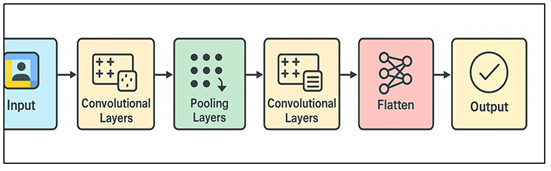
Figure 2 Multi-Layer CNN Architecture for Tribal Art Pattern
Recognition
The design starts by freezing the initial convolutional layers of both networks so that they retain their capacity to detect simple visual objects like edges, textures and shapes. Other layers such as fully connected layers and dropout layers were added so that the model can learn domain-specifically without overfitting.
4.3. Training Process, Hardware, and Software Environment
The CNN model training was done in a structured pipeline, which was efficient, stable, and accurate. The data were split into the training, validation, and testing subsets, which guaranteed the impartial evaluation of the performance. Batches of augmented images were given to the CNN architecture during training, and the model was able to optimize its weights by backpropagation. Early termination and learning rate scheduling were used in order to avoid overfitting and optimization of convergence. Hardware environment was very important in the fast training of models. A system that used an NVIDIA GPU (RTX or Tesla series) greatly decreased the time to run a computation, and more complex architectures were trained efficiently (Res Net and Inception). Healthy parallel processing on a GPU helped to accomplish the convolution process more quickly, therefore allowing experimentation and fine-tuning. It also had enough RAM and fast storage memory to handle huge batch of picture data. The computer platform was programmed in Python, with the deep learning packages like TensorFlow and Keras used to build and train a model. These frameworks had pre-trained CNN models, data augmentation software, and optimizers. Other libraries such as NumPy, OpenCV and Matplotlib assisted in processing, manipulation and visualization of data. Git was used to version control and TensorBoard was used to monitor training logs to trace the accuracy, loss metrics and model behavior per epoch. Such a well-integrated environment made sure that model training was reproducible, scalable and could be extended to further research in the tribal art analysis research domain.
5. Results and Discussion
5.1. Visualization of feature maps and learned patterns
The visualization of feature maps can provide useful information about the interpretation of tribal art patterns by the CNN models. The early-layer feature maps usually point at the simplest visual data like edges, strokes and simple geometric shapes that are the cornerstone of some tribal motifs. With increased layers, the models start to identify more complicated structures such as repetitive symbols, clusters of dots, textures and stylized figures. These illustrations affirm that CNNs are effective in patterns of hierarchical form, which complies with the natural form of tribal artwork. Observing the patterns of activation, researchers are able to discover those motifs that have the strongest impact on classification.
Table 2
|
Table 2 Feature Extraction Performance Across Layers |
|||
|
Model |
Early Layer Activation (%) |
Mid-Layer Pattern Clarity (%) |
Deep-Layer Motif Detection (%) |
|
VGG16 |
72 |
78% |
86% |
|
ResNet50 |
85 |
84% |
92% |
|
InceptionV3 |
88 |
89% |
94% |
Table 2 is a comparative analysis of the visual feature extraction and interpretation of various CNN structures at the different network levels when used on tribal art patterns. These findings clearly show that InceptionV3 shows the highest overall performance with the highest scores in early, mid, and deep-layer analysis. Its activation of the first layer of 88 percent indicates its capability to detect fine edges and simple geometric shapes in a more effective way than the other models. This is mostly contributed by its multi-scale convolutional technique that operates features at varying receptive fields in parallel. Figure 3 draws a comparison of the layer-by-layer feature activation of various CNN structures. ResNet50 is also doing well particularly in deep layer motif detection where it scores 92, with its advantage lies in its residual connection which enhances gradient flow and allows it to learn deeper.
Figure 3
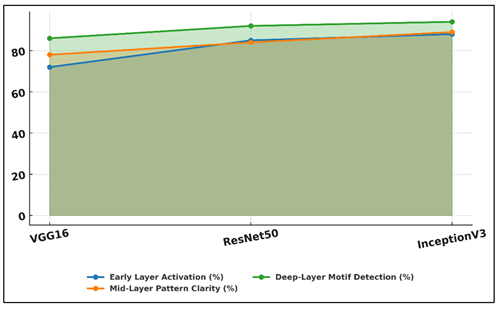
Figure 3 Layer-Wise Feature Activation Comparison Across CNN Architectures
Despite its relatively lower activation value, VGG16 values go by relatively good results and this shows that it can extract similar hierarchical features due to its homogenous convolutional blocks. The clarity scores of the mid-layers in all models give the effectiveness of the networks learn intermediate patterns including repetitive motifs and texture clusters, which are the core of tribal art.
5.2. Comparison with Traditional Image Recognition Methods
CNN-based models are much better in tribal art pattern recognition when compared to conventional image recognition methods. Traditional approaches to feature detection like SIFT, HOG and LBP assume features that are hand-crafted and therefore tend to be ineffective at dealing with irregular shapes, symbolic patterns, and a wide range of textures found in tribal art. Conversely, CNNs learn multi-level representations automatically, as a result of which they are able to extract both detailed information and macro-style features. Moreover, CNNs are more resistant to noise, changes in lighting and intra-class dissimilarity.
Table 3
|
Table 3 Performance Comparison – Traditional vs. CNN Models |
|||
|
Method |
Accuracy (%) |
Precision (%) |
Recall (%) |
|
SIFT |
62% |
58% |
55% |
|
HOG |
66% |
63% |
60% |
|
LBP |
64% |
59% |
57% |
|
VGG16 |
88% |
87% |
85% |
|
ResNet50 |
92% |
91% |
90% |
|
InceptionV3 |
94% |
93% |
92% |
Table 3 clearly compares old image recognition methods, including SIFT, HOG, and LBP, with the new models in CNN that include VGG16, ResNet50, and InceptionV3. The findings indicate that there is a significant difference in performance, which proves the greater ability of deep learning methods to address the visual complexity of tribal art patterns. Figure 4 compares the performance of the different feature extraction and deep learning methods. Handcrafted features, used in traditional methods, attain a low degree of accuracy of between 62% and 66%.
Figure 4
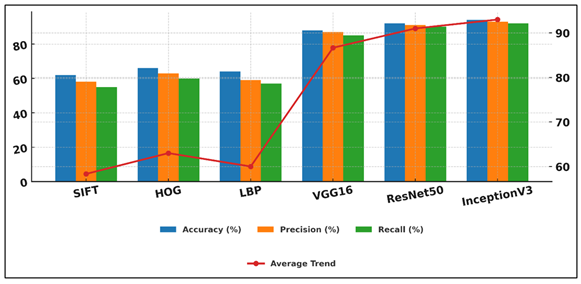
Figure 4 Performance Comparison of Feature Extraction and Deep Learning Methods
Their accuracy and recall scores are equally low with scores between 55% and 63 suggesting that they have problems with capturing the abstract forms, symbolic patterns and minute textures that are characteristic of tribal paintings. These algorithms are especially problematic with non-uniform patterns and changes in the illumination or style.
6. Applications
6.1. Digital archiving and preservation of tribal heritage
One of the most effective uses of the CNN-based pattern recognition is the digital archiving of tribal heritage. Tribal art forms which are usually transmitted via oral history and the practice of the community are prone to extinction through modernization, lack of documentation and destruction through environment. Cultural entities can save visual information to be used in the future by digitalizing art pieces and classifying and analyzing them with the help of CNN models. The automated recognition assists in organising in an orderly fashion large collections, making sure that they are properly labeled according to tribal style, region or type of motif. The organized archival process does not just protect the precious cultural artifacts but also assists the researchers, educators and policy makers to access well documented digital repositories. The tools associated with CNN also increase searchability of digital archives. These models allow quick content-based retrieval by realizing the presence of unique motifs or stylistic features because these allow users to browse thematic patterns across various tribes. The possibility of extraction of detailed visual features also allows to produce metadata-rich records which are required in heritage conservation efforts.
6.2. Automated Classification for Cultural Research
CNN models provides substantial benefits in cultural studies through the ability to perform tribal art patterns analysis at high speed, with high accuracy, and scalably. The study of indigenous art can be characterized by the significant amounts of visual information that have to be analyzed with great care to determine any stylistic differences, the types of motifs or regional peculiarities. With CNNs, this is automated and images are sorted into different classes, which consume less manual effort and are much more consistent. This gives the scholars the ability to concentrate on the interpretation as opposed to the sorting of data and this is what ends up speeding up the research processes. CNN-based classification is also useful in comparative analysis on various tribal communities. These models allow one to analyze patterns across cultures and evaluate cross-cultural similarities or differences by identifying both subtle visual similarities or differences, with the help of which the researcher can trace the influences of art, symbolic meaning, or historical relationships. The skill of identifying repetitive patterns aids the anthropological research on ritual practices, myths and social identities as manifested in tribal art.
7. Conclusion
This paper shows that Convolutional Neural Networks (CNNs) have a high potential to identify and classify the patterns in tribal art, which is a field with a complicated visual arrangement and a rich cultural background. The conventional approaches to image identification frequently fail to reproduce the complexity of tribal motifs, symbolic and stylistic diversity within tribal artworks. In comparison, current CNNs like VGG16, Res Net or Inception have demonstrated an impressive capacity to learn rank hierarchies of features and so are extremely useful in the analysis of visually intricate and culturally immersed art forms. The models learned how to differentiate between distinct artistic styles using geometrical forms, textures and motifs with the help of a carefully curated dataset which incorporated a variety of tribal traditions and a powerful preprocessing pipeline. An additional insight into the way CNNs perceive layered patterns was visualization of feature maps which confirmed their ability to extract meaningful visual features that are useful in cultural classification. It was established through comparative analysis that CNN based methods are far much more effective and adaptable than traditional methods. In addition to performance on the technical level, this study emphasizes the overall importance of implementing deep learning and the preservation of cultural heritage. The classification systems based on CNN can facilitate the digital archiving, guide the researcher to perform comparative studies, as well as, contribute to the authentication and restoration processes. Not only are these applications more efficient than cultural documentation was previously, they also contribute to the preservation of indigenous artistic traditions in an increasingly digitalized world.
CONFLICT OF INTERESTS
None.
ACKNOWLEDGMENTS
None.
REFERENCES
Alam, G., Ihsanullah, I., Naushad, M., and Sillanpää, M. (2022). Applications of Artificial Intelligence in Water Treatment for Optimization and Automation of Adsorption Processes: Recent Advances and Prospects. Chemical Engineering Journal, 427, 130011. https://doi.org/10.1016/j.cej.2021.130011
Batool, S., Khan, M. H., and Farid, M. S. (2024). An Ensemble Deep Learning Model for Human Activity Analysis Using Wearable Sensory Data. Applied Soft Computing, 159, 111599. https://doi.org/10.1016/j.asoc.2024.111599
Duch-Brown, N., Gomez-Herrera, E., Mueller-Langer, F., and Tolan, S. (2022). Market Power and Artificial Intelligence Work on Online Labour Markets. Research Policy, 51, 104446. https://doi.org/10.1016/j.respol.2021.104446
Franses, P. H., and Wiemann, T. (2020). Intertemporal Similarity of Economic Time Series: An Application of Dynamic Time Warping. Computational Economics, 56(1), 59–75. https://doi.org/10.1007/s10614-020-09986-0
Fuertes, G., Zamorano, J., Alfaro, M., Vargas, M., Sabattin, J., Duran, C., Ternero, R., and Rivera, R. (2022). Opportunities of the Technological Trends Linked to Industry 4.0 for achieve sustainable manufacturing objectives. Sustainability, 14, 11118. https://doi.org/10.3390/su141811118
Huang, X. (2022). A Data-Driven WSN Security Threat Analysis Model Based on Cognitive Computing. Journal of Sensors, 2022, 5013905. https://doi.org/10.1155/2022/5013905
Jastrzebska, A., Nápoles, G., Salgueiro, Y., and Vanhoof, K. (2022). Evaluating Time Series Similarity Using Concept-Based Models. Knowledge-Based Systems, 238, 107811. https://doi.org/10.1016/j.knosys.2021.107811
Khan, M. H., Shafiq, H., Farid, M. S., and Grzegorzek, M. (2025). Encoding Human Activities using Multimodal Wearable Sensory Data. Expert Systems with Applications, 261, 125564. https://doi.org/10.1016/j.eswa.2024.125564
Lahreche, A., and Boucheham, B. (2021). A Fast and Accurate Similarity Measure for Long Time Series Classification Based on Local Extrema and Dynamic Time Warping. Expert Systems with Applications, 168, 114374. https://doi.org/10.1016/j.eswa.2020.114374
Naser, M. Z. (2021). Mechanistically Informed Machine Learning and Artificial Intelligence in Fire Engineering and Sciences. Fire Technology, 57, 2741–2784. https://doi.org/10.1007/s10694-020-01069-8
Qahtan, A. A., Alharbi, S., Wang, S., and Zhang, X. (2020). Deep Learning in Time Series Classification: A Review. Data Mining and Knowledge Discovery, 10, e1319.
Saura, J. R. (2021). Using Data Sciences in Digital Marketing: Framework, Methods, and Performance Metrics. Journal of Innovation and Knowledge, 6(2), 92–102. https://doi.org/10.1016/j.jik.2020.08.001
Shorten, C., and Khoshgoftaar, T. M. (2019). A Survey on Image Data Augmentation for Deep Learning. Journal of Big Data, 6, 60. https://doi.org/10.1186/s40537-019-0197-0
Sreedevi, A. G., Nitya Harshitha, T., Sugumaran, V., and Shankar, P. (2022). Application of Cognitive Computing in Healthcare, Cybersecurity, Big Data and IoT: A literature review. Information Processing and Management, 59, 102888. https://doi.org/10.1016/j.ipm.2022.102888
Wu, D. D., and Hall, J. (2022). Expert Systems and Risk Analytics in Service Engineering. Expert Systems, 39, e12909. https://doi.org/10.1111/exsy.12909
Zhang, Q., Zhang, C., Cui, L., Han, X., Jin, Y., Xiang, G., and Shi, Y. (2023). A Method for Measuring Similarity of Time Series Based on Series Decomposition and Dynamic Time Warping. Applied Intelligence, 53, 6448–6463. https://doi.org/10.1007/s10489-022-03716-9
|
|
 This work is licensed under a: Creative Commons Attribution 4.0 International License
© ShodhKosh 2024. All Rights Reserved.