ShodhKosh: Journal of Visual and Performing ArtsISSN (Online): 2582-7472
|
|
|
Special
Issue on Algorithmic Aesthetics and Artificial Intelligence in Visual Arts,
Cultural Education, and Creative Practice Dr.
R. Vasanthan 1 1 Associate Professor, Department of English at Nagaland University,
Kohima, India 2 Senior Lecturer, Department of Foreign Languages for Economic
Studies, PhD Candidate in Pedagogy, Department of Economic Theory, Rostov
State University of Economics ("RINH") 69 Bolshaya
Sadovaya Street, Rostov-on-Don, Russia 3 Associate Professor, English Language and Literature, SRM Institute
of Science and Technology, Kattankulathur
(Chennai), Delhi-NCR, Ramapuram, Tiruchirappalli,
and Vadapalani, India 4Associate Professor,
Ph.D. in History from Nagaland University and M.A. in Ancient History from
Jawaharlal Nehru University, New Delhi, India 5 Associate Professor, Department of Education, Nagaland University,
Kohima Campus, Meriema, Kohima (dt.), Nagaland,
India 6 Assistant Professor, Department of Hindi, Nagaland Univeristy Kohima Campus, Meriema
Nagaland, India |
|
|
|


Dear Readers and Contributors,
It is with great pleasure that I present
Volume 6, Issue 2s (2025) of Shodhkosh: Journal of
Visual Arts, a special issue titled “Algorithmic Aesthetics and Artificial
Intelligence in Visual Arts, Cultural Education, and Creative Practice.” This
issue responds to the accelerating integration of artificial intelligence
across creative, educational, and cultural domains, and seeks to foster
critical, interdisciplinary dialogue on its aesthetic, pedagogical, and
institutional implications.
Artificial intelligence, once understood
primarily as a technological instrument, has increasingly emerged as a cultural
agent—one that reshapes aesthetic processes, reconfigures artistic authorship,
transforms creative pedagogy, and challenges long-standing assumptions
surrounding originality, creativity, and human expression. Across visual arts,
performing arts, design education, cultural institutions, and art management
practices, AI-mediated systems are redefining how art is produced, taught,
curated, and experienced.
This special issue brings together a diverse
body of scholarly work that examines artificial intelligence from artistic,
educational, ethical, cultural, and institutional perspectives. Rather than
privileging computational novelty alone, the contributions foreground
humanistic inquiry, emphasizing the interaction between AI technologies and
artistic traditions, cultural heritage, creative learning environments, and
contemporary aesthetic discourse. Collectively, the articles explore how
algorithmic systems influence visual expression, creative decision-making,
cultural memory, and participatory engagement in the arts.
Several contributions investigate AI-driven
practices such as generative art, algorithmic design, intelligent visual
systems, and data-informed creative workflows, while others address broader
concerns related to cultural education, authorship, ethics, accessibility, and
governance. Of particular significance is the attention given to how AI
reshapes pedagogical frameworks—supporting creative learning, expanding
cultural access, and redefining the role of educators, institutions, and
learners in an increasingly hybrid creative ecosystem.
Submissions for this special issue attracted
scholars, educators, artists, and practitioners from diverse disciplinary
backgrounds. Each manuscript underwent a rigorous peer-review process to ensure
academic quality, originality, and ethical integrity. The selected papers
reflect both the opportunities and challenges posed by artificial intelligence,
offering nuanced insights into its transformative role within contemporary
visual arts and cultural practice.
I extend my sincere gratitude to the
contributors for their scholarly commitment and innovative perspectives, to the
reviewers for their careful and constructive evaluations, and to Granthaalayah
Publications for their continued support in advancing research in the arts and
humanities. This special issue stands as a collective effort to understand
artificial intelligence not merely as a technical innovation, but as a profound
force shaping creative thought, cultural education, and aesthetic experience.
As you engage with the articles in this volume, I hope they inspire critical reflection, informed dialogue, and new avenues for research and practice. May this special issue contribute meaningfully to ongoing conversations on the evolving relationship between algorithmic systems, artistic creativity, and cultural knowledge.
Sincerely,
|
|
Dr. R. Vasanthan is an Associate Professor in the
Department of English at Nagaland University, Kohima, India, with extensive
experience in teaching, research, and academic leadership. His scholarly work
reflects a strong engagement with literary studies, cultural theory, language
education, and interdisciplinary humanities research. With a commitment to
critical inquiry and pedagogical innovation, Dr. Vasanthan has contributed
significantly to curriculum development, research supervision, and academic
discourse within and beyond his institution. His academic interests span
literature, culture, communication, and contemporary critical approaches,
with a particular focus on contextual and socially engaged scholarship. He
has published research in reputed journals, participated in national and
international academic forums, and actively supports research-oriented
learning among students. Through his teaching and research, Dr. Vasanthan
continues to promote analytical thinking, academic rigor, and inclusive
perspectives in higher education, contributing meaningfully to the
advancement of English studies and humanities scholarship in India. |
|
|
Elena V. Martynenko is a Senior Lecturer in the Department of Foreign Languages for Economic Studies at Rostov State University of Economics (“RINH”), Rostov-on-Don, Russia, and a PhD candidate in Pedagogy in the Department of Economic Theory. Her academic work is grounded at the intersection of language education, economics, and pedagogy, with a strong focus on professionally oriented foreign language instruction in higher education. She is actively engaged in developing innovative teaching methodologies that integrate linguistic competence with economic and professional communication skills. As a researcher, Elena V. Martynenko explores pedagogical frameworks that enhance learning effectiveness, interdisciplinary education, and competency-based approaches within economic studies. Her scholarly interests reflect a commitment to advancing educational practice through research-driven insights, curriculum development, and applied pedagogy. Through her teaching, research, and academic engagement, she contributes to strengthening foreign language education and pedagogical innovation in contemporary economic and higher education contexts. |
|
|
Dr. Horizan
Prasanna Kumar S is
an Associate Professor of English Language and Literature at SRM Institute of
Science and Technology, with academic engagement across its campuses at Kattankulathur (Chennai), Delhi-NCR, Ramapuram,
Tiruchirappalli, and Vadapalani, India. With a
strong foundation in literary studies, language pedagogy, and
interdisciplinary humanities research, he is actively involved in teaching,
curriculum development, and academic mentoring at both undergraduate and
postgraduate levels. His scholarly interests encompass English language
studies, literary theory, contemporary literature, and innovative approaches
to teaching and learning in higher education. Dr. Kumar has contributed to
academic research through publications, conference participation, and
collaborative initiatives, reflecting a commitment to critical inquiry and
pedagogical excellence. Through his academic practice, he continues to
promote analytical thinking, effective communication, and inclusive learning
environments, contributing meaningfully to the advancement of English studies
and humanities education within a multidisciplinary academic framework.. |
|
|
Dr. Khriereizhunuo Dzuvichu is an Associate Professor of History with a Ph.D. from Nagaland University and an M.A. in Ancient History from Jawaharlal Nehru University, New Delhi, India. Her academic training reflects a strong foundation in historical research, critical historiography, and interdisciplinary approaches to the study of the past. Dr. Dzuvichu’s scholarly interests span ancient history, regional histories, and cultural and social transformations, with particular attention to indigenous histories and contextual perspectives. She is actively engaged in teaching, research, and mentoring at the undergraduate and postgraduate levels, contributing to curriculum development and academic discourse in history studies. Through her research publications, conference presentations, and academic collaborations, she promotes rigorous historical inquiry and inclusive narratives that foreground marginalized voices. Dr. Dzuvichu’s work continues to enrich historical scholarship by connecting ancient historical frameworks with contemporary cultural and social understandings. |
|
|
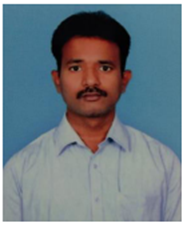
M. Rajendra Nath Babu is an Associate Professor in the
Department of Education at Nagaland University, Kohima Campus, Meriema, Nagaland, India. He is actively engaged in
teaching, research, and academic leadership in the field of education, with a
strong commitment to advancing pedagogical theory and practice in higher
education. His academic interests include teacher education, curriculum
development, educational psychology, and contemporary issues in teaching and
learning. As an educator and researcher, he contributes to the professional
development of future teachers through research-oriented instruction,
mentoring, and community engagement. He has participated in academic
conferences, research initiatives, and institutional activities that support
educational innovation and inclusive learning environments. Through his
scholarly work and teaching practice, M. Rajendra Nath Babu continues to
promote critical thinking, reflective pedagogy, and quality education,
contributing meaningfully to the growth of educational research and practice
within the Indian higher education context. |
|
|
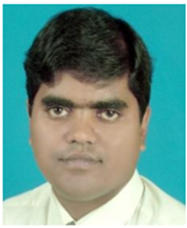
Dr. Tapu
Biswas is an
Assistant Professor at Rabindra Bharati University, India, with advanced
academic qualifications including M.A., M.Phil., Ph.D., and D.Litt. His
academic career reflects a strong commitment to teaching, research, and
scholarly excellence in the humanities. Dr. Biswas’s areas of interest
encompass literature, cultural studies, critical theory, and
interdisciplinary research, with a particular emphasis on Indian and
comparative literary traditions. He is actively involved in undergraduate and
postgraduate teaching, research supervision, and academic mentoring. His
scholarly contributions include research publications, conference
presentations, and participation in national and international academic
forums. With a focus on rigorous analysis and critical engagement, Dr. Biswas
continues to contribute to the advancement of literary studies and humanities
scholarship, fostering intellectual inquiry and academic growth within higher
education. |




|
|
 This work is licensed under a: Creative Commons Attribution 4.0 International License
© ShodhKosh 2025. All Rights Reserved.