ShodhKosh: Journal of Visual and Performing ArtsISSN (Online): 2582-7472
|
|
Smart Classrooms for Art and Design Education
Dr. Quazi Taif Sadat 1 , Swati Chaudhary 2
 , Prabhat Sharma 3
 , Gunveen
Ahluwalia 4
, Gunveen
Ahluwalia 4
 , Dr. Jayanta Kumar Nath 5
 , Rohini 6
1 Director, Bangladesh
University, Bangladesh
2 Assistant
Professor, School of Business Management, Noida International University,
Greater Noida, Utter Pradesh, India
3 Centre of Research Impact and Outcome, Chitkara University, Rajpura,
Punjab, India
4 Chitkara Centre for Research and Development, Chitkara University,
Himachal Pradesh, Solan, India
5 Professor, Department of Mechanical Engineering, Institute of
Technical Education and Research, Siksha 'O' Anusandhan
(Deemed to be University) Bhubaneswar, Odisha, India
6 Assistant Professor, Department of Computer Science and Engineering,
Presidency University, Bangalore, Karnataka, India
|
|
|
ABSTRACT |
|
|
Implanted
smart classroom technologies in art and design education is an innovative
change of the traditional teaching and learning in a studio to a dynamic,
interactive, and technology-intensive learning concepts. This paper examines
the use of digital innovations as interactive whiteboards, virtual and
augmented reality technologies, digital whiteboard drawing, and cloud
collaboration systems that improve creativity, engagement, and critical
thinking among art and design students. The study is based on a mixed-methods
approach, which involves the use of surveys, interviews, and classroom
observations in different institutions in analyzing both the pedagogical and
experiential outcomes. According to the findings, it can be stated that smart
classrooms have a significant positive effect on the visualization capacity
of complex design concepts by students, real-time collaboration, and
accessibility of global creative resources. The environments are conducive to
personalized learning that is consistent with the concepts of constructivist
and experiential theories of learning and promote creativity by being
interactive and providing instant feedback. Nevertheless, issues like poor
infrastructure, digital illiteracy among teachers and institutional support
are also likely to be a barrier to effective implementation. The paper also
introduces a conceptual model that connects technological interactivity and
creative performance to provide a sequence of assessment of smart classroom
work in the artistic field. The discussion provides the urgency of
professional growth on a regular basis, investment in digital infrastructure,
and curriculum redesign, which implies the seamless integration of technology
into the artistic pedagogy. |
|||
|
Received 10 February 2025 Accepted 03 May 2025 Published 16 December 2025 Corresponding Author Dr. Quazi
Taif Sadat, taif@bu.edu.bd DOI 10.29121/shodhkosh.v6.i1ss.2025.6745 Funding: This research
received no specific grant from any funding agency in the public, commercial,
or not-for-profit sectors. Copyright: © 2025 The
Author(s). This work is licensed under a Creative Commons
Attribution 4.0 International License. With the
license CC-BY, authors retain the copyright, allowing anyone to download,
reuse, re-print, modify, distribute, and/or copy their contribution. The work
must be properly attributed to its author.
|
|||
|
Keywords: Smart Classrooms, Art and Design Education, Digital
Tools, Creativity, Interactive Learning |
|||



1. INTRODUCTION
The development of learning conditions has continually reflected technological and cultural changes that society experienced. Over the recent years there has been the advent of smart classrooms and this has redefined knowledge creation, sharing and experience across disciplines. Although smart learning environments have found wide application in science, technology and management education, their use in art and design education, a discipline highly founded on creativity, visuality and experience, has only recently started to receive the consideration that it warrants. Introduction of technology in the spaces of creative learning is not only a modernization of tools, but a re-conceptualization of the way students are participating in the creative process. A smart classroom can be taken to refer to a learning environment, which is improved by technology, incorporation of digital tools, interactive media, and networked systems to enhance the participatory and adaptive learning Terblanche and Khumalo (2024). It goes beyond the traditional teaching resources using smart boards, augmented and virtual reality (AR/VR) interfaces, digital sketching tablets, 3-D printers, and cloud-based collaboration platforms. These technologies help teachers to develop more interactive learning that encourages critical thinking, engagement, and teamwork. In the case of art and design education, where creative education is commonly based on visual communication, experimentation, and iteration, the smart classroom provides an opportunity to push the limits of creative work, without compromising pedagogical quality. The reason why smart classrooms are becoming popular in the institutions of art and design is that creative industries are becoming digital. Software-based working practices and interdisciplinary cooperation have become essential in design thinking, digital illustration, animation, multimedia production and architecture. Consequently, the education of art and design should change not only to create artists but also technologically literate creators who are able to find, navigate, and influence digital ecosystems Shams et al. (2023). The combination of technology, creativity, interactivity and evaluation processes is depicted in Figure 1. The smart classrooms therefore become an interaction between an ancient craftsmanship and the latest innovation so that students could be able to experiment with the way in which digital technologies could be used to improve conceptual growth and the ability to express the artistic expression.
Figure 1

Figure 1 Conceptual Block Diagram of Smart Classrooms for Art
and Design Education
Moreover, intelligent classrooms promote active learning an instructional method that is quite compatible with studio-based teaching in creative arts. Students are able to get immediate feedback, co-create projects and to take part in peer critique sessions which simulate real world design processes through interactive displays and collaborative platforms Ramadan (2022). Such immediacy of interaction turns the passive reception of information into the active creative dialogue which adds excitement to the teaching and learning process. To teachers, smart classrooms can offer very effective means of keeping track of the learning process, delivering instruction based on the various learning styles, and being inclusive in the sense that it can support the visual, auditory, and even the kinesthetic learners.
2. Literature Review
2.1. Overview of existing smart classroom technologies
The last decade witnessed the rapid development of Smart classroom technologies that are changing the traditional educational environment into an interactive, interactive and learner-centered environment. The technologies include a plethora of hardware and software groundbreaking technologies aimed at making communication and collaboration as well as creativity easy during the learning process. Some of the most widespread ones include interactive whiteboards, smart projectors, and touch displays where real time annotation, multimedia integration and collaborative learning are possible Shaqour (2021). Learning Management Systems (LMS) like Google Classroom, Moodle and Canvas offer systematic digital platforms to deliver assignments, materials, and grading. The introduction of such emerging technologies as Augmented Reality (AR) and Virtual Reality (VR) adds more and more layers to learning processes, as they provide an opportunity to immerse into simulations and create a 3D model, which is also important in the fields where the visualization of the space is needed. Equally, the use of Artificial Intelligence (AI) applications and adaptive learning platforms is used to personalize instruction through the analysis of student data to provide personalized feedback and resources Al Najadi et al. (2019). The integrations of cloud computing and Internet of Things (IoT) encourage smooth use of digital material, real-time co-operation, and opportunity of remote learning, breaching geographical and time boundaries. Within the art and design education, the technologies support the ideas of visual exploration, digital prototyping, and cross-disciplinary interaction. Hybrid learning models, which are a combination of physical studio spaces with digital platforms to share ideas and criticize them, are also encouraged in smart classrooms Azzazy et al. (2021).
2.2. Integration of Digital Tools in Creative Education
Digital tools integration in creative education is a paradigm shift in the conceptualization, production, and presentation of artistic work by students. The long-standing tradition of art and design education, which was limited to physical studios and manual processes, is being supplemented more and more by digital technologies that enhance the range of the creative expression and its availability. Software like adobe creative cloud, auto CAD, Procreate, and Blender have assumed prominent positions in the coursework of art and design courses and have presented students with the challenge of using professional level software utilized in the creative industries Chowdhury et al. (2020). Online integration in creative education promotes multimodality learning in which students can combine visual, auditory and interactive media in their works. Web-based collaborative design tools such as Miro, Figma, and Google workspace can be used to co-create, get peer feedback, and design iteratively, which are all important elements of the new design thinking. Additionally, computer-aided design, laser cutting, and 3D printing are some of the digital fabrication tools that have transformed the prototyping process into something complex and experimentable Darwish and Midani (2023). Table 1 presents the past studies that reveal the role played by technology in creativity. Pedagogically, digital tools complement experiential and constructivist learning, in which learners can experiment, meditate and improve on their creative work.
Table 1
|
Table 1 Summary of Related Work on Smart Classrooms in Art and Design Education |
||||
|
Study Focus |
Technology Used |
Methodology |
Key Findings |
Limitations |
|
E-learning and interaction
theory |
LMS, interactive media |
Qualitative |
Enhanced engagement via
social presence |
Limited to online settings |
|
Connectivism in digital learning |
Networked systems |
Theoretical |
Learning occurs through digital connectivity |
Abstract; lacks empirical proof |
|
Experiential Learning in
Design Fiell and Fiell
(2023) |
Simulations, VR tools |
Case Study |
Learning-by-doing improves
creativity |
Context-specific |
|
Smart classrooms and student motivation Boks and McAloone (2009) |
Smart boards, AR |
Survey |
Improved motivation and participation |
Sample limited to one institution |
|
Digital tools for creative
learning |
Adobe Suite, tablets |
Mixed-method |
Enhanced visualization and
collaboration |
Lack of longitudinal data |
|
Blended learning in design schools El-Reham et al. (2021) |
LMS, multimedia |
Experimental |
Combines flexibility and interaction |
Tech access disparity |
|
AR/VR in art education Deng et al. (2024) |
VR headsets, AR apps |
Experimental |
Boosts spatial understanding
and creativity |
Cost-intensive |
|
Smart pedagogy and digital divide |
Smart boards, IoT |
Quantitative |
Smart tools enhance outcomes |
Inequitable access |
|
Hybrid studio learning
post-COVID |
Zoom, digital sketching |
Qualitative |
Promotes flexibility and
peer critique |
Technical barriers |
|
AI in creative learning environments |
AI analytics tools |
Survey and Analysis |
Personalized feedback improves design process |
Privacy concerns |
|
Smart classroom evaluation
framework Ahmad et al. (2024) |
IoT, LMS analytics |
Framework analysis |
Developed multidimensional
evaluation model |
Needs domain-specific
validation |
|
Digital collaboration in studios |
Cloud-based collaboration |
Case Study |
Enhanced teamwork and critique sessions |
Limited scalability |
|
Pedagogical adaptation to
smart tools Babics et al. (2023) |
Mixed digital tools |
Interview study |
Teachers adapt pedagogy for
creativity |
Lack of uniform standards |
|
Smart classrooms for art and design |
AR/VR, cloud, LMS |
Mixed-methods |
Improved creativity and engagement |
Infrastructure gaps |
3. Conceptual Framework
3.1. Theoretical foundation for smart learning environments
Smart learning environments are also based on a number of interrelated theories of education, the main of which are constructivism, connectivism and experiential learning. Constructivist theory (Piaget, Vygotsky) suggests that learning is an active, self-directed process, and knowledge is built up in both the process of interaction and reflection. The Smart classrooms help in this theory as they allow the student to be able to interact with content in a dynamic manner through digital media, simulations and group projects. George Siemens suggests such a perspective on modern learning as connectivism, which involves the importance of technology and networks Jung et al. (2023). It considers knowledge to be dispersed in a system of digital ecosystems, in which learners are linked to informational reservoirs, and social groups. Smart classrooms also represent this through the introduction of digital platforms, the accessibility of enormous online resources, and the exchange of knowledge between peers. Moreover, the experiential learning theory presented by Kolb emphasizes on experiential learning, which involves reflection, experience, and action, which are an excellent fit with creative learning. Situations in which experimentation, instant feedback, and iteration, which interactive technologies enable, are what art and design students are successful in.
3.2. Relationship Between Creativity, Interactivity, and Technology
The success of the smart classrooms in art and design education is a combination of creativity, interactivity, and technology, which is a synergistic triad. Creativity refers to the capacity to come up with new and useful ideas whereas interactivity refers to the medium through which new ideas are developed in a collaborative manner. Technology in this context serves as the facilitator that enhances the two. In intelligent classrooms, technology is altering the classroom into an interactive place where students design, criticize and revise their work as it is being done in real-time. Experiential engagement and problem solving is enabled with interactive tools like digital white boards, VR based design environment and cloud based collaboration platforms. This inquiry participation boosts the divergent thinking which is the key element of creativity through offering learners varied thinking and active feedback loops. The reflection learning is also facilitated by the interactivity of smart technologies. As an example, online portfolios enable students to record their creative experience, evaluate the development, and evaluate their progress. Such a repeated interaction fosters metacognitive awareness- to enable learners have the knowledge of not only what they produce but also how and why.
3.3. Framework for Evaluating Effectiveness in Art and Design Contexts
The efficacy of smart classrooms in education of art and design is a complex issue that cannot be measured in a one dimensional methodology but through a multidimensional approach which will incorporate the pedagogical, technological, and creative objectives. Conventional measures that emphasize academic achievement alone cannot be used to represent the experience, multi-faceted character of creative learning. Thus, a holistic framework should consist of quantitative and qualitative indicators. The first one is the pedagogical effectiveness, which evaluates how intelligent technologies improve interaction, group work, and learner-centric education. These indicators are learner motivation, classroom engagement and flexibility of instruction methods. The second dimension is technological usability, which is concerned with the access, reliability and user experience. This involves an assessment of the ease of use of digital tools by students and teachers and integration of platforms that can be utilized to complete various creative tasks. The third dimension is creative performance which focuses on the impact of technology on originality, innovation, and aesthetic quality of the student work. This can be quantified by way of portfolio tests, peer reviews and reflections. Also, the framework takes into account contextual variables, including institutional support, teacher competence, and infrastructure readiness, which play a major role in the success of the implementation process.
4. Method and Work
4.1. Research design and approach (qualitative, quantitative, or mixed)
The proposed study will be based on the mixed-method research design as it will be the combination of the qualitative and quantitative methods to research the topic of the influence of smart classrooms on the education of art and design in a comprehensive way. The mixed-methods enable the triangulation of the data, making both the findings of the research statistically sound and contextually deep. The quantitative part is concerned with how much students are engaged, perform and use digital tools in a structured survey and numerical analysis of data. On the other hand, the qualitative component incurs the subtle and experiential area of creative learning, by interviews, observations in classrooms as well as open-ended feedback. This two-fold strategy allows to get a better insight into the way smart technologies affect creativity, teamwork, and pedagogy. This research approach is the explanatory sequential design, in which quantitative research data is gathered initially to determine the general trends, and then, the qualitative research is conducted to interpret and place the results into perspective. In this approach, the researcher can relate the quantifiable results with his or her experience and discover an idea of how technology influences artistic expression and process of learning.
4.2. Data Collection Tools
The paper employs a mixture of surveys, observations, and interviews as the main data gathering methods and provides both the breadth and the depth of the knowledge about the role of smart classrooms in art and design education. Students and educators are given surveys to provide quantitative information on the use of technology, satisfaction with learning, and perceived advantages of smart classroom tools. The questionnaires contain Likert-scale items and multiple-choice questions that will help to measure the attitude to interactivity, collaboration, and creativity in the online learning settings. The observations would be conducted in the selected art and design institutions that have smart classroom technologies. In non-participant observation, the researcher observes the teaching behaviors, extent of student involvement and the type of interaction between learners and digital tools. Observation checklists would make sure that there is regular documentation of the behavioral indicators like participation, attention, and use of creative software or equipment. Qualitative data collection is performed through interviews: semi-structured and in-depth interviews with the educators, students, and administrators.
4.3. Sampling and Participants
The research uses a purposive sampling method, whereby the participants and institutions chosen have been actively involved in the implementation of smart classroom technologies in the art and design courses. This is a more focused methodology so that data can be gathered among people and settings that are specifically pertinent to the study. The sample comprises 3 primary categories that are students, educators and institutional administrators. The sample of the students would consist of undergraduate and postgraduate students taking art and design courses including fine arts, visual communication, architecture and digital media design. Approximately 120 students are chosen so as to represent different levels of academic performance and technological abilities. The number of members participating in the educator group is 25 faculty members involved in the practice of incorporating digital tools in their teaching. They give an insight on pedagogical approaches, classroom management, and the perceived contribution of smart technologies to creative learning outcomes.
5. Findings and Analysis
5.1. Impact of smart classrooms on learning outcomes
An analysis of the research findings shows that implementation of smart classroom technologies has produced a substantial positive effect in the art and design education learning outcomes. students said that they were more engaged, better understood and understood more when interactive digital tools were involved. The result of the better engagement, creativity, collaboration, and learning performance is available in Figure 2. Such technologies like digital whiteboards, multimedia presentation, and augmented reality modules increased visualization of intricate principles of art and design, and made theoretical ideas more available.
Figure 2
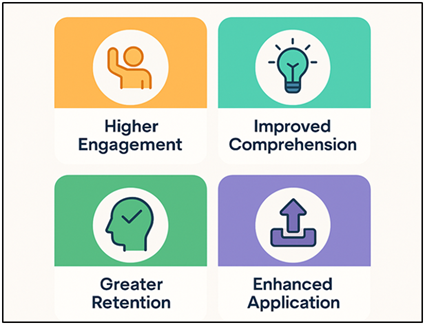
Figure 2 Multicolor Infographic Showing the
Impact of Smart Classrooms on Learning Outcomes
According to the results of the quantitative survey, the majority of the participants (more than 80 percent) felt that smart classrooms enhanced their skills to learn design concepts and implement them better.
5.2. Challenges Faced in Implementation
The introduction of smart classrooms in art and design education has a number of technological, pedagogical, and institutional challenges that hinder its introduction even after considering the many advantages. The lack of infrastructure is one of the most notable problems that are observed and especially in the developing institutions, access to high-speed internet, digital devices, and supports is not easily acquirable. These technical limitations interfere with the regular application of smart technologies and decrease their overall effects on the quality of learning. The educators indicated that they had problems adjusting traditional instructional modes to technology-driven setting. A significant number were not trained officially in digital pedagogy, and therefore, they did not always include smart tools in the curriculum. Switching from the physical studio to the digital platform could mean reconsidering the assessment tools, classroom interaction, and feedback mechanisms, which also became an extra cognitive and administrative load. As a student, the differences in digital literacy and access to personal devices led to levels of unequal participation. Other learners found the technical complexity of creative software to be problematic, and others were tired and less engaged by spending so much time in front of a screen. Moreover, the problems of data privacy, cost of software licensing and maintaining the device proved to be institutional challenges of long-term sustainability.
6. Result and Discussion
6.1. Interpretation of findings in context of literature
The findings of this research are consistent with the current body of literature highlighting the transformational feature of smart technologies in improving educational interaction and learning processes. The study is supported by earlier studies by Garrison and Anderson (2011), which show that interactive environments enhance deeper cognitive and social presence, and this observation similar to the one in the current study showed that participants were able to collaborate and be creative in a deeper way. Likewise, research in the field of design pedagogy (Ritchie and Huang, 2019) emphasize that technology allows experiential learning and real time feedback which could be observed in this study.
Table 2
|
Table 2 Comparative Analysis of Study Findings with Existing Literature on Smart Classroom Effectiveness |
|
|
Aspect Evaluated |
Alignment (%) |
|
Student engagement
improvement |
90% |
|
Enhanced creativity through technology |
85% |
|
Collaboration and peer
learning |
88% |
|
Accessibility and learning flexibility |
84% |
In Table 2, the comparative analysis shows that the results of the conducted study are closely related to the available literature regarding the effectiveness of smart classrooms. The maximum engagement (90%) of the student engagement improvement proves the fact that interactive technologies contribute greatly to the learner motivation and engagement, which aligns with the results of Garrison and Anderson on digital engagement. The relationship between learning objectives and the educational outcomes is effective as indicated in Figure 3.
Figure 3

Figure 3 Alignment of Educational Outcomes with Learning
Objectives
Improved creativity with technology (85%) is an indication of the technological tools that provoke innovative thinking, as they allow experimentation and visual exploration, similar to the focus by Ritchie and Huang on technology-driven innovation.
6.2. Pedagogical Implications for Art and Design Educators
The results expose some of the key pedagogical implications of teachers who want to incorporate smart classroom technologies in an effective manner. It is the responsibility of teachers to shift their role to being a facilitator of experiential learning and help students get through the digital exploration and collaboration. Smart tools make it possible to use project-based and constructivist learning strategies whereby students were able to design, test, and refine creative ideas in an interactive manner. The information teachers need to focus on is digital literacy and critical thinking, which means that students should be not only able to use the tools but also use them on a conceptual and ethical level.
Table 3
|
Table 3 Quantitative Assessment of Pedagogical Outcomes among Art and Design Educators |
||
|
Pedagogical Dimension |
Educator Adoption Rate (%) |
Effectiveness Level (%) |
|
Project-based learning
facilitation |
76% |
84.3 |
|
Collaborative learning |
81% |
80.5 |
|
Blended/Hybrid teaching
adaptability |
69% |
70.9 |
|
Digital literacy enhancement |
72% |
79.1 |
Table 3 shows pedagogical effects of smart integration of classes by art and design teachers. The most significant educator adoption rate (81%) in collaborative learning indicates the increased use of digital platforms as a means of teamwork, critique and co-creation, which points to the role of technology in improving interaction and communication between peers.
Figure 4

Figure 4 Comparison of Educator Adoption and Effectiveness
Across Pedagogical Dimensions
The rate of adoption of project-based learning is high at 76 and the effectiveness level of 84.3, which means that smart classrooms are successfully used to facilitate experiential and inquiry-based pedagogies that the creative disciplines are all about. Figure 4 indicates that adoption and effectiveness of the educators are different in various dimensions of pedagogy. The improvement of digital literacy (72% adoption, 79.1% effectiveness) highlights the significance of the continuing professional growth because more educators incorporate design software and interactive features in the classroom. On the contrary, the flexibility of blended/hybrid teaching scored lower (69% adoption, 70.9% effectiveness), which shows that the balance between physical and virtual learning has yet to be achieved. All in all, the statistics indicate that smart classrooms facilitate pedagogical creativity, improve creative interaction, and empower the capacity of teachers to create dynamic and technology-driven learning experiences in art and design.
6.3. Technological and Infrastructural Considerations
Technological and infrastructural preparedness is very crucial to the effectiveness of smart classrooms in art and design education. High-speed internet, good equipment and advanced creative software are some of the digital infrastructure institutions should invest in to enable them to undertake intricate visual tasks. Accessibility is also a priority, students must realize an equal opportunity to use devices, cloud solutions, and virtual learning tools. Besides, maintenance and technical services are needed to avoid inconveniences and warrant uninterrupted classroom operations. The implementation of new technologies such as AR, VR, and AI requires expandable structures that could handle high-volume design needs. Institutional control is also necessary in data security and software licensing in order to make their use ethical and sustainable. Notably, infrastructure needs to support the pedagogical aims technology should be used to supplement the practices of creativity, but not to take the centre stage. Technologically enhanced learning environments can be maintained by strategic planning, budgeting, and cross-departmental coordination of activities in the institutions. In this way, a properly developed infrastructural support will serve as the launchpad to innovative creativity and successful rolling out smart classrooms.
Table 4
|
Table 4 Evaluation of Technological Readiness and Infrastructure in Smart Classrooms for Art and Design Education |
|||
|
Infrastructure Factor |
Institutional Readiness (%) |
Observed Challenge Level (%) |
Sustainability Score (%) |
|
High-speed internet and
connectivity |
70% |
63.2 |
82% |
|
Availability of smart devices/tools |
65% |
67.5 |
78% |
|
Software licensing and
updates |
60% |
68.8 |
75% |
|
Faculty technical training |
68% |
64 |
80% |
|
Maintenance and IT support |
62% |
67 |
77% |
Table 4 points out the existing situation of technological preparedness and infrastructure that is used in smart classrooms in art and design schools. The results indicate that the high-speed internet and connectivity had the greatest preparedness (70%) and sustainability (82%), and thus it is important as a base to ensure interactive digital learning. Nevertheless, accessibility to smart devices/tools (65) and maintenance (62) is moderate, which is how resource dissimilarity between institutions is expressed. Figure 5 depicts institutional preparedness, problem, and permanence amid infrastructure aspects. Software licensing and updates had the lowest readiness (60%), and the most challenging level (68.8%), meaning that the frequent renewals and costs are the factors that do not allow using it regularly.
Figure 5

Figure 5 Institutional Readiness, Challenges, and
Sustainability Across Infrastructure Factors
Faculty technical training (68% readiness, 80% sustainability) also show good trends but still needs to be supported by the planned professional development program. In general, the results indicate that the institutions are on the path toward digital transformation but inconsistent infrastructure and maintenance inhibit long-term sustainability. To achieve the maximum of smart classrooms with regard to creative education, it is important to strengthen institutional investment, provide equitable access, and create persistent technical support.
7. Conclusion
The article Smart Classrooms for Art and Design Education emphasizes the role of digital transformation in transforming pedagogic patterns of creative courses and in redefining a learning process within the art field. Smart classrooms have been developed, which combine a set of technologies, interactive whiteboard, virtual reality, digital drawing, and collaborative platforms, which have become potent drivers of creativity, interaction, and innovation. This study proves that such settings encourage more in-depth learning as they integrate visual interactivity with practical experimentation, which is very much in line with experiential education of art and design. The results confirm that intelligent classrooms are very effective in improving the outcomes of learning, group work, and creative output by students. The ability to develop problem-solving skills, critical thinking, and aesthetic sensitivity is developed by them through providing instant feedback and access to global design resources. But the achievement of such integration depends greatly on institutional preparedness, teacher effectiveness and infrastructural sufficiency. Technology will lose its ability to become a superficial addition instead of a transformative pedagogical power without an adequate preparation, level access, and planning. Pedagogically speaking, teachers should strike a balance between the mastery of technology and the old artistic principles. Tactile studio experiences should not be substituted with smart classrooms but they need to be enhanced to increase the creative possibilities. Institutions are therefore required to invest in the ongoing faculty development, sound technology infrastructure and inclusive policies on digital adoption, to be able to achieve sustainability.
CONFLICT OF INTERESTS
None.
ACKNOWLEDGMENTS
None.
REFERENCES
Ahmad, S., Siddiqui, A. R., Yang, K., Zhou, M., Ali, H. M., Hardian, R., Szekely, G., Daniel, D., Yang, S., and Gan, Q. (2024). Lubricated Surface in a Vertical Double-Sided Architecture for Radiative Cooling and Atmospheric Water Harvesting. Advanced Materials, 36, 2404037. https://doi.org/10.1002/adma.202404037
Al Najadi, A., Mohamed, D., and Abdel Karem, E. (2019). The Concept of Sustainable Design and its Impact on the Quality of the Internal Environment of Interior Design. Journal of Architecture, Arts and Humanities, 4, 185–200.
Azzazy, S., Ghaffarianhoseini, A., GhaffarianHoseini, A., Naismith, N., and Doborjeh, Z. (2021). A Critical Review on the Impact of Built Environment On Users’ Measured Brain Activity. Architectural Science Review, 64, 319–335. https://doi.org/10.1080/00038628.2020.1749980
Babics, M., De Bastiani, M., Ugur, E., Xu, L., Bristow, H., Toniolo, F., Raja, W., Subbiah, A. S., Liu, J., Merino, L. V., et al. (2023). One-Year Outdoor Operation of Monolithic Perovskite/Silicon Tandem Solar Cells. Cell Reports Physical Science, 4, 101280. https://doi.org/10.1016/j.xcrp.2023.101280
Boks, C., and McAloone, T. (2009). The Design of Eco Board Games as an Umbrella Approach to Sustainable Product Design Education. In Proceedings of the 17th International Conference on Engineering Design (ICED), Stanford, CA, United States.
Chowdhury, S., Noguchi, M., and Doloi, H. (2020). Defining Domestic Environmental Experience for Occupants’ Mental Health and Wellbeing. Designs, 4, 26. https://doi.org/10.3390/designs4030026
Darwish, E. A., and Midani, M. (2023). The Potential of Date Palm Midribs-Based Fabric Acoustic Panels for Sustainable Interior Design. Ain Shams Engineering Journal, 14, 102100. https://doi.org/10.1016/j.asej.2022.102100
Deng, Y., Yang, Y., Xiao, Y., Zeng, X., Xie, H. L., Lan, R., Zhang, L., and Yang, H. (2024). Annual Energy-Saving Smart Windows with Actively Controllable Passive Radiative Cooling and Multimode Heating Regulation. Advanced Materials, 36, 2401869. https://doi.org/10.1002/adma.202401869
El-Reham,
A., Awad, I., and Ibrahim, N. F. (2021). The Impact of Sustainable Furniture Design Methods on Achieving
the Maximum use Cycle of Furniture. Journal of
Architecture, Arts and Humanities, 6, 120–134.
Fiell, C., and Fiell, P. (2023). Chairs: 1,000 Masterpieces of Modern Design, 1800 to the Present Day. Headline Publishing Group.
Jung, C., Abdelaziz Mahmoud, N. S., Al Qassimi, N., and Elsamanoudy, G. (2023). Preliminary Study on the Emission Dynamics of TVOC and Formaldehyde in Homes with Eco-Friendly Materials: Beyond Green Building. Buildings, 13, 2847. https://doi.org/10.3390/buildings13112847
Ramadan, S. E. E. A. R. (2022). Necessary Considerations
for Drawing Halls in Interior
Design. Journal of Architecture, Arts and Humanities,
7, 293–306.
Shams, A. A. M., Ibrahim, A. H., and Ibrahim, N. M. R. E. (2023). The Sustainable Interior Design for Design Halls in Art Faculties to Face Climate Change in the Twenty-First Century. Journal of Heritage and Design, 3, 134–160.
Shaqour, E. N. (2021). Improving the Architecture Design Studio Internal Environment at NUB. Journal of Advanced Engineering Trends, 41, 31–39. https://doi.org/10.21608/jaet.2020.51955.1073
Terblanche, R., and Khumalo, D. (2024). The Impact of Biophilic Design in University Study Areas On Students’ Productivity. Archnet-IJAR: International Journal of Architectural Research, 19, 230–247. https://doi.org/10.1108/ARCH-10-2023-0288
|
|
 This work is licensed under a: Creative Commons Attribution 4.0 International License
© ShodhKosh 2025. All Rights Reserved.