ShodhKosh: Journal of Visual and Performing ArtsISSN (Online): 2582-7472
|
|
|
Special
Issue on Reimagining Visual Arts, Media, and Cultural Pedagogy in the Age of
Artificial Intelligence Dr.
Kumkum Bharadwaj 1 1 Professor (HOD) in Fine Arts, Maharani Laxmibai Girls P.G. College,
Indore, India 2 Professor and Head, Department of English, Periyar
University Centre for Pg and Research Studies, India 3 Professor of English, Department of Humanities and Basic Science,
Sri Venkatesa Perumal College of Engineering and Technology, RVS Nagar, KN
Road, Puttur, Tirupati District, Andhra Pradesh, India 4Associate Professor
in Sociology and Dean (Academic), NIT, Dimapur, Nagaland, India 5 Assistant Professor and Head Department of English Government Arts and
Science College, Manapparai, India |
|
|
|


Dear Readers and Contributors,
It gives me immense pleasure to present this special issue of ShodhKosh: Journal of Visual and Performing Arts (E-ISSN 2582-7472), titled Reimagining Visual Arts, Media, and Cultural Pedagogy in the Age of Artificial Intelligence. As artificial intelligence reshapes contemporary creative practices, this special edition invites educators, researchers, practitioners, and cultural leaders to critically examine how AI is redefining artistic production, educational methodologies, heritage preservation, and institutional management across the visual and performing arts.
In recent years, AI has evolved from a technological tool into a profound cultural and pedagogical mediator. The selected papers in this issue reflect this transition with remarkable depth and interdisciplinary insight. They explore a wide range of themes—from AI-driven digital storytelling, generative art, and neural aesthetics to folk art preservation, digital twins in sculpture education, diffusion-model photography, and AI-enabled museum interactivity. Several contributions address pressing ethical and managerial concerns, including the governance of AI-generated artworks, deepfake risks, and the institutional challenges of integrating AI into academic and cultural ecosystems.
A recurring emphasis across the submissions is the need to balance innovation with responsibility. Many authors foreground the pedagogical implications of AI: its potential to enrich learning environments, transform assessment methods, support creative talent identification, and expand access to cultural knowledge. Equally compelling are the studies that highlight AI’s role in sustainable art production, cloud-based creative management, virtual performances, interactive installations, and data-informed decision-making in media and art institutions.
Submissions opened on 10 January 2025 and closed on 25 March 2025, attracting a substantial number of manuscripts from scholars and practitioners representing diverse domains—visual arts, performing arts, digital media, heritage studies, folk culture, sound design, design technology, and creative management. Each accepted paper underwent rigorous peer review to ensure the highest academic and ethical standards, resulting in a curated selection that reflects both the promise and complexity of AI in contemporary artistic practice.
I extend my heartfelt gratitude to the contributors for their scholarly rigor, to our reviewers for their thoughtful evaluations, and to Granthaalayah Publications for their continued support in strengthening research dissemination in the arts and humanities. The breadth and quality of work featured in this issue affirm our collective commitment to understanding AI not merely as a technological force but as a transformative agent influencing culture, creativity, and education.
As you explore the articles in this special issue, I hope they inspire critical reflection, informed dialogue, and new directions for research and practice. May this volume contribute meaningfully to the evolving discourse on how artificial intelligence is shaping the future of art, media, and cultural pedagogy.
Sincerely,
|
|
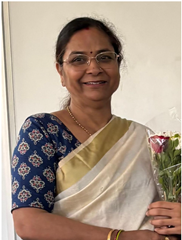
Dr. Kumkum Bharadwaj is a renowned academic and artist,
serving as Professor and Head of the Department of Drawing and Painting at
Maharani Lakshmi Bai Government Girls College, Indore, Madhya Pradesh. With
decades of teaching and research experience, she has established herself as a
leading authority in visual and performing arts. Her scholarship emphasizes
the fundamentals of artistic expression, particularly the role of line and
shape as the foundation of communication in art. Dr. Bharadwaj’s research, including
her article Fundamentals of Art with Special Reference to Line and Shape
published in ShodhKosh, reflects her
commitment to bridging traditional Indian aesthetics with contemporary
perspectives. She has also authored books such as Handicraft and Handloom,
which highlight her interdisciplinary approach and dedication to preserving
India’s cultural heritage. Through her teaching, publications, and
leadership, she continues to inspire students and practitioners to engage deeply
with the essence of visual expression. |
|
|
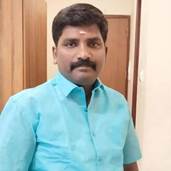
Dr. C. Govindaraj serves as Associate Professor in the Department of English at Periyar University, Salem. He holds degrees spanning B.A., M.A., M.Phil, and Ph.D. in English, earned from leading institutions across Tamil Nadu. Beginning his career in 2005 as a lecturer at Sri Vidya Mandir College, Uthangarai, he advanced through roles of Assistant Professor and Head before joining Periyar University PG Extension Centre, Dharmapuri, where he later became Head in-charge. His academic interests include American Literature, African American Literature, and Subaltern Studies. Over the years, he has guided numerous M.Phil and Ph.D. scholars, producing more than 30 dissertations and theses. Dr. Govindaraj has published widely on themes such as gender inequality, immigrant identity, cultural translation, and literary politics. Recognized for his contributions, he has received awards from GMRAF, Cape Comorin Trust, and the Indian Red Cross Society, reflecting his dedication to teaching, research, and service. |
|
|
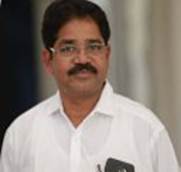
Dr. R. Devarajulu
Reddy is Professor
of English in the Department of Humanities and Basic Science at Sri Venkatesa
Perumal College of Engineering & Technology, Puttur, Tirupati District,
Andhra Pradesh. With a career dedicated to English Language Teaching (ELT)
and literature, he has contributed significantly to both pedagogy and
research. His Google Scholar profile highlights diverse publications
addressing challenges in teaching English communication skills to engineering
students, pragmatic approaches to language learning, and the integration of
soft skills into higher education. He has also explored literary analysis,
cultural studies, and technical communication, reflecting his
interdisciplinary expertise. Dr. Reddy’s research spans topics
such as ESL difficulties in rural contexts, communicative approaches in
language teaching, and the role of printed materials in reflection and
teacher education. His work has been cited in national and international journals,
underscoring his impact on English studies and engineering education. |
|
|
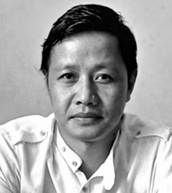
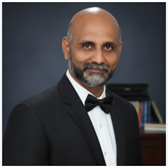
Dr. A. Wati Walling is Associate Professor in Sociology
and Dean (Academic) at the National Institute of Technology (NIT), Nagaland,
Dimapur. He earned his Ph.D. from IIT Bombay in 2011 and an M.Phil from the University of
Hyderabad in 2006, building a strong foundation in sociological research.
Since joining NIT Nagaland in 2013, he has advanced from Assistant Professor
to Associate Professor, contributing significantly to teaching, research, and
academic leadership. His expertise spans cultural studies, religion and culture, political ecology, tribal studies, corruption, and conflict studies. Dr. Walling has guided doctoral theses on social inequalities, schooling, women’s resistance in electoral politics, and civic spaces in Nagaland, reflecting his deep engagement with issues of identity, power, and social change. He has also led ICSSR‑funded projects on traditional healing practices and customary beliefs in Nagaland, underscoring his commitment to community‑based research. |
|
|
Dr. A. Noble Jebakumar, M.A., M.Phil., Ph.D., is Assistant
Professor and Head of the Department of English at Government Arts and
Science College, Manapparai, India. With over 21
years of teaching experience, he is recognized as a dedicated educator,
speaker, and language skill trainer. He began his career at Thanthai Periyar Government
Arts and Science College, Tiruchirappalli, where he also served as NSS
Programme Officer and CSR coordinator, before being deputed to Manapparai. His academic and research interests
span Indian English Literature, English Language Teaching (ELT),
Philosophical and Historical Literature, Literary Criticism, and
Communication Skills. Dr. Jebakumar has contributed
to curriculum design, syllabus development, and technology‑enhanced
instruction, while mentoring students and research scholars in scientific
approaches to language and literature. He has published several articles,
presented papers at national and international conferences, and served as a
resource person. Passionate about soft skills training, he continues to
inspire learners through innovative teaching and literary engagement. |
|
|
 This work is licensed under a: Creative Commons Attribution 4.0 International License
© ShodhKosh 2024. All Rights Reserved.