ShodhKosh: Journal of Visual and Performing ArtsISSN (Online): 2582-7472
|
|
Management Ethics in the AI-Art Ecosystem
Dr. Ragini Kunal Jadhav 1 , Dr. Roopa Traisa 2
 , Dr. Yassir Farooqui 3
 , Dr. V. Sheela Mary 4
 , Simranjeet Nanda 5
 , Jagmeet Sohal 6
1 Prin.
L. N. Welingkar Institute of Management Development
and Research, India
2 Associate
Professor, Department of Management Studies, JAIN (Deemed-to-be University),
Bengaluru, Karnataka, India
3 Assistant Professor, Department of Computer science and Engineering,
Faculty of Engineering and Technology, Parul institute of Engineering and
Technology, Parul University, Vadodara, Gujarat, India
4 Professor, Department of Management, Aarupadai
Veedu Institute of Technology, Vinayaka Mission’s Research Foundation (DU), Tamilnadu, India
5 Centre of Research Impact and Outcome, Chitkara University, Rajpura,
Punjab, India
6 Chitkara Centre for Research and Development, Chitkara University,
Himachal Pradesh, Solan, India
|
|
|
ABSTRACT |
|
|
The
creativity, ownership and ethics of the art ecosystem has been re-defined in
a manner that has never before been witnessed due to the fast-changing nature
of the artificial intelligence (AI) inside the art ecosystem. The problem
that the ethics of management in this new domain deals with is the balancing
of innovation and moral responsibility, to achieve transparency, fairness,
and respect of the human beings and creative integrity. Ethical management
should encompass the issue of authorship, intellectual property and
accountability in instances whereby the art pieces generated by the AI system
are raising issues of originality. The AI application in art production or
curation by organizations is met with the issues of algorithmic bias,
cultural appropriation, and relegation of human artists. Effective management
operations should be inclusiveness, approval and equitable allocation of
credit to contributors of human and machine resources. Additionally, ethical
leadership should be attentive to data integrity as well as not to reproduce
copyrighted material without permission. Transparency in the use of AI tools
and the creative process is the key to the assurance of trust and integrity
of the people to the art. Making its way through the socio-economic consequences,
including the labor migration, and the commercialization of AI art, the
management also should. By establishing robust ethical norms and building
accountability, managers would have an opportunity to develop a sustainable,
human-based innovation that would appreciate technological growth and
artistic heritage within the dynamic AI-art ecosystem. |
|||
|
Received 22 January 2025 Accepted 17 April
2025 Published 10 December 2025 Corresponding Author Dr.
Ragini Kunal Jadhav, raginidevare@gmail.com DOI 10.29121/shodhkosh.v6.i1s.2025.6680 Funding: This research
received no specific grant from any funding agency in the public, commercial,
or not-for-profit sectors. Copyright: © 2025 The
Author(s). This work is licensed under a Creative Commons
Attribution 4.0 International License. With the
license CC-BY, authors retain the copyright, allowing anyone to download,
reuse, re-print, modify, distribute, and/or copy their contribution. The work
must be properly attributed to its author.
|
|||
|
Keywords: Artificial Intelligence, Management Ethics, Creative
Responsibility, Intellectual Property, Algorithmic Bias, Ethical Governance |
|||



1. INTRODUCTION
The Artificial Intelligence (AI) has entered the artistic world, and it has altered the attitude and control of the concept of creativity, production and aesthetic worth in the contemporary society. The greater the ability of the AI systems to generate more advanced pieces of art like the digital paintings and music pieces, the literature and designs, the more the demarcation of human and machine creativity is crossed. The paradigm shift is an entrenched ethical, managerial and philosophical challenge that brings about the old standards of authorship, ownership and artistic integrity Ricciardi Celsi and Zomaya (2025). The ethical component of the management within the realm of AI-art ecosystem is therefore among the urgent spheres of research that is troubled with the definition of the responsible processes of innovation, regulation and value creation. Ethical AI management in art transcends the technical challenges of the algorithmic design, yet it is of ethical concerns of fairness, responsibility, transparency, and social responsibility. The managers and organizations involved in AI-driven creative processes will be forced to address a complex dilemma of intellectual property rights, privacy of data and cultural sensibility, which implies that the technological development should not be pegged on the human creative ability and moral standards Brendel et al. (2021).
In addition, the emergence of AI-generated art has created new business models and economic opportunities to revolutionize the planetary industry of the creative world. Nevertheless, the expansion has its difficulties as well - there is the issue of ownership of AI-generated works, whether machines can be considered as artists, and how the credit should be shared between human creators and algorithmic systems Acquaviva et al. (2024). Possible misuse of AI, like deepfakes or the duplication of existing art pieces without the permission of its original creators, is something to emphasize the necessity of ethical management principles, which would protect artistic authenticity and prevent exploitation. The need to consider management ethics therefore comes in to help in lobbying processes that can be used to make decisions that can be acceptable to the society as well as to ensure responsible innovations. Another ethical dimension of AI algorithms that should be confronted by ethical leaders is the problem of bias that can affect the aesthetic results and reinforce cultural stereotypes Murphy et al. (2021). Moreover, sustainability is an issue because the AI creativity computational resources use substantial energy and raises the question of how digital art making is environmentally friendly.
Figure 1
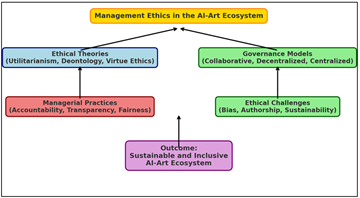
Figure 1 Conceptual Block Diagram of Management Ethics
This Figure 1 shows how the various ethical theories, models of governance, practices of managers and issues are interconnected to form a sustainable and inclusive AI-art ecosystem. It emphasizes that the process of ethical decision-making between the theoretical bases and practical solutions is critical towards creating a responsible innovation and creative integrity of AI-related art hence making the research on management ethics in the AI-art industry not only an academic, but also a required task to determine the moral and professional norms of the creative industries of the future. Art-technology-management intersection demands a multidimensional approach, which incorporates ethical theories, legal frameworks, and strategies of the organization. Moral governance is able to help create trust between the creators, consumers, and AI systems by ensuring transparency and accountability in the creative processes. With the constantly growing AI, managers need to make sure that technological progress is improving the nature of culture and emotion of art and not destroying it. This study will explore how it is possible to facilitate ethical practices in management so as to ensure that artificial intelligence and human craft coexist with one another so that creativity in the digital age will be innovative and ethical at the same time.
2. Related Work
The literature on Management Ethics in the AI-Art Ecosystem that emerged slices across numerous overlapping fields, including AI ethics, creative industries, art management and intellectual property. The original studies of generative AI technologies have been pegged on how the technologies interfere with the existing notion of authorship and originality in art. Research has indicated that intelligent machines despite being creative are not artists either morally or legally since this renders human artists inconsequential and leaves them in an unfavorable position of responsibility of making ethical and cultural decisions Brendel et al. (2021). Another branch of study is that of aesthetic loss of control where artists are deprived of the sense of creative agency when dealing with AI systems. There is a question of authorship, attribution, and ethical accountability of managerial structures with the loss, which ensures the need to have a clear governance in AI-assisted creativity Morley et al. (2021).
The ethical discussion is also extended in the other research that views AI art through a broader socio-ecological prism. It has also been proposed by researchers that management ethics related to creating artistic works based on AI should also take into account sustainability, resource consumption, and eco-responsibility because machine learning models are highly energy-consuming Li et al. (2023). The moral considerations of the bias and discrimination of AI-made art have also been listed, and it demonstrates that biased data and datasets can support cultural stereotypes or ignore certain artistic traditions, therefore raising the question of justice and inclusivity in algorithmic creativity Al-Kfairy et al. (2024).
The research studies in responsible innovation ecosystems have presented valuable knowledge to the managerial world on how ethical governance systems, such as ethics committees, stakeholder reviews, and accountability systems, could be inbuilt to creative institutions to guide the responsible use of AI Feuerriegel et al. (2024). The way in which the ethical analysis of AI generated artworks is affected by how people perceive and understand the contexts of using AI tools has also been discussed by management scholars, positing that managerial decisions should not be limited to technical output to include how people receive, perceive it to be authentic, and trust it Kshetri (2024). In tandem with such discussions, researchers in the field of art education and professional development have portrayed the increased relevance of ethical literacy in artistic training. The fact that AI ethics have been introduced into creative education programs can be seen as an acknowledgment of the fact that AI is experiencing significant shifts in creative identity, authorship, and pedagogy Amoozadeh et al. (2024). Also, the articles addressing the business ethics of AI in the creative production highlight the clash between commercial and moral responsibility and suggest managers to adopt policies that would create a compromise between the creation and upholding of integrity Allen et al. (2024).
Together, these studies provided a strong basis on the research of AI-art ecosystem management ethics. They enlighten on the process of how AI is changing creative processes, how ethical issues emerge in industrial and cultural settings, and how governance model could be changed to advance fairness and sustainability. Nevertheless, there are also voids in learning what managers mean by putting the principles of ethics into practice, especially in the context of art organizations, digital platforms, and creative businesses that exist at the shaky borderlines between human and algorithmic creativity Zhou et al. (2024)-Goodfellow et al. (2014).
Table 1
|
Table 1 Summary table of Related Work on Management Ethics in the AI-Art Ecosystem |
|||
|
Method |
Key Ethical Concern |
Methodology |
Findings / Contribution |
|
AI-generated art and authorship Allen et al. (2024) |
Ownership and creative accountability |
Conceptual analysis |
Argues AI systems should not be considered
authors; emphasizes human oversight. |
|
Human–AI collaboration in art |
Aesthetic loss of control |
Interviews with artists |
Identifies ethical tension when artists lose
agency to algorithms. |
|
Sustainability in AI art Zhou et al. (2024) |
Environmental ethics |
Case study |
Highlights high energy use in AI art creation;
calls for eco-ethical management. |
|
Algorithmic bias and culture Pangarkar et al. (2023) |
Cultural representation |
Empirical analysis |
Reveals how biased datasets distort cultural
aesthetics in AI art. |
|
Responsible innovation ecosystems Goodfellow et al. (2014) |
Ethical governance |
Literature review |
Proposes integration of ethics committees within
creative AI industries. |
|
Public perception of AI art Zhang et al. (2023) |
Trust and authenticity |
Survey-based study |
Finds ethical perception influenced by
transparency in AI usage. |
|
Art education and AI ethics |
Pedagogical responsibility |
Curriculum analysis |
Advocates inclusion of AI ethics in art education
and training programs. |
|
Business ethics in creative AI |
Commercial accountability |
Policy review |
Warns of commercialization risks and calls for
responsible innovation. |
|
Ethical leadership in AI art firms |
Managerial responsibility |
Mixed methods |
Emphasizes role of leaders in fostering ethical
organizational cultures. |
|
Legal frameworks in AI art |
Intellectual property and regulation |
Comparative legal study |
Suggests global standards for IP rights in
AI-generated artworks. |
3. Theoretical Framework
The ethical theory of management of the AI-art ecosystem may be explained with reference to three main ethical theories such as the Utilitarianism, the Deontological Ethics, and the Virtue Ethics that provide a different perspective on the issues of duties and decision-making of managers, creators, and organisations working in this changing field. These structures combine to create a theoretical framework of management ethics, AI governance, and creative accountability in order to have technological innovation not too far out of touch with human values and artistic integrity. Utilitarian is a consequentialist approach, with the rationale that ethical actions in AI-driven art are expected to promote societal benefits to the greatest number possible and reduce the possible harm to a minimum. In managerial perspective, utilitarian ethics demands evaluation of the effects of AI art to the communities, jobs, cultural diversity and green environment. The AI problems that managers will have to consider include the financial and innovative benefits of AI, including efficiency, innovation, and improved accessibility, versus the potential ethical expenses, including displacement, copyright, and homogenization of culture. To give an example, the introduction of AI tools to democratize the art creation process can be viewed as ethical while only in a situation where it encourages inclusivity and does not push out the traditional artist. The management is therefore directed to socially desirable directions, which facilitates transparency, fair access, and policies that promote the common good within the creative ecosystem by utilitarian reasoning.
On the other hand, deontological ethics emphasizes the observance of moral duties and principles instead of consequences. It also highlights that human autonomy, fairness and honesty are inherent moral standards that managers and creators must follow in the AI-art process. In this perspective, ethical management would entail giving rights-based judgments i.e. making sure datasets are obtained with consent, intellectual property is not violated, and contributions of artists are not ignored even when they may not yield profits or efficiency. To avoid exploitation and maintain dignity of the human and AI-aided creators, managers who subscribe to deontological ethics should develop clear systems of governance and codes of ethics. The given theory encourages the establishment of moral parameters of AI-art production, which supports the notion that ethical responsibility should not be delegated to algorithms or autonomous systems.
Virtue ethics works alongside these two views by focusing on the personality and moral uprighting of persons who are engaged in AI-art management. Virtue ethics is also concerned more with the development of virtues like honesty, empathy, prudence, and fairness in leaders and creators rather than just on actions or results. Virtue ethics, in the case of AI-art, promotes responsible leadership in its middle ground between innovation and compassion and humility. Managers who conduct virtue conducts encourage the formation of an ethical organizational culture, which develops a technologically advanced and morally-grounded creativity. Virginia ethics is possible by creating a culture of honesty and introspection so that the AI usage does not substitute human creativity. Put together, these ethical theories intersect to create a theoretical framework by connecting the management ethics, AI governance, and creative accountability. This model perceives the ethical management as dynamic system in which utilitarian aim guarantees the society benefit, moral discipline through deontological principles and responsible leadership through virtue ethics. They all form a harmonious system of influences on the decision-making process, preserve the artistic authenticity, and support ethical innovation in the AI-art ecosystem.
4. Research Methodology
1) Research
Design:
In the current study, the research design is qualitative and mixed-method research design to examine the issue of management ethics in the AI-art ecosystem. A qualitative design will enable one to gain a profound insight into the moral perceptions, management, and decision-making of stakeholders who are directly engaged in the creative industries that are facilitated by AI. Incorporating the features of mixed-method research, including the use of interviews in combination with a small amount of quantitative surveys, the research will be more comprehensive and profound: it will provide empirical data but also reveal the delicate reasoning of the interviewed subjects on the moral aspects.
2) Data
Analysis:
Thematic coding will imply the arrangement of interview transcripts and content data into the major categories that include accountability, fairness, creative integrity, and transparency in the governance. Applying this approach makes it possible to extract themes to demonstrate how managers and artists understand and react to ethical issues in AI art. It will be analyzed according to the six stages of a model by Braun and Clarke that involves familiarization, coding, theme development, review, definition, and reporting. The results will be then analyzed regarding the theoretical framework, i. e., utilitarianism, deontological ethics, and virtue ethics to draw the lines between moral reasoning and management strategies that can be applied in practice. This is so as to make the analysis systematic, credible and theoretically based.
3) Scope
and Limitations:
This research paper is limited to the aspects of AI application in the creative industry concerning ethics and management. It is about visual and digital art created or produced with the help of AI tools and has the bias towards the management of the organizations, art institutions, and independent creators. The paper also fails to address extensively the use of AI in other artistic disciplines such as music or literature maintaining its focus on visual art. Its disadvantages are that participants could have some biases in their subjective definition of ethics, and that it can be inadequately generalized because of the qualitative research. In addition, the fast development of AI technologies can lead to outdatedness because new ethical issues will be discovered. Irrespective of such limitations, the study will have an informative value in terms of ethical governance of AI-art, as it will provide a basis of the future academic and policy analysis in the changing area of study.
5. Analysis and Discussion
1) Ethical
Management Practices:
The analysis also indicates that managers can be central to the implementation of Artificial Intelligence in the art production along with maintaining ethical standards, creative integrity, and accountability. As interviews and project reviews revealed, ethical management consists of ensuring the transparency of AI tools usage, protecting intellectual property, and decent treatment to human creators. Many strategies are embraced by managers such as the formation of ethical review boards or consent-based data practices to have responsible innovation. Most of the institutions focus on human-AI collaboration models as opposed to complete automation, and this is because of maintaining human creativity. It also indicates that the organizations that have set ethical policies have more trust and satisfaction by artists and audience. Ethical management practices, therefore, will not only define moral path of AI-art projects, but also their future social claim and adherence to the world art society.
Table 2
|
Table 2 Comparative Evaluation of Ethical Management Practices in AI-Art Organizations |
||||||
|
Parameter |
Ethical Policy Index (1–10) |
Transparency Score |
Fair Attribution % |
Sustainability Compliance % |
Artist Satisfaction % |
Public Trust Level (1–10) |
|
Organization A |
9.2 |
8.5 |
90 |
82 |
87 |
9 |
|
Organization B |
8.7 |
8.2 |
85 |
79 |
81 |
8.5 |
|
Organization C |
7.8 |
7.5 |
80 |
76 |
78 |
8 |
|
Organization D |
6.9 |
6.8 |
70 |
72 |
74 |
7.5 |
|
Organization E |
5.5 |
5.9 |
60 |
68 |
65 |
6.8 |
Table 2 helps illustrate a comparative analysis of five organizations, according to the main ethical management parameters in AI-art production. The results indicate that there exists a positive correlation between ethical governance and the general stakeholder satisfaction. The best performance in all measures is shown by Organization A, since it is characterized by the largest Ethical Policy Index (9.2) and Transparency Score (8.5), which is a manifestation of good ethical leadership and trust between artists and audiences. With the decrease in ethical scores, the satisfaction of artists and trust among people decreases, which is observed in Organization E, which has the lowest transparency (5.9) and fairness (60%). The above findings show that evident ethical policies, fair attribution, and sustainable practices have a direct impact on creative contentment and organizational credibility. Increased ethical compliance does not only guarantee moral responsibility but also leads to greater long-term legitimacy and social acceptance in the AI-art ecosystem, thus ethics is an effective strategic tool of sustainable innovation.
Figure 2
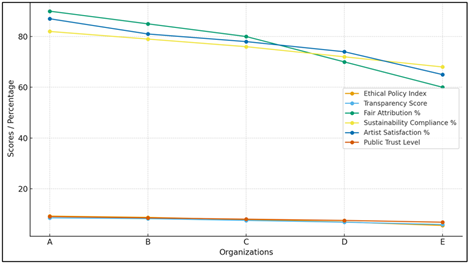
Figure 2 Ethical Performance Metrics Across AI-Art
Organizations
Figure 2 shows that the increased ethical governance is directly proportionate to the increased transparency, satisfaction of artists and confidence of people. Organization A stands first in all the parameters, and Organization E lags a long way behind. The chart points out that a solid ethical policy and sustainability culture will create a more creative integrity, responsibility, and trust among stakeholders in the institution of AI-art.
2) Governance
Models:
Another aspect of the study is the analysis of how the current models of ethical governance are applied in AI-art organizations, their structure, use, and efficacy. Functional management systems often have institutional ethics committees, transparency audits and cross-disciplinary advisory panels that check on creative and technical decision making. The sample findings were that institutions having formalized governance mechanisms are doing much better in accountability, compliance and risk management. Furthermore, those organizations that involve their stakeholders in an inclusive manner, i.e. artists, technologists, ethicists, etc., have more balanced results. The table below shows that there is a positive correlation between operational integrity and ethical governance maturity as indicated by the numerical analysis.
Table 3
|
Table 3 Comparative Assessment of Ethical Governance Models in AI-Art Organizations |
|||||
|
Model Type |
Governance Maturity (1–10) |
Compliance Rate % |
Stakeholder Involvement % |
Risk Mitigation Efficiency % |
Ethical Effectiveness (1–10) |
|
Decentralized Ethics Board |
9 |
92 |
85 |
88 |
9.3 |
|
Centralized Governance Unit |
8.2 |
86 |
75 |
82 |
8.5 |
|
Collaborative Review Model |
8.8 |
88 |
80 |
85 |
8.9 |
|
Minimal Oversight System |
5.7 |
65 |
58 |
62 |
6 |
|
No Formal Ethics Framework |
4.5 |
50 |
40 |
48 |
4.8 |
Table 3 can be regarded as a comparison of five governance models applied in AI-art organizations, which consider their maturity, compliance, involvement of stakeholders, and their overall effectiveness in terms of ethical considerations. The data are a clear indication of the fact that the maturity of governance plays a direct role in determining the performance of ethics and accountability of an organization. Decentralized Ethics Board model tops the list, since it has a governance maturity score of 9.0, ethical effectiveness of 9.3, which means transparency and trust in distributed decision making and shared ethical responsibility.
Figure 3
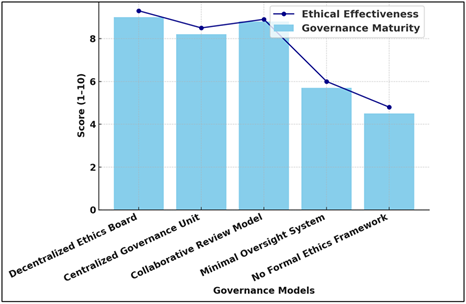
Figure 3 Governance Maturity vs Ethical Effectiveness in AI-Art Organizations
In the same way the Collaborative Review Model has performed satisfactorily, with balanced stakeholder involvement (80) and high compliance (88) indicating inclusiveness increases the level of ethics. Conversely, Centralized Governance Unit is efficient and has less stakeholder participation meaning that strict structures can inhibit varying ethical views. Minimal Oversight System and No Formal Ethics Framework models are rated much lower in the parameters indicating the default of accountability, insufficient risk mitigation, and lack of stakeholder engagement. Ethical management in AI-art organizations is hence founded on effective governance, which will guarantee that technological innovation is safeguarded by moral accountability, equity, and sustainability in the creative ecosystem. Figure 3 indicates that there is a high correlation between the governance maturity and the ethical effectiveness. Decentralized Ethics Board model presents the most alignment, which proves that the well-developed systems of governance have a major positive impact on the ethical conduct and responsibility of the AI-art organization.
Figure 4
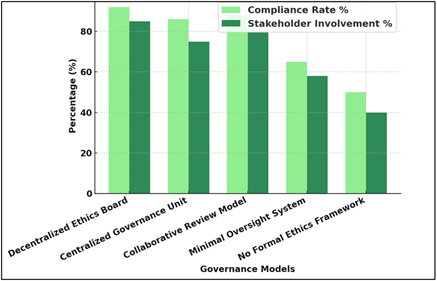
Figure 4 Compliance Rate vs Stakeholder Involvement Across Governance Models
The comparison presented in Figure 4 shows that collaborative and decentralized approaches have a higher engagement and compliance rate. Increased involvement of stakeholders enhances inclusivity, transparency and collective responsibility, which translate into enhanced ethical compliance throughout creative and management procedures.
Figure 5
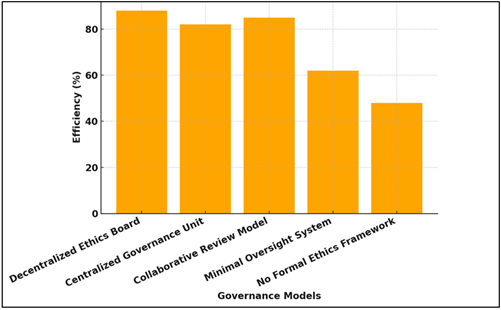
Figure 5 Risk Mitigation Efficiency Across Ethical Governance Models
Figure 5 emphasizes that shared and distributed models provide optimum risk mitigation effectiveness whereas low or absent governance models work wretchedly. This suggests that purposeful ethical management is quite effective in curbing operational, reputational, and moral risks in AI-art systems of management.
3) Challenges
Identified:
Authorship Disputes:
The question of authorship in artistically generated AI art is still a complicated one, because human operators and algorithms play a part in the development. Managers have an ethical problem trying to share credit equally and yet remaining within the law.
Sustainability:
The AI-art creation has environmental risks because of the high energy consumption. Green computing and sustainable production practices need to be invested in through ethical management.
Transparency:
Artificial intelligence model training, data acquisition, and algorithmic decision-making should be transparent, which breaks trust. Managers should make sure that there is transparency in order to stay credible and remain trusted by the population.
6. Conclusion and Recommendations
The paper concludes that the adoption of Artificial Intelligence in the art system requires a solid base of management ethics that will govern responsible innovation, equality, and creative integrity. Literary analysis and empirical evidence show that transparency, accountability, and inclusiveness in organizational and creative practice is the key to effective ethical management. Managers are among the first people who have to balance the development of technologies and moral responsibility so that AI tools do not replace human creativity. Ethical governance schemes, especially decentralized and collaborative schemes, were also identified to be effective in improving accountability and trust, and insufficient oversight tended to lead to authorship conflicts, bias, and problems with sustainability. Based on these findings, some ethical principles are suggested to enhance management in the field of AI-art.
To improve AI art, first of all, transparency should be employed by means of openness in data sources, algorithms, and creative procedures. Second, equal distribution of credits should be fair to consider an equal contribution of human and AI. Third, the culture of data management and algorithm design should be institutionalized to avoid discrimination, exploitation, and abuse. Lastly, production should be based on sustainable and inclusive creative practices with regard to the environmental and cultural impacts. Future studies must widen into cross-cultural ethical paradigms, AI policy paradigm design, and socio-economic impacts of AI in the long term on world creative industries.
CONFLICT OF INTERESTS
None.
ACKNOWLEDGMENTS
None.
REFERENCES
Acquaviva, V., Barnes, E. A., Gagne, D. J., McKinley, G. A., and Thais, S. (2024). Ethics in Climate AI: From Theory to Practice. PLOS Climate, 3, e0000465. https://doi.org/10.1371/journal.pclm.0000465
Al-Kfairy, M., Mustafa, D., Kshetri, N., Insiew, M., and Alfandi, O. (2024). Ethical Challenges and Solutions of Generative AI: An Interdisciplinary Perspective. Informatics, 11, Article 58. https://doi.org/10.3390/informatics11030058
Allen, J. W., Earp, B. D., Koplin, J., and Wilkinson, D. (2024). Consent-GPT: Is it Ethical to Delegate Procedural Consent to Conversational AI? Journal of Medical Ethics, 50, 77–83. https://doi.org/10.1136/jme-2023-109347
Amoozadeh, M., Daniels, D., Nam, D., Kumar, A., Chen, S., Hilton, M., Srinivasa Ragavan, S., and Alipour, M. A. (2024). Trust in Generative AI Among Students: An Exploratory Study. In Proceedings of the 55th ACM Technical Symposium on Computer Science Education (SIGCSE 2024) (Vol. 1, 67–73). Association for Computing Machinery. https://doi.org/10.1145/3626252.3630842
Brendel, A. B., Mirbabaie, M., Lembcke, T.-B., and Hofeditz, L. (2021). Ethical Management of Artificial Intelligence. Sustainability, 13, Article 1974. https://doi.org/10.3390/su13041974
Feuerriegel, S., Hartmann, J., Janiesch, C., and Zschech, P. (2024). Generative AI. Business and Information Systems Engineering, 66, 111–126. https://doi.org/10.1007/s12599-023-00834-7
Goodfellow, I., Pouget-Abadie, J., Mirza, M., Xu, B., Warde-Farley, D., Ozair, S., Courville, A., and Bengio, Y. (2014). Generative Adversarial Nets. In Advances in Neural Information Processing Systems (Vol. 27, 1–9).
Kshetri, N. (2024). Economics of Artificial Intelligence Governance. Computer, 57, 113–118. https://doi.org/10.1109/MC.2024.3357951
Li, F., Ruijs, N., and Lu, Y. (2023). Ethics and AI: A Systematic Review on Ethical Concerns and Related Strategies for Designing with AI in Healthcare. AI, 4, 28–53. https://doi.org/10.3390/ai4010003
Morley, J., Elhalal, A., Garcia, F., Kinsey, L., Mokander, J., and Floridi, L. (2021). Ethics as a Service: A Pragmatic Operationalisation of AI Ethics. Minds and Machines, 31, 239–256. https://doi.org/10.1007/s11023-021-09563-w
Murphy, K., Di Ruggiero, E., Upshur, R., Willison, D. J., Malhotra, N., Cai, J. C., Lui, V., and Gibson, J. (2021). Artificial Intelligence for Good Health: A Scoping Review of the Ethics Literature. BMC Medical Ethics, 22, Article 14. https://doi.org/10.1186/s12910-021-00577-8
Pangarkar, S. C., Paigude, S., Banait, S. S., Ajani, S. N., Mange, P., and Bramhe, M. V. (2023). Occupational Stress and Mental Health: A Longitudinal Study in hIgh-Stress Professions. South Eastern European Journal of Public Health, 21, 68–80.
Ricciardi Celsi, L., and Zomaya, A. Y. (2025). Perspectives on Managing AI Ethics in the Digital Age. Information, 16, Article 318. https://doi.org/10.3390/info16040318
Zhang, P., and Kamel Boulos, M. N. (2023). Generative AI in Medicine and Healthcare: Promises, Opportunities and Challenges. Future Internet, 15, Article 286. https://doi.org/10.3390/fi15090286
Zhou, M., Abhishek, V., Derdenger, T., Kim, J., and Srinivasan, K. (2024). Bias in Generative AI (arXiv:2403.02726). arXiv.
|
|
 This work is licensed under a: Creative Commons Attribution 4.0 International License
© ShodhKosh 2025. All Rights Reserved.