ShodhKosh: Journal of Visual and Performing ArtsISSN (Online): 2582-7472
|
|
The Role of AI in Managing Performing Arts Institutions
Abhishek Pathak 1 , Dr. Meghana Bhilare 2
 , Hitesh Kalra 3
 , Mridula Gupta 4
 ,
Dr. S. Jancy 5
,
Dr. S. Jancy 5 ,
Ashwika Rathore 6
,
Ashwika Rathore 6
1 Department
of Computer Science and Engineering (Cyber Security), St. Vincent Pallotti
College of Engineering and Technology, Nagpur, India
2 Director,
Dr D Y Patil Institute of Management and Entrepreneur Development, Varale, Talegaon Pune, India
3 Chitkara Centre for Research and Development, Chitkara University,
Himachal Pradesh, Solan, 174103, India
4 Centre of Research Impact and Outcome, Chitkara University, Rajpura-
140417, Punjab, India
5 Department of Computer Science and Engineering, Sathyabama Institute
of Science and Technology, Chennai, Tamil Nadu, India
6 Assistant Professor, Department of
Computer Science and Information Technology, Institute of Technical Education
and Research, Siksha 'O' Anusandhan (Deemed to be
University) Bhubaneswar, Odisha, India
|
|
|
ABSTRACT |
|
|
Artificial
intelligence (AI) within the performance arts facilities is transforming how
the arts management, administration, and community participation has always
been. Performing arts troupes would previously count on human intuition and
collaboration to get things occurring but currently, they are applying
data-driven approaches increasingly to get things feasible and artistic
things improved. This study examines the numerous aspects that AI can be used
to enhance the management of performing arts organisations,
with specific focus on how AI can be used to manage such activities as
finances, involvement of people and the creation of new performances. It will
also investigate how the use of AI tools like machine learning, predictive
analytics, and natural language processing are enhancing the capacity of
people to make better decisions, simplify resource use, and provide each
audience with a personalized experience. The article focuses on the effective
uses of AI in the world in the field of theatre, music and dance teachings
through the global case studies. It also discusses similar issues such as
lack of money, poor infrastructure, and employees that don't want to adjust
with the times. The study also reveals how AI can alter the organization of
institutions, transform the work of employees and enhance the management of
talents through digital teamwork and performance data. Even though there is
clear success, the study says that social, cultural and policy issues are
still very important when it comes to AI in the arts. |
|||
|
Received 11 January 2025 Accepted 04 April 2025 Published 10 December 2025 Corresponding Author Abhishek
Pathak, apathak@stvincentngp.edu.in DOI 10.29121/shodhkosh.v6.i1s.2025.6621 Funding: This research
received no specific grant from any funding agency in the public, commercial,
or not-for-profit sectors. Copyright: © 2025 The
Author(s). This work is licensed under a Creative Commons
Attribution 4.0 International License. With the
license CC-BY, authors retain the copyright, allowing anyone to download,
reuse, re-print, modify, distribute, and/or copy their contribution. The work
must be properly attributed to its author.
|
|||
|
Keywords: Artificial Intelligence (AI), Performing Arts
Management, Cultural Institutions, Audience Engagement, Data-Driven Decision
Making, Digital Transformation |
|||



1. INTRODUCTION
1) Background
of performing arts institutions
Performing arts organisations, such as opera houses, theatres, bands, and dance groups, are very important in the preservation and promotion of the cultural expression. There is a creative atmosphere and environment within these groups where the arts and artistic vision can and does meet administrative, business, and community-oriented tasks. In the past, managing the performing arts has depended on human knowledge, instincts and making decisions based on experience to plan shows, keep track of resources and build relationships with audiences. But as the world's culture changes, these organisations face more and more problems, such as changing funding methods, changing audiences and competition from digital amusement platforms. Large-scale art projects, marketing efforts and talent networks are becoming increasingly difficult to manage, so new ideas to combine creativity and speed are required. As a result, performing arts organisations are revising their old ways of managing and looking into new tools to stay relevant and long-lasting Zeng (2025). In this changing world, going digital is not just an improvement for operations, it's a critical must.
2) Overview
of Artificial Intelligence (AI) in management contexts
Artificial intelligence (AI) is now one of the most important forces in modern management, and it has transformed the way in which decisions are taken, the way people speak to one another and how efficient businesses run. AI contains a set of technology such as computer vision, machine learning, natural language processing, and prediction analytics, which enable systems to look at the data and find patterns, make decisions on their own or with some help Zhang and Zhang (2022). Figure 1 illustrates the way AI improves efficiency, engagement, creativity, collaboration and innovation. AI can be used to do a lot of different things in management, from dealing with administrative jobs and making processes better to making HR management better and getting customers more involved.
Figure 1
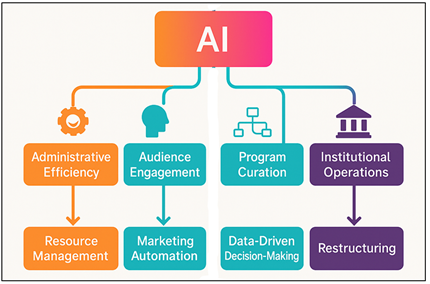
Figure 1 Framework Illustrating the Applications and Impacts
of AI in Performing Arts Management
AI assists people in making decisions based on facts which reduces doubts and leads to better planned results, by analyse big datasets. The arts and culture industries, on the other hand, have been slower to embrace AI since these industries are more people and creativity centered. But way in which the digital world is changing at an increasing speed, AI is increasingly viewed as a tool that can help people to be creative, rather than replacing them Chen et al. (2024). For example, analytics powered by AI can make guesses about what shows people will like, based on previous viewing habits and behaviour data, and make the best schedule suggestions and give recommendations on shows to watch.
3) Purpose
and significance of integrating AI in performing arts institutions
Putting the AI into performing arts organisations is a big step forward in terms of managing the culture; it's a combination of imagination and computer intelligence. AI allows time for the leaders of the institutions to do such things as artistic growth and community services while it manages such tasks as organising, tickets and financial planning Lauriola et al. (2022). AI tools can also observe comments on performance, crowd behaviour and social trends on social media to make targeted marketing strategies and content that will appeal to a broad range of people. AI is not only making things more efficient for practical use, it is also helping the environment by predicting attendance patterns, more efficient use of resources, and/or even aiding in fundraising efforts for strategic purposes. Adding AI is also important for talent management as there is the ease of finding artists, working with them, and rating them through digital platforms and algorithms across the world's networks Limkar et al. (2024). As the world of technology quickly digitises, AI is becoming an important tool for performing arts organisations to help them to be resilient, come up with new ideas and be creatively excellent Vrontis et al. (2022). So, knowing how it is put into action strategically is very important for making sure that the cultural groups are doing well while maintaining their artistic spirit.
2. Related Work
The study of how to use Artificial Intelligence (AI) in the management of performing arts organisations is still a new and growing area, which crosses many disciplines. Early research mostly looked at how digital technologies could be used in arts management in a bigger sense. It was focused on how automation, data analytics and digital communication tools could boost the ease of administration and help build audiences. In the past decade, the focus of researchers has shifted from their work on general digitalisation to that on smart systems that have the capacity to make decisions and look into future. For instance, Bakhshi and Throsby and Walmsley have discussed about how AI has the ability to alter the economics of the culture as well as creative labour management Goel et al. (2022). They say that data analytics using AI can make decisions on programming and enhance marketing strategies. New research looks at how AI can help keep audiences interested, through personalised suggestions, changing prices and tracking how the people behave. Cultural informatics studies have shown that machine learning systems can take a look at the demographics and feelings of an audience in order to help them reach more people Kim et al. (2021). The Royal Opera House and the Metropolitan Museum of Art employ this idea to reach more people. Kenderdine also explored how AI can be used to automate processes such as tickets, organising and allocating resources. He emphasised the fact that intelligent systems can reduce human error and routine work. From an artistic point of view, experts like Edmonds and McCormack have considered the potential of artists and AI systems collaborating to reveal new ways of creation that interrogates conventional notions of ownership, as well as performance Zhou et al. (2020). But critical writing also raises moral and practical questions, including data protection, computer bias and even the notion that human creation may not be valued as highly as it should be. Figure 1 illustrates some of the key studies on the impact of AI on arts management. Studies by Moretti and Lee warn that if AI isn't properly regulated, it will make it harder for some people to get into, and be represented in, culture organisations.
Table 1
|
Table 1 Summary of Related Work on AI in Performing Arts Management |
||||
|
Institution |
AI Application |
Methodology Used |
Key Findings |
|
|
Cultural Economics Wang et al. (2023) |
UK Arts Council |
Predictive analytics for
audience demand |
Quantitative data analysis |
AI improves marketing
efficiency and audience retention |
|
Creative Labor Management |
Theatre and Music Orgs |
Machine learning for workforce planning |
Case study |
AI aids resource optimization |
|
Digital Operations |
National Theatre (Korea) |
AI scheduling and logistics |
Mixed methods |
Enhanced efficiency in event
coordination |
|
Human–AI Collaboration |
Experimental Art Labs |
Generative AI in creative design |
Artistic experimentation |
New artistic forms via AI co-creation |
|
Ethics and AI |
Global Arts Institutions |
Algorithmic transparency |
Qualitative review |
Need for ethical AI policies |
|
Governance in Cultural AI Wang (2024) |
Museums and Galleries |
AI data governance |
Policy analysis |
Recommends cross-sector standards |
|
Audience Analytics |
Theatre |
Sentiment analysis and
social media AI |
Applied analytics |
Improved engagement metrics |
|
Ticketing and Marketing |
Performing Arts |
AI-based dynamic pricing |
Comparative analysis |
Increased revenue predictability |
|
Digital Creativity |
Global collaboration |
AI visualization andcuration |
Experimental |
Expanded creative access
globally |
|
Management Efficiency Sumi (2025) |
Opera |
Predictive analytics in ticket sales |
Case study |
Improved forecasting and planning |
|
Policy Innovation |
Multi-institutional |
AI in performance evaluation |
Thematic analysis |
Better funding
accountability |
|
Creative AI Research Yang (2022) |
Academic |
Deep learning for choreography |
Experimental |
Enhanced creative expression |
|
Global Cultural Policy Khan et al. (2025) |
Cultural Sector |
AI ethics in creative
industries |
Policy review |
Promotes inclusive digital
innovation |
3. Applications of AI in Performing Arts Management
1) Administrative
efficiency and resource management
AI is a key part of making administrative tasks more efficient and making the best use of resources in performing arts organisations. In these types of businesses, conventional management systems are usually reliant on the various areas of the business, such as finance, production, transportation, and human resources, to work together by hand, which can take a long time, and also is prone to mistakes. These tasks have become much easier with the help of AI-powered tools such as automatic schedule tools, predictive repair tools, and intelligent planning tools. If schools use Machine Learning algorithms on historical data, they can forecast the number of students who will attend school, determine the ideal number of staff, and better manage the utilization of the facilities. AI-assisted resource planning systems can, for example, allocate practice places, technical staff and stage tools according to what is required at a given time. This reduces downtime and operation costs. Also, robots and virtual helpers are being used more and more to answer administrative questions, schedule and talk to donors, which make support staff's jobs easier. By finding patterns in how donors behave and support trends, data analytics tools that are combined with AI makes financial projections and grant management even easier. In the end, the use of AI in the management tasks not only makes them more efficient, but it also gives leaders of institutions the power to make choices based on facts and knowledge.
2) Audience
engagement and marketing automation
AI helps organisations to reach out to audiences in a more personal way and accurately guess what they will like by looking at things like demographics, behaviour data and digital interactions. Similar to the ones that streaming services are using, recommendation systems can help people find shows or events that suit their hobbies. Figure 2 illustrates the automation of marketing by AI and the individualization of audience interaction. This can help boost ticket sales and keep people at the crowd longer. Natural language processing tools see the comment and feedback on social media to get a sense of how people feel, which helps marketers and programmers make decisions.
Figure 2
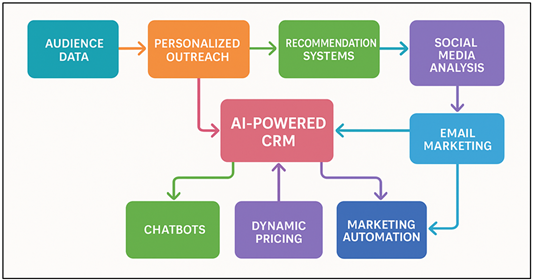
Figure 2 AI-Powered Audience Engagement and Marketing
Automation Framework for Performing Arts
AI-powered customer relationship management (CRM) systems also send out email ads, notes of events, and advertising offers automatically, making sure that the best time and material for contact is used to get the most involvement. AI robots are also being used by institutions that facilitate customers to book tickets, get information about events, and give comments after shows, making sure that users have a smooth experience.
3) Program
curation and data-driven decision-making
Traditionally, performances have been selected in the centres of performing arts according to the knowledge of the curators, the artists' vision and the audience's intuition. But since the emergence of AI, decisions about code are increasingly driven by increasingly granular data analysis. AI tools can look through a lot of data, like ticket sales, crowd feedback, cultural trends and social media activity, to find patterns that can be used to plan future shows. "For example, curators and artistic directors can use machine learning models to predict what types of acts will be of general interest to everyone." This helps them to strike a balance between innovating in art and making money. Sentiment analysis can analyze past conduct insofar as it can detect how people felt in the past - helping art schools understand how their choices impact culture. AI also enables creative teams to collaborate more easily by examining massive files of artists, genres, and performance styles and recommending potential collaborations or concepts on themed programming. Data visualisation tools are also helpful for making decisions in that the leader can visualize real-time information in an easy-to-understand way, and be able to make decisions based on new trends as they arise.
4. Impact of AI on Institutional Operations
1) Organizational
restructuring and staff roles
The implementation of Artificial Intelligence (AI) in performing arts companies has seen dramatic organisational transformations changing jobs and roles of the workers and how work is conducted. With the planning, schedules, and crowd analytics being automated by the AI, employees are moving into the jobs that they value creativity, strategic control, and knowledge application. This transformation encourages more fluid and multidisciplinary working environment in which the human knowledge will collaborate with the machine intelligence.
Figure 3
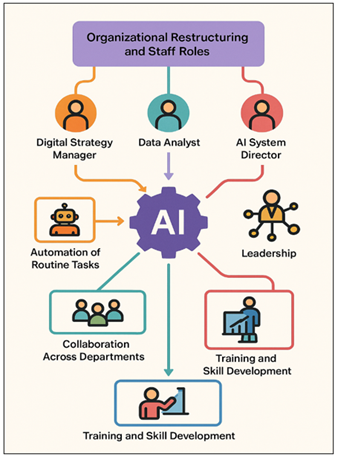
Figure 3
AI-Enabled
Organizational Structure and Workforce Evolution
Administrations in arts organisations are creating incredibly large opportunities to digital strategy managers, data analysts, AI system directors, etc. This shows that they must be technology savvy. In addition to that, individuals who used to work in other fields like marketing, production and programming are converging due to the popularity of common digital resources that allow individuals to work together and share information in real time. However, such reorganization has its issues, such as workers having to adjust, skills mismatch and resistance to technological change. The training and development of staff is necessary so that the employees are not left behind or confused to work with AI systems. Leadership positions are as well changing to include most innovation and making data-driven decisions. Therefore, AI is not only changing the sequence of operations, but also the culture of an organisation, facilitating the cooperation of artistic and technical staff. The innovative structure ensures agility, transparency and innovation. It helps performing arts organisations to overcome the challenges of digital transition without losing the intensity of aesthetic and people-focused ethos.
2) Data
analytics for performance evaluation
Data analytics, which has been driven by AI, is now an important part of the way performing arts organisations assess performances. In the past, the individual evaluation, the public comments and the box office number were the measure of success for the artists and the organisations. AI is now providing a more universal and unbiased framework through processing vast volumes of both numerical and emotional data. AI systems can determine how shows impact and reach people by analyzing factors such as ticket sales trends, crowd demographics, online activity and critical response. Sentiment analysis tools analyze poll data, reviews and comments on social media to determine the level of consumer satisfaction and passion for a product or service. Performance analytics can also find connections between artistic programming, marketing efforts and results such as money, which can provide planners with information they can use in future planning. AI-based evaluation tools provide artists and directors with real-time feedback about the quality of their work with motion capture, sound analysis, and audience interaction measures, which encourages them to keep improving. Institutions can also compare their success to the world standard to find their strengths and where they can improve.
3) AI
in talent management and artist collaborations
By changing the way that talent is found, judged and linked, AI is having a bigger impact on talent management and artist partnerships in performing arts institutions. AI-powered platforms can search through massive digital portfolios, performance records and social media profiles to discover new artists and match them to projects or partners that will be a good fit for them.
5. Case Studies and Examples
1) Global
performing arts institutions implementing AI
Artistic organizations all over the world have started to use Artificial Intelligence (AI) in the management and performance processes. This goes to show that the technology can change it all. The Royal Shakespeare Company (UK) is one example, as they avail themselves of artificial intelligence (AI) powered analytics to figure out how their audiences are responding, and make more effective marketing decisions. This is done by customizing their performances, using information regarding the engagement of their audiences. Similarly, the Metropolitan Opera (USA) sells tickets with AI tools in order to simplify these processes and forecast the attendance trends and improve the donator management systems. The National Theatre in South Korea implements AI-based schedules and predictive analytics that allow it to schedule and use its shows and resources more effectively. Application of machine learning to understand audience interactions with Vienna State Opera, Austria, in order to maximize subscription models and price policies. There is also the forging of new relationships between technology organisations and arts organisations, using AI within Google Arts and Culture visualisation projects of performance that demonstrates how technology can provide artistic expression greater freedom.
2) Comparative
analysis of success and challenges
The application of AI in the performing arts venues of the world is reflective of how the aspects of success and challenge interact in a complex manner. The Royal Opera House and Sydney Opera House reported that their operations have become much more efficient because of the application of AI-based marketing automation and crowd intelligence. By using prediction algorithms, they were able to better predict attendees and reach out to the right people which led to measured increases in income and audience engagement. In addition, AI-based resource planning has helped European bands to maximize the effectiveness of their practice times and sharing expenses. But such victories are frequently dependent on such variables as the stability of the institution's finances, its technology, and staff's willingness to change. Problems that smaller organizations, particularly those in emerging areas, have are lack of finance, lack of knowledge in using technology effectively, and unwillingness to change. There are also remaining culture and moral issues. Crowd analytics also raises concerns about privacy as the use of behavioural data can raise concerns about consent and data protection.
3) Lessons
learned from practical implementations
Students can learn a lot from the real-life experience of the performing arts schools in the world that are using AI. The most important lesson we learned is that the effective implementation of AI requires a long-term strategy that aligns with technological objectives with organisational goals. Institutions that view AI as a creative partner rather than a solution for human knowledge are happier and better off for it. For instance, companies who invested the time and resources into educating their employees of digital literacy and the use of digital technology from an early stage of the business's formation had easier integration and improved collaboration between artists and management teams. Another key insight is that issues surrounding ethical governance such as data protection, algorithmic transparency and inclusion must be addressed. Institutions have learned that communication with stakeholders and engaging the community are important when trying to gain the trust in AI driven projects. Pilot programs and allowing delayed rollouts have also been shown to be good ways to reduce the risk while allowing people to get used to new systems slowly. Also, a lot of organizations underscore the importance of collaborating with tech companies and university experts across various disciplines to continuously come up with new ideas and provide people with the latest tools. But we can learn from failure and lessons in projects that didn't work or were delayed that allowing technology to dominate without human control can damage the nature of art. The balance between technology and creativity is still very important.
6. Challenges and Limitations
1) Technical
and infrastructural barriers
There are several technical and infrastructural issues that make the adoption of artificial intelligence (AI) challenging to performing arts organisations. A lot of cultural organisations, particularly those with small budgets, don't have the tech base they need to run AI systems. The implementation of AI requires powerful computers, secure data storage and sophisticated software applications. These resources are not always available in small and medium-sized schools. Additionally, existing AI platforms are still difficult to integrate with existing CRM systems due to the fact that the bulk of the management and reporting responsibilities are still being addressed by legacy systems. Lack of professional assistance and weak security measures add to connectivity issues. Another major issue is about the data quality and availability.
Figure 4
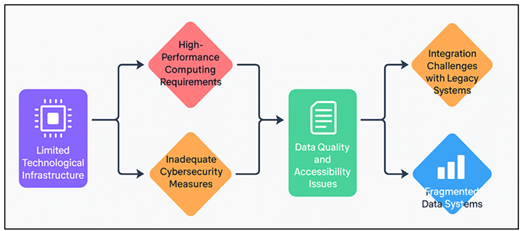
Figure 4 Technical and Infrastructural Barriers to AI
Adoption in Performing Arts Institutions
A lot of schools don't have the organised datasets that are needed to train A.I models well. This means that production, marketing and booking team data are scattered, making it more difficult for a comprehensive study to take place. Figure 4below outlines a number of technical and infrastructure barriers to the use of AI. Also, the digital models for the culture industry are not standardised, which makes it more difficult for AI solutions to be interconnected and expand on each other. Even after organisations purchase technology, it requires consistent professional expertise and funding to keep the systems in good working order and with added functionalities. These infrastructure issues not only delay the progress to digitisation, but also make it more difficult for less resourceful organisations to compete against more resourced ones. For these problems to be solved, it is necessary to collaborate on projects such as government subsidy, public-private partnership, and digital infrastructure programs from a sector-level perspective.
2) Financial
constraints and investment needs
One of the biggest problems associated with AI being used in performing arts schools is still the cost. There are a lot of upfront and long term costs that come with the implementation and maintenance of AI technologies. These include software licenses, infrastructure upgrades, data management systems, and staff development. A lot of cultural groups have small budgets and they subsist on gifts and state funds and ticket sales that go up and down. Because of this, the practice of giving money to new technologies often has to fight with paying for things like the cost of production and artist salaries. There aren't any specific funding programs for digital change making people being even less probable to put money into AI projects. Also, the application of AI in the arts does not always provide a fast return on investment (ROI). This is because benefits such as increased productivity and more interested audience accumulate over time. Smaller organisations may be of the opinion that these long-term results are too dangerous, compared to short-term artistic or business wins. Uncertainty about the ability to grow and last of AI projects also causes careful or dispersed implementation strategies. To get around these money problems, schools need to look into other ways to get money, such as smart relationships with tech companies, joint grant programs and business donations.
3) Resistance
to change and skill gaps among staff
Putting the artificial intelligence into the management of the performing arts is difficult because of things that affect people. People often don't want to change as they don't know, they are scared they will lose their jobs, or they don't think that technology is useful for artistic work. A lot of people who work in the arts think that AI can't work with the human-centered nature of art. Doing things like this can get in the way of working together and coming up with new ideas. Additionally, the pace at which technology is changing has been quicker than the pace at which the professionals are keeping up, resulting in huge skill gaps. Some employees may not know how to deal with computers or AI systems well, which would make them hesitant or unable to do so. A lot of the time, training and professional development programs don't get enough money or worth, which makes it hard for departments to adopt all of them. Institutional lethargy is also worsened by leaders who don't want to prioritise technological change. Not only does adopting AI need technical know-how, but it also needs to transform the culture to favour openness, innovation, and modern education. Getting employees involved in the process of going digital can help to reduce reluctance and build trust in new technologies. When institutions apply change management techniques involving administrative and artistic personnel, moves are smoother.
7. Future Prospects and Recommendations
1) Strategic
integration frameworks for AI in arts management
Creating clear strategy merger models which are important for future success of Artificial Intelligence (AI) in managing the performance arts. Instead of experimenting or cutting up AI apps, the institutions need to take a more complete approach that places technology projects in relationship with the goals of the arts, the organisation and the community. A good framework is one that includes stages of assessment, application and reviewing. The first step is to figure out what are the practical needs and if the data is ready. The next step is to select the appropriate artificial intelligence (AI) tools for each task, such as crowd analytics, planning or talent management. It is important that scientists, managers, and artists can work together to ensure that AI solutions do not get in the way of artistic goals. Strategic relationships with tech companies, colleges and culture networks reinforce this process to an even stronger point as people gain access to resources and experts.
2) Training
and capacity-building for institutional leaders
For AI to be used in the performance arts management in the long term, it is important to equip institutional leaders with the tools needed through focused training and capacity building programs. Leadership is very important for the creation of the culture of an organisation, to encourage new ideas, and to overlook the digital change. But a lot of people in charge of the arts do not have the technical skills or trust to make smart choices about how to use AI. In order to reduce this gap, structured training programs can be implemented that teach both technology skills as well as cultural management. Not only that, workshops, executive classes and mentoring programs should be focused on the useful parts of AI, but also the moral, financial and artistic effects that AI can have. Boosting leaders' digital trust allows them to challenge new ideas and deal with staff issues, and to ensure that everyone has a chance to participate. Bringing together data scientists, artistic practitioners and policy experts through working together in teams, also improves the ability to solve problems, and encourages new ways of thinking. Also, organisations should set up innovation hubs or task groups within themselves to try out AI apps and share the best ways to do things. Continuous learning is something that needs to be a big part of every organization's plan. This will ensure that leaders are able to adapt to new technologies.
3) Policy
implications for cultural and creative sectors
Progressive policy frameworks are needed to deal with both possibilities and social issues in the culture and artistic sectors as AI is used in performing arts organisations. Policymakers need to see AI as a way to bring about new ideas in culture and make sure that its use is in line with fairness, openness, and artistic freedom. The wide-ranging cultural policies should promote the digital inclusion by supporting institutions of various kinds and different level of resources.
8. Conclusion
Artificial Intelligence (AI) in the performing arts organisation is a significant change in the management of the global culture industry, and how long will it not take. This paper has illustrated that AI is not only applied in technology sectors these days but it is also increasingly altering the artistic and functional aspects of art. AI helps the institutions to operate more precisely, swiftly and effortlessly with its use in fields, including administration, community engagement, information analysis and talent management. Through information-driven understanding organisations can retain their artistic objective with enhancing the prosperity of their marketing, programming and audience connections. However, in conjunction with the use of AI, there are also new issues such as technical, financial and human ones that should be considered and envisioned in terms of ethical aspects. The institutions should make efforts to balance fresh ideas and acceptance of everyone and also make sure that technology does not replace inventiveness but enhances it. It is also relevant to AI integration in terms of infrastructure and funding, yet creative leadership and training of workers to make it work.
CONFLICT OF INTERESTS
None.
ACKNOWLEDGMENTS
None.
REFERENCES
Chen, Y., Wang, H., Yu, K., and Zhou, R. (2024). Artificial Intelligence Methods in Natural Language Processing: A Comprehensive Review. Highlights in Science, Engineering and Technology, 85, 545–550. https://doi.org/10.54097/vfwgas09
Goel, P., Kaushik, N., Sivathanu, B., Pillai, R., and Vikas, J. (2022). Consumers’ Adoption of Artificial Intelligence and Robotics in Hospitality and Tourism Sector: Literature Review and Future Research Agenda. Tourism Review, 77, 1081–1096. https://doi.org/10.1108/TR-03-2021-0138
Khan, N., Ansari, S., Tabassum, S. Z., Nikam, D., and Jambhulkar, A. (2025). Pointers – CSE Learning Management System. International Journal of Electrical and Electronic Engineering and Computer Science (IJEECS), 14(1), 225–231.
Kim, S. S., Kim, J., Badu-Baiden, F., Giroux, M., and Choi, Y. (2021). Preference for Robot Service or Human Service in Hotels? Impacts of the COVID-19 Pandemic. International Journal of Hospitality Management, 93, Article 102795. https://doi.org/10.1016/j.ijhm.2020.102795
Lauriola, I., Lavelli, A., and Aiolli, F. (2022). An Introduction to Deep Learning in Natural Language Processing: Models, Techniques, and Tools. Neurocomputing, 470, 443–456. https://doi.org/10.1016/j.neucom.2021.05.103
Limkar, S., Singh, S., Ashok, W. V., Wadne, V., Phursule, R., and Ajani, S. N. (2024). Modified Elliptic Curve Cryptography for Efficient Data Protection in Wireless Sensor Network. Journal of Discrete Mathematical Sciences and Cryptography, 27(2), 305–316. https://doi.org/10.47974/JDMSC-1903
Sumi, M. (2025). Simulation of Artificial Intelligence Robots in Dance Action Recognition and Interaction Process Based on Machine Vision. Entertainment Computing, 52, Article 100773. https://doi.org/10.1016/j.entcom.2024.100773
Vrontis, D., Christofi, M., Pereira, V., Tarba, S., Makrides, A., and Trichina, E. (2022). Artificial Intelligence, Robotics, Advanced Technologies and Human Resource Management: A Systematic Review. International Journal of Human Resource Management, 6, 1237–1266. https://doi.org/10.1080/09585192.2020.1871398
Wallace, B., Nymoen, K., Tørresen, J., and Martin, C. P. (2024). Breaking from Realism: Exploring the Potential of Glitch in AI-Generated Dance. Digital Creativity, 35, 125–142. https://doi.org/10.1080/14626268.2024.2327006
Wang, Z. (2024). Artificial Intelligence in Dance Education: Using Immersive Technologies for Teaching Dance Skills. Technology in Society, 77, Article 102579. https://doi.org/10.1016/j.techsoc.2024.102579
Wang, Z., Deng, Y., Zhou, S., and Wu, Z. (2023). Achieving Sustainable Development Goal 9: A Study of Enterprise Resource Optimization Based on Artificial Intelligence Algorithms. Resources Policy, 80, Article 103212. https://doi.org/10.1016/j.resourpol.2022.103212
Yang, L. (2022). Influence of Human-Computer Interaction-Based Intelligent Dancing Robot and Psychological Construct on Choreography. Frontiers in Neurorobotics, 16, Article 819550. https://doi.org/10.3389/fnbot.2022.819550
Zeng, D. (2025). AI-Powered Choreography Using a Multilayer Perceptron Model for Music-Driven Dance Generation. Informatica, 49, 137–148. https://doi.org/10.31449/inf.v49i20.8103
Zhang, L., and Zhang, L. (2022). Artificial Intelligence for Remote Sensing Data Analysis: A Review of Challenges and Opportunities. IEEE Geoscience and Remote Sensing Magazine, 10, 270–294. https://doi.org/10.1109/MGRS.2022.3145854
Zhou, G., Zhang, C., Li, Z., Ding, K., and Wang, C. (2020). Knowledge-Driven Digital twin Manufacturing Cell Towards Intelligent Manufacturing. International Journal of Production Research, 58, 1034–1051. https://doi.org/10.1080/00207543.2019.1607978
|
|
 This work is licensed under a: Creative Commons Attribution 4.0 International License
© ShodhKosh 2025. All Rights Reserved.